

Vitamin B Complex
Looking to buy a natural vitamin B complex? Find out what it is, what it is good for and when it may be worth considering a supplement.
By Stefan, last updated: 04-07-2025.
Contents
- Our favourite vitamin B complex supplements
- What is vitamin B complex?
- What is vitamin B complex good for?
- Which foods are rich in B vitamins?
- When should you take vitamin B complex?
- Sources
Our favourite vitamin B complex supplements
- Basic B Complex by Thorne
- Vitamine B-Complex (met vitamine C) by Terranova
- Vitamine B-Complex by KIKI Health
What is vitamin B complex?
A vitamin B complex consists of a group of eight water-soluble B vitamins that work together in countless processes in your body. These include:
- B1 (thiamine)
- B2 (riboflavin)
- B3 (niacin)
- B5 (pantothenic acid)
- B6 (pyridoxine)
- B7/B8 (biotin)
- B9/B11 (folate/folic acid)
- B12 (cobalamin)
These vitamins act as coenzymes in energy production and are involved in the metabolism of proteins, fats and carbohydrates. (source, source) As they are water-soluble, they are not stored in large amounts. A regular intake through food or supplements is therefore important.
What is vitamin B complex good for?
Although vitamin B complex is a collective term for eight individual B vitamins, each of these vitamins has its own role in the body. For example:
- Vitamin B1 (thiamine) contributes to normal energy-yielding metabolism and the normal functioning of the nervous system
- Vitamin B2 (riboflavin) contributes to the maintenance of normal red blood cells and helps reduce tiredness
- Vitamin B3 (niacin) contributes to normal psychological function and the maintenance of normal skin
- Vitamin B5 (pantothenic acid) supports normal mental performance
- Vitamin B6 (pyridoxine) contributes to the regulation of hormonal activity
- Biotin (B8/B7) supports the maintenance of normal hair and skin
- Folate (vitamin B11/B9) contributes to the formation of red blood cells and the growth of the unborn baby during pregnancy
- Vitamin B12 (cobalamin) supports energy metabolism and the functioning of the immune system
A supplement containing several B vitamins can be used to top up these nutrients together, for example when requirements are increased or dietary intake is inadequate. The exact formulation and dosage vary from product to product.
Which foods are rich in B vitamins?
B vitamins occur naturally in a wide range of foods. Wholegrains provide significant amounts of B1, B3 and B5, while eggs and dairy products are particularly rich in B2 and B12. Pulses such as lentils and beans contain B1, B6 and B9, and green leafy vegetables, such as spinach and kale, are a good source of folate (B9). Meat and offal provide the body with B3, B5 and B12, while nuts and seeds contribute to the intake of B6 and B7. Yeast and fermented foods also contain various B vitamins in varying amounts. (source, source)
When should you take vitamin B complex?
A vitamin B complex is best taken with or just after a meal. As it is water-soluble, it is well absorbed when taken with food.
Supplementation may be useful in some situations, such as:
- A vegetarian or vegan diet (especially B12)
- Reduced absorption due to digestive problems or medication
- Prolonged stress or increased mental demands
- Recovery after illness or physical exertion
- Pregnancy (folic acid) or older age
Want to know whether a vitamin B complex is right for your situation? Feel free to get in touch.
Sources
- B-complex vitamin deficiency and supplementation: review
- A functional evaluation of anti-fatigue and exercise performance improvement following vitamin B complex supplementation in healthy humans, a randomized double-blind trial
- Effects of high-dose B vitamin complex with vitamin C and minerals on subjective mood and performance in healthy males
- Biological Properties of Vitamins of the B-Complex, Part 1: Vitamins B1, B2, B3, and B5
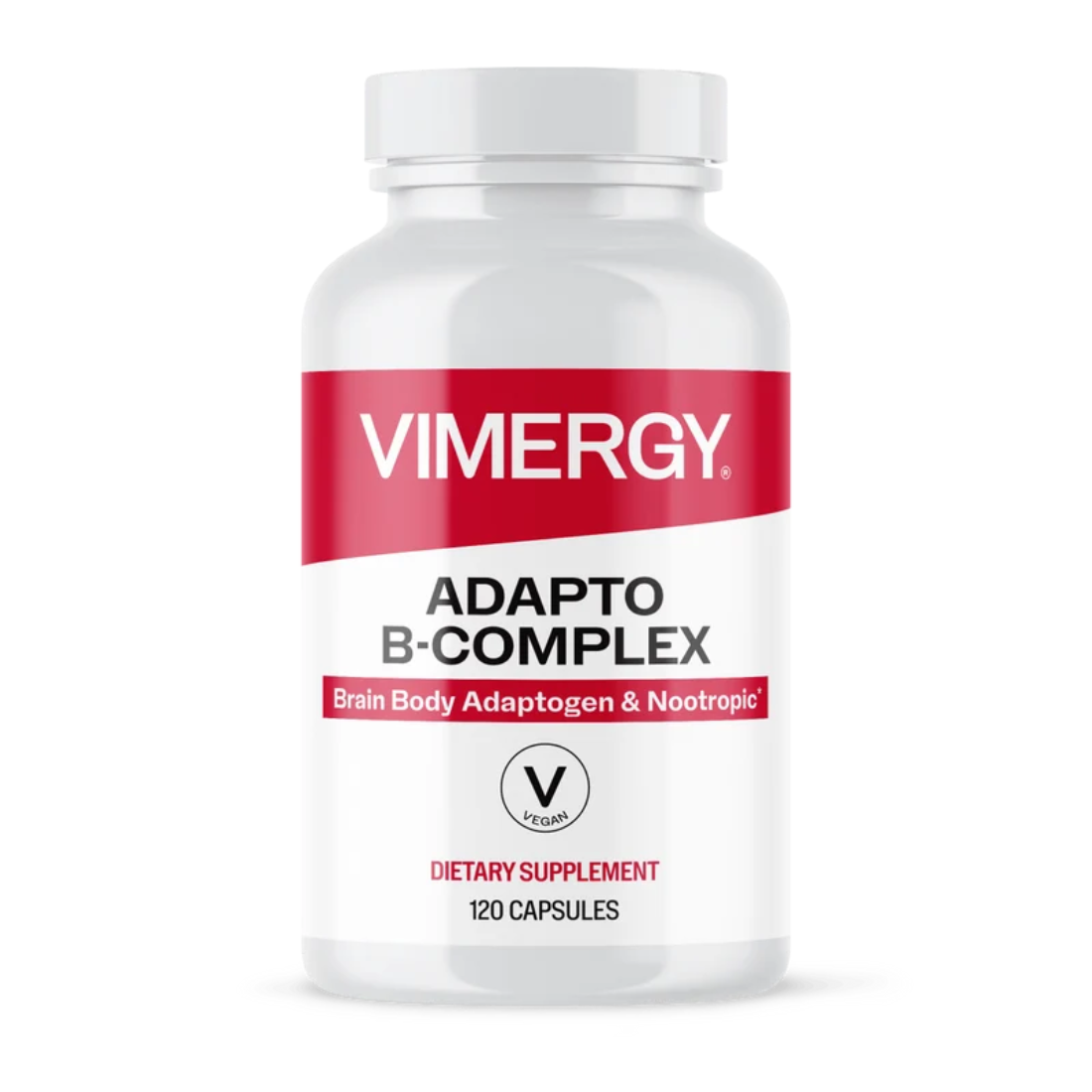
120 capsules | Capsules | Vitamin B12, Vitamin B1, Vitamin B3, Pantothenic acid, Rhodiola | United States of America

60 capsules | Capsules | Vitamin B12, Vitamin B6, Vitamin B1 | United States of America

100 capsules | Capsules | Vitamin B12, Vitamin B6, Vitamin B1, Vitamin B2, Biotin, Pantothenic acid | Methylcobalamin, Adenosylcobalamin


60 capsules | Capsules | Vitamin B12, Vitamin B6, Vitamin B1, Vitamin B2 | Germany

100 capsules | Capsules | Vitamin B6, Vitamin B1, Biotin, Pantothenic acid | United States of America
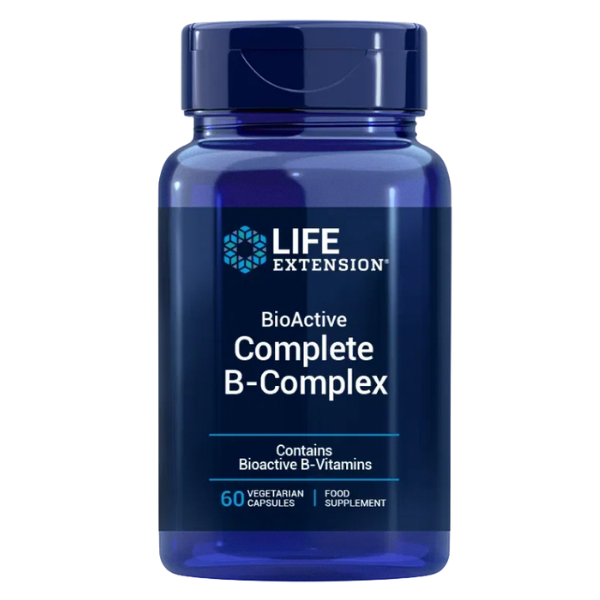
60 capsules | Capsules | Vitamin B12, Vitamin B6, Vitamin B1, Biotin, Pantothenic acid | Methylcobalamin | United States of America

90 capsules | Capsules | Vitamin B12, Vitamin B1, Vitamin B2, Pantothenic acid | United Kingdom

90 capsules | Capsules | Vitamin B12, Vitamin B1, Vitamin B2, Pantothenic acid | Methylcobalamin, Adenosylcobalamin | United Kingdom

60 capsules | Capsules | Vitamin B12, Vitamin B6, Vitamin B2, Folic acid | United States of America
![Vitamunda Active-] b-complex](https://morgenisnu.nl/media/cf/72/e6/1759141413/Vitamunda-active-b-complex.jpg "Vitamunda Active B-Complex kopen")
30 capsules | Capsules | Vitamin B12, Vitamin B6 | The Netherlands

240ml | Liquid | Vitamin B12, Vitamin B6, Vitamin B1, Vitamin B2, Vitamin B3 | United States of America

30 capsules | Capsules | Vitamin B12, Vitamin B6, Vitamin B1, Vitamin B2 | United Kingdom

60 capsules | Capsules | Vitamin B6, Vitamin B1, Vitamin B2, Folic acid, Vitamin B3, Biotin | The Netherlands

100 capsules, 50 capsules | Capsules | Vitamin B12, Vitamin B6, Vitamin B1, Vitamin B2, Folic acid, Vitamin B3, Vitamin C | United Kingdom
Our mission is that people with the correct information choose their health products
Vitamin B complex is a collective term for eight individual B vitamins, each with its own function in the body. In supplements, these vitamins are often combined to top up the daily intake of several B vitamins at once, for example when requirements are increased or the diet lacks variety. The exact function and effects vary from one vitamin to another; you can find more information in the descriptions of the individual B vitamins on this page.
How long you can take a B complex supplement depends on your individual circumstances, your diet and the dosage of the supplement. In many cases, it can be used safely over a longer period, provided the dosage stays within the recommended daily allowance (RDA) or tolerable upper intake level. If you take high doses over a long period, it is advisable to discuss this with a doctor or therapist.
A deficiency in B vitamins can show up in different ways, depending on which vitamin is lacking. Commonly reported signs include tiredness, difficulty concentrating, tingling, muscle weakness, pale skin, mouth ulcers or reduced immune function. A blood test through your GP or specialist is needed for an accurate diagnosis.
When used as directed and taken within the recommended amounts, B vitamins are generally safe. At high doses, some B vitamins, such as B6 or B3 (niacin), may cause side effects with long-term use. These may include tingling or skin reactions. Always take supplements according to the recommended dosage on the label, and consult a healthcare professional if you are unsure.
For most people who eat a varied diet, supplements are not necessarily needed. However, there may be an increased need in certain situations, such as when following a vegetarian or vegan diet, during pregnancy, in times of stress or when nutrient absorption is reduced. Vitamin B supplements are available without a prescription, but it is advisable to seek professional advice if you plan to take them long term or are unsure.
It is not possible to draw a general conclusion about the effect of vitamin B complex on sleep, as the individual B vitamins can each have a different effect. Some people find certain B vitamins helpful in relation to relaxation or energy metabolism, while others may be sensitive to taking them in the evening. It is sensible to see what works for you and, preferably, to take the supplement during the day with a meal.
This varies from person to person and depends on your nutritional status, any deficiencies and the composition of the supplement. B vitamins are water-soluble and are generally absorbed quickly. Any effects may become noticeable within a few days to weeks, depending on the intended use. If you have serious symptoms or persistent fatigue, it is always advisable to consult a doctor.
- Fat-soluble vitamins (A, D, E, K): Take with a meal containing fat.
- Water-soluble vitamins (C, B-complex): Can be taken at any time of the day. B12 is best absorbed on an empty stomach.
When combining supplements, it is important to follow the recommended daily dose for each product and avoid an excessive total intake of certain vitamins or minerals.
Everyone responds differently to supplements. Interactions between different food supplements are also possible. You use and combine supplements at your own responsibility. If you are unsure about combining different food supplements, we recommend consulting a professional.
Pay attention to how your body responds when taking supplements, and consult a doctor or pharmacist if you are taking medication, are pregnant or breastfeeding, or have a medical condition.