
Vitamin K
Looking to buy a vitamin K supplement? Find out all about vitamin K, its different forms, the role of diet and the importance of combining it with vitamin D.
By Stefan, last updated: 03-07-2025.
Contents
- Our favourite vitamin K supplements
- What is vitamin K?
- Vitamin K from food
- A powerful combination: vitamins D and K
- Vitamin K deficiency symptoms
- The benefits of vitamin K
- Sources
Our favourite vitamin K supplements
What is vitamin K?
Vitamin K is a fat-soluble vitamin that plays an essential role in blood clotting and maintaining strong bones. (source) The name ‘K’ refers to the German word ‘Koagulation’. There are two natural forms: vitamin K1 (phylloquinone) and vitamin K2 (menaquinone). K1 is mainly found in green leafy vegetables, while K2 is found in fermented foods such as natto and certain cheeses. (source)
Vitamin K acts as a cofactor for enzymes that activate proteins known as Gla proteins. These proteins are involved in processes in the blood, bones and blood vessels. (source)
Vitamin K from food
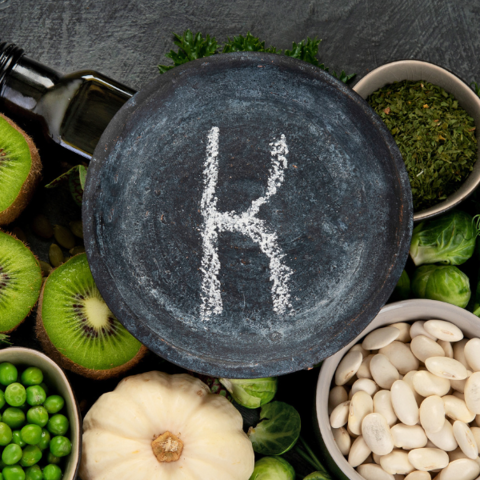
Which foods contain vitamin K? Vitamin K1 is mainly found in green vegetables such as kale, spinach and broccoli. Vitamin K2 is mainly found in animal products and fermented foods such as cheese, quark and natto. (source)
A balanced diet with enough vitamin K-rich foods contributes to normal blood clotting and the maintenance of strong bones. (source) However, research shows that many people, particularly older adults, have a suboptimal vitamin K status. (source)
A powerful combination: vitamins D and K
Vitamins D and K work together at different levels in the body. Vitamin D regulates calcium absorption, while vitamin K ensures that calcium reaches the right place in the body: the bones rather than the blood vessels. (source) This synergy is particularly important when taking supplements containing calcium or vitamin D.
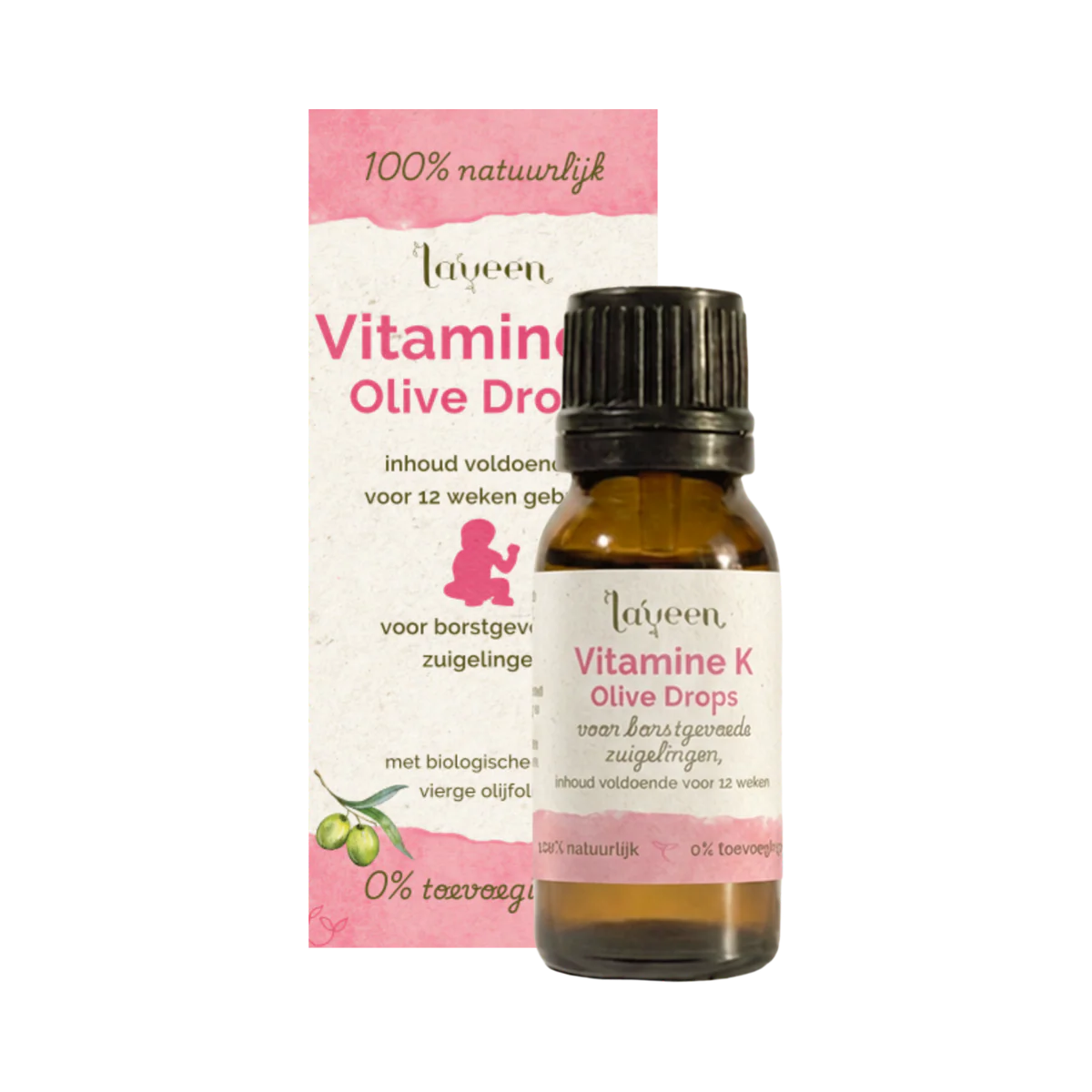
This combination is especially important for babies. In the Netherlands, newborns are routinely given vitamin K drops, and vitamin D is also recommended for breastfed babies.
Vitamin K deficiency symptoms
Vitamin K deficiency is uncommon in adults, but can develop as a result of impaired fat absorption, long-term antibiotic use or a restricted diet. Possible symptoms include an increased tendency to bleed, such as bruising or bleeding gums. (source) Babies have a higher risk of bleeding immediately after birth, which is why supplementation is routine.
Suboptimal functioning of Gla proteins in bones and blood vessels is more common and is generally more subtle. In the long term, this may affect bone structure or the elasticity of blood vessels. (source)
The benefits of vitamin K
Several benefits can be attributed to vitamin K, including:
- Vitamin K helps with normal blood clotting
- Vitamin K contributes to the maintenance of strong bones
Sources
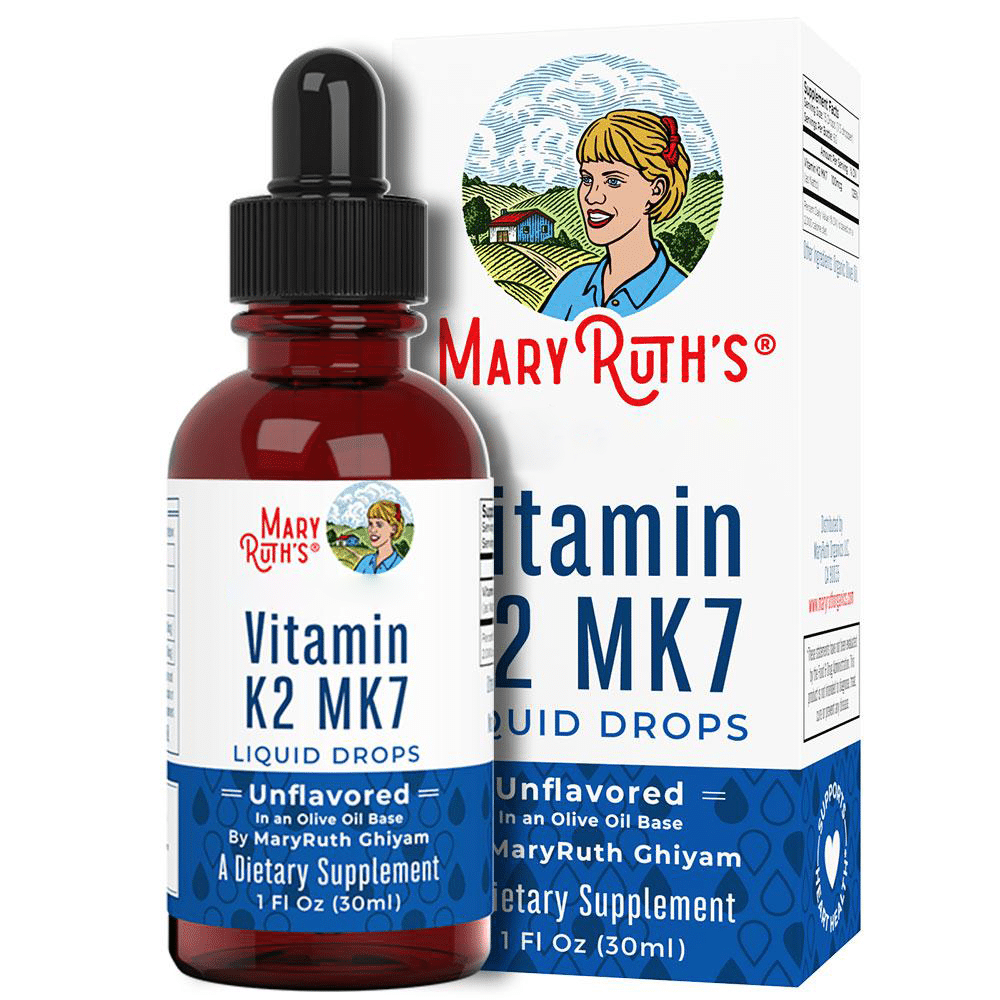
30ml | Liquid | Vitamin K | K2 | United States of America

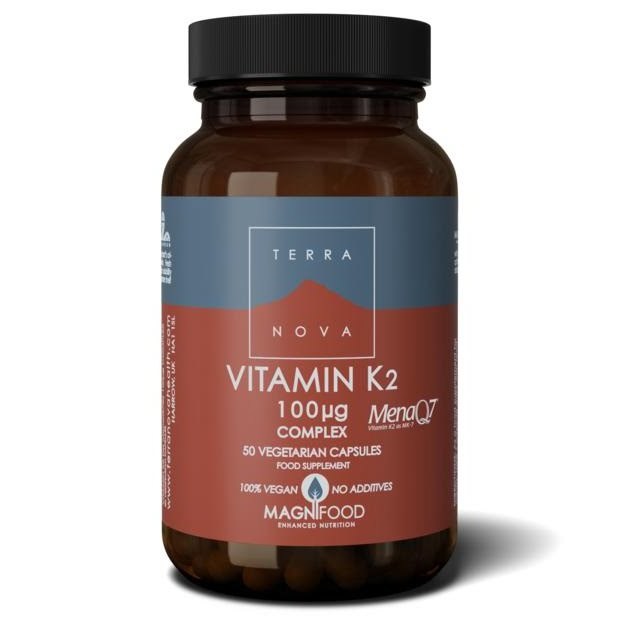
50 capsules | Capsules | Vitamin K | K2 | United Kingdom
Our mission is that people with the correct information choose their health products
Vitamin K1 (phylloquinone) is mainly found in green leafy vegetables such as kale, spinach, broccoli and lettuce. Vitamin K2 (menaquinone) is found in smaller amounts in animal products such as cheese, liver and eggs, and in fermented foods such as natto (Japanese soya beans).
A severe vitamin K deficiency can lead to an increased tendency to bleed, with symptoms such as bruising, bleeding gums or slow blood clotting. Newborns are at increased risk of bleeding, which is why they are routinely given vitamin K supplements. Suboptimal vitamin K levels are more common and may affect the function of vitamin K-dependent proteins in bones and blood vessels.
Vitamin K contributes to normal blood clotting and plays a role in maintaining strong bones. It is involved in activating proteins known as Gla proteins, which are important in the blood, skeleton and blood vessel walls, among other areas.
Fruit generally contains little vitamin K. Small amounts can be found in kiwi fruit, blueberries, grapes, blackberries and avocado, among others. However, green leafy vegetables remain the richest sources.
Most nuts contain only small amounts of vitamin K. Pine nuts and cashews contain slightly more than other types, but make only a modest contribution to total intake.
There are no known adverse effects of a high intake of vitamin K1 or K2 from food or supplements in healthy people. For people taking blood thinners (such as warfarin), a high or widely varying intake of vitamin K can affect how the medicine works. Always consult a doctor in this case.
Vitamin D helps the body absorb calcium from food, while vitamin K ensures that this calcium is processed in the right places in the body, such as the bones. This combination therefore supports a healthy calcium balance.
- Fat-soluble vitamins (A, D, E, K): Take with a meal containing fat.
- Water-soluble vitamins (C, B-complex): Can be taken at any time of the day. B12 is best absorbed on an empty stomach.
When combining supplements, it is important to follow the recommended daily dose for each product and avoid an excessive total intake of certain vitamins or minerals.
Everyone responds differently to supplements. Interactions between different food supplements are also possible. You use and combine supplements at your own responsibility. If you are unsure about combining different food supplements, we recommend consulting a professional.
Pay attention to how your body responds when taking supplements, and consult a doctor or pharmacist if you are taking medication, are pregnant or breastfeeding, or have a medical condition.