

Minerals
Minerals are essential nutrients. Different minerals play a role in important bodily functions. For example, calcium, magnesium and zinc contribute to the maintenance of normal bones. Iron and magnesium support normal energy-yielding metabolism, while magnesium contributes to the functioning of the nervous system. Minerals including iron, zinc and selenium also contribute to the normal functioning of the immune system. Curious about the minerals we offer? Read more about minerals on this page.
By Stefan, last updated: 21-10-2025
Our favourite mineral supplements
- Calcium Magnesium Malate (capsules) by Thorne
- Magnesium Glycinaat (capsules) by Morgen is Nu
- Himalayan Shilajit Resin by KIKI Health
What are minerals?
Minerals are essential nutrients that your body cannot produce itself, so you need to obtain them through food or supplements. They are divided into major minerals (such as calcium, magnesium, potassium and sodium) and trace elements (such as iron, zinc, copper, iodine and selenium). (source)
They have a wide range of functions: for example, calcium is needed for the maintenance of normal bones, magnesium contributes to normal muscle function, energy-yielding metabolism and nervous system function, and iron contributes to normal oxygen transport in the body. (source)
In short: minerals act as both building blocks and regulators, playing a part in almost every bodily function.
Which foods contain minerals?
Minerals occur naturally in food. Examples include:
- Calcium: dairy products, green leafy vegetables, nuts and seeds
- Magnesium: wholegrains, pulses, nuts, cocoa
- Potassium: potatoes, bananas, beans, avocado
- Iron: red meat, pulses, wholegrains, green vegetables
- Zinc and Selenium: nuts (especially Brazil nuts), fish, meat
The absorption and availability of minerals depend on their form and the composition of the diet. For example, fibre and phytates in grains can reduce absorption, while vitamin C increases iron absorption.
Mineral deficiency
Over time, a mineral deficiency can affect several important functions in the body. Although a varied diet usually provides enough minerals, research shows that many people still do not always get all the recommended amounts, particularly through their everyday diet. (source)
In these cases, a carefully chosen supplement may help top up your intake. At the same time, it is important to avoid excessive doses, as too high an intake can also have unwanted effects.
A blood test for vitamins and minerals can provide clarity if you are experiencing symptoms or want to know whether you have any deficiencies.
Okinawa minerals
Alongside the familiar individual minerals, there are also distinctive natural formulas, such as Okinawa minerals. These come from Sango coral found in the waters around Okinawa, a Japanese island known for its residents' high life expectancy.
What makes Okinawa minerals unique is their natural ratio of calcium to magnesium (2:1), exactly as in the human body. They also contain more than 70 other ionic minerals and trace elements, making them a particularly comprehensive supplement. Absorption is high: around 80% is absorbed within 20 minutes. Production is also sustainable, as only dead coral is used.
Curious? Take a look at Okinawa Mineralen by The Health Factory.
Sources
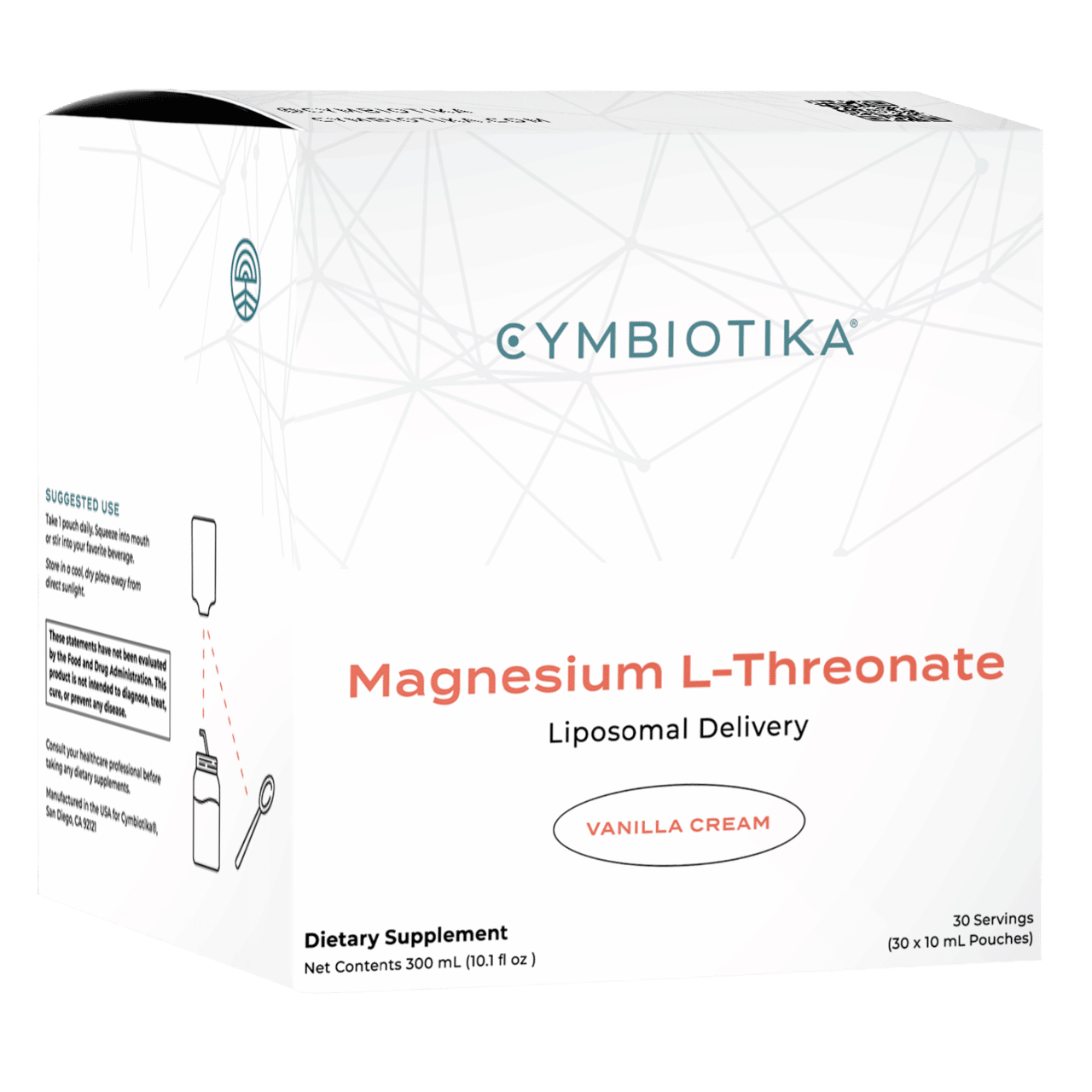
30 sachets of 10ml | Liquid | Magnesium | L-threonate | United States of America
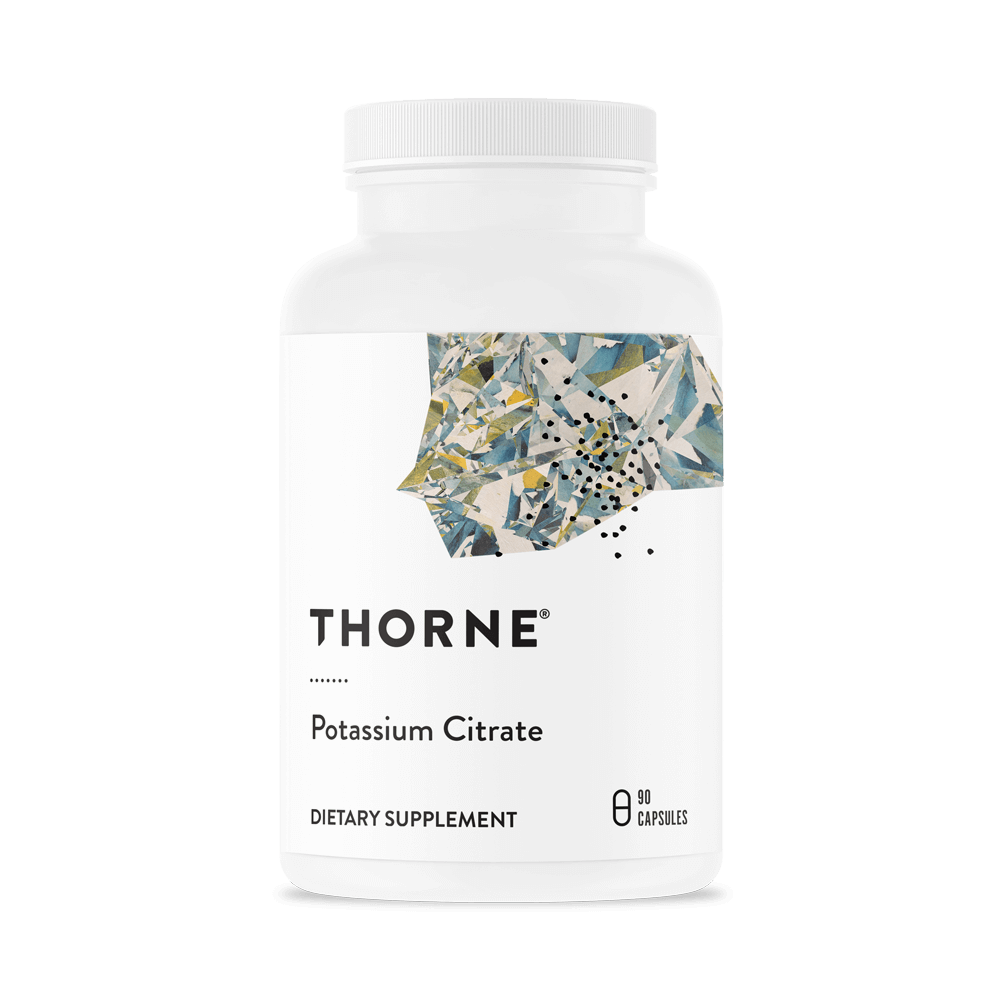
90 capsules | Capsules | Potassium | United States of America
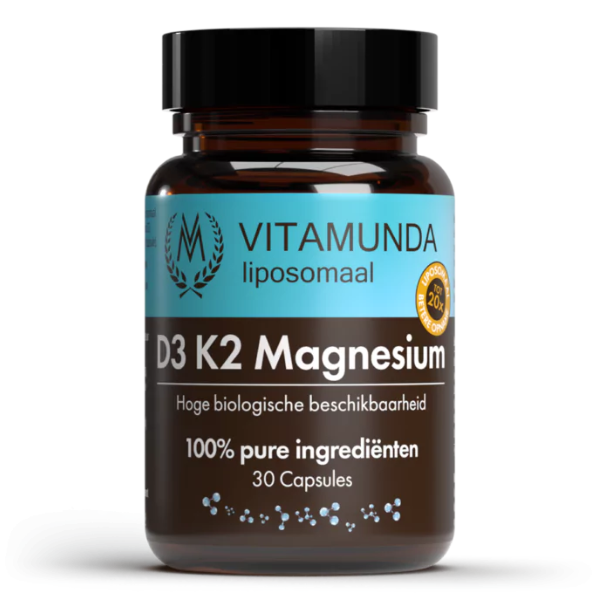
30 capsules | Capsules | Vitamin D, Vitamin K, Magnesium, D3+K2 | Citrate, Cholecalciferol, K2 | The Netherlands

1000ml, 500ml | Liquid | Magnesium | Nano | The Netherlands
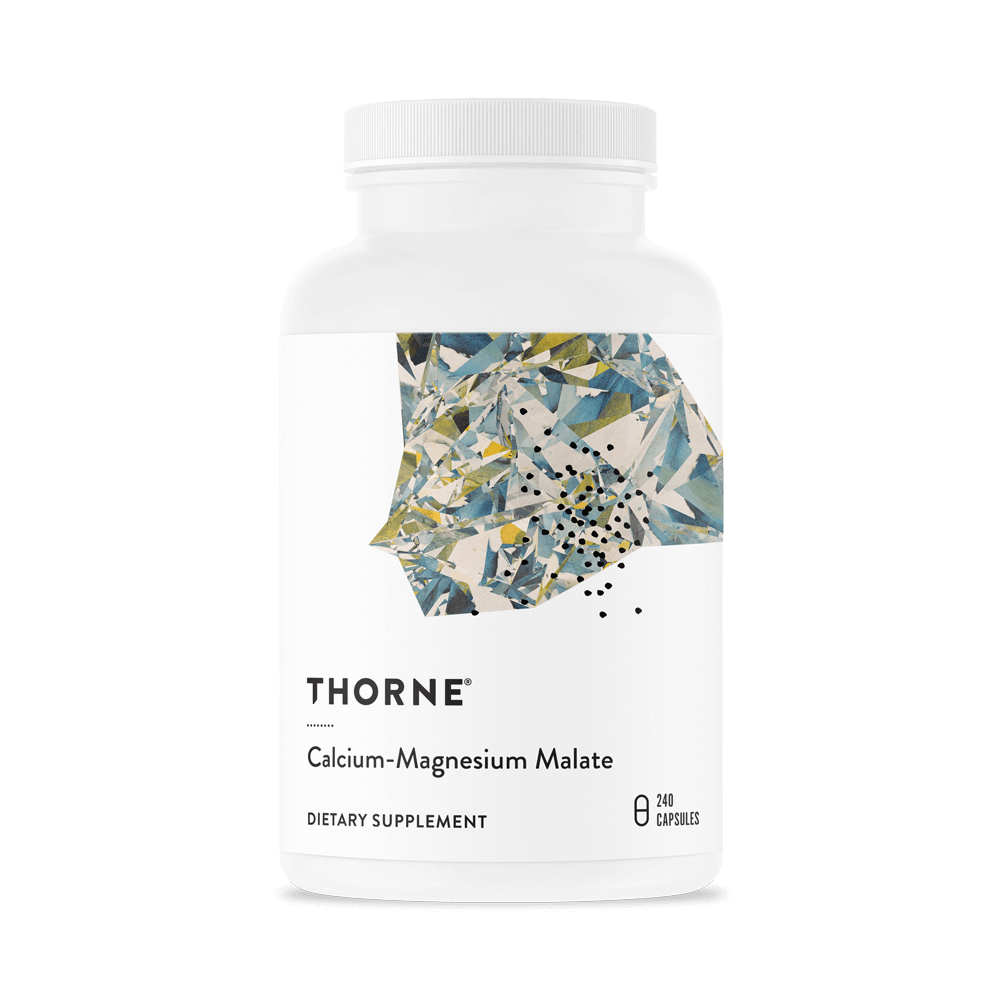
240 capsules | Capsules | Magnesium, Calcium | Malate | United States of America
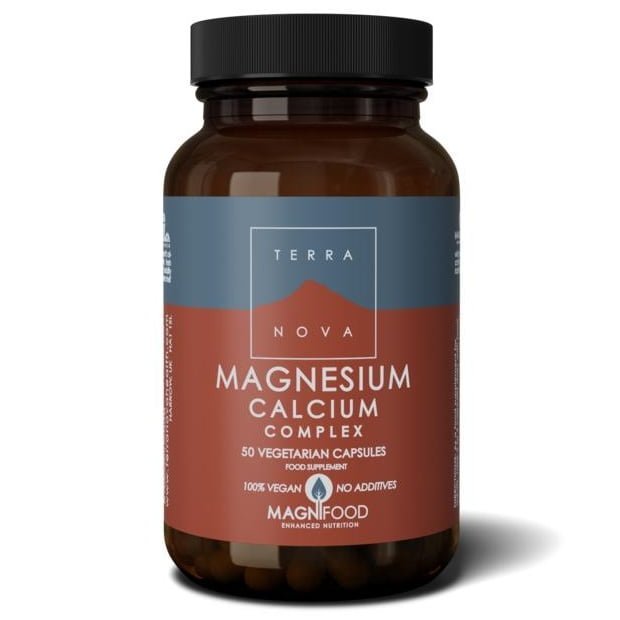
100 capsules, 50 capsules | Capsules | Magnesium, Calcium | Citrate, Oxide | United Kingdom
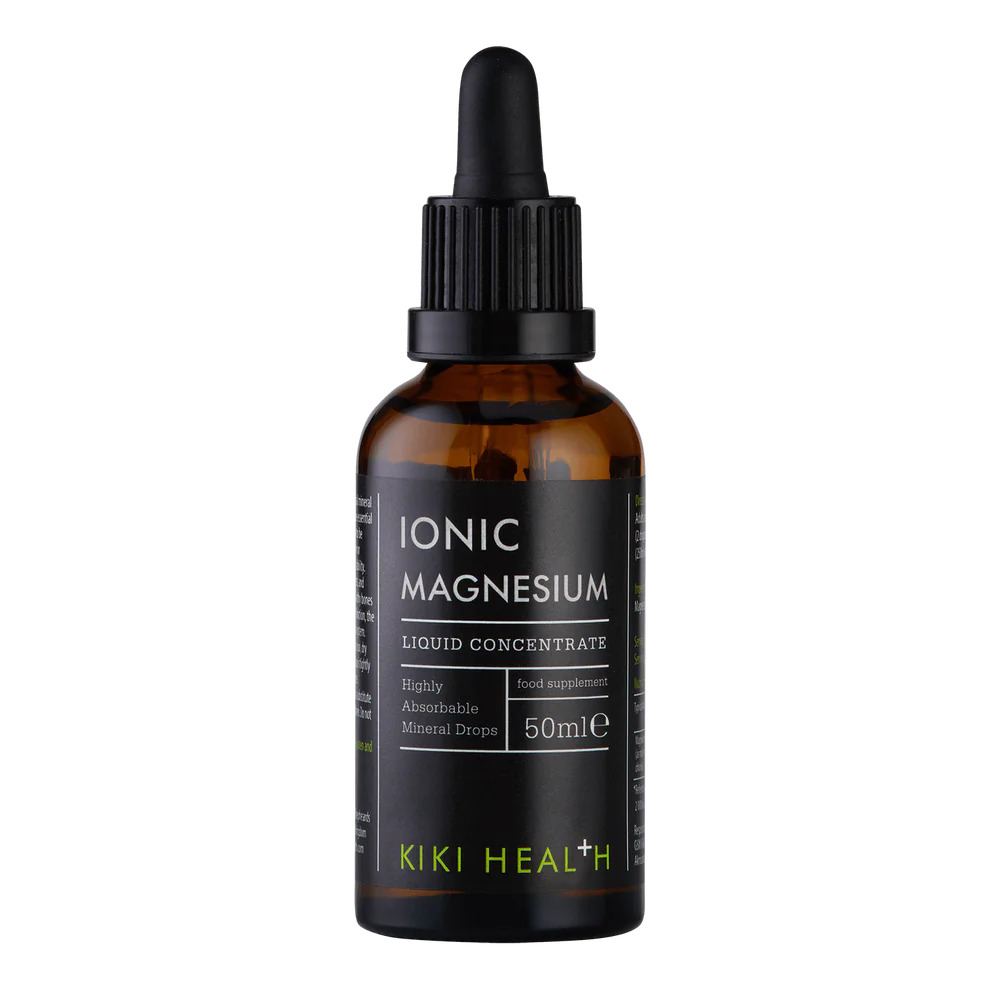
50ml | Liquid | Magnesium | Ionic | United States of America
Blog about the mineral magnesium
Welcome to our blog, where we explore the fascinating world of magnesium! Named supplement of the year in 2018, this mineral is one of the most popular food supplements in the Netherlands for good reason. Alongside vitamin C and multivitamins, magnesium is among the best-selling supplements. But why is magnesium so important for us?
Magnesium is an essential part of countless biological processes in our bodies and in nature. It plays a role in cell function, supports strong muscles, reduces tiredness, and keeps the nervous system functioning properly. But it does not stop there. Magnesium also helps with the formation of proteins in the body, maintaining water and mineral balance, and releasing energy from food.
In this blog, you will learn all about sources of magnesium, its balance with other essential nutrients such as calcium, vitamin D and K2, and why magnesium supplementation is so important. Read on and discover the versatility of this powerful mineral!
Our mission is to help people choose their health products with the right information
- Macrominerals are minerals your body needs in larger amounts, such as calcium, magnesium, potassium, sodium, phosphorus and chloride.
- Trace elements are minerals needed in only small amounts, such as iron, zinc, copper, iodine, Selenium and manganese.
- Vegetables and fruit, such as leafy greens and bananas
- Nuts and seeds Whole grains and pulses
- Dairy products
- Meat and fish
- Fat-soluble vitamins (A, D, E, K): Take with a meal containing fat.
- Water-soluble vitamins (C, B-complex): Can be taken at any time of the day. B12 is best absorbed on an empty stomach.
When combining supplements, it is important to follow the recommended daily dose for each product and avoid an excessive total intake of certain vitamins or minerals.
Everyone responds differently to supplements. Interactions between different food supplements are also possible. You use and combine supplements at your own responsibility. If you are unsure about combining different food supplements, we recommend consulting a professional.
Pay attention to how your body responds when taking supplements, and consult a doctor or pharmacist if you are taking medication, are pregnant or breastfeeding, or have a medical condition.