

Ashwagandha
Looking to buy Ashwagandha? Ashwagandha (Withania somnifera) is a traditional Ayurvedic herb. At Morgen is Nu, you will find only pure, high-quality Ashwagandha. Carefully selected, without unnecessary additives. Discover what makes this remarkable herb so distinctive.
By Lisanne, last updated: 11-06-2025.
Contents
- Our favourite Ashwagandha supplements
- What is Ashwagandha?
- The history of Ashwagandha
- Powerful phytonutrients in Ashwagandha
- High withanolide content in Ashwagandha
- Ashwagandha benefits
- Safety and possible side effects of Ashwagandha
- Sources
Our favourite Ashwagandha supplements
- Ashwagandha Root by Nature’s Answer
- Ashwagandha by Global Healing
- Fermented Ashwagandha by Terranova
What is Ashwagandha?
Ashwagandha (Withania somnifera), also known as Indian ginseng or winter cherry, is an adaptogenic herb in the nightshade family. Its name comes from Sanskrit and literally means “smell of a horse”, referring both to the smell of the root and to the vitality the herb is traditionally believed to support. The plant is native to dry regions of India, the Middle East and North Africa, and has been used for thousands of years in Ayurveda, the traditional Indian system of health.
The history of Ashwagandha
The history of Ashwagandha is closely linked to Ayurveda, where it is considered one of the most important Rasayanas. These are herbs traditionally used to support vitality and balance in the body.
Ancient Ayurvedic texts, including the Charaka Samhita and Sushruta Samhita, describe Ashwagandha as a tonic for general wellbeing. Its use gradually spread from India to other parts of the world. Ashwagandha has since become popular in the West too. (source)
Powerful phytonutrients in Ashwagandha
So why is Ashwagandha such a popular herb? This is mainly down to the broad range of active compounds it contains. Ashwagandha is rich in saponins, phytosterols and bioflavonoids, among other compounds. (source)
Compared with other herbs, Ashwagandha is also rich in amino acids (mainly tryptophan) and minerals (mainly iron). However, its most important and distinctive properties are due to its high levels of withanolides. Of all the plants in the world, Ashwagandha contains the highest concentration of withanolides, as well as the most diverse range. (source)
High withanolide content in Ashwagandha
Withanolides are compounds known as steroidal lactones. This means they have a physiological effect. Ashwagandha contains around 40 withanolides, each with a different neurochemical effect on the body. (source)
The types of withanolides you consume largely depend on which part of the herb is used, as extracts from the root and the plant contain different withanolides. Withanolides are primarily responsible for the health benefits of Ashwagandha.
Ashwagandha benefits
Ashwagandha is often praised for its wide range of uses. There are currently two permitted claims for Ashwagandha:
- Ashwagandha contributes to the body's ability to adapt to stress*
- Ashwagandha is good for mood*
* Health claims awaiting European approval.
Safety and possible side effects of Ashwagandha
Although Ashwagandha is generally considered safe when used in the recommended amounts, there are a few things to bear in mind. High doses or prolonged use may cause mild side effects, such as stomach discomfort or drowsiness.
Take care when combining it with medicines, such as thyroid medication or sedatives. Unsure whether Ashwagandha is right for you? Consult a qualified professional. And always choose a pure product from a verified source.
Sources

60 capsules | Capsules | Ashwagandha | United States of America


60ml | Liquid | Ashwagandha | United States of America

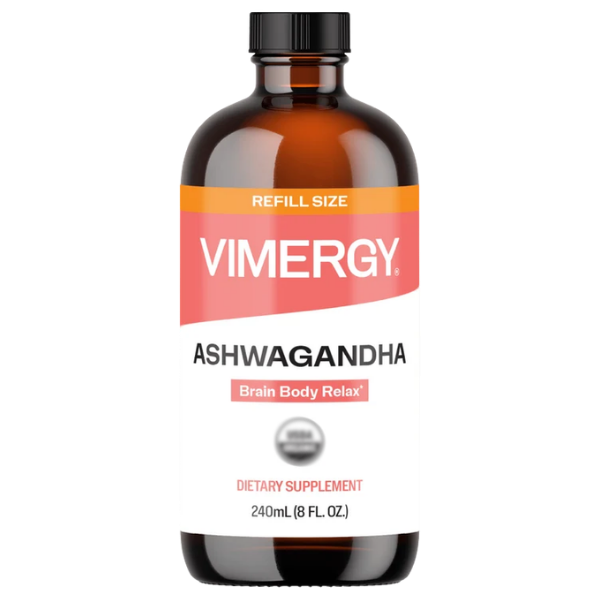
240ml | Liquid | Ashwagandha | United States of America

60ml | Liquid | Ashwagandha | United States of America

60 capsules, 120 capsules | Capsules | Ashwagandha | United States of America

50 capsules | Capsules | Ashwagandha | United Kingdom
"Ordered around 20 times already. Reliable, fast delivery
I've ordered products from Morgen is Nu around 20 times now. Orders always arrive promptly and in good condition. Their products are very good."
- Pieter
Date of experience: 02 June 2025
View all reviews
About Morgen is Nu - Holistic health shop
At Morgen is Nu, we work every day to support your health. Guided by a unique vision and years of experience, we select only the purest, highest-quality products. We believe in a holistic approach centred on physical, inner and outer balance.
Phone: 0341 - 422 850
Our mission is to help people choose their health products with the right information
Ashwagandha is generally considered safe when used at the recommended dosage. However, there are a few points to bear in mind. High doses or long-term use may cause mild side effects, such as stomach discomfort or drowsiness. Do you take medication, such as thyroid medication or sedatives? If so, it is advisable to consult a doctor or therapist first.
Ashwagandha is a herb traditionally used to support the body. In Europe, two health claims are currently awaiting approval:
- Ashwagandha contributes to the body's ability to adapt to stress*
- Ashwagandha is good for mood*
In traditional Ayurveda, Ashwagandha has been used for centuries as a tonic for vitality and inner balance. The following benefits have been studied and are currently recognised:
- Ashwagandha contributes to the body's ability to adapt to stress*
- Ashwagandha is good for mood*
Ashwagandha can be taken at different times of day, depending on your needs and the type of product. Many people choose to take it in the morning or early evening, preferably with a meal. Taking Ashwagandha before bed? Start with a low dose to see how your body responds. Please note: always follow the instructions on the label or the advice of a healthcare professional.
People’s experiences with Ashwagandha vary depending on the person and how it is used. Some people notice subtle effects within a few days, while for others it may take a few weeks to notice a change. It is important to choose a pure supplement in a form that is readily absorbed, such as a standardised extract, and to take it regularly at the recommended dosage.
Pay close attention to the following points:
- Origin and quality: Choose a pure supplement without unnecessary additives.
- Standardised extract
- Interactions with medication: Consult a doctor if you are taking medication, are pregnant or are breastfeeding.
- Dosage: More is not always better. Stick to the recommended amount stated on the product label.
- Individual response: Start with a low dose to see how your body responds.
Most health claims currently relate to vitamins, minerals and fatty acids. Discussions about herbs and botanicals have been ongoing for years. Various on-hold claims have been submitted for these. They are currently awaiting authorisation by the European Commission. These claims may therefore currently only be used if there is scientific evidence to support the health effect.
Herbs can have an effect on the body and may, in some cases, interact with medication or other food supplements.
You are responsible for your own use and combination of herbal supplements. Consult a doctor or pharmacist if you take medication or have health concerns. The use of herbs during pregnancy or breastfeeding is generally not recommended due to insufficient evidence of their safety. If you want to take several herbal supplements at the same time and are unsure, consult a healthcare professional.