
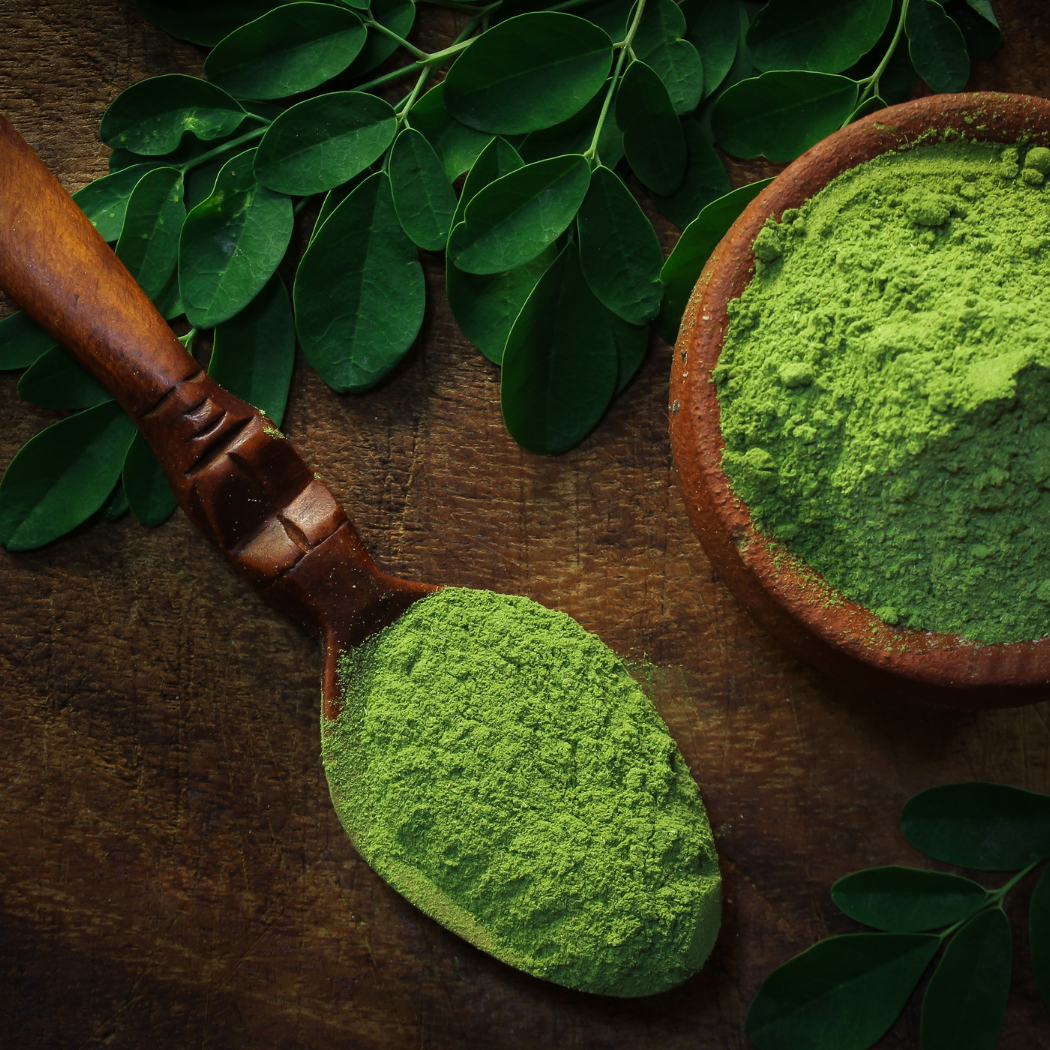
Moringa
Looking to buy Moringa powder, Moringa capsules or Moringa oil? This remarkable plant is also known as the miracle tree, drumstick tree or Moringa oleifera. More and more people are discovering Moringa as a valuable addition to their daily diet. On this page, you can read all about the origins, composition and potential benefits of Moringa.
By Stefan, last updated 04-03-2025
Contents
- Our favourite Moringa products
- What is Moringa?
- The origins of Moringa
- What makes Moringa so special?
- The benefits of Moringa
- How can you use Moringa?
- Sources
Our favourite Moringa products
What is Moringa?
Moringa oleifera is a fast-growing tree from South Asia and Africa, also known as the ‘miracle tree’. It owes this nickname to its wide range of uses. For centuries, almost every part of the plant has been used, from its leaves and seeds to its flowers and roots. The leaves are particularly popular because they are naturally rich in nutrients such as vitamins, minerals, antioxidants and plant proteins. (source)
Many people add Moringa to their diet to get extra micronutrients. This is hardly surprising, as various cultures have used it for centuries as a natural addition to their daily diet. This traditional use goes far back in history and shows how valued the tree is in different parts of the world.
The origins of Moringa
Moringa has been used for thousands of years. The tree originally grew in the foothills of the Himalayas, in areas such as India, Pakistan, Bangladesh and Afghanistan. Here, Moringa oleifera was described as a medicinal herb as early as 2000 BC. Today, Moringa is found in tropical and subtropical regions around the world, including India, Africa and Latin America. (source)
Moringa's wide range of uses and its nutritional value have earned it an established place in many traditional healing practices. People often tell us how impressed they are by Moringa's versatility. Modern researchers are also showing growing interest in the age-old knowledge surrounding Moringa, with more and more studies exploring its potential uses. (source)
The benefits of Moringa
Moringa is known as the ‘miracle tree’, and for good reason:
- Moringa is rich in vitamin A, vitamin C, iron and magnesium. All are very important nutrients. Vitamin C and iron, for example, both support the body's natural energy levels. (source)
- Around 10% of Moringa powder is protein, which contributes to muscle growth and the maintenance of strong bones. For people with increased nutritional needs, Moringa can be a useful source of micronutrients.
- Moringa also contains polyphenols and flavonoids. These are natural compounds being studied for their role in protecting the body's cells. (source)
Important to remember: Moringa is a useful addition, but not a replacement for a varied, healthy diet.
How can you use Moringa?
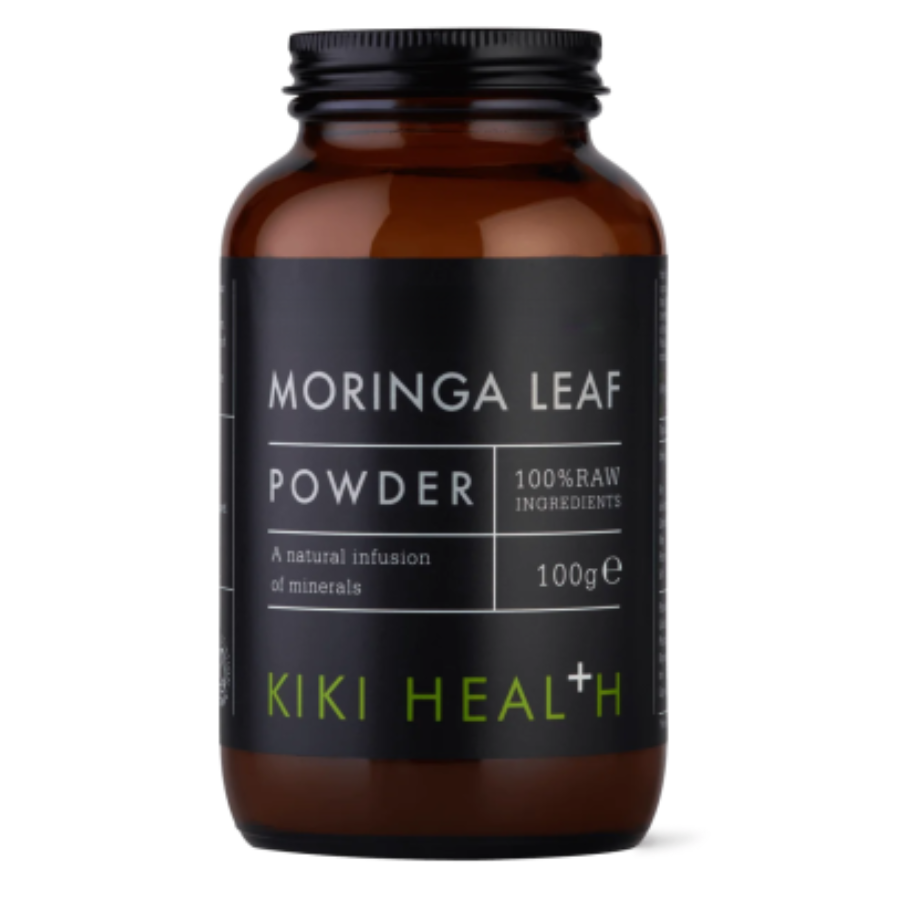
More and more people are discovering Moringa as a daily supplement, for example by adding the powder to smoothies, tea or yoghurt. Its neutral, slightly nutty flavour makes it easy to combine with other foods. At Morgen is Nu, you will find Moringa in three forms: powder, capsules and liquid tincture. This makes it easy to choose the option that best suits your routine.
What makes Moringa so special?
What makes Moringa stand out most is its composition. The leaves naturally contain a broad range of nutrients, including:
- Vitamins C, A and E
- Calcium, magnesium and potassium
- Essential amino acids
- Polyphenols and flavonoids
These substances are important for various processes in the body. There is some evidence that the antioxidants in Moringa may help protect cells against oxidative stress. (source)
Research suggests that Moringa contributes to normal blood sugar regulation (source).
For many people, this is a worthwhile reason to use Moringa as part of a varied diet.
Sources

60ml | Liquid | United States of America
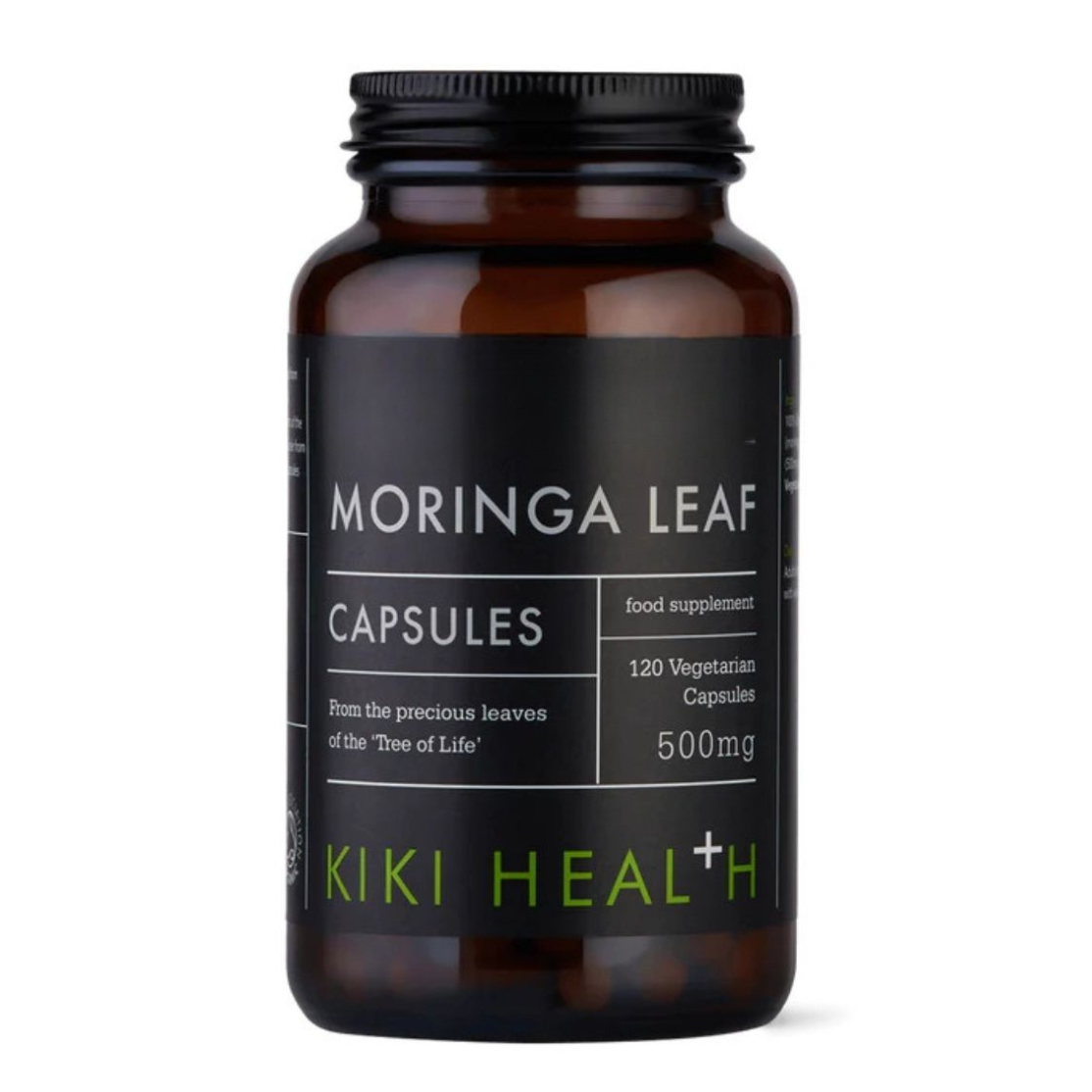
120 capsules | Capsules | Moringa | India
"Delivery is always quick. I have ordered these products several times before, and they are of high quality."
- Catharina Claessens
Date of experience: 9 May 2025
Read all reviews
About Morgen is Nu - Holistic health shop
At Morgen is Nu, we work every day to support your health. Guided by a unique vision and years of experience, we select only the purest, highest-quality products. We believe in a holistic approach that places physical, inner and outer balance at its heart.
Telephone: 0341 - 422 850
Blog about Moringa (the ‘miracle tree’)
From the leaves to the seeds, nothing goes to waste with moringa. This remarkable tree, native to the Himalayan region, has been used in traditional medicine for centuries for its impressive nutritional profile. It is no wonder moringa is also known as the ‘miracle tree’. In this blog, discover why moringa is so popular as a natural food supplement.
Yes, Moringa is generally considered safe when consumed in normal amounts through food or supplements. It is important to follow the recommended dosage. If you take medication, are pregnant or are breastfeeding, always speak to a healthcare professional first.
In small amounts, Moringa may be suitable for children, for example when added to food. If you want to give it to children over a longer period or offer it to young children, it is best to consult a doctor or nutritionist first.
Moringa has a mild, earthy flavour that is sometimes described as slightly peppery or nutty. In powder form, it mixes easily into smoothies, yoghurt or tea. Want to soften the flavour? Try combining Moringa with fruit or spices such as cinnamon or ginger.
Absolutely! Moringa is entirely plant-based, making it a suitable addition to vegan and vegetarian diets. It is a natural source of protein, iron and calcium, which can be useful in a plant-based diet.
Ideally, store Moringa powder and capsules in a cool, dry place away from direct sunlight. Make sure the packaging is tightly sealed to help preserve their quality and nutrients.