Mushrooms
Mushrooms have always held a special place in both nature and human culture. Varieties such as shiitake, maitake, reishi, chaga, lion’s mane and cordyceps are valued worldwide: in cooking for their flavour and in supplements for their rich composition. At Morgen is Nu, we choose products with a focus on purity, quality, transparency and respect for nature.
By Stefan, last updated: 17-09-2025.
Contents
- Our favourite mushroom supplements
- What are mushrooms?
- The history of mushroom use
- Key nutrients in mushrooms
- Well-known mushrooms and their uses
- What should you look for in mushroom supplements?
- Sources
Our favourite mushroom supplements
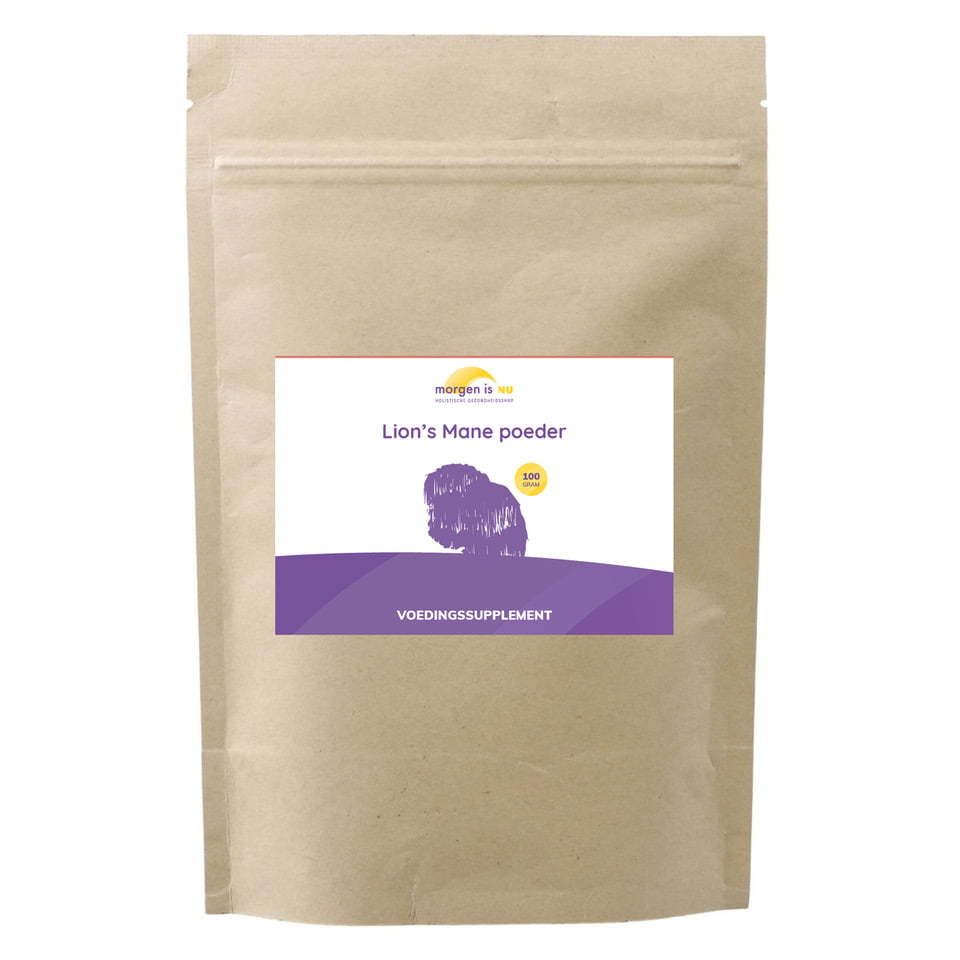
- Bio Lion’s mane Poeder by Morgen is Nu
- Chaga Extract Mushroom Caps (Bio) by KIKI Health
- Duanwood Reishi Drops by Dragon Herbs
What are mushrooms?
Mushrooms are the fruiting bodies of fungi and come in thousands of varieties. Mushrooms naturally contain a range of bioactive compounds, including polysaccharides (such as beta-glucans), triterpenes and antioxidants. It is this diversity that makes them interesting for use in food and as a basis for supplements. (source) & (source)
The history of mushroom use
From Traditional Chinese Medicine to Siberian folk traditions, mushrooms have a place in rituals, food and health practices around the world. In Japan, shiitake and maitake were cultivated centuries ago, while reishi and chaga gained an almost mythical status in Asia and Russia. Today, this rich tradition lives on in modern supplements and culinary uses. (source)
Key nutrients in mushrooms
Mushrooms stand out for their broad mix of nutrients and bioactive compounds:
- Beta-glucans (polysaccharides): often used as a marker when analysing mushroom products (source)
- Triterpenes: found in reishi and chaga, among others. (source)
- Antioxidants: found in some mushroom varieties (source)
- Proteins and minerals: contribute to the nutritional value of varieties such as shiitake and lion’s mane.
Well-known mushrooms and their uses
Reishi
Reishi (Ganoderma lucidum, Ling Zhi) is known for its reddish-brown, glossy cap and long history of use in Asia. The mushroom contains a wide range of compounds, including polysaccharides, triterpenoids, sterols and proteins. (source) Reishi has a beneficial effect on the heart and blood vessels*. Today, reishi is used worldwide in powders, capsules and extracts.
Chaga
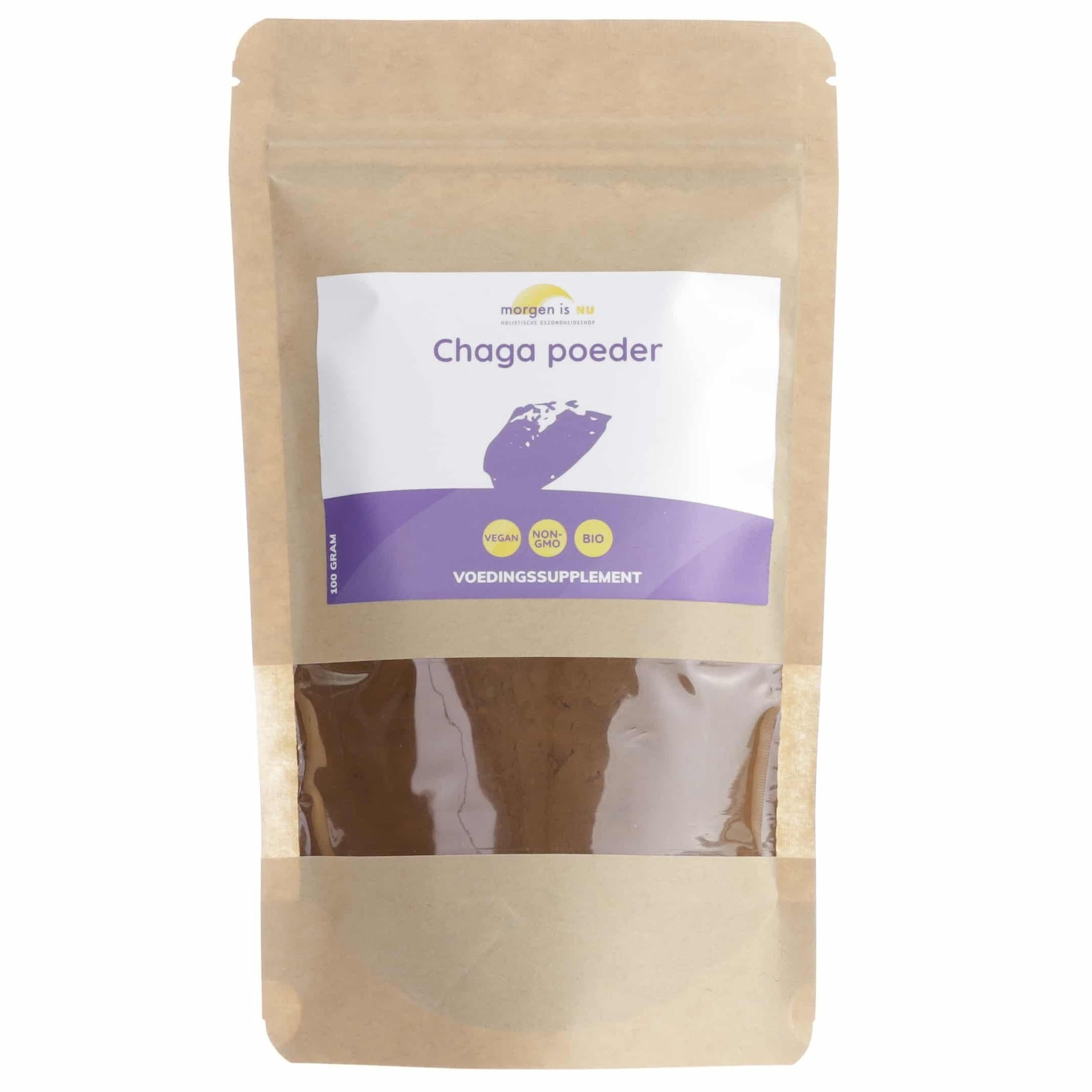
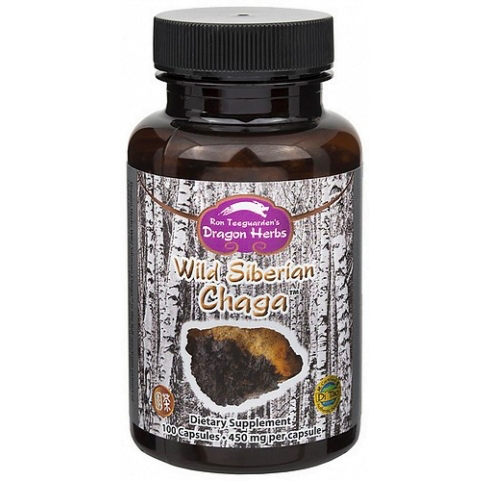
Chaga (Inonotus obliquus) grows mainly on birch trees in cold climates. With its dark, woody structure, it looks very little like a typical mushroom. This fungus is rich in beta-glucans, polyphenols, triterpenes and the pigment melanin, which gives it its characteristic black colour. Chaga has been used in tea for centuries and is now also used in extract form. (source)
Lion’s mane
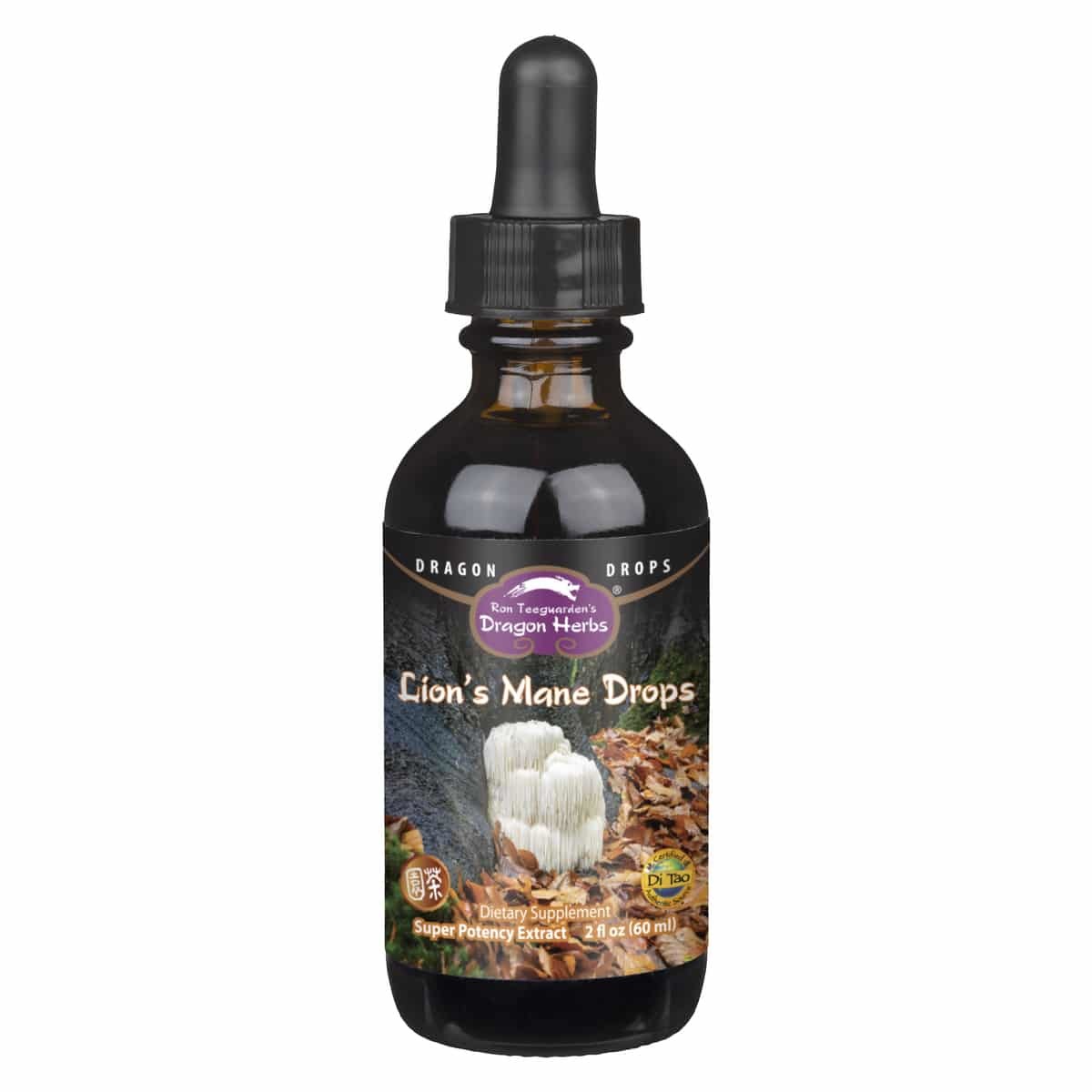
Lion’s mane (Hericium erinaceus) is recognisable by its long white strands, which resemble a lion’s mane. This mushroom contains polysaccharides, beta-glucans and unique compounds such as hericenones and erinacines. (source) It is valued in cooking as a meat substitute and is also available in various supplement forms, such as capsules, powder and extract.
Cordyceps
Cordyceps originates from the high plateaux of Tibet. Today, it is mainly cultivated under controlled conditions, ensuring consistent quality.
Maitake
Maitake (Grifola frondosa) forms large, fan-shaped clusters at the base of trees. In Japan, it earned the nickname “dancing mushroom” because people were so happy when they found it. Maitake is popular both in cooking and in supplement form.
Shiitake
Shiitake (Lentinula edodes) is one of the best-known edible mushrooms worldwide. It has a rich umami flavour and is traditionally grown on logs. As well as being used in cooking, shiitake is also made into powders and capsules.
What should you look for in mushroom supplements?
Not all mushroom supplements are the same. Always check the form (powder, capsule or liquid), the standardisation of active compounds (such as beta-glucans or triterpenes) and the origin. Products grown under controlled conditions and subject to clear quality checks offer the greatest assurance. Where possible, choose supplements without unnecessary additives, so you can be sure you are getting the purest and most reliable quality.
Sources
- MDPI: Mushrooms: An Overview of Nutritional and Medicinal Properties
- Britannica: Mushroom
- Taylor & Francis: The cultural history of medicinal mushrooms
- Springer: Triterpenoids in medicinal mushrooms
- ScienceDirect: Advances in Ganoderma research
- MDPI: Inonotus obliquus: Phytochemistry and Applications
- ScienceDirect: Bioactive compounds in Hericium erinaceus
*Health claim pending European approval.
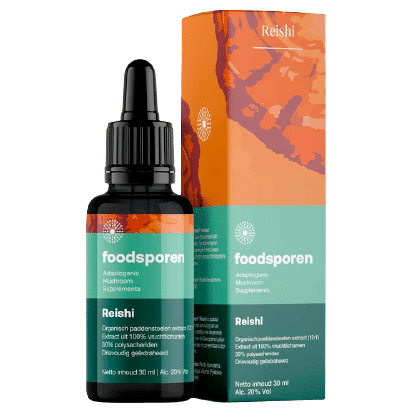
30ml, 50ml, 100ml | Liquid | Vitamin B6, Reishi | The Netherlands
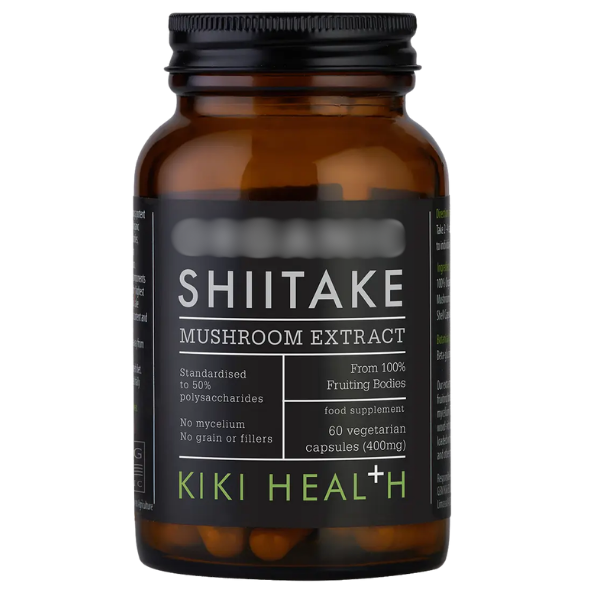
60 capsules | Capsules | Shiitake | United Kingdom

40 capsules | Capsules | Reishi | United States of America
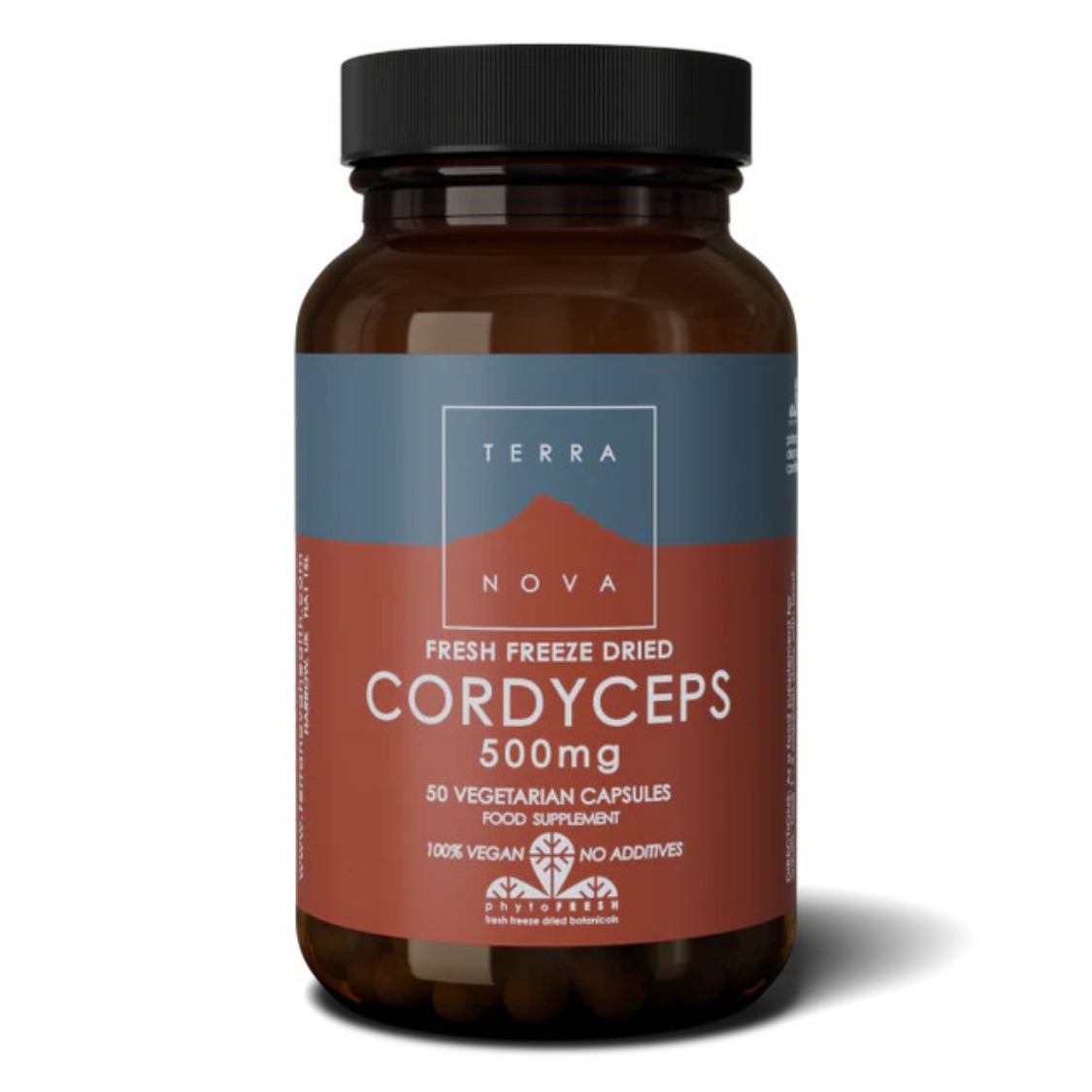
50 capsules | Capsules | Cordyceps | United Kingdom