
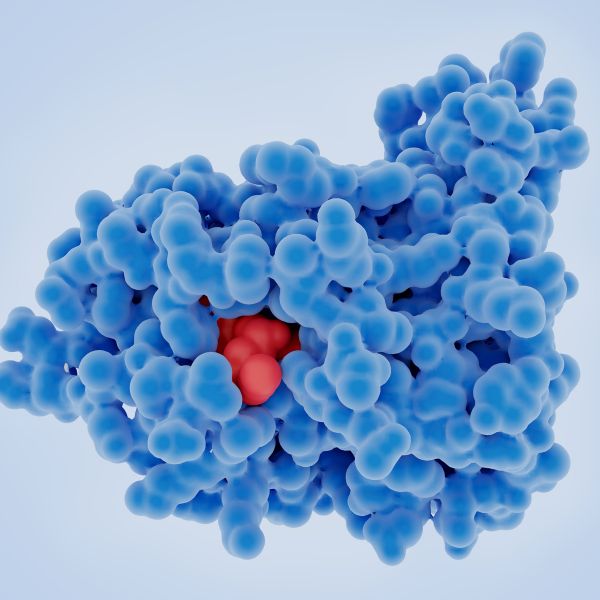
Enzymes
Are you looking for an enzyme supplement? Enzymes are proteins that occur naturally in the body and are involved in many biochemical processes. On this page, you can read more about what enzymes are, the role they play and what an enzyme deficiency means.
By Stefan, last updated 16-10-2025
Contents
- Our favourite enzyme supplements
- What are enzymes?
- What do enzymes do?
- Symptoms of enzyme deficiency
- Digestive enzymes
- Sources
Our favourite enzyme supplements
- Digestive Enzymes with Probiotic (capsules) by Terranova
- Digest Gold + Probiotics (capsules) by Enzymedica
- Ultimate Enzymes (capsules) by Global Healing
What are enzymes?
Enzymes are proteins that act as biological catalysts: they speed up chemical reactions in the body without being used up themselves. Without enzymes, many processes, such as food digestion or energy production, would take place much more slowly. (source)
Thousands of enzymes have been identified, each with a specific task. The Enzyme Commission (EC) classifies them into six main groups, including hydrolases (which break down compounds) and oxidoreductases (which facilitate oxidation and reduction reactions). (source)
What do enzymes do?
Enzymes play a major role in digestion. Enzymes such as amylase, lipase and protease break down carbohydrates, fats and proteins into smaller building blocks, which can then be absorbed by the body. (source) & (source)
Enzymes are also used in medicine, for example in enzyme replacement therapy (ERT) for metabolic disorders such as Fabry disease. (source) This shows that enzymes are important for everyday digestion and can also play an important role in clinical care.
Symptoms of enzyme deficiency
A deficiency in certain enzymes may be linked in the Literatuur to problems with nutrient digestion. Lactase, for example, is an enzyme involved in breaking down lactose (milk sugar). When this enzyme is less active, dairy products may be harder to digest. It is also known that the production of pancreatic enzymes can be reduced in certain medical conditions, such as cystic fibrosis or chronic pancreatitis. (source) & (source)
Digestive enzymes
The term digestive enzymes refers to enzymes involved in digestion. These enzymes are produced naturally by the body, mainly in the pancreas and small intestine. They break down complex nutrients into smaller building blocks:
- Amylase → converts starch into sugars.
- Lipase → splits fats into fatty acids and glycerol.
- Protease → breaks down proteins into Aminozuren.
Alongside enzymes produced within the body, there are also plant-derived enzymes such as Bromelain (from pineapple) or papain (from papaya), which are described in research for their ability to break down certain nutrients. (source)
Sources
- The Classification and Evolution of Enzyme Function
- Human Pancreatic Digestive Enzymes
- Digestive enzymes of human and nonhuman primates
- The role of enzyme supplementation in digestive disorders
- Digestive Enzyme Supplementation in Gastrointestinal Diseases
- Consequences of a global enzyme shortage of agalsidase beta in adult Dutch Fabry patients
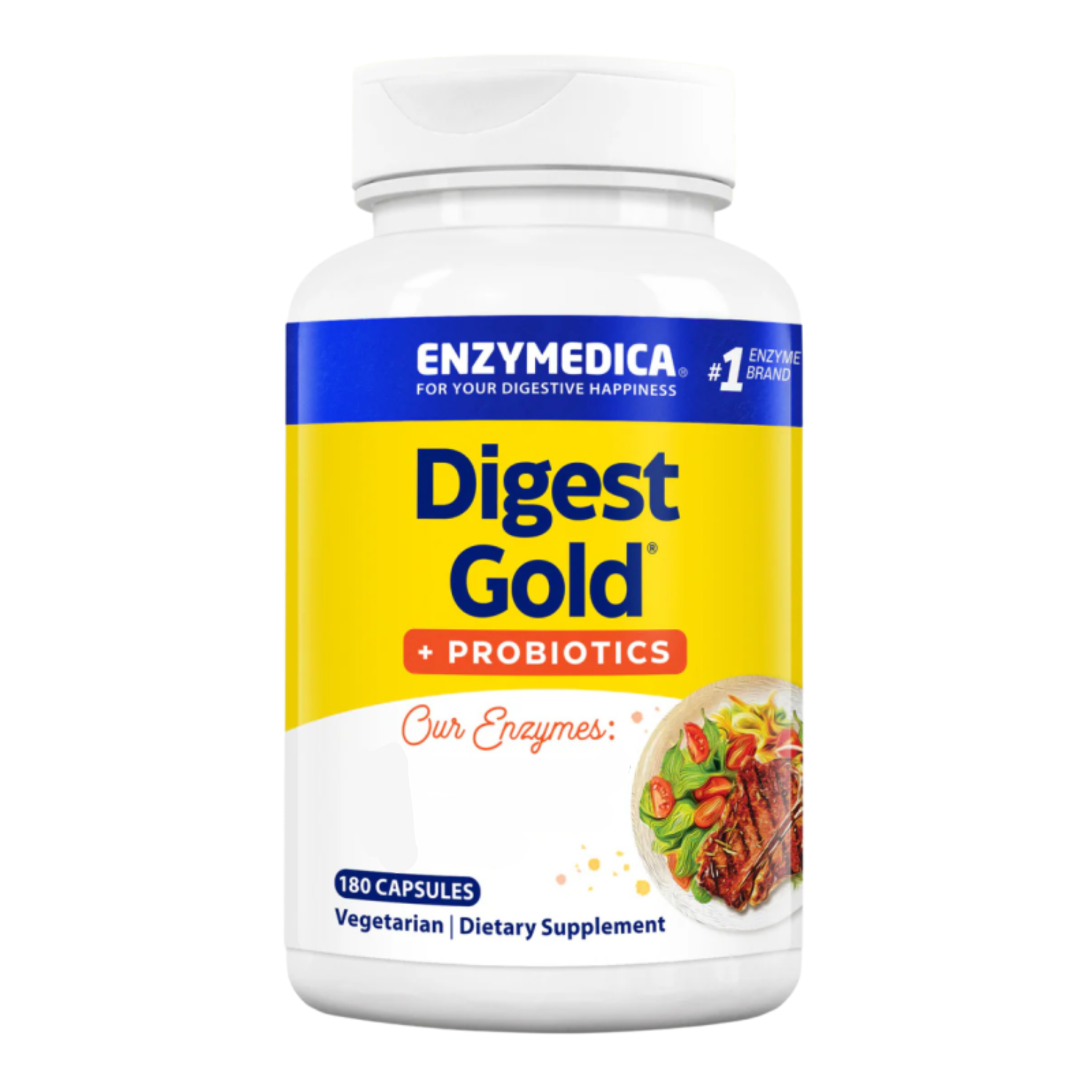
90 capsules, 180 capsules, 45 capsules | Capsules | United States of America
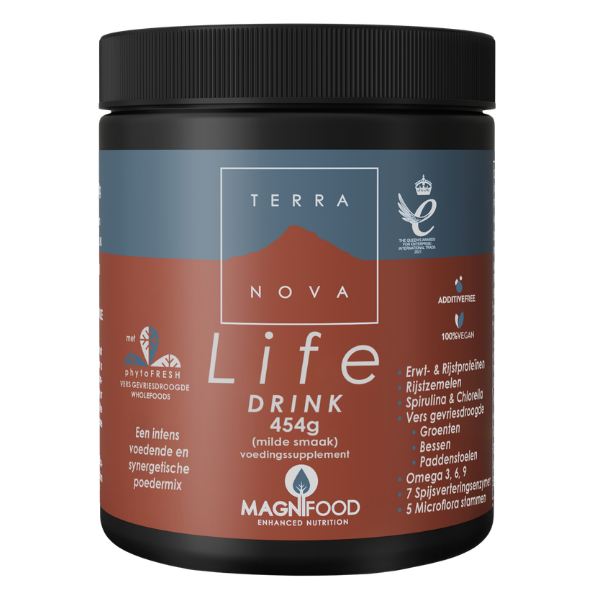
454 grams, 227 grams | Powder | United Kingdom

84 capsules | Capsules | Vitamin B1, Turmeric, Dandelion, Artichoke | United States of America