

Chinese Herbs
Traditional Chinese Medicine (TCM) is all about balance, both between body and mind and between people and nature. Chinese herbs are a quiet strength within this tradition: natural allies that have been used for thousands of years to support vitality. At Morgen is Nu, we combine this ancient wisdom with modern standards of care, so you can trust in herbs that are both traditional and high-quality.
By Stefan, last updated: 26-09-2025.
Contents
- Our favourite Chinese herbs
- What are Chinese herbs?
- The history and philosophy of Chinese herbs
- How are Chinese herbs used?
- Well-known Chinese herbs and their uses
- What should you bear in mind when using Chinese herbs?
- Sources
Our favourite Chinese herbs
- Pearl Powder (Caps) by Dragon Herbs
- He Shou Wu (Caps) by Dragon Herbs
- Ginseng Vitality (liquid) by MaryRuth’s
What are Chinese herbs?
Chinese herbs form the foundation of Traditional Chinese Medicine. They consist of plant roots, leaves, berries, seeds and bark that are carefully selected and combined. Thousands of herbs have been documented in China, hundreds of which are regularly used in practice. (source)
These herbs are known for their wealth of bioactive compounds, such as flavonoids, saponins, polysaccharides and essential amino acids. This means they can play a broad role in nutrition, supplements and wellbeing.
The history and philosophy of Chinese herbs
The use of herbs in China dates back more than 2000 years and is closely linked to the philosophy of Yin and Yang and the balance of Qi (life energy). (source) Herbs were systematically documented in early classical texts, such as the Shennong Ben Cao Jing.
The philosophy behind Chinese herbs is holistic: herbs are chosen to address specific complaints, but above all to support the body as a whole and bring it into balance.
How are Chinese herbs used?
Chinese herbs are used in various ways:
- Individual herbs, as teas or powders made from ginseng or astragalus, for example.
- Herbal formulas: blends in which several herbs complement each other's effects.
- Modern supplements: capsules, extracts or tinctures developed to meet today's quality standards.
This reflects the tradition in which herbs were never used in isolation, but always in combination, so that their properties were balanced. (source)
Well-known Chinese herbs and their uses
Astragalus (Huang Qi)
Astragalus membranaceus is one of the most widely used herbs in TCM. It contains more than 100 active compounds, including flavonoids, saponins and polysaccharides. (source)
Ginseng (Panax ginseng & Eleuthero)
Panax ginseng is one of the best-known herbs worldwide. It contains unique ginsenosides that play a role in various physiological processes. (source) Eleuthero ginseng (Siberian ginseng) is also often used in adaptogenic formulas.
Ginkgo Biloba
The leaves of the ginkgo tree have been used for centuries. Ginkgo Biloba is an herb widely used in modern supplements and has been extensively studied in scientific research.
Goji berries (Lycium barbarum)
Goji is rich in vitamins, minerals and antioxidants, which is why it is often called a superfruit. (source) Goji berries have been part of Chinese cooking and TCM for centuries.
He Shou Wu (Fo-Ti)
He Shou Wu, also known as Fo-Ti, is a root traditionally used in herbal preparations. Please note: different varieties exist, and there can be confusion with commercial products such as “Fo-ti Tieng”, which have a different composition. (source)
Liquorice (Licorice Root)
Licorice Root, or liquorice, is an herb known worldwide. In TCM, it is often used in formulas to harmonise the other herbs.
What should you bear in mind when using Chinese herbs?
Although Chinese herbs have been used safely for centuries, there are a few things to bear in mind:
- Quality & purity: always choose herbs from a reliable source and a controlled production process.
- Dosage: follow the recommended amounts and avoid taking high doses of herbs for longer than necessary.
- Interactions: some herbs can interact with medicines.
- Safety: scientific research highlights the importance of quality control and correct use. (source)
Not sure whether a particular herb is right for you? Please feel free to contact us!
Sources

60ml | Liquid | Siberian ginseng | United States of America
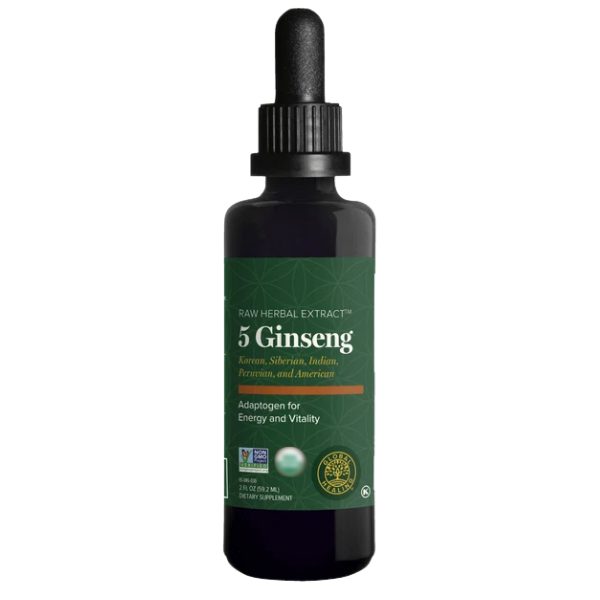
60ml | Liquid | Siberian ginseng, Ashwagandha, Maca, Ginseng | United States of America


30ml | Liquid | Licorice | United States of America

30ml | Liquid | Ginkgo Biloba | United States of America

100 capsules | Capsules | Gynostemma | United States of America
Blog about Chinese Herbs
At Morgen is Nu, we are delighted to share our passion for Dragon Herbs products with you. As the largest supplier of these high-quality herbal supplements in the Netherlands and our neighbouring countries, we have developed a deep appreciation for the exceptional quality and effectiveness of Dragon Herbs. Founded by Ron Teeguarden, a renowned herbalist in America, Dragon Herbs is synonymous with expertise and dedication to natural medicine. Ron Teeguarden's philosophy, 'it is better to support wellbeing than to become ill and have to take steps to recover', resonates strongly with our ethos of preventive care and holistic wellbeing. Dragon Herbs, with its extensive range of herbal supplements, including the iconic Dragon Drops, embodies this philosophy of healthy living.
In this blog, we take a closer look at the world of Dragon Drops, focusing on their unique production process and outstanding quality. Compared with 'ordinary' tinctures, Dragon Drops are made in an entirely different way, using a careful extraction method that results in a superior concentration of active compounds. Discover how Dragon Drops are revolutionising the world of herbal supplements and how they have become an affordable option for anyone seeking better health and wellbeing.
