
Echinacea
Looking for a natural supplement with echinacea? This plant, also known as coneflower or purple coneflower, has been used for centuries. Curious about what echinacea is, the different species and what scientific research tells us about this plant? Read on to find out.
By Lisanne, last updated: 06-06-2025.
Contents
- Our favourite Echinacea supplements
- What is Echinacea (coneflower)?
- The different Echinacea species explained
- Echinacea purpurea
- What does research say about Echinacea and what is it used for?
- Sources
Our favourite Echinacea supplements
- Echinacea Root (Zonnehoed) by Nature’s Answer
- Echinacea Supreme by Gaia Herbs
- Elderberry & Echinacea (Bio) by Global Healing
What is Echinacea (coneflower)?
Echinacea is a genus of flowering plants in the daisy family (Asteraceae), native to North America. The best-known species is echinacea purpurea, also known as purple coneflower. Its flowers stand out for their purple petals and spiky, orange-brown central cone, hence the name “Echinacea purple coneflower”.
Echinacea has been used in traditional herbal medicine for centuries. Historically, Indigenous peoples of North America used the plant widely to support general immune health and vitality. Today, Echinacea is still valued for its natural origins and versatile uses.
The different Echinacea species explained
There are several species within the echinacea genus, each with its own characteristics. The three best known are:
- Echinacea purpurea: the most extensively researched species, with a wide range of uses and striking purple flowers.
- Echinacea angustifolia: a variety with narrower leaves and a higher concentration of compounds in the roots.
- Echinacea pallida: recognisable by its narrow, drooping petals and softer colouring.
Echinacea flowers may steal the show, but the real strength often lies in the roots, leaves and above-ground parts.
Echinacea purpurea
Echinacea purpurea is by far the best-known species and features in many scientific publications because of its composition and popularity. The plant contains a mix of bioactive compounds, including:
- Alkamides: fat-like compounds that have attracted attention in studies for their possible active role in the body.
- Polysaccharides: sugars that occur naturally in the plant and are traditionally valued.
- Chicoric acid: a phenolic compound found in various plants, including echinacea.
What does research say about Echinacea and what is it used for?
Echinacea purpurea has been extensively researched. The focus is mainly on the plant’s constituents, such as alkamides, polysaccharides and chicoric acid, and their role within the herb’s natural composition.
The following health claims have been approved for Echinacea purpurea:
- Echinacea contributes to the normal function of the immune system*
- Echinacea contributes to the normal function of the respiratory tract*
Sources

30ml | Liquid | Echinacea | United States of America

60 capsules | Capsules | Echinacea | United States of America

30ml, 60ml | Liquid | Echinacea | United States of America


60 capsules | Capsules | Echinacea | United States of America

60ml | Liquid | Echinacea, Elderberry | United States of America
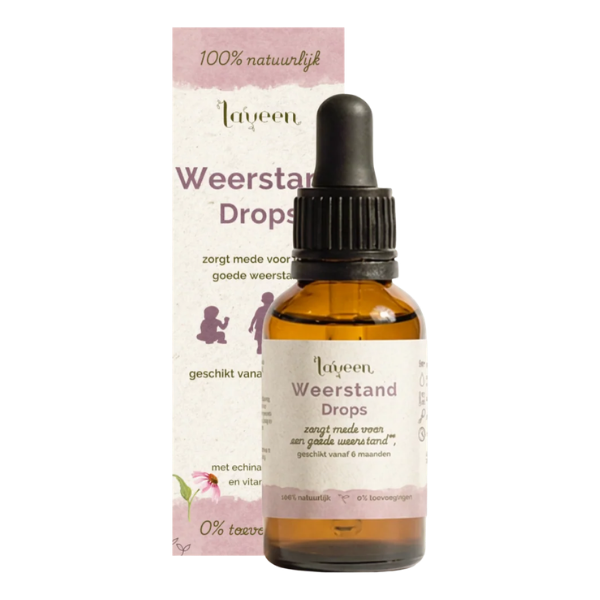
30ml | Liquid | Echinacea, Vitamin C, Zinc, Rosehip | Calcium ascorbate | Germany
"I’ve recommended them to many people I know
Natural, high-quality products, always delivered quickly. I’ve recommended them to many people I know."
- Adam
Date of experience: 06 June 2025
View all reviews
About Morgen is Nu - Holistic health shop
At Morgen is Nu, we work every day to support your health. Guided by a unique vision and years of experience, we select only the purest, highest-quality products. We believe in a holistic approach that puts physical, inner and outer balance at its heart.
Telephone: 0341 - 422 850
Our mission is to help people choose their health products with the right information
Echinacea has been used for centuries for its supportive properties. The following health claims have been officially approved:
Supports the normal function of the immune system*
Contributes to the maintenance of healthy airways*
Echinacea is often taken as a course or for short periods, for example during seasonal changes or when there is an increased need for support. Less research is available on long-term daily use. It is therefore advisable to tailor your use of Echinacea to your personal circumstances and consult a professional if in doubt.
Yes, “coneflower” is the common name for the Echinacea plant. The best-known species is Echinacea purpurea, also known as purple coneflower. Other species, such as Echinacea angustifolia and Echinacea pallida, also have the characteristic cone-shaped flowers, but differ slightly in appearance and composition.
Echinacea (coneflower) is generally considered safe when used as directed. The plant has been used traditionally for centuries. However, some people may experience hypersensitivity reactions, particularly those with a known allergy to plants in the daisy family (Asteraceae), such as ragweed or chamomile. If in doubt, always consult a qualified professional or doctor, especially if you have an existing health condition or take medication.
Most health claims currently relate to vitamins, minerals and fatty acids. Discussions about herbs and botanicals have been ongoing for years. Various on-hold claims have been submitted for these. They are currently awaiting authorisation by the European Commission. These claims may therefore currently only be used if there is scientific evidence to support the health effect.
Herbs can have an effect on the body and may, in some cases, interact with medication or other food supplements.
You are responsible for your own use and combination of herbal supplements. Consult a doctor or pharmacist if you take medication or have health concerns. The use of herbs during pregnancy or breastfeeding is generally not recommended due to insufficient evidence of their safety. If you want to take several herbal supplements at the same time and are unsure, consult a healthcare professional.