
MSM
Looking to buy MSM? MSM, or methylsulfonylmethane, is a naturally occurring sulphur compound. At Morgen is Nu, you will find only high-quality MSM supplements, carefully selected for their quality and formulation. Find out exactly what MSM is and why it attracts so much attention.
By Stefan, last updated: 22-07-2025.
Contents
- Our favourite MSM supplements
- What is MSM?
- What MSM contains
- Glucosamine & MSM
- MSM side effects
- Sources
Our favourite MSM supplements
- Liposomale MSM en Boswellia by Morgen is Nu
- MSM Flakes by KIKI Health
- Glucosamine Boswellia & MSM Complex by Terranova
What is MSM?
MSM stands for methylsulfonylmethane, a natural sulphur compound also known as dimethyl sulfone or organic sulphur. MSM occurs naturally in small amounts in foods and drinks such as vegetables, fruit, grains, milk, coffee and tea. (source) As these amounts are limited, MSM is often taken as a food supplement.
At Morgen is Nu, our range includes supplements containing OptiMSM®. This is a form of MSM known for its exceptional purity and quality. OptiMSM® is produced using a patented multiple-distillation process that effectively removes impurities and ensures a consistent, high-quality end product. It is also the only MSM with official GRAS status (“Generally Recognized As Safe”). (source)
What MSM contains
MSM is a simple compound with just four atoms: carbon, hydrogen, oxygen and sulphur. It is this sulphur component that makes MSM distinctive. Sulphur is naturally present in the human body and is involved in, among other things, the structure of proteins such as keratin and collagen.
Although much research into the precise role of MSM is still ongoing, laboratory studies are investigating it for, among other things, its positive effects in our bodies. Research has also shown that MSM is well absorbed and widely distributed throughout the body. (source)
Glucosamine & MSM
MSM is regularly combined with glucosamine in a single supplement. This is a common combination, valued for the way the two substances complement each other in composition and use. Glucosamine is a building block naturally present in the body, while MSM is an organic sulphur compound. Together, they are often included in formulas designed for specific needs of the body.
Although the exact role of this combination in the body is still being researched, it remains a popular pairing in food supplements. (source) At Morgen is Nu, you will therefore also find supplements that carefully combine these ingredients, always with attention to quality and purity.
MSM side effects
MSM is generally well tolerated. In studies involving healthy participants, MSM supplements at doses of up to 4 grams per day were assessed as safe. (source) Mild side effects, such as minor stomach complaints or skin reactions, have only rarely been reported.
As with any supplement, always use common sense. Choose a product from a trustworthy source and consult a qualified professional if you are unsure, especially if you take medication or have health problems. MSM is sold as a food supplement in the Netherlands and may only be recommended within the applicable laws and regulations.
Sources
- Methylsulfonylmethane: Applications and Safety of a Novel Dietary Supplement: MDPI
- Efficacy of glucosamine, chondroitin, and methylsulfonylmethane: PMC
- Effect of chronic supplementation with MSM on oxidative stress: OUP
- Effects of MSM on Skin Health and Wrinkle Reduction: Natural Medicine Journal

120 grams | Powder | Magnesium | United States of America
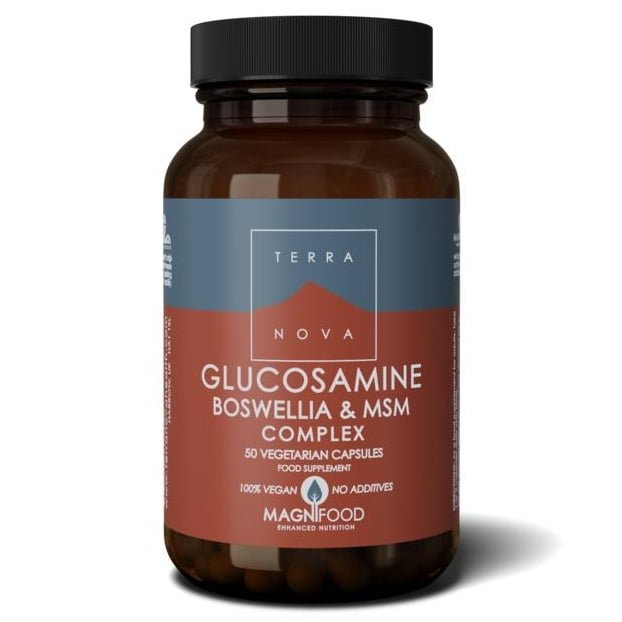
100 capsules, 50 capsules | Capsules | Vitamin C, Selenium, Manganese, Molybdenum, Boswellia | United Kingdom
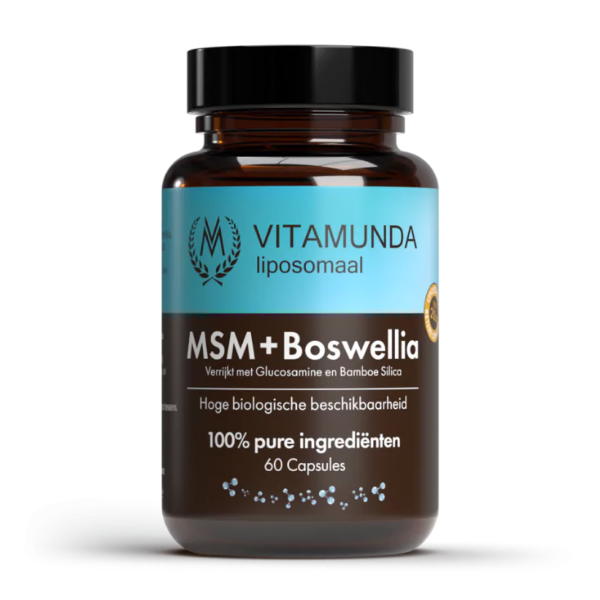
60 capsules | Capsules | Boswellia, Bamboe Silica | Netherlands

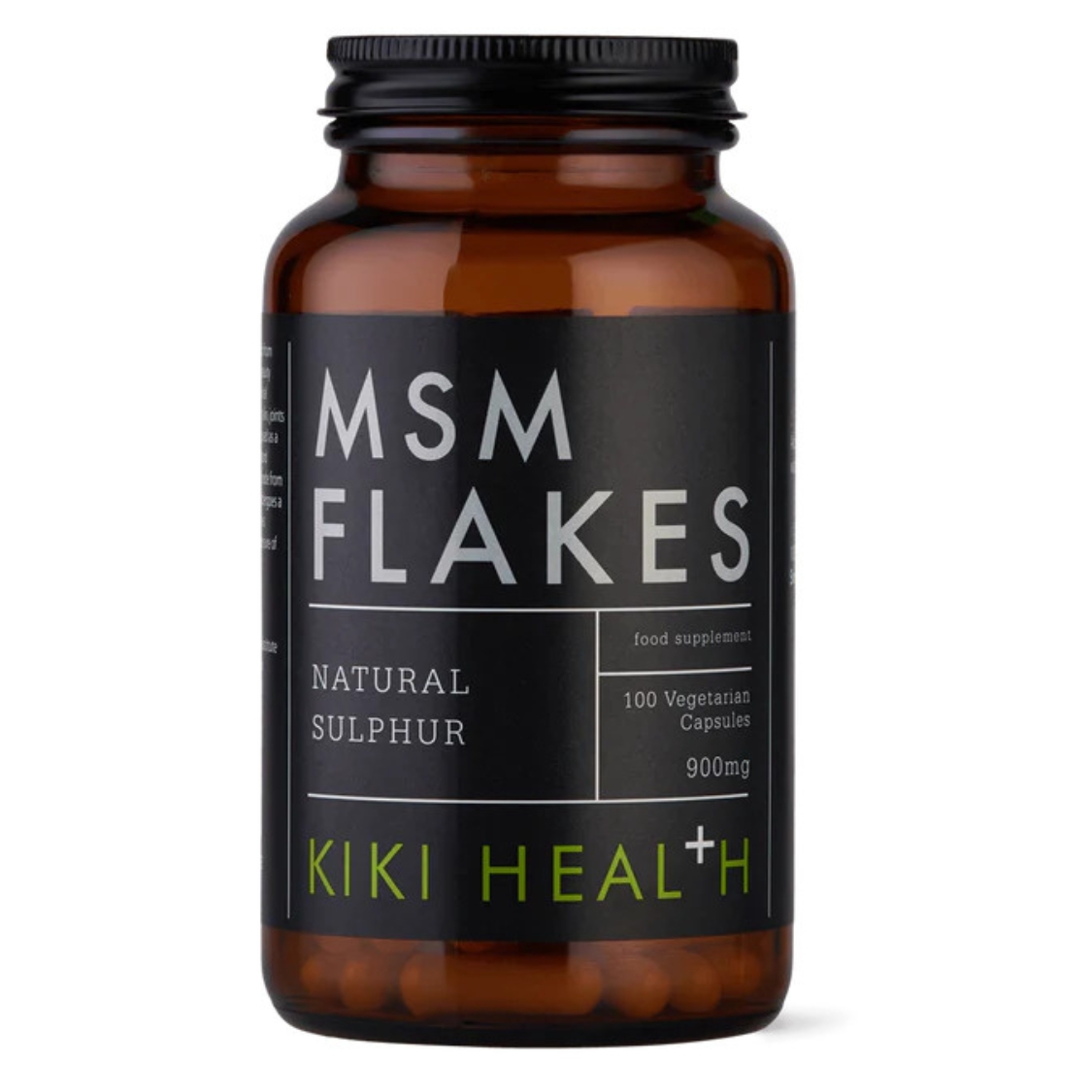
100 capsules | Capsules | Methylsulfonylmethane | United States of America
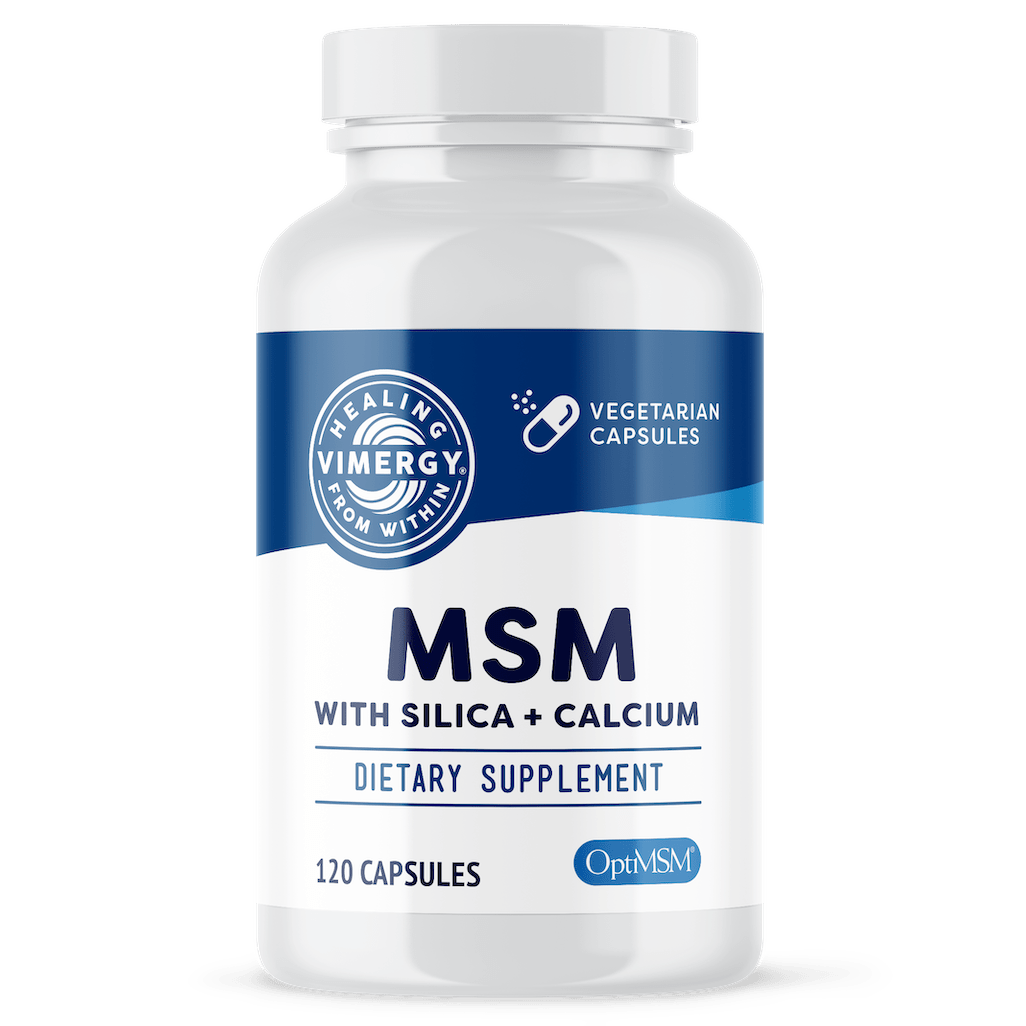
120 capsules | Capsules | Bamboe Silica | United States of America
Our mission is to help people choose their health products with the right information
MSM (methylsulfonylmethane) is an organic sulphur compound that occurs naturally in small amounts in food and in the human body. Sulphur is a structural component of certain substances found naturally in the body, such as amino acids and proteins. MSM is absorbed into the body and distributed through the blood.
MSM is a widely used substance that has been studied for decades. Scientific publications describe various uses of MSM, although there is not yet a full scientific consensus on its effectiveness for specific purposes. For anyone looking for a pure source of sulphur without unnecessary additives, MSM may be worth considering. It is important to choose a reliable, high-quality product, such as supplements containing OptiMSM®.
MSM is generally well tolerated in studies, including when taken over longer periods. In scientific studies, MSM supplements have been taken at doses of up to 4 grams per day for several weeks or months without significant side effects. There is currently no legal limit on how long it can be taken. If you are unsure or plan to take it long term, it is always wise to consult a doctor or qualified health professional.
MSM is well absorbed by the body and also reaches the digestive tract after you take it. In scientific studies, MSM has generally been well tolerated, including by the digestive system. Mild stomach symptoms or discomfort have only rarely been reported. Everyone responds differently, so always pay attention to how your body feels. If you are unsure or plan to use it long term, it is always sensible to consult a doctor or healthcare professional.
No, MSM and magnesium are two completely different substances. MSM is a sulphur compound, while magnesium is a mineral. Each has its own properties, structure and role in the body. They are therefore sold as separate supplements and serve different purposes.
- Fat-soluble vitamins (A, D, E, K): Take with a meal containing fat.
- Water-soluble vitamins (C, B-complex): Can be taken at any time of day. B12 is best absorbed on an empty stomach.
When combining supplements, it is important to follow the recommended daily dose for each product and avoid an excessive total intake of certain vitamins or minerals.
Everyone responds differently to supplements. Interactions between different food supplements are also possible. You use and combine supplements at your own responsibility. If you are unsure about combining different food supplements, we recommend consulting a professional.
Pay attention to how your body responds when taking supplements, and consult a doctor or pharmacist if you are taking medication, are pregnant or breastfeeding, or have a medical condition.