

Calcium
Would you like to know more about calcium and what this mineral can do for your body? Calcium is an essential mineral that plays an important role in our bodies, from bones to muscles and nerves. On this page, you can read more about calcium in food, a possible deficiency and the role of supplements, such as natural calcium tablets.
By Lisanne, last updated: 14-05-2025
Contents
- Our best-selling calcium products
- What is calcium?
- What is calcium good for?
- Which foods contain calcium? Foods naturally high in calcium
- Calcium deficiency: what are the possible causes and symptoms?
- What does research say about calcium?
- Sources
Our best-selling calcium products
- Liposomale Calcium by Morgen is Nu
- Calcium Magnesium Malate by Thorne
- Okinawa Mineralen by The Health Factory
What is calcium?
Calcium is a mineral that occurs naturally in our bodies. The vast majority (over 99%) is found in our bones and teeth, but it also plays a role in muscle and nerve function and energy metabolism, among other things.
Our bodies cannot produce calcium themselves. A balanced diet forms the foundation, but in some situations, supplementation with calcium tablets, for example, may be considered. The recommended daily intake of calcium varies according to age and circumstances, but for adults it is generally around 1,000 milligrams per day.
What is calcium good for?
The body uses calcium in several ways. A number of calcium's effects are recognised. Calcium contributes to:
- Normal blood clotting
- The maintenance of normal bones
- Normal muscle function
- The function of digestive enzymes
- Normal neurotransmission
- Normal cell division and differentiation
- The maintenance of strong teeth
- Normal energy-yielding metabolism
Which foods contain calcium? Foods naturally high in calcium
Calcium is found in both animal and plant-based foods. The best-known source is dairy: milk, cheese and yoghurt are naturally high in calcium. But you can also maintain your calcium intake without dairy. Sources include:
- Green leafy vegetables (such as kale and broccoli)
- Pulses
- Nuts (especially almonds)
- Seeds (such as chia seeds and sesame seeds)
- Fortified plant-based milk (such as soya or almond milk with added calcium)
Bear in mind that calcium absorption varies between foods. Some plant-based foods contain oxalates or phytates, which can reduce absorption.
Calcium deficiency: what are the possible causes and symptoms?
A calcium deficiency usually develops gradually and is relatively common in certain groups, such as older people, vegans, people with digestive problems, or those with an increased need for calcium, for example during pregnancy or breastfeeding.
The causes of a calcium deficiency can vary: they may include an insufficient dietary intake, impaired calcium absorption in the intestines, or increased losses through urine or sweat.
The symptoms of a calcium deficiency can be subtle at first, but may become more noticeable over time. Common symptoms include muscle cramps or twitching, tingling in the hands or feet, fatigue and, in the longer term, reduced bone density. Brittle nails are also often mentioned as a possible sign of calcium deficiency. If you are unsure or have persistent symptoms, it is best to seek medical advice.
What does research say about calcium?
Calcium is one of the most extensively studied minerals, particularly because of its role in bone health. Research suggests that calcium may play a supportive role in maintaining strong bones, but also shows that its effects are linked to other nutrients, such as vitamin D and magnesium. (source)
High doses of calcium may pose risks to the cardiovascular system, depending on the context and the individual's health. (source)
Research shows that absorption varies considerably between calcium compounds; forms such as calcium citrate or calcium bisglycinate are better absorbed, particularly in people with lower stomach acid production. (source)
The Literatuur emphasises the importance of a good balance: both too little and too much calcium can have unwanted effects. (source)
Sources

120 capsules | Capsules | Calcium, Vitamin D | Natural source, Cholecalciferol | Germany

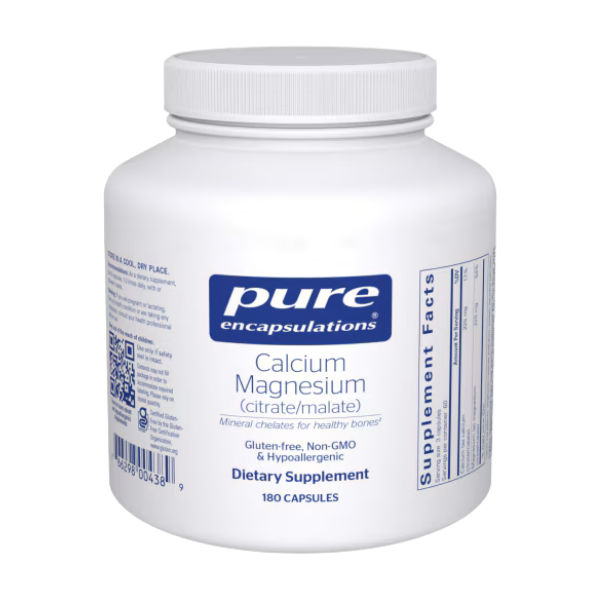
180 capsules | Capsules | Calcium, Magnesium | Citrate, Malate | United States of America


150 grams | Powder | Calcium, Vitamin C, Magnesium | Citrate, Oxide, L-ascorbic acid, Carbonate | United Kingdom

100 grams | Powder | Calcium, Vitamin C, Magnesium | Citrate, Oxide, L-ascorbic acid, Carbonate | The Netherlands

90 capsules | Capsules | Calcium, Vitamin D | Natural source, Cholecalciferol | The Netherlands

50ml | Liquid | Calcium | Ionic, Chloride | United Kingdom

60 capsules | Capsules | Calcium | Citrate | The Netherlands

100 capsules, 50 capsules | Capsules | Calcium, Magnesium | Citrate, Oxide | United Kingdom

100 grams, 50 grams | Powder | Calcium, Magnesium | Natural source | The Netherlands
"I've always been happy so far with both the products and the fast delivery."
- kristel
Date of experience: 17 April 2025
View all reviews
About Morgen is Nu - Holistic health shop
At Morgen is Nu, we work every day to support your health. Guided by a unique vision and years of experience, we select only the purest, highest-quality products. We believe in a holistic approach that puts physical, inner and outer balance at its heart.
Telephone: 0341 – 422 850
Our mission is that people with the correct information choose their health products
Calcium occurs naturally in many foods. Dairy products such as milk, cheese and yoghurt are well-known sources, but green leafy vegetables (such as kale and broccoli), nuts (especially almonds), seeds (such as chia seeds and sesame seeds) and pulses also contain calcium. Calcium is also often added to plant-based milk alternatives, such as soya or almond milk.
Calcium tablets are safe for most people when used as directed. However, it is important not to exceed the recommended daily amount. Too much calcium can put a strain on the body over time, particularly if you have certain medical conditions. Unsure whether a supplement is right for you? Consult a doctor or nutritionist.
A calcium deficiency usually develops gradually. It is relatively more common in older people, vegans, people with digestive problems or those with an increased need for calcium, such as during pregnancy or breastfeeding. Symptoms may include muscle cramps, tingling, brittle nails, tiredness or, over time, reduced bone density.
Consistently taking too much calcium can lead to symptoms such as constipation, abdominal pain or, in rare cases, elevated calcium levels in the blood. This can put strain on the kidneys. You should therefore follow the recommended amounts, especially if you already monitor your calcium intake or use other supplements.
Fruit generally contains less calcium than dairy products or vegetables, but there are exceptions. Dried figs and oranges contain relatively high amounts of calcium compared with other fruit. Blackcurrants and gooseberries also provide a small amount. For those following a plant-based diet, fruit can be an additional source of calcium, but is usually not the main source.
Eggs contain a small amount of calcium, but are not a rich source. Most of the calcium is in the shell, which is not usually eaten. For calcium in your diet, other sources such as dairy products, green vegetables or nuts are a better choice.
You can increase your calcium intake by choosing foods that are naturally rich in calcium, such as dairy products, green vegetables, nuts and pulses. Fortified products such as plant-based milk can also help. A calcium supplement may be considered to complement your diet, particularly if your needs are higher or absorption is reduced. Always choose a form that suits your body and circumstances.
- Fat-soluble vitamins (A, D, E, K): Take with a meal containing fat.
- Water-soluble vitamins (C, B-complex): Can be taken at any time of the day. B12 is best absorbed on an empty stomach.
When combining supplements, it is important to follow the recommended daily dose for each product and avoid an excessive total intake of certain vitamins or minerals.
Everyone responds differently to supplements. Interactions between different food supplements are also possible. You use and combine supplements at your own responsibility. If you are unsure about combining different food supplements, we recommend consulting a professional.
Pay attention to how your body responds when taking supplements, and consult a doctor or pharmacist if you are taking medication, are pregnant or breastfeeding, or have a medical condition.