
Milk Thistle
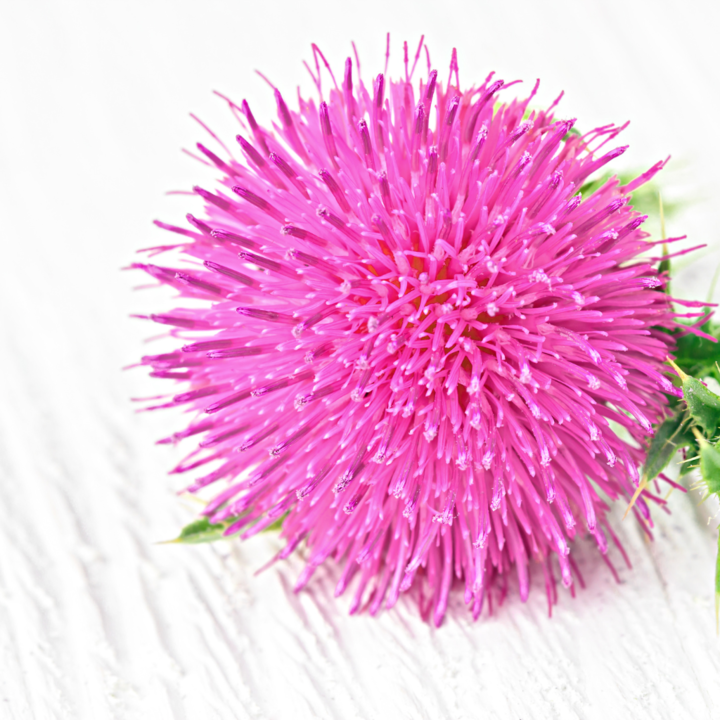
Milk thistle is a plant with a rich history and a striking appearance. Its bright purple flowers and marbled, spiny leaves make this thistle a real eye-catcher. But it is the potent compounds in its seeds that draw particular attention from users and scientists. Curious about what makes this plant so distinctive? Find out all about milk thistle here.
By Stefan, last updated: 04-06-2025.
Contents
- Our favourite milk thistle supplements
- What is milk thistle?
- The history and origins of milk thistle
- The potent compounds in milk thistle
- The benefits of milk thistle
- Sources
Our favourite milk thistle supplements
- Milk Thistle Seed (Mariadistel) by Nature’s Answer
- Milk Thistle Seed Caps by Gaia Herbs
- Milk Thistle 20:1 by Vimergy
What is milk thistle?
Milk thistle (Silybum marianum) is a thistle-like plant that grows mainly in the Mediterranean region. The plant can reach up to two metres in height and produces striking purple flower heads in summer. Its leaves are spiny with distinctive white markings. According to legend, these markings came from drops of Mary's milk. These are said to have fallen onto the leaves as she fled Herod with the newborn Jesus, taking refuge in Egypt and hiding him beneath the leaves of a thistle. This explains the Dutch name Mariadistel, meaning Mary's thistle.
Mariadistel is known in English as milk thistle. The plant belongs to the daisy family (Asteraceae) and has been used in various traditions for thousands of years, particularly for its seeds. (source)
The history and origins of milk thistle
Milk thistle has been praised since antiquity in the writings of Greek and Roman thinkers, including Pliny the Elder. (source) The plant was used in herbal medicine and as a food. Its young leaves and stems were eaten, while the seeds were roasted or prepared as a coffee substitute.
Milk thistle was also known at the time as a “protective herb”. Interestingly, humans were not the only ones to use the plant; animals also seem instinctively drawn to it. Some animals that eat the plant appear to be protected against toxins, such as those found in mushrooms.
The potent compounds in milk thistle
The main compounds in milk thistle are found in its seeds. These contain a group of plant compounds collectively known as silymarin. This group consists mainly of:
- Silybin
- Silydianin
- Silychristin
(source)
These three flavonolignans are considered the plant's main active constituents. Silymarin compounds are naturally poorly soluble in water, which means milk thistle tea often contains little active substance. (source) For this reason, high-quality extracts are usually preferred.
Alongside silymarin, milk thistle also contains antioxidants such as quercetin, vitamin E and selenium, depending on soil conditions and processing.
The benefits of milk thistle
Milk thistle has several health benefits:
- Milk thistle contributes to the liver's cleansing action*
- Milk thistle contributes to normal liver and bile function*
- Milk thistle contributes to normal liver function*
*Health claims awaiting European approval
Sources
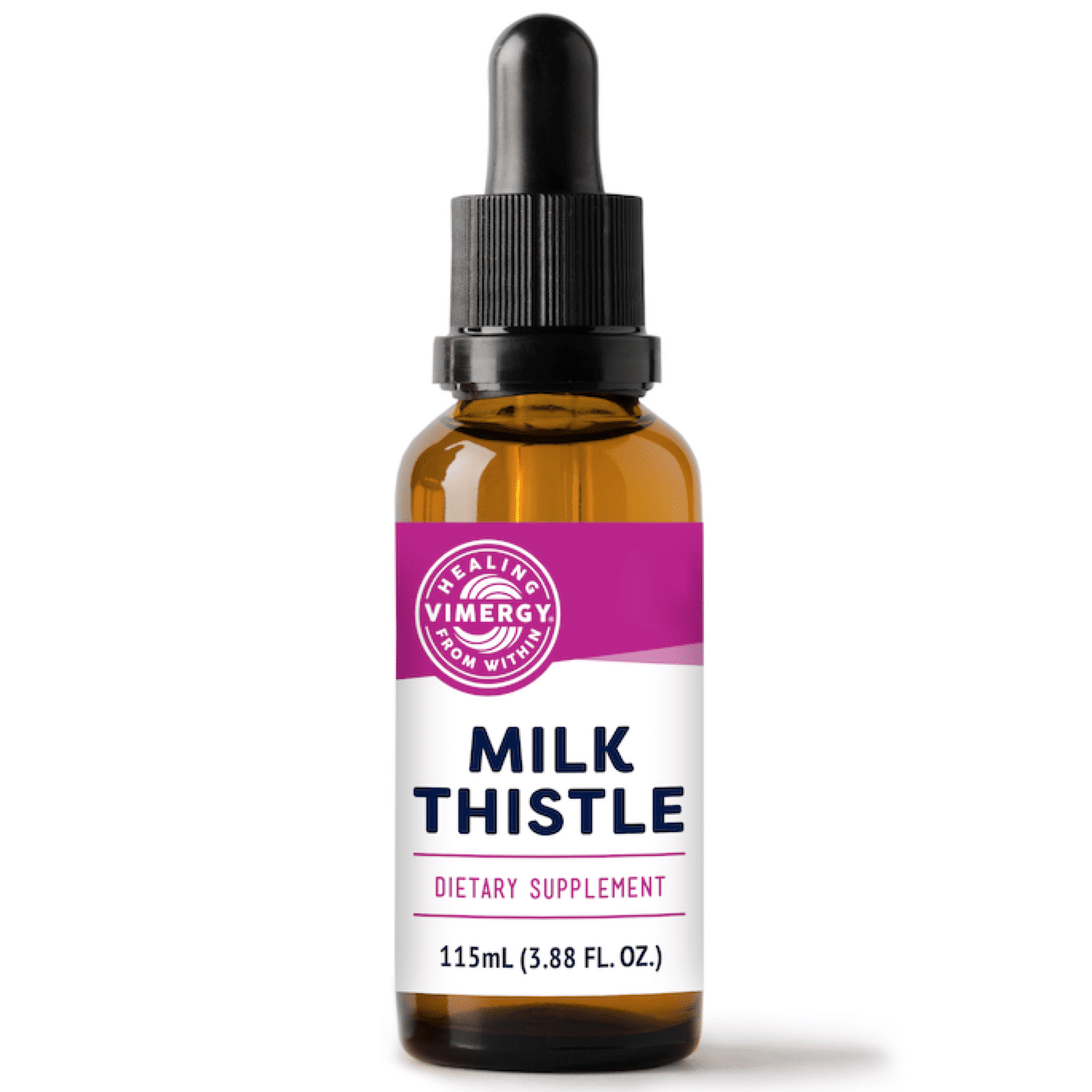
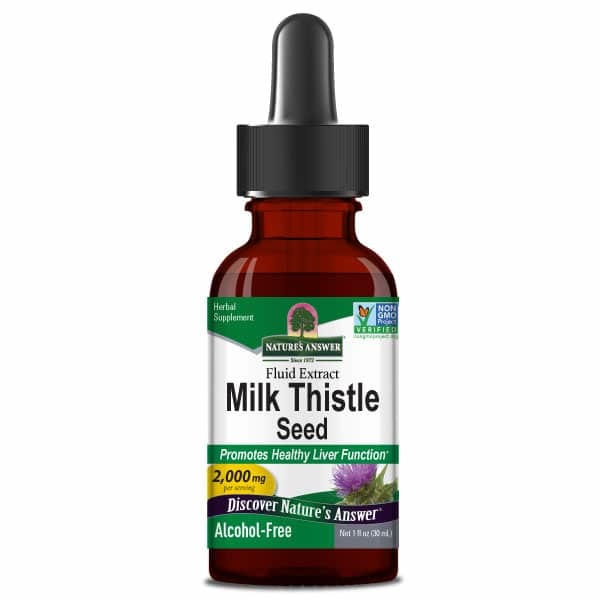
30ml, 60ml | Liquid | Milk thistle | United States of America
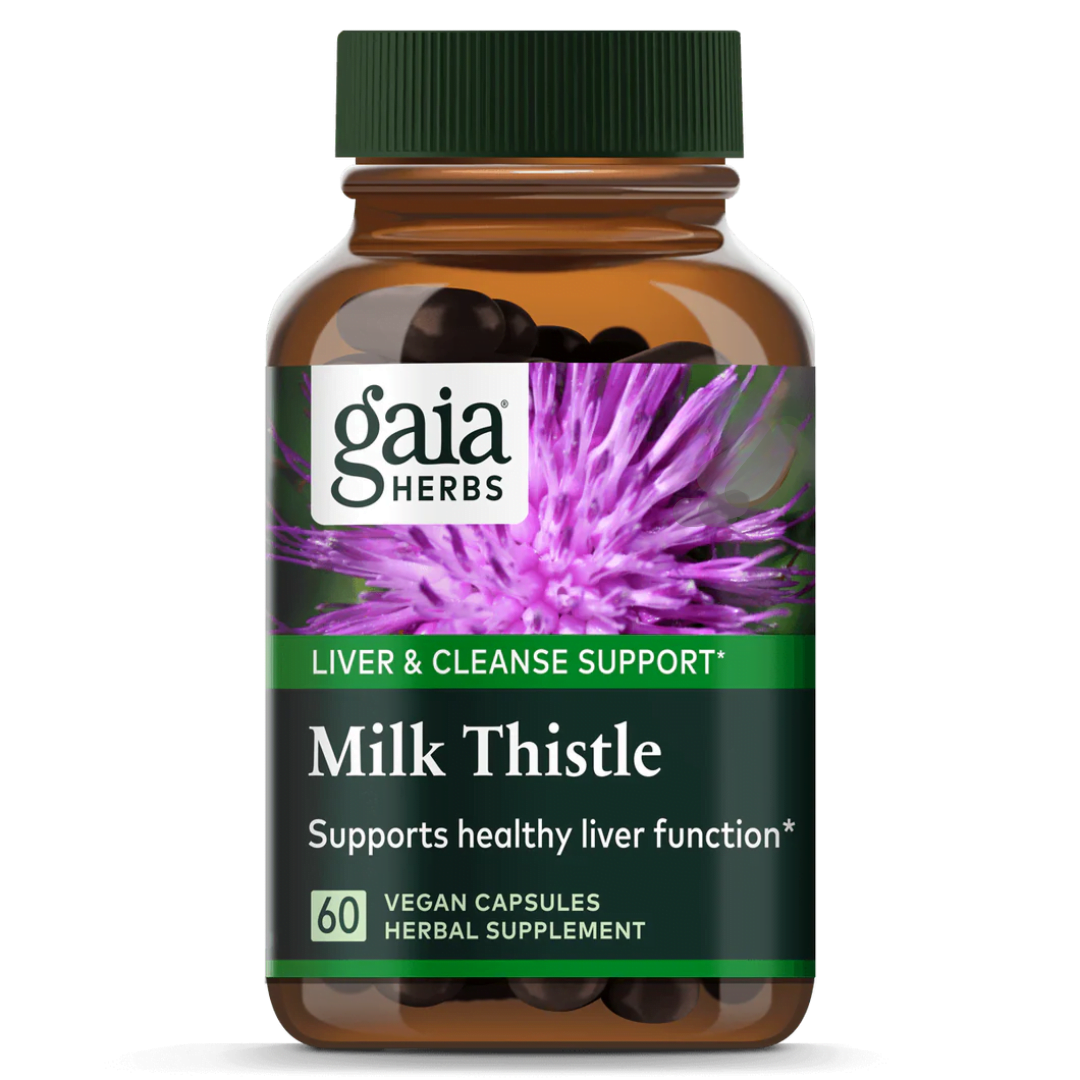
60 capsules | Capsules | Milk thistle | United States of America

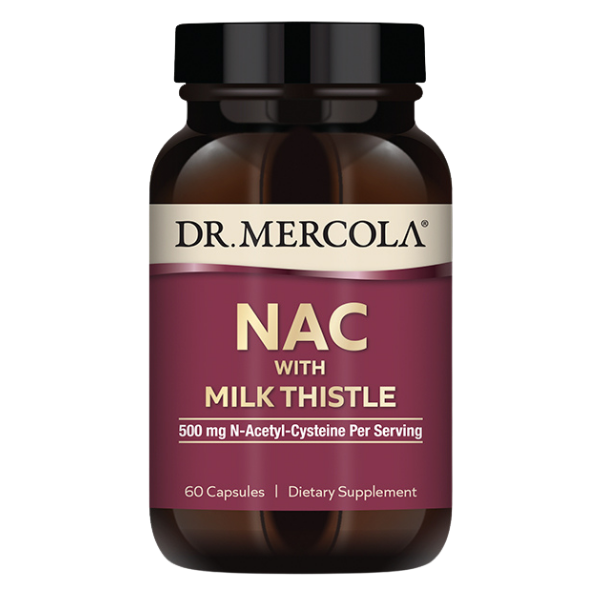
60 capsules | Capsules | United States of America
"Ordered around 20 times now. Reliable, quick delivery
I've ordered products from Morgen is Nu around 20 times now. The orders have always arrived promptly and in good condition. Their products are very good."
- Pieter
Date of experience: 02 June 2025
Read all reviews
About Morgen is Nu - Holistic health shop
At Morgen is Nu, we work every day to support your health. Guided by a distinctive vision and years of experience, we select only the purest, highest-quality products. We believe in a holistic approach centred on physical, inner and outer balance.
Telephone: 0341 - 422 850
Our mission is that people with the correct information choose their health products
The recommended daily amount of milk thistle varies depending on the product and form. Please note: the exact dosage depends on the concentration of the extract and your individual circumstances. Always follow the advice on the product label or consult a qualified professional if you are unsure.
Milk thistle is generally well tolerated. In some cases, mild side effects may occur, such as stomach discomfort, bloating or mild diarrhoea. Allergic reactions occur very rarely, particularly in people who are sensitive to plants in the daisy family (such as ragweed or dandelion). Always consult a doctor if symptoms persist.
Milk thistle contributes to:
- ✓ normal liver function*
- ✓ the liver's cleansing function*
- ✓ normal liver and gallbladder function*
*Health claims pending European approval.
The quality of milk thistle depends mainly on the type of extract used and its purity. At Morgen is Nu, we only select products that meet our high standards for purity, efficacy and transparency.
For most people, milk thistle is safe when used as directed. However, caution is advised if you take certain medicines, such as blood thinners or liver medication. Unsure? Consult a doctor or qualified professional for personalised advice.
Most health claims are currently linked to vitamins, minerals and fatty acids. For herbs and botanicals, discussions have been ongoing for years. Various on-hold claims have been submitted for this. These are currently awaiting approval by the European Commission. The claims may therefore currently only be used if there is scientific substantiation for the health effect.