

Spirulina
Looking to buy spirulina? We offer a carefully selected range of 100% natural spirulina supplements. This nutritious microalga is known for its rich nutritional profile and has been consumed for centuries. Find out more about the origins, distinctive properties and possible uses of this versatile superfood here.
Written by Lisanne - last updated 14-02-2025
Contents
- Our favourite spirulina products
- What is spirulina?
- The history of spirulina
- What makes spirulina special?
- How spirulina works
- Sources
Our favourite spirulina products
- Spirulina Pacifica Hawaii - Poeder by Nutrex Hawaii
- Spirulina Poeder by Morgen is Nu - contains vitamins, minerals, amino acids, healthy fats and up to 70% plant-based protein. Pure, high-quality spirulina from California!
- Spirulina Pacifica Hawaii - 1000mg Tablet by Nutrex Hawaii
Nutrex Hawaii spirulina products contain a superior Hawaiian spirulina strain known for its unique nutritional value. This alga is grown using 100% natural methods on the coast of Hawaii, where pure ocean water and abundant sunlight contribute to its rich composition of minerals, vitamins and phytonutrients. Their patented Ocean Chill Drying™ system preserves its nutritional value as fully as possible. This ensures you get spirulina of the highest purity and quality.
What is spirulina?
Spirulina is a blue-green microalga belonging to the cyanobacteria, one of the oldest life forms on Earth. This microorganism grows naturally in alkaline lakes with a high pH, where it develops its rich nutritional profile. It is packed with vitamins, minerals and other important substances.
But what makes it a true superfood? It is one of the richest sources of plant-based protein, with all the essential amino acids your body needs. It is also a natural source of beta-carotene, vitamin B12, iron and the omega-6 fatty acid gamma-linolenic acid (GLA). This unique nutritional composition has made spirulina a popular food supplement worldwide. (source)
The history of spirulina
Spirulina's popularity today is no coincidence. Throughout the centuries, various cultures have embraced this alga as a valuable source of nutrition. The Aztecs in Mexico, for example, used spirulina. They harvested the alga from Lake Texcoco and made it into nutritious cakes called ‘tecuitlatl’. These were considered an important source of nutrition and energy.
As well as in Central America, spirulina was used in China more than 1600 years ago. Here, a related species of algae, Nostoc commune, was traditionally consumed for its nutritional value. This shows that blue-green algae have a long history of consumption around the world. (source)
What makes spirulina special?
Spirulina stands out from other food supplements thanks to its exceptional nutritional value. It consists of around 60-70% protein, making it one of the best sources of plant-based protein. It also contains:
- Important antioxidants, such as beta-carotene and phycocyanin
- B vitamins and minerals, such as iron, calcium and magnesium
- Essential amino acids, making it a complete protein source
Another unique feature of spirulina is its high bioavailability, which means that the nutrients in this alga are easily absorbed by our bodies. (source)
How spirulina works
Spirulina attracts considerable interest because of its broad nutritional profile. Studies show that substances such as phycocyanin and beta-carotene play an important role in this alga's powerful properties. Research is exploring the extent to which these bioactive substances may support the body in dealing with oxidative stress.
Spirulina is also rich in protein and essential amino acids, making it a valuable addition to vegetarian and vegan diets. The presence of B vitamins and minerals such as iron contributes to the nutritional value of spirulina as a supplement.
Spirulina is also a rare plant-based source of gamma-linolenic acid (GLA), an omega-6 fatty acid that the body produces only in small amounts. GLA plays a role in various bodily processes and is being studied for its contribution to a balanced fatty acid profile. This balance is important, as a good ratio of omega-3 to omega-6 fatty acids may influence our overall health. (source).
Although the research is promising, further scientific evidence is still needed to substantiate these potential benefits.
Sources

50 capsules | Capsules | United Kingdom

50 capsules | Capsules | Spirulina, Chlorella | United Kingdom

180 capsules | Capsules | Spirulina | United States of America


180 tablets | Tablets | Spirulina | United States of America

400 tablets, 200 tablets | Tablets | Spirulina | United States of America
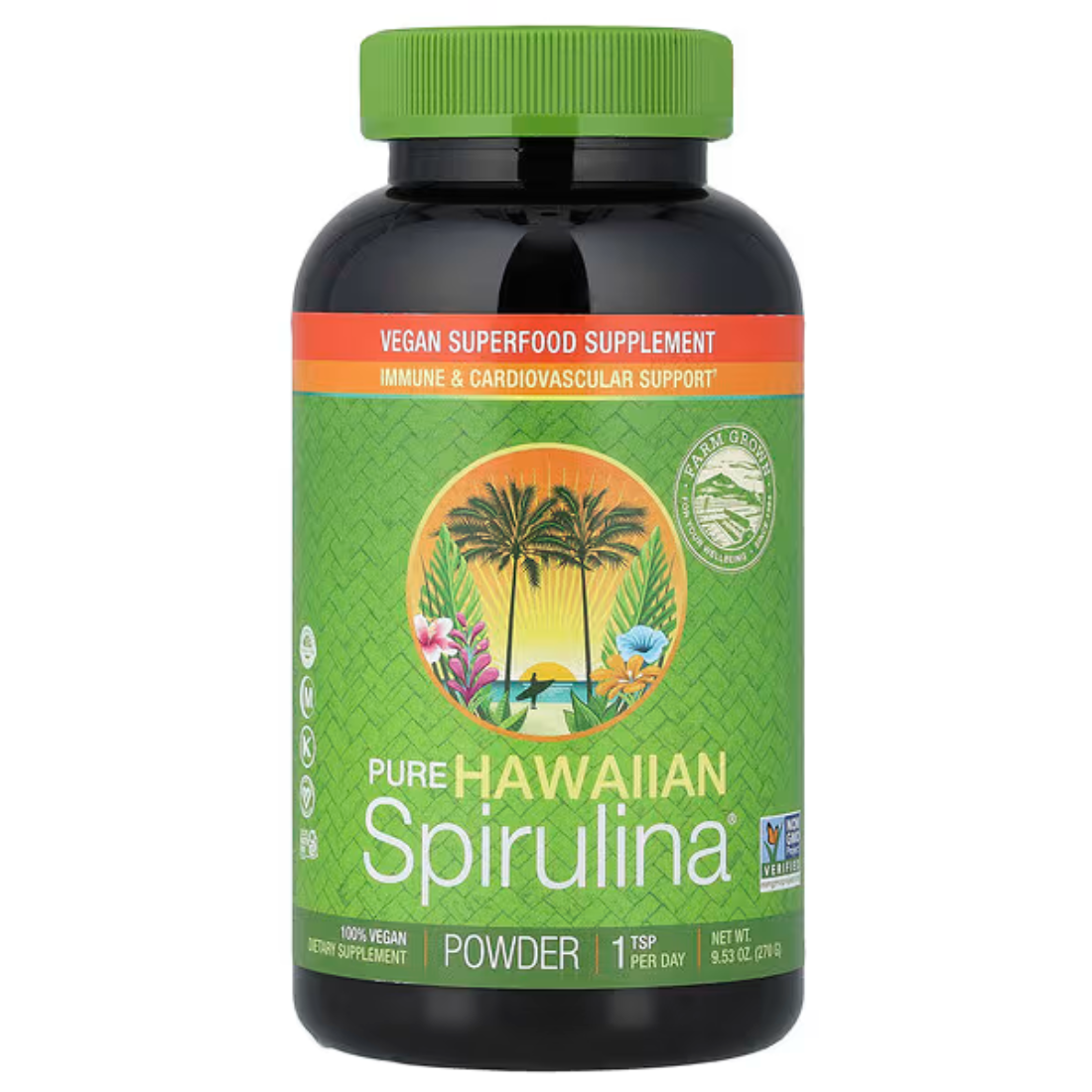
270 grams | Powder | Spirulina | United States of America

250 grams, 500 grams | Powder | Spirulina | United States of America
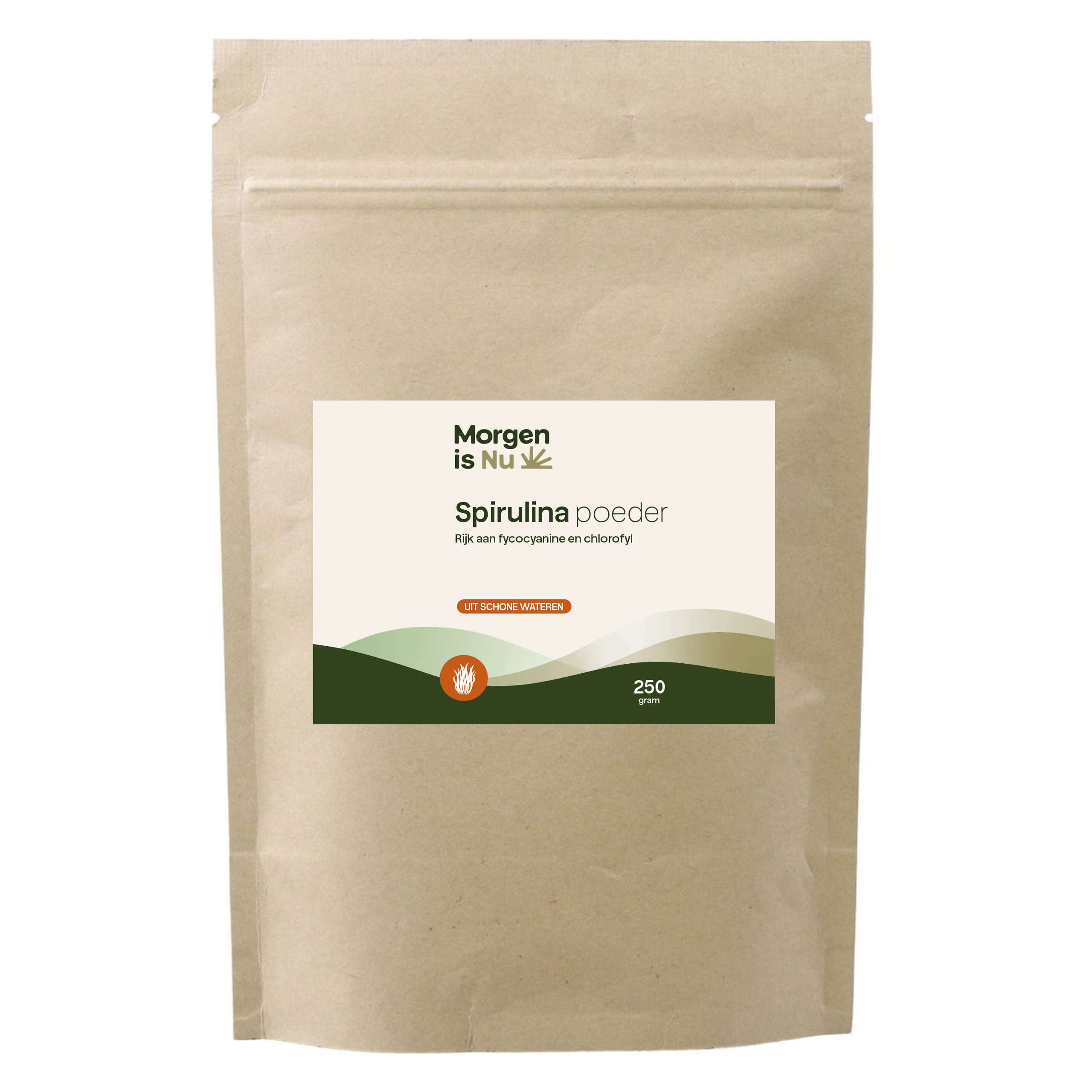
250 grams | Powder | Spirulina | United States of America
"Good products, fast delivery. I ordered vimergy supplements and Hawaii spirulina, so I didn't had to wait delivery from USA and all tax include. Thank you so much!"
- Olga Zenina
Date of experience: 16 October 2023
View all reviews
About Morgen is Nu - Holistic health shop
At Morgen is Nu, we work every day to support your health. Guided by a distinctive vision and years of experience, we select only the purest, highest-quality products. We believe in a holistic approach centred on physical, inner and outer balance.
Telephone: 0341 - 422 850
Our mission is that people with the correct information choose their health products
Spirulina is valued worldwide for its rich nutritional profile and wide range of uses. Traditionally, various cultures used it as a food source for its protein, vitamins and minerals. Today, spirulina is mainly used to supplement nutrient intake in a variety of diets, including vegetarian and vegan diets.
Spirulina contains various bioactive compounds, such as phycocyanin and beta-carotene. These compounds are being studied for their potential role in oxidative processes and their contribution to a balanced diet. Spirulina is also a source of plant-based protein and B vitamins, which many people value as part of a varied diet.
Spirulina is a natural source of fibre and contains various nutrients that can be consumed as part of a balanced, healthy diet. The effect of spirulina on the gut can vary from person to person, depending on their overall diet and digestion. As with any supplement, it is recommended to start with a small amount and see how your body responds.
Spirulina is consumed worldwide as a food supplement over extended periods. No fixed maximum duration of use has been established, but as with any supplement, it is important to listen to your body and adjust the dosage to your individual needs. For specific questions about long-term use, you can always consult a healthcare professional.
Spirulina is generally well tolerated, but as with any food supplement, some people may be sensitive to it. Possible side effects include:
- Digestive discomfort: Some people experience bloating, wind or changes in bowel habits when they start taking spirulina. This may be related to the fibre and protein in the algae.
- Mild nausea: The body may need a little time to get used to spirulina, particularly at higher doses.
- Allergic reactions: Although rare, people who are sensitive to algae or seaweed may experience mild allergic reactions.
- Detox reactions: Some users report feeling a little tired or slightly dizzy at first. This may be a sign that the body is adjusting to the new nutrients.
Spirulina is a blue-green microalga that belongs to the cyanobacteria, one of the oldest life forms on Earth. This alga grows naturally in alkaline lakes with a high pH and is known for its broad nutritional profile. Spirulina contains protein, vitamins, minerals and essential fatty acids, among other nutrients, making it a popular food supplement.