

Berberine
Looking to buy Berberine? At Morgen is Nu, you'll find only high-quality Berberine capsules, carefully selected for purity and effectiveness. Find out all about this potent plant extract and why it has been valued around the world for centuries.
By Stefan, last updated: 17-06-2025.
Contents
- Our favourite Berberine supplements
- What is Berberine?
- The constituents of Berberine
- Berberine and Berberis Aristata: what's the connection?
- The benefits of Berberis Aristata
- Berberine safety and possible side effects
- Sources
Our favourite Berberine supplements
What is Berberine?
Berberine is a bioactive plant compound belonging to the isoquinoline alkaloid group. This bright yellow compound occurs naturally in various plants, including Berberis vulgaris, Coptis chinensis and Hydrastis canadensis. Berberine has been part of Ayurvedic and Traditional Chinese Medicine for thousands of years, particularly because of its wide range of uses in natural healthcare. (source, source)
Today, Berberine is best known as a food supplement, and extensive research is being carried out into how it works. (source)
The constituents of Berberine
The potency of Berberine comes from its distinctive structure. It belongs to a group of plant compounds called isoquinoline alkaloids. After it is taken, Berberine is converted in the body into other active substances, such as berberrubine and demethyleneberberine. These are formed during a complex process in which the body breaks down and processes Berberine. (source)
These metabolites are the subject of scientific research. They are of particular interest because of the way they interact with processes in our bodies. Studies are looking, for example, at the effects of Berberine on cellular processes and metabolic pathways. (source)
Berberine and Berberis Aristata: what's the connection?
A common question is whether Berberine is the same as Berberis aristata. The answer is: partly. Berberis aristata, also known as Indian barberry or ‘tree turmeric’, is one of the plants from which Berberine is extracted. The root bark of this shrub contains a high concentration of Berberine, as well as other alkaloids such as palmatine and berbamine. (source)
The benefits of Berberis Aristata
The following health benefits have been attributed to Berberis Aristata:
- Berberis aristata is good for the liver*
- Berberis aristata contributes to maintaining healthy blood sugar levels*
- Berberis aristata contributes to the maintenance of normal blood cholesterol levels*
*Health claim pending European approval.
Berberine safety and possible side effects
Berberine is generally well tolerated when used for short periods at the recommended dose. Possible side effects include mild gastrointestinal symptoms, such as nausea, constipation or bloating. (source)
The use of products containing Berberine during pregnancy is not recommended. Berberine can also interfere with the absorption of tetracycline and related antibiotics. Berberine significantly inhibits CYP3A enzymes in humans. These enzymes are important for breaking down many medicines. As a result, Berberine can cause medicines to be broken down less effectively by the body, increasing their effects. Always consult your doctor or pharmacist before taking it alongside any medication.
Sources

60 capsules, 120 capsules | Capsules | Barberry aristata | United States of America
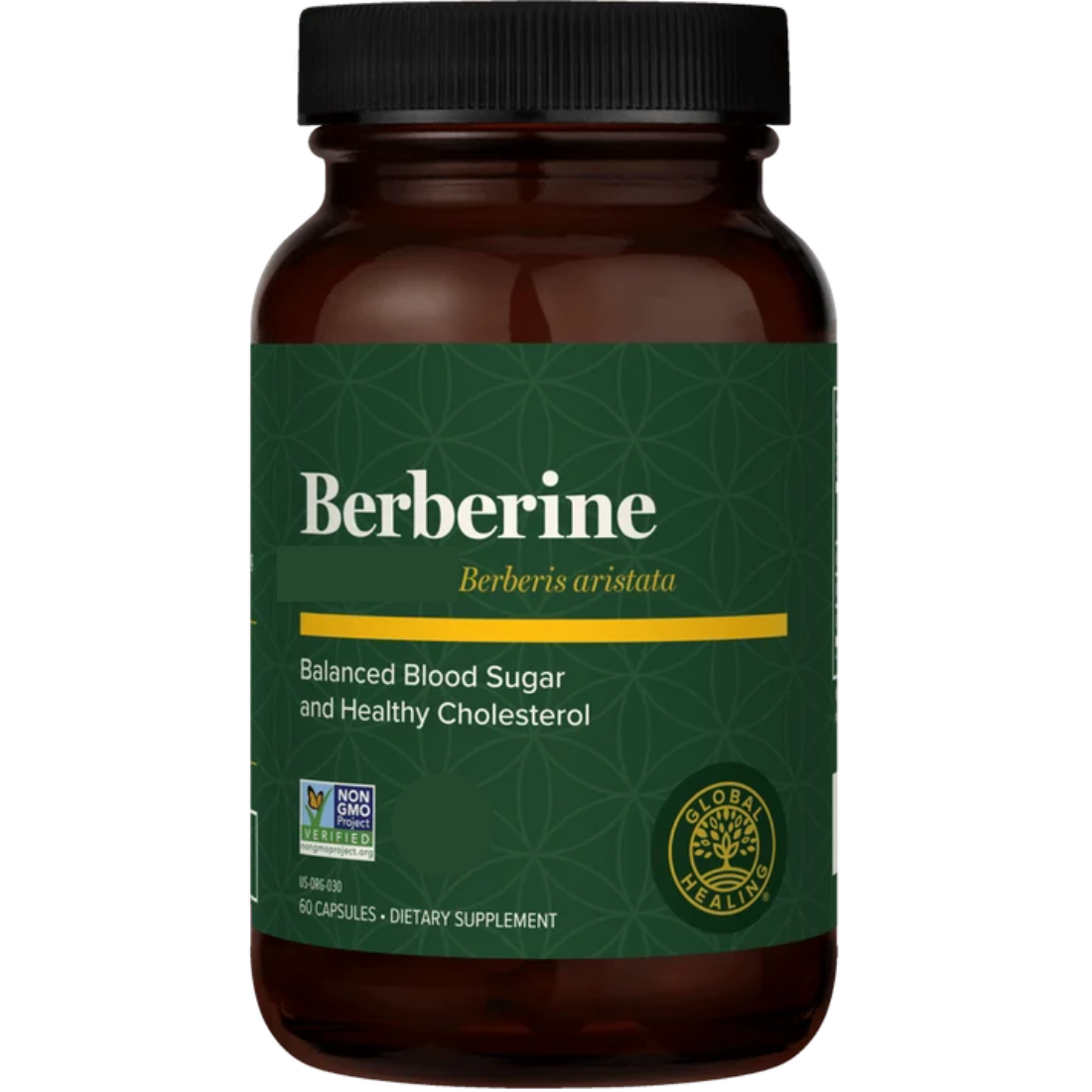
60 capsules | Capsules | Berberine, Barberry aristata | United States of America

60 capsules | Capsules | Barberry aristata | United States of America
"Delivery is always quick. I've ordered these products several times now, and they are high quality."
- Catharina Claessens
Date of experience: 9 May 2025
View all reviews
About Morgen is Nu - Holistic health shop
At Morgen is Nu, we work every day to support your health. Guided by a distinctive vision and years of experience, we select only the purest, highest-quality products. We believe in a holistic approach that puts physical, inner and outer balance at its heart.
Telephone: 0341 - 422 850
Our mission is that people with the correct information choose their health products
Berberine is known for the following health benefits:
- Berberis aristata is good for the liver*
- Berberis aristata contributes to maintaining healthy blood sugar levels*
- Berberis aristata contributes to the maintenance of normal blood cholesterol levels*
Berberine is a plant compound traditionally used in systems such as Ayurveda and Traditional Chinese Medicine. Modern science has shown considerable interest in how Berberine is absorbed and metabolised in the body.
*Health claim awaiting European approval.
Berberine is generally considered safe for short-term use at the right dose. There are, however, some things to bear in mind. It may cause side effects such as mild digestive discomfort, and is not recommended during pregnancy or alongside certain medicines. Berberine can affect how medicines are broken down, which may increase their effects. Always consult a doctor or healthcare professional if you take medication or are unsure.
The dosages used in scientific research usually range from 500 to 1500 mg per day, divided over two to three doses. The ideal amount depends on your personal circumstances and the type of supplement, such as its purity, form and absorption. Always follow the instructions on the label or the advice of a qualified professional.
Quality makes a big difference. When choosing a berberine supplement, look for the following:
- Standardised berberine content Source of the plant extract (e.g. Berberis aristata)
- No unnecessary additives or fillers
- Clear information on purity and production
At Morgen is Nu, we only select berberine products from brands that meet these requirements. That way, you can be sure you are choosing a pure and reliable supplement.
Most health claims are currently linked to vitamins, minerals and fatty acids. For herbs and botanicals, discussions have been ongoing for years. Various on-hold claims have been submitted for this. These are currently awaiting approval by the European Commission. The claims may therefore currently only be used if there is scientific substantiation for the health effect.