
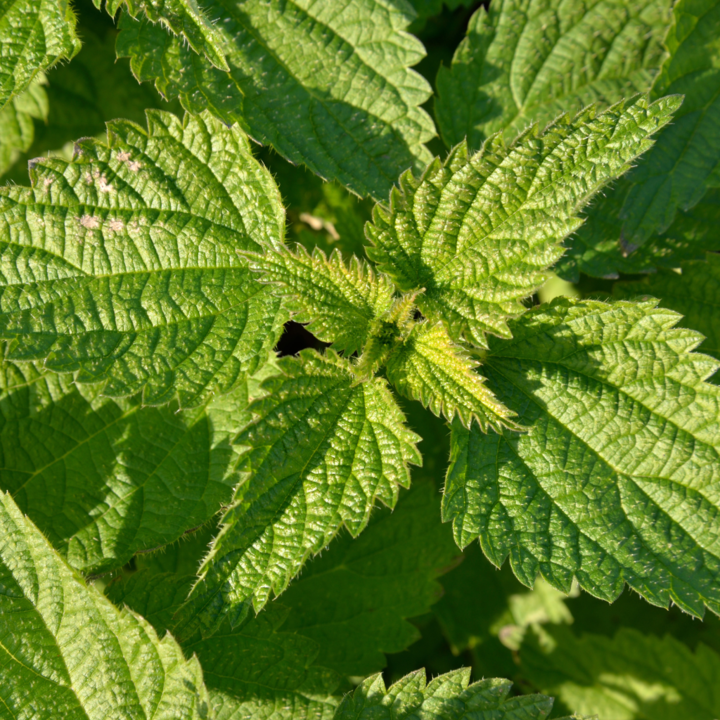
Stinging nettle (Nettle)
Stinging nettle may well be one of the best-known plants in the world. This herb is a perfect example of an everyday plant whose hidden potential few people know about. Originally from Africa and Asia, it is now found all over the world. Most people know it as a persistent weed with an unpleasant sting. But there is more to stinging nettle, and it has been used for thousands of years for its unique properties.
By Stefan, last updated: 04-06-2025.
Contents
- Our favourite stinging nettle (Nettle) supplements
- What is stinging nettle (Urtica dioica)?
- Common nettle vs. small nettle: what is the difference?
- The history of stinging nettle: from the Romans to herbal tea
- What does stinging nettle contain?
- The benefits of stinging nettle
- Sources
Our favourite stinging nettle (Nettle) supplements
What is stinging nettle (Urtica dioica)?
Stinging nettle is a green, leafy plant with fine hairs on its leaves and stem. These hairs cause a burning sensation when touched, hence its name. The botanical name Urtica dioica literally means ‘burning dioecious’ plant: Urtica refers to its stinging effect, while dioica refers to the fact that male and female flowers grow on separate plants.
Stinging nettle belongs to the nettle family (Urticaceae) and is found worldwide. The plant is thought to have originated in Africa and Asia, but it now grows wherever the soil is rich in nutrients, from meadows to roadside verges and woodland edges.
Common nettle vs. small nettle: what is the difference?
There are several species of stinging nettle. The best known are:
- Common nettle (Urtica dioica): this is the most widespread species in Europe. The plant is often used in teas, tinctures and extracts.
- Small nettle (Urtica urens): this species stays closer to the ground and grows more quickly. It generally has a slightly stronger sting and is used somewhat less often in food products.
Although the two species look very similar, they differ slightly in growth habit, flower arrangement and use. Urtica dioica is the species most commonly used in supplements and research.
The history of stinging nettle: from the Romans to herbal tea
Stinging nettle has been described in traditional texts for thousands of years. In Europe, farmers and herbalists used the plant for its hardy nature. In North Africa and Asia, stinging nettle is also a familiar plant in herbal medicine traditions. According to some sources, Roman soldiers even took nettle seeds on their travels so they could use the plant wherever they went.
In old texts, stinging nettle was praised for its versatility, from its nutritional value to its natural uses. Nettle tea, liquid nettle fertiliser and nettle fibre therefore all have a rich history of use.
What does stinging nettle contain?
Stinging nettle is one of the few wild plants rich in a wide range of nutrients. Researchers have found the following in Urtica dioica, among other substances:
- Vitamins: including vitamins A, C, K and various B vitamins
- Minerals: such as calcium, magnesium, potassium and iron
- Essential amino acids: all nine
- Fats: such as linoleic acid, linolenic acid and palmitic acid
- Secondary plant compounds: including beta-carotene, quercetin, lutein and serotonin
(source)
This rich composition makes the plant an interesting subject for further scientific analysis.
The benefits of stinging nettle
Stinging nettle has several health benefits, including:
- Stinging nettle contributes to normal heart function*
- Stinging nettle is good for kidney function*
- Stinging nettle contributes to normal prostate function*
*Health claims awaiting European approval.
Sources
- Comparison of nutritional properties of Stinging nettle (Urtica dioica) flour with wheat and barley flours
- Stinging nettles leaf (Urtica dioica L.): Extraordinary vegetable medicine
- The Efficacy of Stinging Nettle (Urtica Dioica) in Patients with Benign Prostatic Hyperplasia: A Randomized Double-Blind Study in 100 Patients
- Ameliorative effects of stinging nettle (Urtica dioica) on testosterone-induced prostatic hyperplasia in rats
- Nutritional and pharmacological importance of stinging nettle (Urtica dioica L.): A review
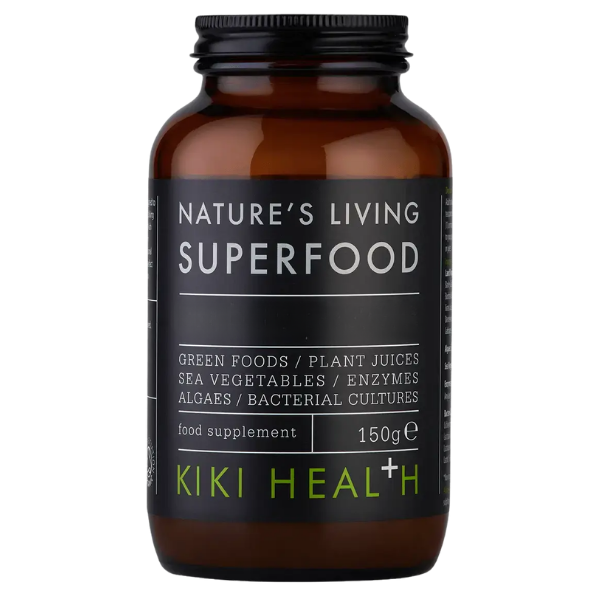
150 grams, 300 grams | Powder | Vitamin B12, Vitamin K | United Kingdom
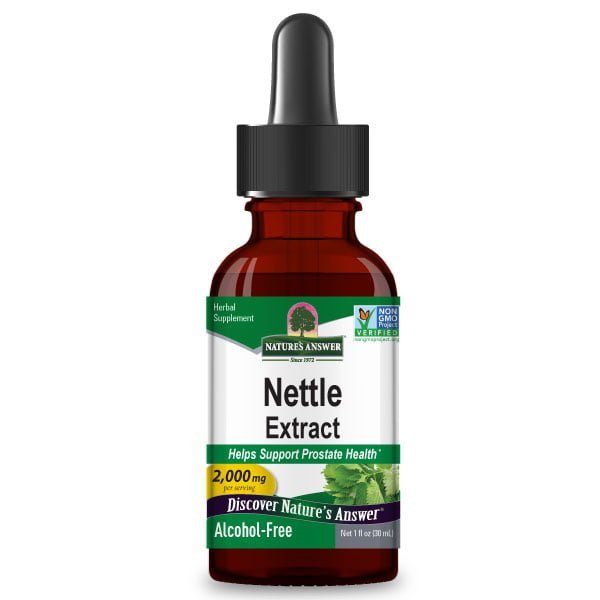
30ml | Liquid | Nettle | United States of America
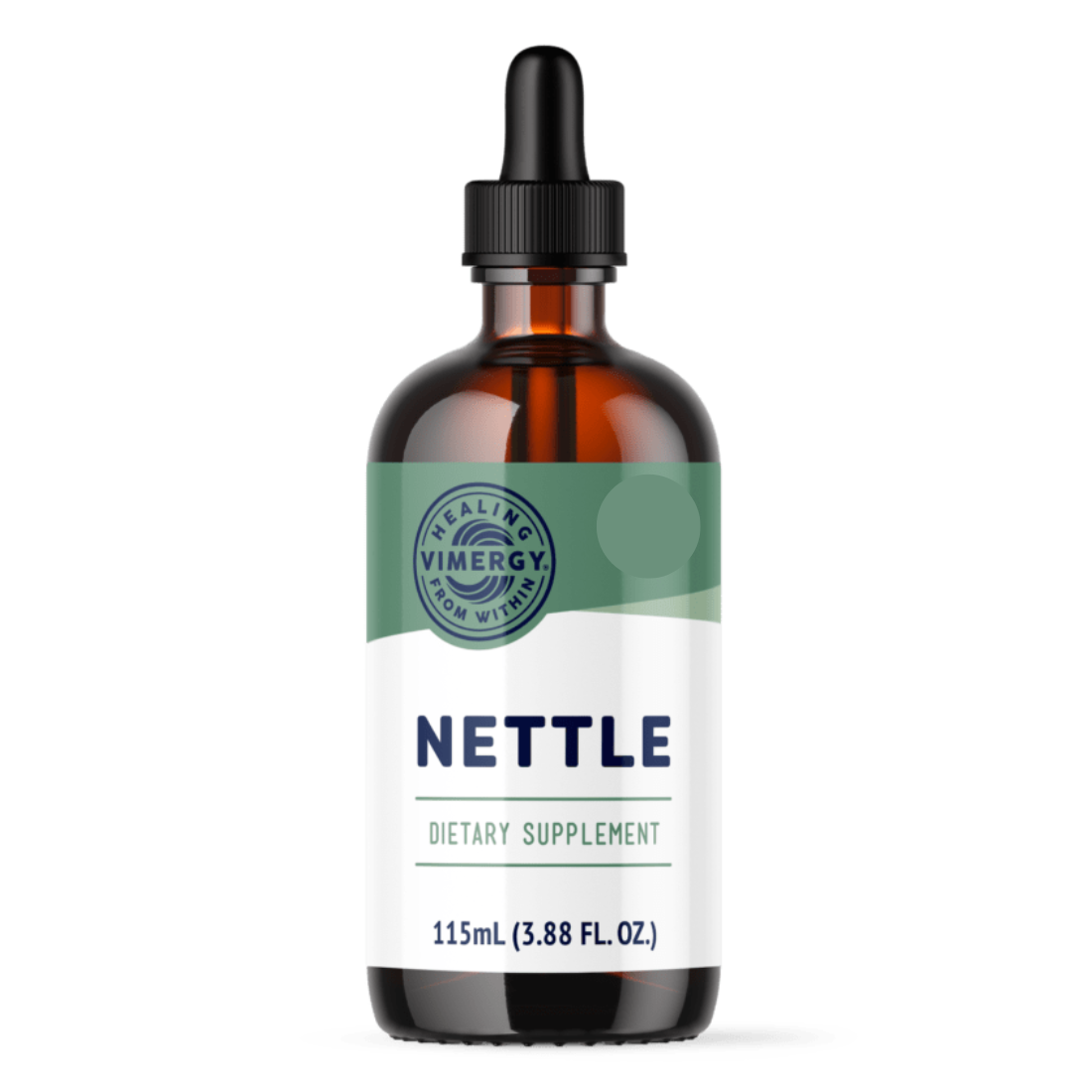

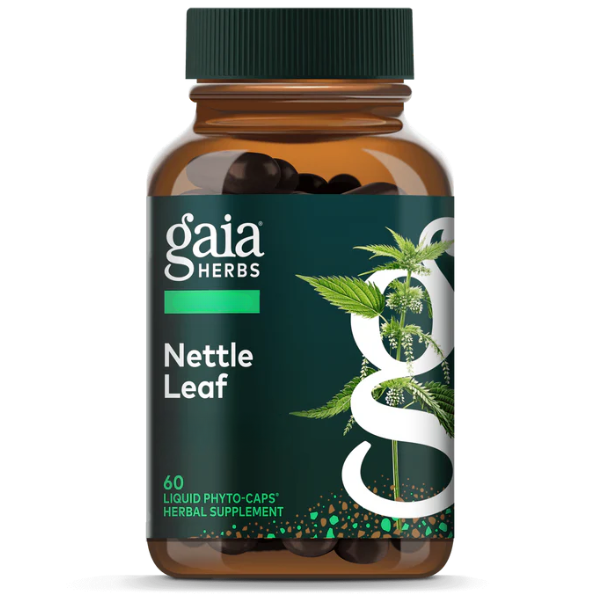
60 capsules | Capsules | Nettle | United States of America
"I've ordered around 20 times now. Reliable, fast delivery
I've ordered products from Morgen is Nu around 20 times now. My orders have always arrived promptly and in good condition. Their products are very good."
- Pieter
Date of experience: 02 June 2025
View all reviews
About Morgen is Nu - Holistic health shop
At Morgen is Nu, we work to support your health every day. Guided by a unique vision and years of experience, we select only the purest, highest-quality products. We believe in a holistic approach that puts physical, inner and outer balance at its heart.
Telephone: 0341 - 422 850
Our mission is that people with the correct information choose their health products
Nettle (Urtica dioica) is a plant that has been used in various cultures for centuries. Its leaves and roots naturally contain a range of nutrients, including vitamins (e.g. A, C and K), minerals (such as iron, calcium and magnesium) and plant compounds such as flavonoids. The following health benefits are attributed to nettle:
- Nettle contributes to the normal functioning of the heart*
- Nettle is good for kidney function*
- Nettle contributes to normal prostate function*
The botanical name is Urtica dioica.
When taking supplements, always follow the instructions on the label and consult a qualified professional if in doubt. There are no legal guidelines on the maximum duration of use.
That depends on your perspective. In gardens, stinging nettle is often seen as a weed because of its rapid growth and stinging hairs. At the same time, it is an ecologically important plant. And it contains a wealth of useful nutrients, such as vitamins (A, C and K) and minerals (iron, calcium and magnesium).
Nettle contains various nutrients and is traditionally used in food and herbal tea. The exact effects may vary from person to person. The following health claims about nettle are known:
- Nettle contributes to the normal functioning of the heart*
- Nettle is good for kidney function*
- Nettle contributes to the normal functioning of the prostate*
Both stinging nettle (Urtica dioica) and small nettle (Urtica urens) are commonly used in Europe and are generally edible when prepared properly. Young leaves are usually picked because they are the least fibrous. Once heated, for example by boiling or steaming, the leaves lose their sting. Nettles are often used in tea or soup, or eaten as a cooked vegetable. It is important to pick them carefully (preferably wearing gloves) and prepare them before eating.
Most health claims are currently linked to vitamins, minerals and fatty acids. For herbs and botanicals, discussions have been ongoing for years. Various on-hold claims have been submitted for this. These are currently awaiting approval by the European Commission. The claims may therefore currently only be used if there is scientific substantiation for the health effect.