
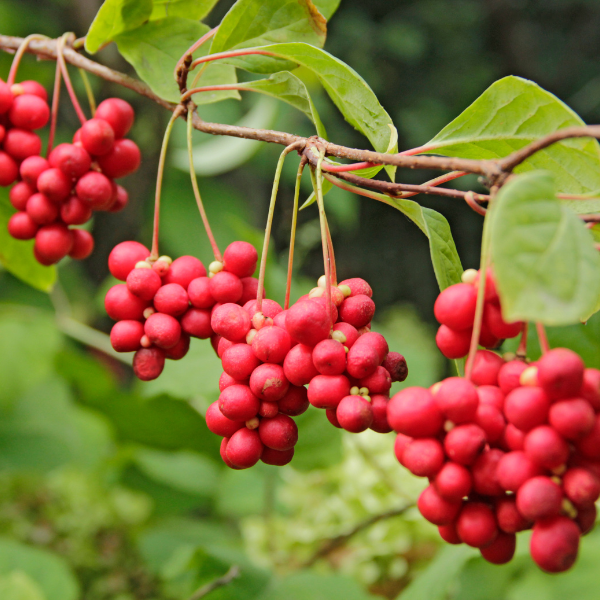
Schisandra
Schisandra, also known as Schizandra, is known for its unique five-flavour profile and potent compounds. Are you looking for a high-quality, natural Schisandra supplement? We offer 100% natural Schisandra products. Discover the benefits and uses of this distinctive berry on this page.
By Lisanne, last updated 13-02-2025
Contents
- Our Schisandra products
- What is Schisandra?
- What are the benefits of Schisandra?
- The most potent compounds in Schisandra
- How do you use Schisandra?
- Possible side effects
- About Morgenisnu.nl
- Sources
Our Schisandra products
What is Schisandra?
Schisandra (Schisandra chinensis) is a climbing plant that produces many small, bright red berries. This plant has a rich history in traditional Eastern medicine. The berries are picked and dried for use in various products, such as tea, powder and tinctures. Schisandra has been used for centuries, often alongside other potent herbs such as ginseng and reishi.
What are the benefits of Schisandra?
Schisandra is known for helping the body adapt to stressful situations*. This berry is rich in vitamin E and minerals such as iron, copper, magnesium, potassium, phosphorus, zinc and manganese. Schisandra also contains bioactive compounds such as lignans, flavonoids, essential oils and polysaccharides. Most of its health benefits come from the lignans in Schisandra.
The most potent compounds in Schisandra
The lignans in Schisandra, also known as 'schisandra lignans', are plant compounds that play a role in the plant's structure and defence. Research shows that these lignans have anti-inflammatory effects in both the gut and the nervous system. They do this by inhibiting pro-inflammatory substances and increasing short-chain fatty acids, which support the gut microbiome [source].
Possible side effects
Schisandra is generally considered very safe, with no known side effects or drawbacks. Although rare, individual sensitivity may cause mild digestive discomfort at higher doses. Schisandra is not recommended during pregnancy or breastfeeding, as its effects in these situations have not yet been sufficiently studied.
Sources

59ml | Liquid | Schisandra | United States of America

30ml | Liquid | Schisandra | United States of America
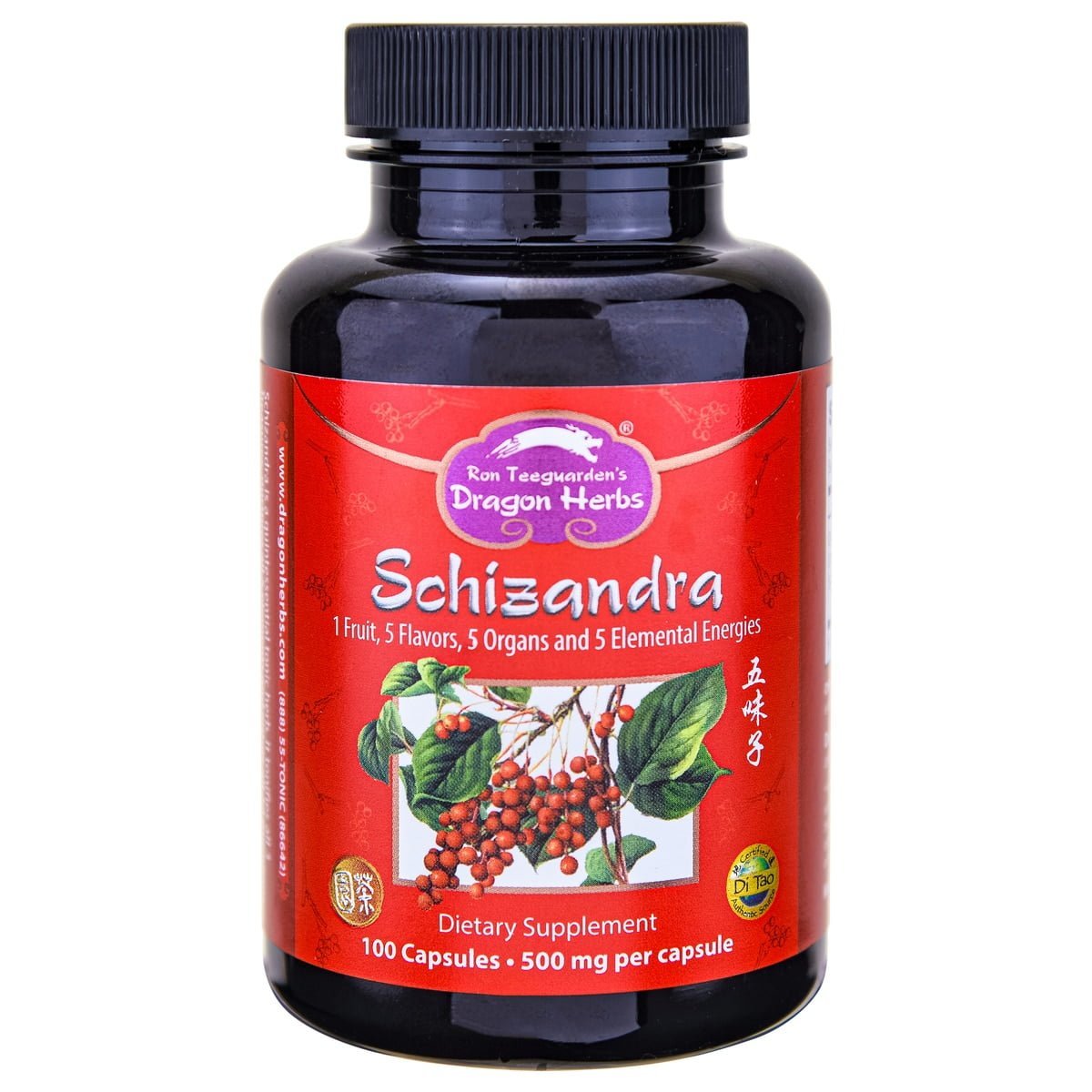
100 capsules | Capsules | Schisandra | United States of America

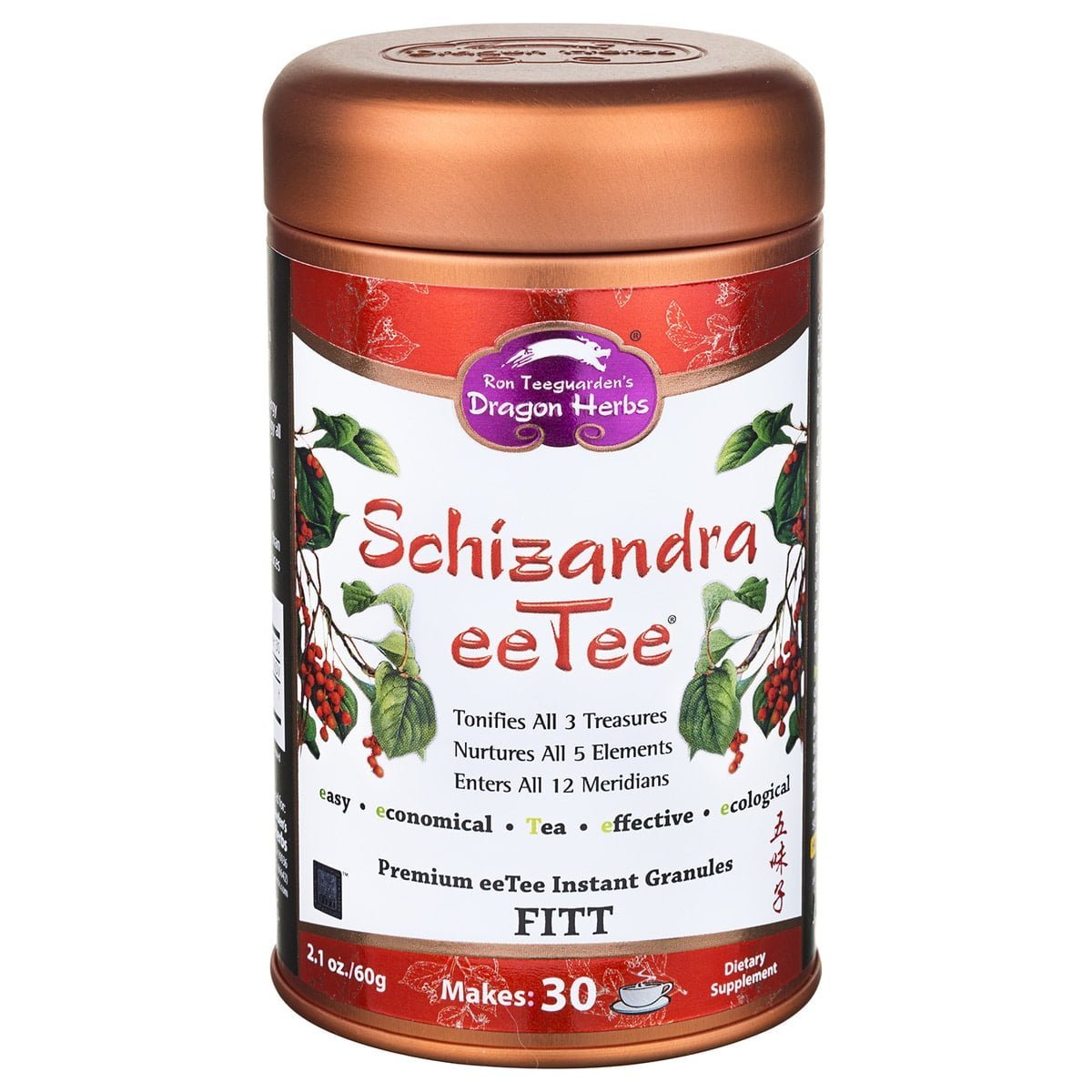
60 grams | Tea | Schisandra | United States of America
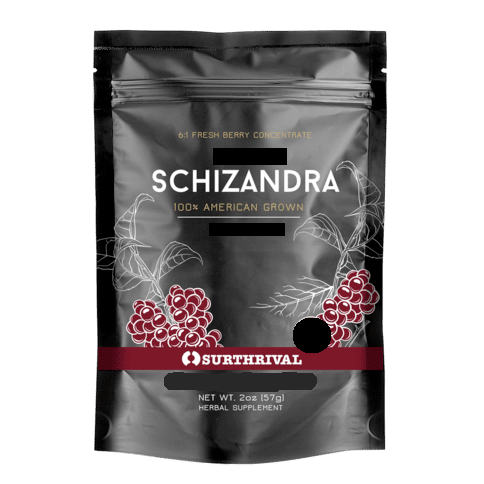
57 grams | Powder | Schisandra | United States of America
"Great service and quality! My order arrived really quickly, brilliant! The products are quite pricey, but you know exactly what you're putting into your body, and that's worth it. If you care about your body and only want the best, I'd really recommend Morgen is Nu!"
- Mrs Granville
Date of experience: 28 January 2025
View all reviews
Our vision at Morgen is Nu: holistic health and wellbeing
At Morgen is Nu, we work every day to support your health. Guided by a distinctive vision and years of experience, we select only the purest, highest-quality products. We believe in a holistic approach centred on physical, inner and outer balance.
Telephone: 0341 422 850
Our mission is to help people choose their health products with the right information
Schisandra is known for its many uses and has been used for centuries in traditional Eastern medicine. The berry contains a wide range of nutrients, including vitamin E, iron, copper, magnesium, potassium, phosphorus, zinc and manganese.
Schisandra also contains lignans, flavonoids and polysaccharides, which play a role in various processes in the body.
Schisandra has traditionally been combined with other herbs such as ginseng and reishi. The berry is valued for its distinctive five-flavour profile and is used in various forms, from teas and tinctures to capsules and powders.
Schisandra can be taken at different times of day, depending on your personal preference and the form you use.
Morning or afternoon: Many people take Schisandra in the morning or afternoon, for example as a tea or supplement, often alongside other herbs.
With a meal: Because Schisandra contains bioactive compounds, taking it with a meal may help with absorption.
Not too late in the day: Some people feel mildly stimulated after taking it, so it may be less suitable late in the evening.
Schisandra is generally well tolerated and considered safe, with no known adverse effects when used as directed. However, caution is advised in a few situations:
- Sensitivity to high doses: High doses may cause mild digestive discomfort in some people.
- Pregnancy and breastfeeding: Schisandra is not recommended during pregnancy or breastfeeding, as its effects in these situations have not yet been sufficiently studied.