

Folic acid (vitamin B11)
Are you looking for a natural folic acid supplement? Folic acid (vitamin B11) is an essential nutrient for our bodies. Find out more about this vitamin, which foods contain it and why it plays an important role in the body.
By Stefan, last updated: 04-07-2025.
Contents
- Our favourite folic acid supplements
- What is folic acid?
- The ingredients in folic acid supplements
- Which foods contain folic acid?
- Benefits of folic acid
- Sources
Our favourite folic acid supplements
- 5-MTHF (5mg) by Thorne
- 5-MTHF by Vimergy
- Folate Complex by Terranova
What is folic acid?
Folic acid is the synthetic form of folate, a water-soluble B vitamin (vitamin B11) that occurs naturally in food. In the body, folate plays an essential role in DNA synthesis, cell division and methylation processes. Folic acid is used in supplements and fortified foods because of its high bioavailability and stability. (source)
Although folic acid and folate are often used interchangeably, it is worth knowing that folic acid must first be converted into the active form (5-MTHF) before it can be used. Some people have genetic variants, such as MTHFR polymorphisms, that make this conversion less efficient. (source)
The ingredients in folic acid supplements
The active ingredient in supplements is usually folic acid (pteroylmonoglutamic acid) or the active form, 5-methyltetrahydrofolate (5-MTHF). This active form, also known by the brand name Metafolin®, can be used directly by the body and bypasses any genetic limitations affecting conversion. (source)
Folic acid works closely with other B vitamins, particularly vitamin B12. A good balance between the two is important, as a high intake of folic acid can mask a vitamin B12 deficiency. (source)
Which foods contain folic acid?
Folate occurs naturally in foods including:
- Dark green leafy vegetables (spinach, kale)
- Pulses (lentils, chickpeas)
- Citrus fruits
- Avocado
- Liver
Folic acid (the synthetic form) is mainly found in:
- Fortified grain products (such as bread and pasta)
- Food supplements
Please note: folate in food is more susceptible to being broken down during cooking or storage, and is absorbed less efficiently than folic acid from supplements. (source)
Benefits of folic acid
- Folic acid contributes to the normal function of the immune system
- Folic acid contributes to the reduction of tiredness and fatigue
- Folic acid contributes to maternal tissue growth during pregnancy
- Folic acid contributes to normal amino acid synthesis
- Folic acid contributes to normal blood formation
- Folic acid contributes to normal psychological function
- Folic acid has a role in the process of cell division
Sources
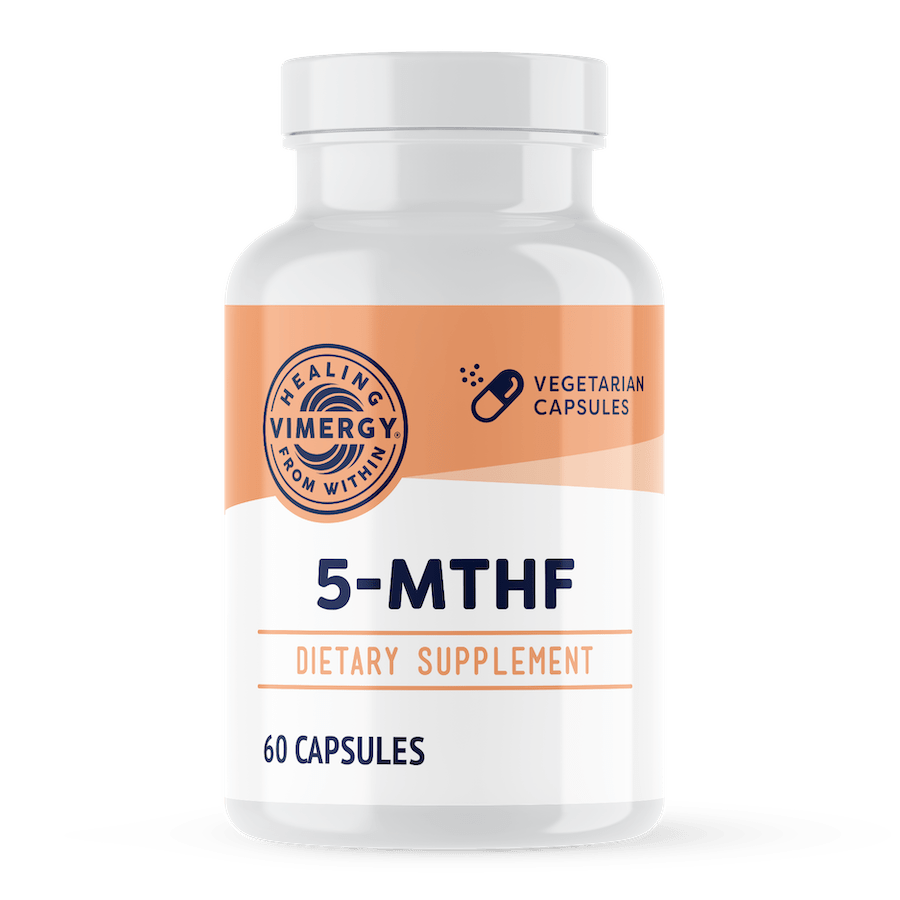

60 capsules | Capsules | Folic acid | United States of America


60 capsules | Capsules | Folic acid | Netherlands

90 capsules | Capsules | Folic acid | United States of America

100 capsules, 50 capsules | Capsules | Folic acid | United Kingdom
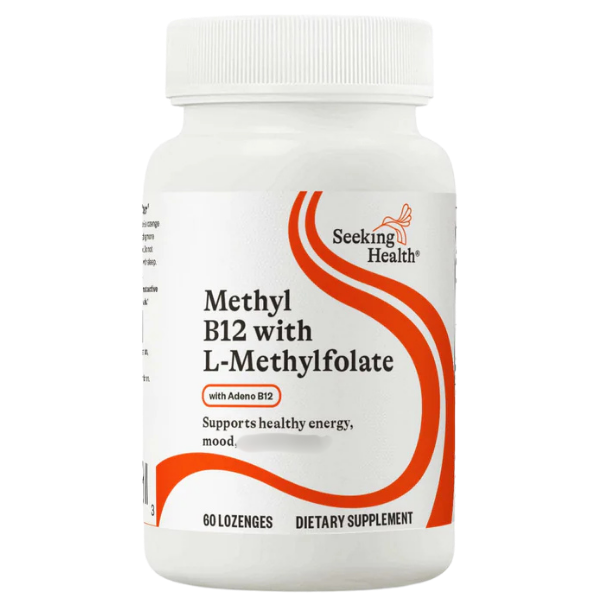
60 lozenges | Tablets | Folic acid, Vitamin B12 | Methylcobalamin, Adenosylcobalamin | United States of America

120 grams | Powder | Folic acid | United Kingdom
Our mission is to help people choose their health products with the right information
Folic acid plays an important role in the body. It contributes to the normal function of the immune system, the reduction of tiredness and fatigue, maternal tissue growth during pregnancy, and plays a role in the process of cell division. It also supports normal psychological function and blood formation
A folic acid deficiency can show up in different ways. Common symptoms include tiredness, a pale complexion, irritability or difficulty concentrating. In more severe cases, it can involve anaemia (megaloblastic anaemia) or raised homocysteine levels. If you are unsure, it is advisable to have your folic acid levels checked by a doctor or therapist.
Please note: the symptoms of a deficiency can resemble those of a vitamin B12 deficiency. Always have this assessed by a healthcare professional.
In most cases, folic acid at a normal dosage is safe and suitable for daily use, particularly for women trying to conceive. However, there are situations in which it is advisable to consult a healthcare professional, such as when taking medication, living with a chronic condition, or having genetic variations in folate metabolism (such as an MTHFR mutation). Are you already taking a multivitamin or pregnancy supplement? Check whether it already contains folic acid to avoid taking more than necessary. Always follow the instructions and dosage on the packaging of the supplement concerned.
Folic acid is generally well tolerated. However, at high doses it can mask a vitamin B12 deficiency. This means a B12 deficiency may go unnoticed, potentially leading to neurological damage. Some studies also point to a possible link between long-term excessive use of folic acid and epigenetic effects. Folic acid is safe to use as long as you stay within the recommended amounts. Always check the directions and dosage on the packaging of the supplement in question.
Yes, folic acid contributes to the reduction of tiredness and fatigue. However, if you have been tired for a long time or feel extremely tired, it is important to have the cause investigated first. Tiredness can have many causes, including iron or B12 deficiency, stress or lack of sleep.
No, folic acid and iron are two different nutrients. Folic acid is a B vitamin (vitamin B11), while iron is a mineral. Both contribute to normal blood formation, but each has its own role in the body. A deficiency in one can cause different symptoms from a deficiency in the other.
No harmful effects have been found with normal amounts of folic acid from food or supplements. Higher doses may be advisable in specific cases, for example for women at increased risk of neural tube defects during pregnancy, but this should always be discussed with a doctor or qualified professional. In theory, taking too much folic acid may increase the risk of masking a vitamin B12 deficiency or lead to excess unmetabolised folic acid in the blood. That is why it is important to choose the right form and dose. Always follow the directions and dosage instructions on the supplement packaging.
- Fat-soluble vitamins (A, D, E, K): Take with a meal containing fat.
- Water-soluble vitamins (C, B-complex): Can be taken at any time of day. B12 is best absorbed on an empty stomach.
When combining supplements, it is important to follow the recommended daily dose for each product and avoid an excessive total intake of certain vitamins or minerals.
Everyone responds differently to supplements. Interactions between different food supplements are also possible. You use and combine supplements at your own responsibility. If you are unsure about combining different food supplements, we recommend consulting a professional.
Pay attention to how your body responds when taking supplements, and consult a doctor or pharmacist if you are taking medication, are pregnant or breastfeeding, or have a medical condition.