
Q10 (ubiquinol & ubiquinone)
Looking to buy Q10, ubiquinone or ubiquinol? This substance occurs naturally in the body, where it plays an important role, and is popular in both supplements and skincare. Find out what Q10 is and how ubiquinone and ubiquinol differ.
By Lisanne, last updated 12-05-2026
Contents
- Our favourite Q10 supplements
- What is Q10 (coenzyme Q10)?
- What is the difference between ubiquinone and ubiquinol?
- How does Q10 work as a coenzyme in the body?
- Where is Q10 found naturally?
- Red yeast rice with Q10
- CoQ10 in natural skincare
- Sources
Our favourite Q10 supplements
- Liposomal Vitamin D3 + K2 + CoQ10 by Cymbiotika
- CoQ10 Liposomal by MaryRuth’s
- CoQ10 & BioPQQ by Global Healing
What is Q10 (coenzyme Q10)?
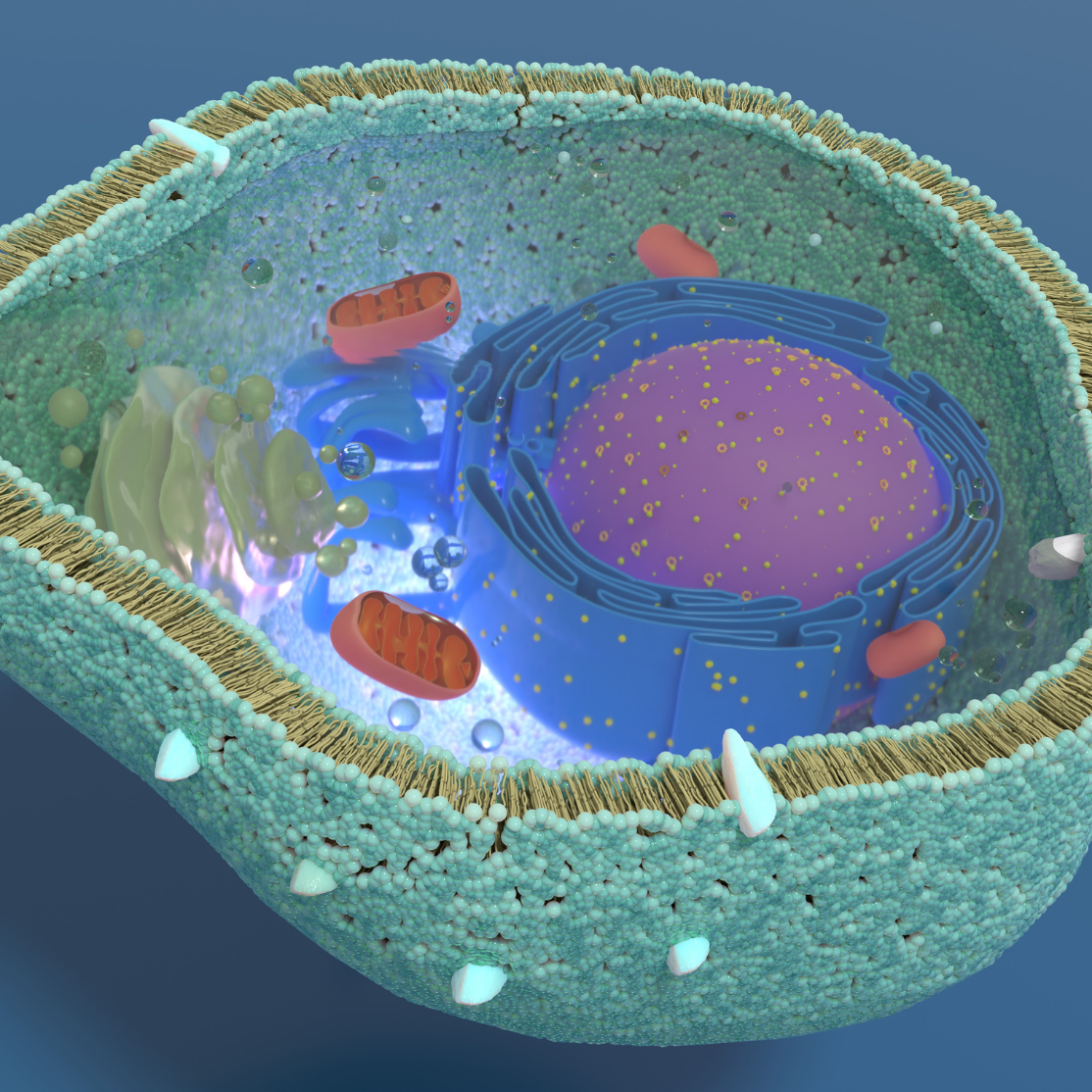
Q10, also known as co-enzyme Q10, coenzyme Q10 or coq10, is a fat-soluble, vitamin-like substance found in all human cells. It is closely involved in energy production in our mitochondria, the powerhouses of our cells.
The name ‘ubiquinone’ comes from the Latin “ubique” (everywhere), reflecting the fact that Q10 is present in almost all cell types. Your body produces it naturally, but production often declines with age or as a result of other factors.
The two best-known forms of Q10 are ubiquinone (the oxidised form) and ubiquinol (the reduced form). These 2 forms both serve the same function in the body, but ubiquinone is the most common form used in supplements. (source)
What is the difference between ubiquinone and ubiquinol?
Ubiquinone is the oxidised form of Q10, while ubiquinol is the reduced, active form. Although these names may sound complicated, the two forms work closely together in the body.
Ubiquinone has been the most widely used form in supplements for many years and is converted into ubiquinol by the body when needed. Ubiquinol supplements have become more popular in recent years because of their high bioavailability.
The most suitable form depends on personal preference and circumstances. This is why some people choose ubiquinone, while others opt for ubiquinol supplements.
How does Q10 work as a coenzyme in the body?
CoQ10 is an important coenzyme that occurs naturally in our bodies. Coenzymes are substances that work with enzymes to help biological processes run smoothly. Q10 is active in our mitochondria, the parts of our cells where energy is produced. There, it is involved in transferring electrons between different enzyme complexes, a step that is essential for producing energy in the form of ATP. (source)
Because the body produces Q10 itself, it is considered an endogenous cofactor. Research shows that Q10 production can decline with age. It is therefore understandable why some people choose to take a Q10 supplement.
Where is Q10 found naturally?
Some Q10 is produced in the body, but you can also get it from food. It is found in relatively high concentrations in:
- Offal, such as liver and heart
- Oily fish, such as sardines and mackerel
- Vegetable oils, such as soya and rapeseed oil
- Nuts and seeds
It is worth knowing that the absorption of Q10 from food or supplements depends on several factors, including its fat solubility. Some formulations use oil-based capsules or added ingredients such as vitamin E to improve absorption. (source)
Red yeast rice with Q10
Red yeast rice and Q10 are sometimes combined in supplements. A scientific study examined participants’ experiences with this combination. Among other things, the researchers looked at blood markers and the condition of the blood vessels. The results showed that the combination was well tolerated and was considered of interest for future research. (source)
CoQ10 in natural skincare
As well as being used in supplements, CoQ10, a substance naturally present in the body, is rapidly gaining popularity in natural skincare. A lovely example is the Royal Rose CoQ10 Serum by Living Libations, a powerful botanical Q10 serum combined with rosehip seed oil, essential oils and other skin-friendly ingredients. A subtle yet effective way to support your skin naturally.
Sources
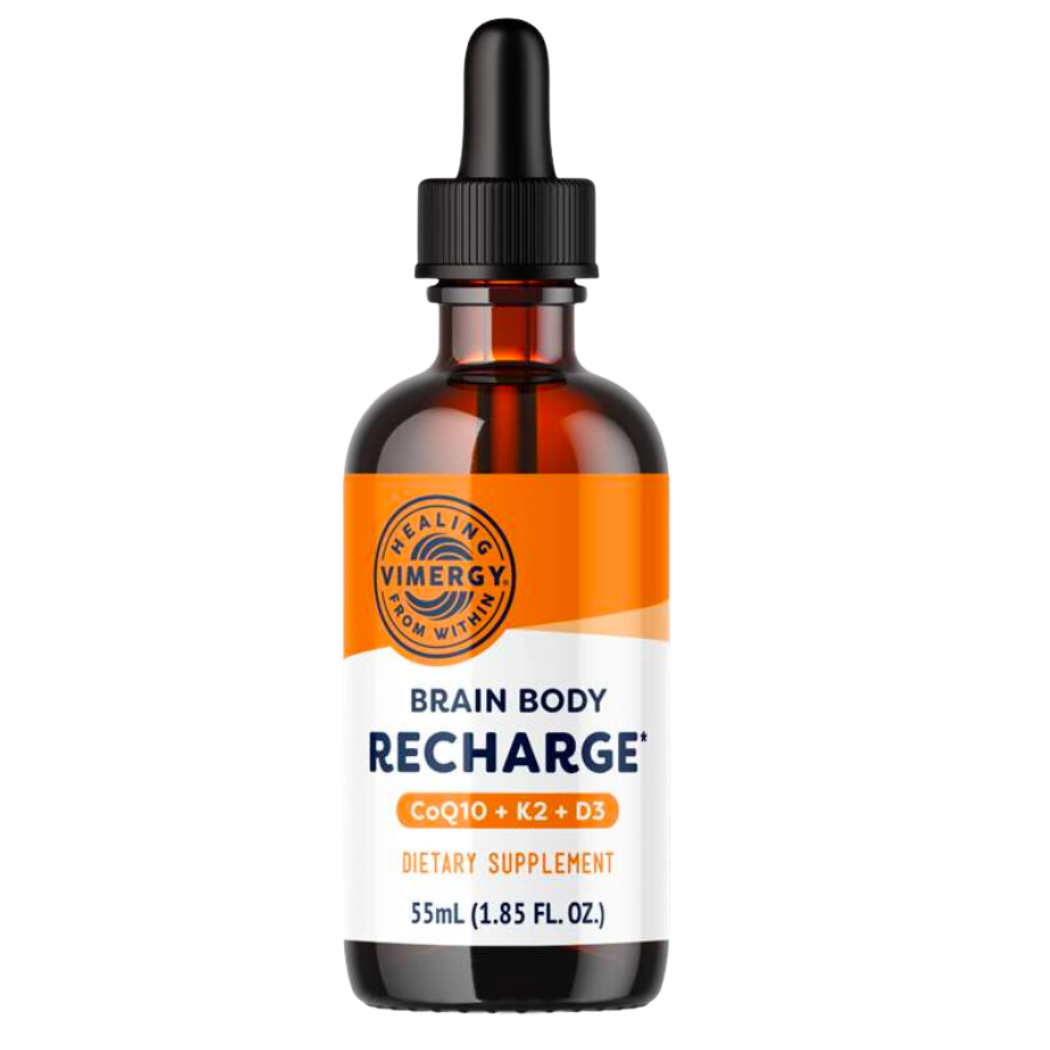
55ml | Liquid | Vitamin D, Vitamin K | Cholecalciferol, K2, Ubiquinone | United States of America
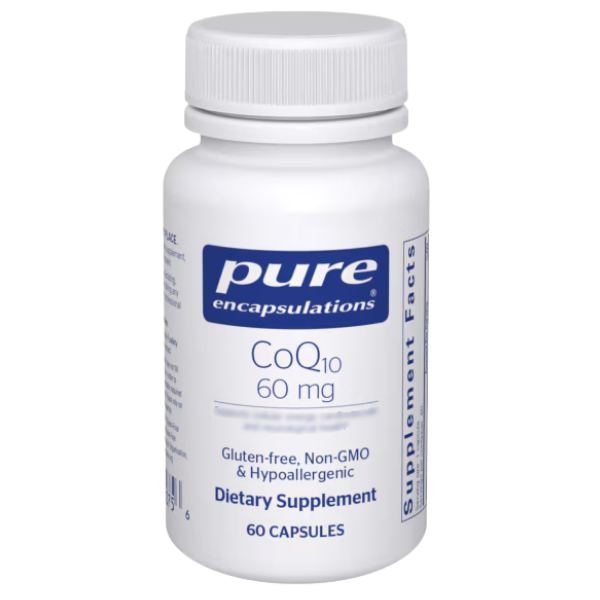
60 capsules | Capsules | Ubiquinone | United States of America
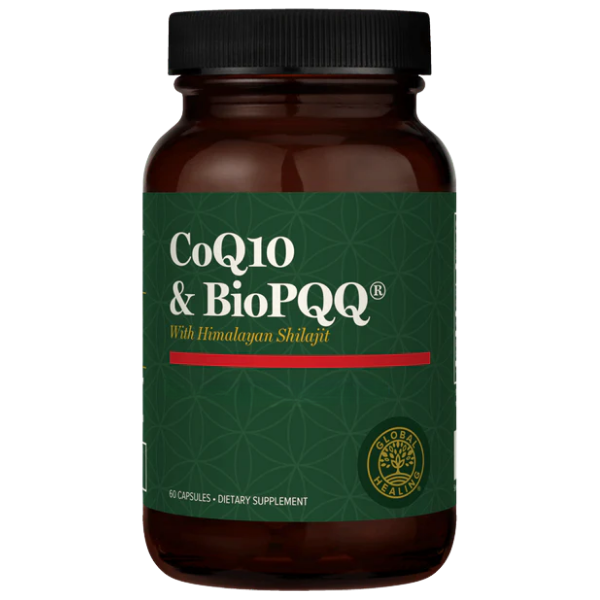
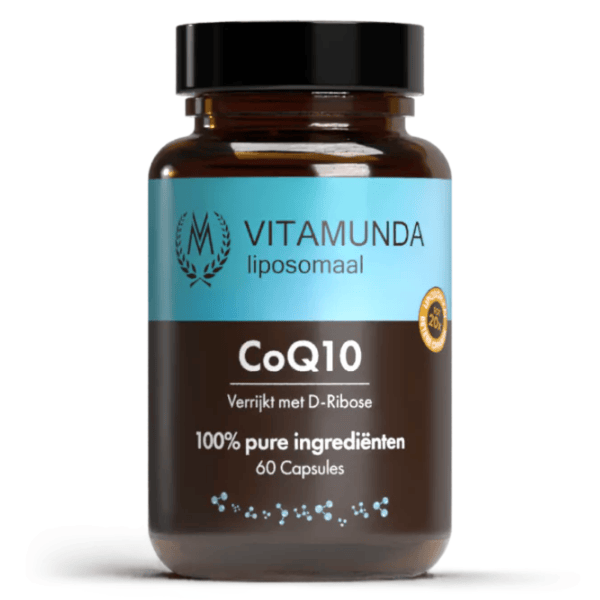
60 capsules | Capsules | Ubiquinone | United States of America

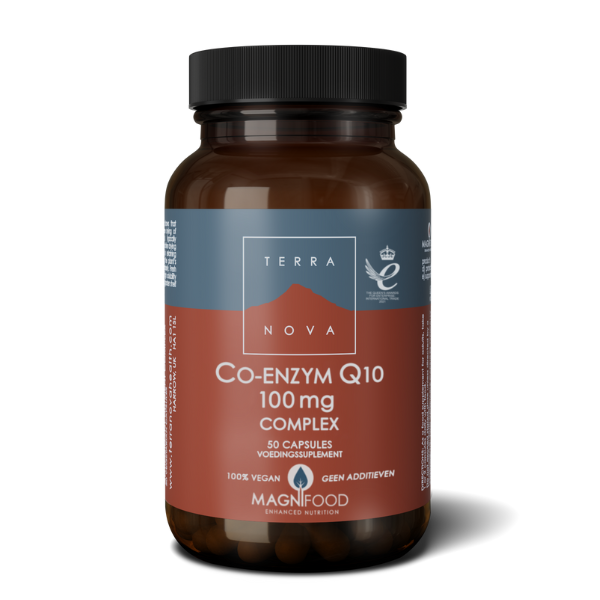
100 capsules, 50 capsules | Capsules | Ubiquinone | United Kingdom

225 ml | Liquid | Vitamin E | Ubiquinone | United States of America
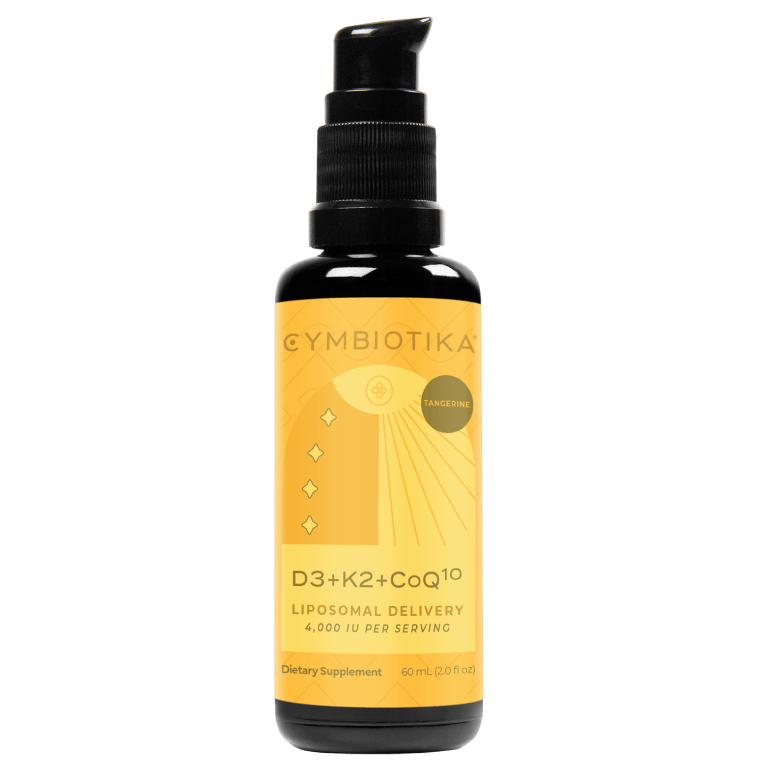
60ml | Liquid | Vitamin D, Vitamin K | Cholecalciferol, K2, Ubiquinol | United States of America
"I received a personal reply to my question! They dispatch straight away, good products and lovely people :)"
- Lissie
Date of experience: 08 July 2024
View all reviews
Our vision at Morgen is Nu: holistic health and wellbeing
At Morgen is Nu, everything revolves around finding balance. We offer natural products that contribute to both physical and mental health. For us, wellbeing comes from harmony between body, mind and the world around us. Read more about our vision and background.
Telephone: 0341 - 422 850
Our mission is that people with the correct information choose their health products
- Fat-soluble vitamins (A, D, E, K): Take with a meal containing fat.
- Water-soluble vitamins (C, B-complex): Can be taken at any time of the day. B12 is best absorbed on an empty stomach.
When combining supplements, it is important to follow the recommended daily dose for each product and avoid an excessive total intake of certain vitamins or minerals.
Everyone responds differently to supplements. Interactions between different food supplements are also possible. You use and combine supplements at your own responsibility. If you are unsure about combining different food supplements, we recommend consulting a professional.
Pay attention to how your body responds when taking supplements, and consult a doctor or pharmacist if you are taking medication, are pregnant or breastfeeding, or have a medical condition.