
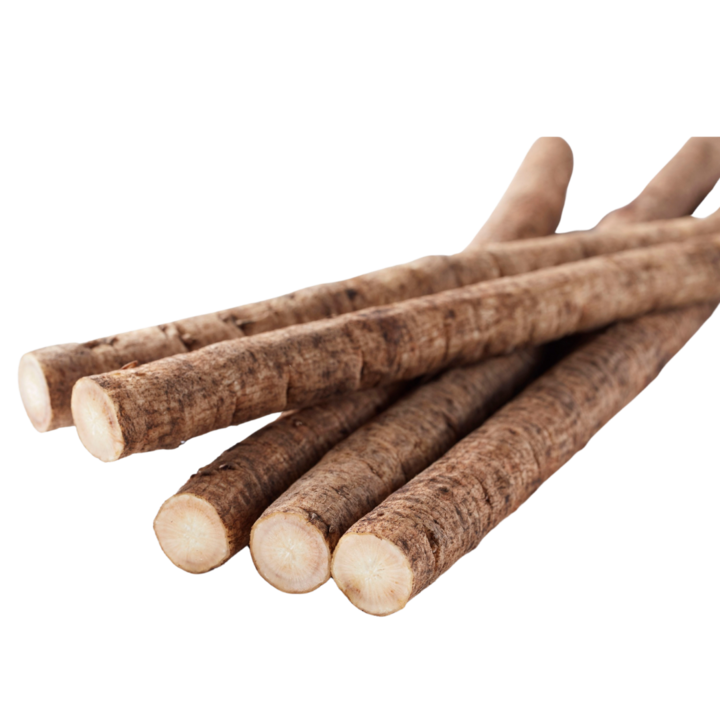
Burdock Root (Grote Klis)
Curious about the properties of Burdock Root, also known as greater burdock or Arctium lappa? This plant has been valued worldwide for centuries, both in cooking and in herbal medicine. In the Netherlands, greater burdock has become somewhat forgotten, but internationally, Burdock Root is still used for its rich composition. Here you can learn all about the origins, composition and uses of this distinctive herb.
Written by Lisanne - last updated 15-05-2025
Contents
- Our favourite Burdock Root extract
- What is Burdock Root (Grote Klis)?
- Historical use of greater burdock in herbal medicine
- Which active compounds does burdock root contain?
- How is Burdock Root used today?
- Research into Burdock Root: what does the science show?
- The benefits of greater burdock
- Sources
Our favourite Burdock Root extract
What is Burdock Root (Grote Klis)?
Burdock Root (also known as greater burdock) is the English name for the root of the plant Arctium Lappa, known in Dutch as grote klis, grote klit or kliswortel. This biennial plant belongs to the daisy family (Asteraceae) and grows naturally in Europe and Asia. The root is prized for its firm texture, earthy flavour and rich composition of bioactive compounds.
Although greater burdock is now a niche product, the root is still eaten as a vegetable in countries such as Japan. In the Netherlands, this use has become largely unfamiliar.
Historical use of greater burdock in herbal medicine
Greater burdock root has a long history of use. In traditional Chinese medicine (TCM), Burdock Root was described as a valuable ingredient centuries ago. In medieval European herbal medicine, the root was also used in herbal preparations for normal digestive function.* (source)
With its bitter notes and fibre-rich texture, greater burdock was traditionally known as a cleansing and strengthening herb. This reputation lives on in modern formulations.
Which active compounds does burdock root contain?
Burdock Root is rich in a range of bioactive compounds. According to a review in Phytotherapy Research, the root contains, among other things:
- Inulin: a soluble fibre from the fructan group
- Phenolic acids: such as chlorogenic acid and caffeic acid derivatives
- Polyacetylenes: unique fat-like compounds
- Lignans and flavonoids: including arctiin and quercetin
Burdock root also contains various minerals, including calcium, magnesium, potassium and manganese. (source)
This composition makes the plant of interest for both nutritional applications and phytotherapy research. (source)
How is Burdock Root used today?
Burdock Root is now available in a range of forms, including dried root and tinctures. The preparation method depends on its intended use, for example as part of a herbal tea or as a concentrated extract. (source)
In Japanese cooking, where it is known as "gobō", the root is often used in savoury dishes such as stews and stir-fries. Burdock Root is also regularly used in herbal medicine, where its fibre-rich composition and bioactive compounds play a role.
Research into Burdock Root: what does the science show?
The root of Arctium lappa is the subject of various studies, from laboratory research to human intervention studies. These often focus on the possible health effects of this herb. One interesting study suggests that burdock root extract may have a beneficial effect on the skin, particularly in relation to acne. (source)
Other research examines the nutritional properties of burdock root, such as the presence of inulin-type fructans. These compounds contribute to the quality of the root's fibre and make it an interesting candidate for use in functional foods. (source)
The benefits of greater burdock
Several health claims for greater burdock are under European review:
- Greater burdock contributes to normal blood sugar regulation*
- Greater burdock is good for the skin*
- Greater burdock has a positive effect on the immune system*
- Greater burdock contributes to normal digestive function*
- Greater burdock is good for kidney function*
* Health claim awaiting European approval
Sources

30ml | Liquid | Great Burdock | United States of America
"I've always been happy so far with both the products and the quick delivery."
- kristel
Date of experience: 17 April 2025
View all reviews
About Morgen is Nu - Holistic health shop
At Morgen is Nu, we work every day to support your health. Guided by a unique vision and years of experience, we select only the purest, highest-quality products. We take a holistic approach, focusing on physical balance and balance within and without.
Telephone: 0341 - 422 850
Our mission is that people with the correct information choose their health products
Burdock is generally well tolerated with normal use. However, it is important to be aware of the active compounds in the root, such as inulin and bitter compounds, which may cause digestive discomfort in some people. Mild reactions may occur with excessive use or in people who are sensitive to plants in the daisy family (such as dandelion or chamomile). If in doubt, always consult a qualified professional, especially if you take medication or have health problems.
A number of health claims for burdock have been legally submitted and are currently awaiting approval in Europe. According to these supporting sources, burdock may:
- contribute to normal blood sugar regulation*
- be good for the skin*
- have a positive effect on the immune system*
- contribute to normal digestive function*
- be good for kidney function*
* Health claim awaiting European approval
Yes, the root of greater burdock is edible. In some countries, such as Japan, burdock root (gobō) has been eaten for centuries, for example in stews and salads. This use is less familiar in Europe, where greater burdock is now mainly used as a herb. Only the young roots of first-year plants are suitable for eating; older roots become woody. Only use the plant if you are sure you have identified the right species.
In the Netherlands, burdock is often seen as a wild plant that grows on rough ground. It is common along paths, roadsides and on waste ground. Its sturdy stems, large leaves and distinctive burrs mean it is sometimes labelled a “weed”, especially in gardens. Yet the plant has a long history of use as a food plant and medicinal herb. Whether it is a weed depends on your perspective.
Burdock Root naturally contains a wide range of nutrients and bioactive compounds, including inulin (a prebiotic fibre), phenolic acids, flavonoids, lignans and various minerals such as magnesium and potassium. Researchers are studying the root in relation to skin health, oxidative stress and digestion, among other areas. Please note: health claims may only be made if they have been officially approved.
Most health claims are currently linked to vitamins, minerals and fatty acids. For herbs and botanicals, discussions have been ongoing for years. Various on-hold claims have been submitted for this. These are currently awaiting approval by the European Commission. The claims may therefore currently only be used if there is scientific substantiation for the health effect.