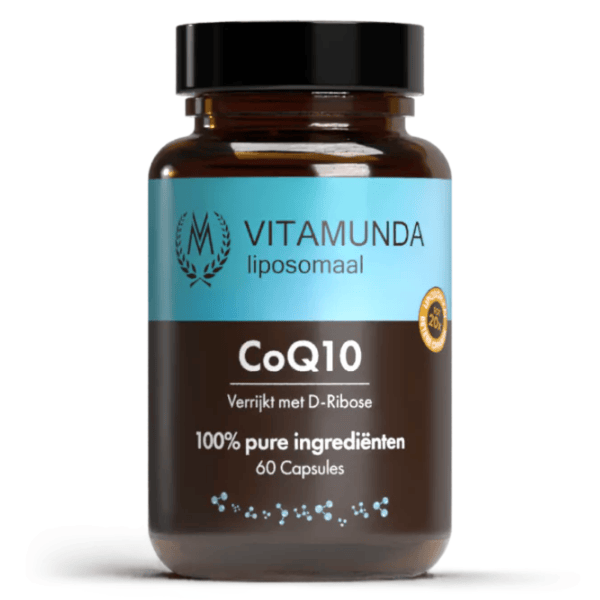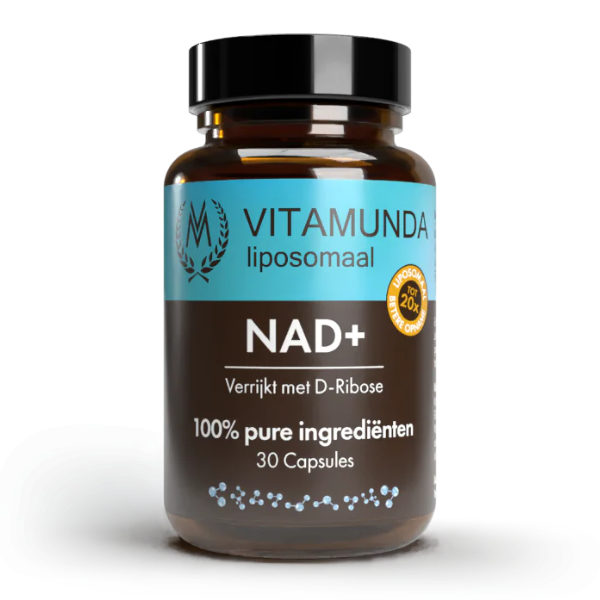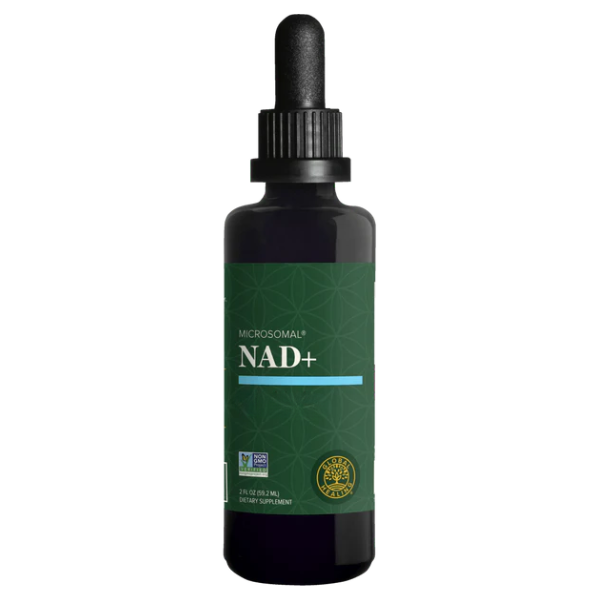
Coenzymes
Are you looking for a coenzyme supplement? Coenzymes are small molecules that work with enzymes and are involved in a range of biochemical processes. Some coenzymes are produced by the body itself, while others depend on nutrients or are obtained through food.
At Morgen is Nu, you will find a carefully selected range of high-quality coenzyme supplements, including coenzyme Q10 (CoQ10), PQQ (pyrroloquinoline quinone) and NAD+ (nicotinamide adenine dinucleotide). On this page, you can read about what coenzymes are, how they differ from enzymes and which coenzymes are currently attracting considerable scientific interest.
Written by Danielle, last updated on 29-06-2026.
Contents
- Our favourite coenzyme supplements
- What are coenzymes?
- What is the difference between enzymes and coenzymes?
- Coenzymes in scientific research
Our favourite coenzyme supplements
At Morgen is Nu, we believe in high-quality supplements with carefully selected ingredients.
Our favourite products in this category are:
Quality always comes first for us. That is why we only choose products with clearly stated ingredients, a pure formulation and no unnecessary additives.
What are coenzymes?
Coenzymes are small organic molecules that work with enzymes. While enzymes enable chemical reactions, coenzymes help support these reactions by temporarily transferring electrons, protons or other chemical groups. Without certain coenzymes, some enzymes cannot perform their function.
Many coenzymes are produced by the body itself. Others are formed from vitamins or other nutrients. Together, enzymes and coenzymes therefore play an important part in numerous biochemical processes.
What is the difference between enzymes and coenzymes?
Although the terms are often used interchangeably, enzymes and coenzymes are not the same. An enzyme is usually a protein that speeds up a chemical reaction. A coenzyme, on the other hand, is a small molecule that temporarily works with an enzyme to make that reaction possible. Once the reaction has taken place, the same coenzyme can be used again. Well-known examples of coenzymes include NAD+ andcoenzyme Q10.
Coenzymes in scientific research
Coenzymes are among the most extensively studied molecules in biochemistry. Researchers study how these substances work with enzymes, how they are formed and how they occur in cellular processes, among other things. It is important to distinguish between basic scientific research and legally authorised health claims. For several coenzymes, including PQQ and NAD+, no health claims are currently approved by the European Food Safety Authority (EFSA).
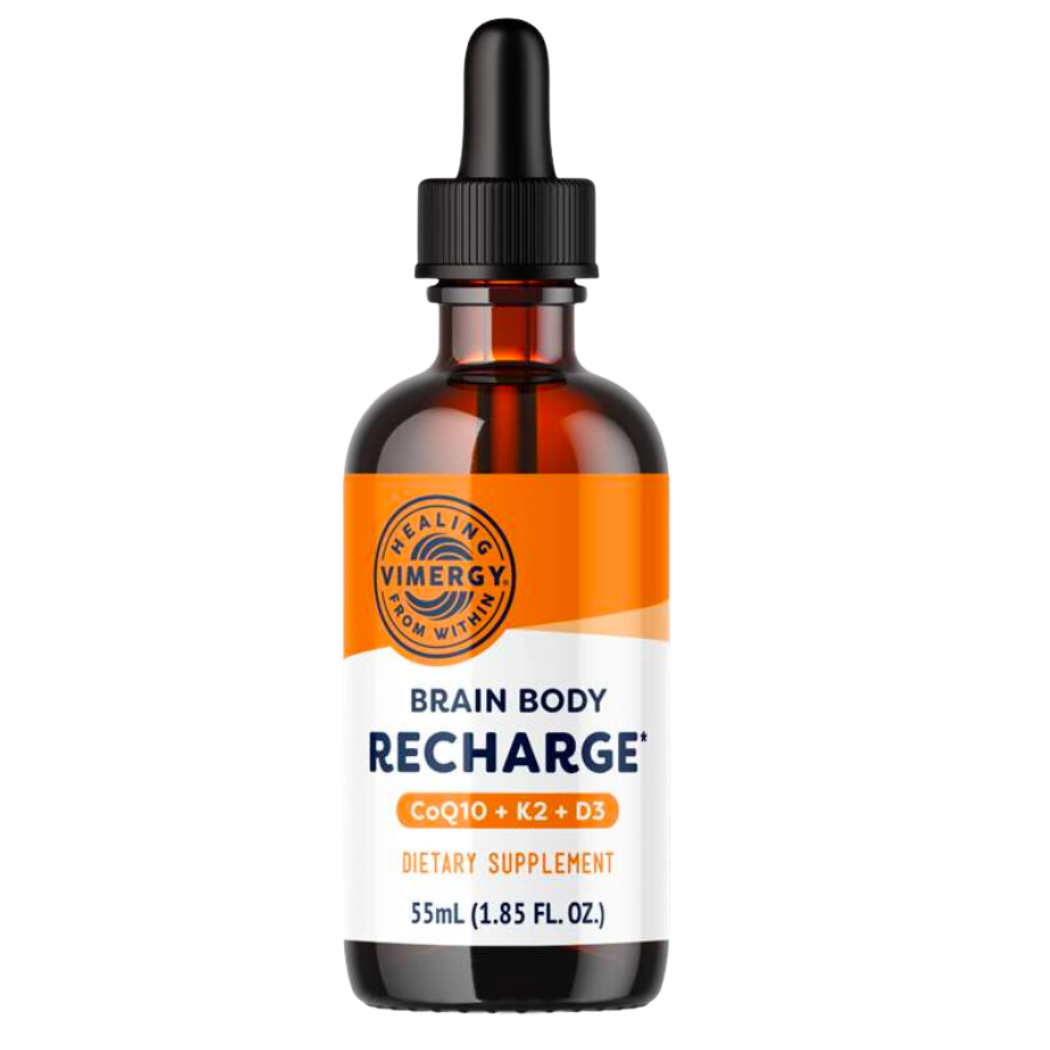
55ml | Liquid | Vitamin D, Vitamin K | Cholecalciferol, K2, Ubiquinone | United States of America
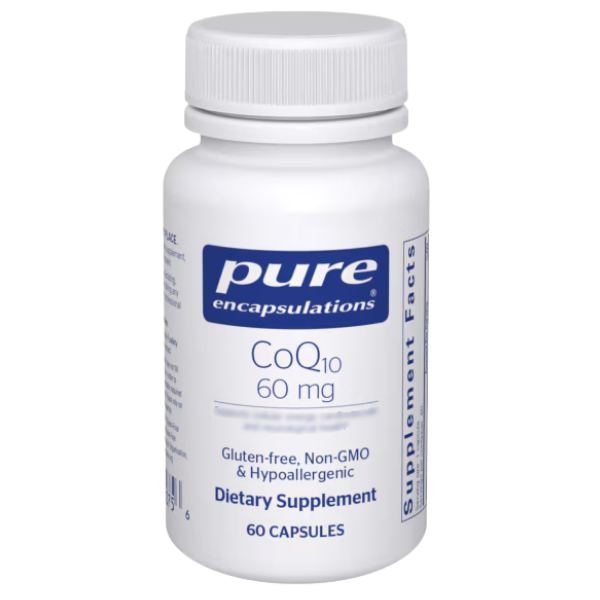
60 capsules | Capsules | Ubiquinone | United States of America
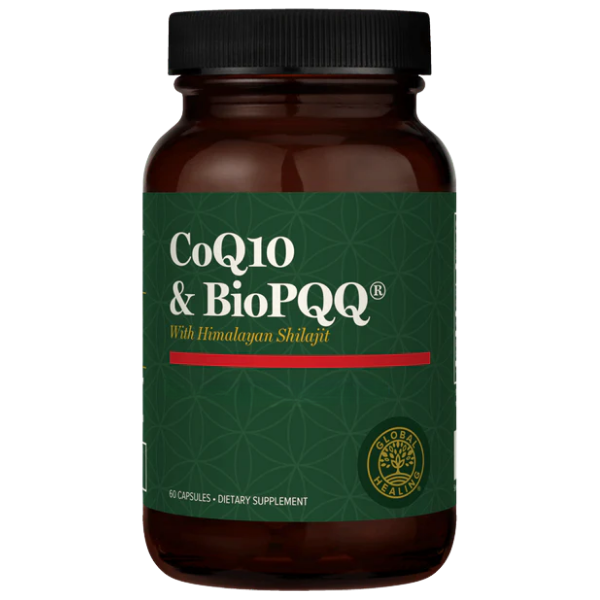
60 capsules | Capsules | Ubiquinone | United States of America

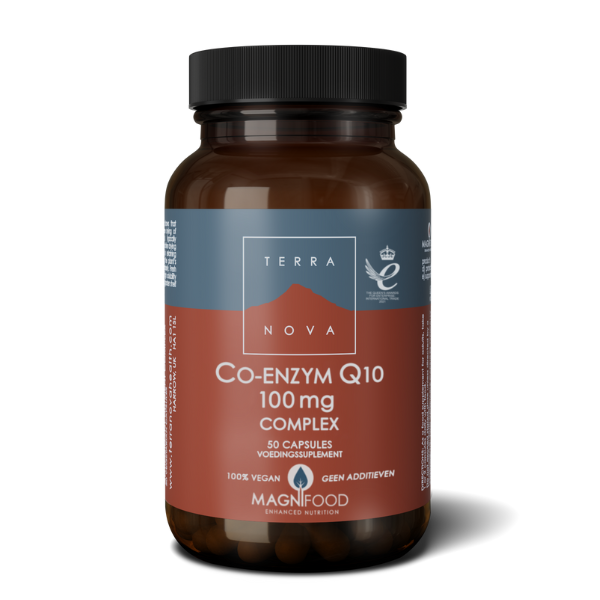
100 capsules, 50 capsules | Capsules | Ubiquinone | United Kingdom

225 ml | Liquid | Vitamin E | Ubiquinone | United States of America
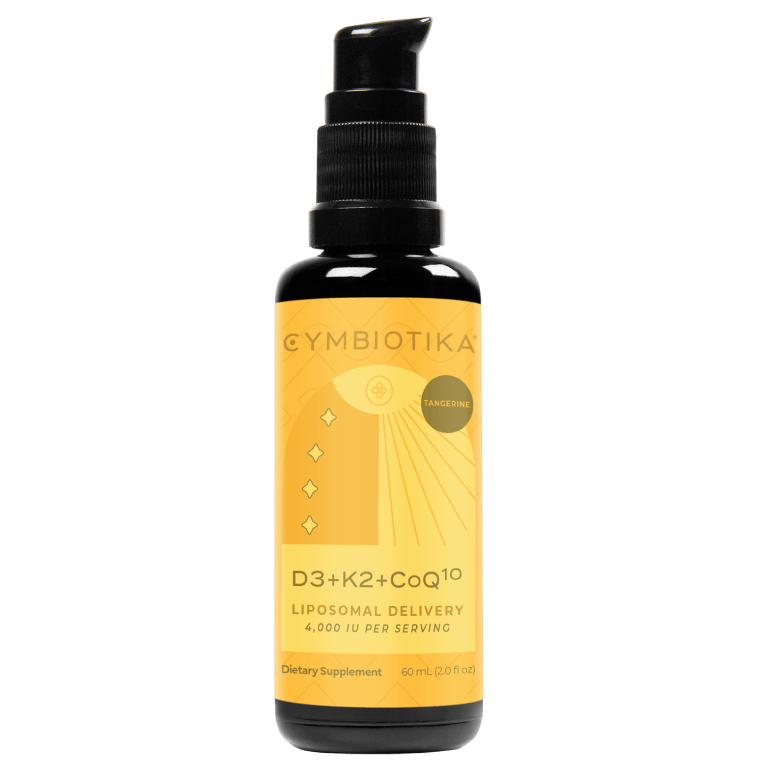
60ml | Liquid | Vitamin D, Vitamin K | Cholecalciferol, K2, Ubiquinol | United States of America