

Curcumin (Turmeric)
Looking to buy curcumin (turmeric) supplements? Turmeric is a bright yellow spice that you may know as turmeric root. Its main active compound is curcumin. Turmeric has been used for centuries in both cooking and traditional medicine. Today, this powerful ingredient is also popular as a supplement. On this page, you can read all about turmeric, its active compound curcumin, and what research has found.
By Lisanne, last updated: 08-10-2025.
Contents
- Our favourite curcumin supplements
- What is turmeric?
- What is the difference between turmeric and curcumin?
- How is turmeric used?
- What makes turmeric such a special spice?
- What does research say about curcumin?
- Curcumin and absorption: why does it matter?
- Sources
Our favourite turmeric supplements
What is turmeric?
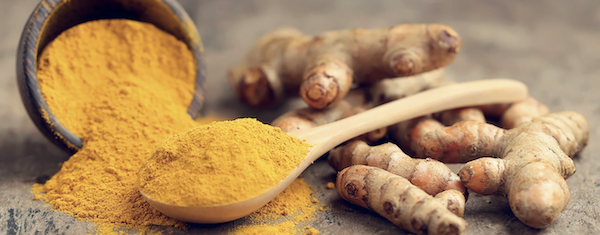
Turmeric (Curcuma longa) is a tropical plant in the ginger family. Its rhizome, commonly known as turmeric root, is used as a spice. In Indian and Southeast Asian cooking, turmeric gives dishes a distinctive colour and flavour. The active compounds in turmeric belong to a group called curcuminoids, of which curcumin is the best known.
The root has been used for thousands of years in traditional systems of medicine, such as Ayurveda and Chinese herbal medicine. In recent decades, there has also been increasing scientific research into turmeric, particularly its active compound curcumin.
What is the difference between turmeric and curcumin?
Although the terms are often used interchangeably, they are not the same. Turmeric refers to the whole root or the powder made from it. Curcumin is one of the main active compounds in turmeric and belongs to the curcuminoids. This compound is responsible for the bright yellow colour and is the most widely studied for its potential biological properties.
While whole turmeric contains several phytonutrients, scientific research often focuses specifically on the effects of curcumin.
How is turmeric used?
Turmeric has been used in various ways for centuries and is now more popular than ever. In cooking, turmeric powder is used to give dishes such as curries, soups and smoothies a warm colour and earthy flavour. More and more people are also drinking turmeric tea, for example with ginger or black pepper.
Turmeric is also available as a supplement, often in the form of turmeric capsules or tablets. These are sometimes combined with piperine (black pepper extract) to improve curcumin absorption.
Something you may hear less about: turmeric is also used in skincare products. Turmeric soap, for example, is becoming increasingly popular, partly because of its lovely natural colour and its centuries-old use in traditional personal care rituals. In tea, food or supplement form, this spice is a staple of a natural lifestyle for many people.
What makes turmeric such a special spice?
What makes turmeric special is its unique combination of centuries of use and growing scientific interest. According to health claims, turmeric may support the body in several ways:
- Turmeric has a positive effect on the immune system*
- Turmeric contributes to normal joint function*
- Turmeric contributes to normal digestive function*
- Turmeric contributes to normal liver function*
- Turmeric contributes to the normal function of the heart and blood vessels*
- Turmeric contributes to normal cholesterol levels*
What does research say about curcumin?
Now that you know the difference between turmeric and curcumin, it is worth taking a closer look at this active compound. Curcumin has been studied for many years. Some studies describe the role of curcumin in cellular processes and oxidative stress in the body (source).
There is also extensive research into the effects of curcumin on the immune system. These studies show that curcumin affects various immune cells, including macrophages, T cells and B cells, and may inhibit pro-inflammatory substances while stimulating anti-inflammatory responses (source).
The two health claims officially approved for curcumin are:
- Curcumin has an antioxidant effect*
- Curcumin is good for the immune system*
Curcumin and absorption: why does it matter?
When taken orally, curcumin is absorbed by the body only to a limited extent. This is due to its rapid breakdown in the gut and liver. Various methods have therefore been developed to improve the bioavailability of curcumin, such as:
- Combining it with black pepper (piperine): this slows the breakdown of curcumin.
- SLCP (solid lipid curcumin particles): fat particles that transport curcumin more effectively.
- Liposomal technology: this involves enclosing curcumin in a fatty layer (liposome), which may help improve absorption without the use of heat, pressure or chemicals.
Sources
- Curcumin Supplementation and Human Disease: A Scoping Review of Clinical Trials
- Curcumin as a wound healing agent
- Curcumin for the treatment of major depression: a randomised, double-blind, placebo controlled study
- Immunomodulatory Effects of Curcumin in Rheumatoid Arthritis: Evidence from Molecular Mechanisms to Clinical Outcomes
* Health claim awaiting European approval.

30 capsules | Capsules | Turmeric, Curcumin | Netherlands

90 capsules | Capsules | Turmeric, Curcumin | Netherlands

90 capsules, 270 capsules | Capsules | Turmeric, Curcumin | United States of America


60 drops | Gummies | Turmeric | United States of America

60 capsules | Capsules | Turmeric, Curcumin | Netherlands

84 capsules | Capsules | Turmeric, Vitamin B1, Dandelion, Artichoke | United States of America

60ml | Liquid | Turmeric | United States of America


60 capsules | Capsules | Turmeric | United States of America
"Very friendly customer service! I've received helpful, friendly advice several times, with information and answers to my questions about products. And I'm pleased that orders are delivered quickly and with care."
- Angelique Banis
Date of experience: 16 May 2025
View all reviews
About Morgen is Nu - Holistic health shop
At Morgen is Nu, we work every day to support your health. Guided by a unique vision and years of experience, we select only the purest, highest-quality products. We believe in a holistic approach centred on physical, inner and outer balance.
Phone: 0341 - 422 850
Blog about curcumin
Curcumin has been valued for thousands of years for its wide-ranging effects. But did you know that this powerful substance is naturally poorly absorbed by the body? In our latest blog, we explore bioavailability and why it is such an important consideration when choosing a supplement.
You'll learn why some techniques improve absorption but don't always preserve purity. Want to know how to get the most out of curcumin? Read on to find out.
Turmeric is known for its many uses as part of a healthy lifestyle. Within the European Union, several health claims have been approved for turmeric. These include the statement that turmeric has a positive effect on the immune system* and contributes to the normal function of:
- the joints*
- the digestive system*
- the liver*
- the heart and blood vessels*
- cholesterol levels*
These scientifically substantiated claims make turmeric a popular natural supplement for people who want to support their overall health.
Turmeric is generally well tolerated when used as directed. However, high doses or long-term use may cause mild stomach or intestinal discomfort. Always discuss use during pregnancy or if you have an existing medical condition with a doctor or healthcare professional.
The recommended amount varies by use and product. Supplements often contain a standardised amount of curcumin. Always follow the recommended dosage on the label or seek advice from a qualified professional. When using turmeric in food and drinks (such as turmeric tea or powder), moderate amounts are sufficient.
Turmeric has an earthy, warm flavour with a slightly bitter, peppery undertone. It is a commonly used spice in curries, soups and tea, and is known for its distinctive yellow colour.
There is no legally established maximum duration for taking curcumin. When consumed in food or taken as a supplement at the recommended dosage, it can be used long term. If in doubt or considering long-term use, always consult a doctor or qualified professional.
There has been a lot of research into the possible effects of taking turmeric or curcumin daily. However, most findings come from laboratory or animal studies. Although turmeric has legally permitted claims, such as supporting the immune system and digestion*, more research is needed to substantiate other long-term effects in humans.
Turmeric is considered safe when used within the recommended amounts. As with any supplement or herb, excessive or incorrect use can carry risks. Always consult a doctor first if you have health concerns, are pregnant or are taking medication.
Most health claims currently relate to vitamins, minerals and fatty acids. Discussions about herbs and botanicals have been ongoing for years. Various on-hold claims have been submitted for these. They are currently awaiting authorisation by the European Commission. These claims may therefore currently only be used if there is scientific evidence to support the health effect.
Herbs can have an effect on the body and may, in some cases, interact with medication or other food supplements.
You are responsible for your own use and combination of herbal supplements. Consult a doctor or pharmacist if you take medication or have health concerns. The use of herbs during pregnancy or breastfeeding is generally not recommended due to insufficient evidence of their safety. If you want to take several herbal supplements at the same time and are unsure, consult a healthcare professional.