
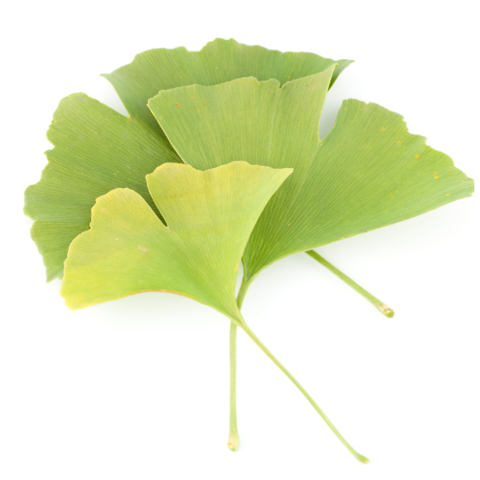
Ginkgo Biloba
Looking to buy Gingko Biloba? Gingko Biloba is also known as the Japanese nut tree or maidenhair tree. Discover more about this ancient plant and why it is still valued around the world.
By Stefan, last updated: 17-06-2025.
Contents
- Our favourite Gingko Biloba supplements
- What is Gingko Biloba?
- Gingko Biloba: the world's oldest tree species
- The powerful compounds in Gingko Biloba
- The benefits of Gingko Biloba
- Sources
Our favourite Gingko Biloba supplements
- Ginkgo Leaf (Gingko Biloba) by Nature’s Answer
- Gingko Leaf Caps by Gaia Herbs
- Cognitive Blend by KIKI Health
What is Gingko Biloba?
Ginkgo biloba is the only surviving species in the Ginkgoaceae family and is known as a living fossil. The tree has distinctive, fan-shaped leaves and is often called the Japanese nut tree or maidenhair tree, because the leaf structure resembles a lock of a woman's hair. Its Latin name is Ginkgo biloba L.
The leaves of this tree have been used in traditional Eastern medicine for centuries. Gingko Biloba supplements are now also gaining popularity in the West. Modern uses mainly involve a standardised extract from the leaves.
Gingko Biloba: the world's oldest tree species
Ginkgo biloba is no ordinary tree; it is a survivor from prehistoric times. The earliest Ginkgo-like fossils date back more than 200 million years, to the early Jurassic period. This makes it one of the oldest tree species in the world, having survived events including the Cretaceous-Palaeogene mass extinction and the Ice Ages. (source)
The tree is native to China, where it was often planted near temples as a sacred tree. Ginkgo only became known in Europe in the 17th century, when the German physician Engelbert Kaempfer described it. Since then, Ginkgo biloba has been cultivated worldwide, mainly as an ornamental tree for its distinctive leaves and striking autumn colours.
A remarkable fact: six Ginkgo trees even survived the atomic bombing of Hiroshima and are still standing there today. That says something about the resilience of this species. (source)
The powerful compounds in Gingko Biloba
Ginkgo leaves contain a complex range of bioactive compounds. The best-known groups are:
- Flavonoids (such as quercetin and kaempferol): powerful plant compounds.
- Terpene lactones: including ginkgolides (A, B, C) and bilobalide. (source)
The benefits of Gingko Biloba
Gingko Biloba has several benefits, including:
- Ginkgo Biloba contributes to the normal function of the heart and blood vessels*
- Ginkgo Biloba contributes to normal memory function*
- Ginkgo Biloba contributes to learning ability*
* Health claim awaiting European approval
Sources

30ml | Liquid | Ginkgo Biloba | United States of America
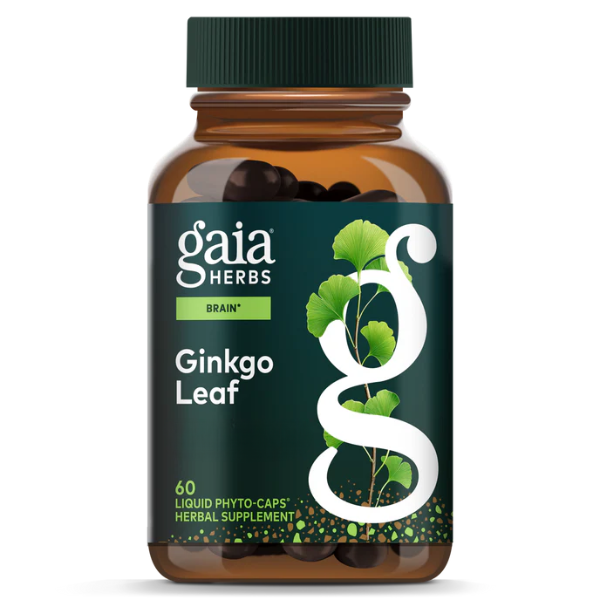
60 capsules | Capsules | Ginkgo Biloba | United States of America
"Ordered about 20 times already. Reliable and fast delivery
I've ordered products from Morgen is Nu about 20 times now. The orders have always arrived promptly and in good order. Their products are very good."
- Pieter
Date of experience: 02 June 2025
View all reviews
About Morgen is Nu - Holistic health shop
At Morgen is Nu, we work to support your health every day. Guided by a distinctive vision and years of experience, we select only the purest, highest-quality products. We believe in a holistic approach centred on physical, inner and outer balance.
Telephone: 0341 - 422 850
Our mission is to help people choose their health products with the right information
Ginkgo biloba has been used traditionally for centuries. Today, a standardised extract from the leaves is most commonly used. Under European legislation, Ginkgo biloba may currently be linked to a contribution to:
- normal heart and blood vessel function*
- normal memory function*
- learning ability*
Ginkgo biloba is often taken daily as part of a healthy lifestyle. If you choose to take it daily, it is important to follow the recommended dosage and choose a high-quality supplement. Do you have any health concerns or take medication? Always consult a doctor before taking Ginkgo biloba long term.
Ginkgo biloba is generally well tolerated. In some cases, mild side effects may occur, such as:
- headaches
- stomach complaints
- skin reactions
Most people take Ginkgo biloba in the morning or early afternoon. This is because the herb is often used to support cognitive functions such as memory and learning ability*. Taking it during the day fits well with this. It is best to take the supplement with a meal.
*Health claim awaiting European authorisation.
Ginkgo biloba is not suitable for everyone. It is not recommended for:
- people taking anticoagulants (such as warfarin)
- people with an increased risk of bleeding
- women who are pregnant or breastfeeding
- people due to have surgery soon (consult a doctor about stopping use)
Most health claims currently relate to vitamins, minerals and fatty acids. Discussions about herbs and botanicals have been ongoing for years. Various on-hold claims have been submitted for these. They are currently awaiting authorisation by the European Commission. These claims may therefore currently only be used if there is scientific evidence to support the health effect.
Herbs can have an effect on the body and may, in some cases, interact with medication or other food supplements.
You are responsible for your own use and combination of herbal supplements. Consult a doctor or pharmacist if you take medication or have health concerns. The use of herbs during pregnancy or breastfeeding is generally not recommended due to insufficient evidence of their safety. If you want to take several herbal supplements at the same time and are unsure, consult a healthcare professional.