
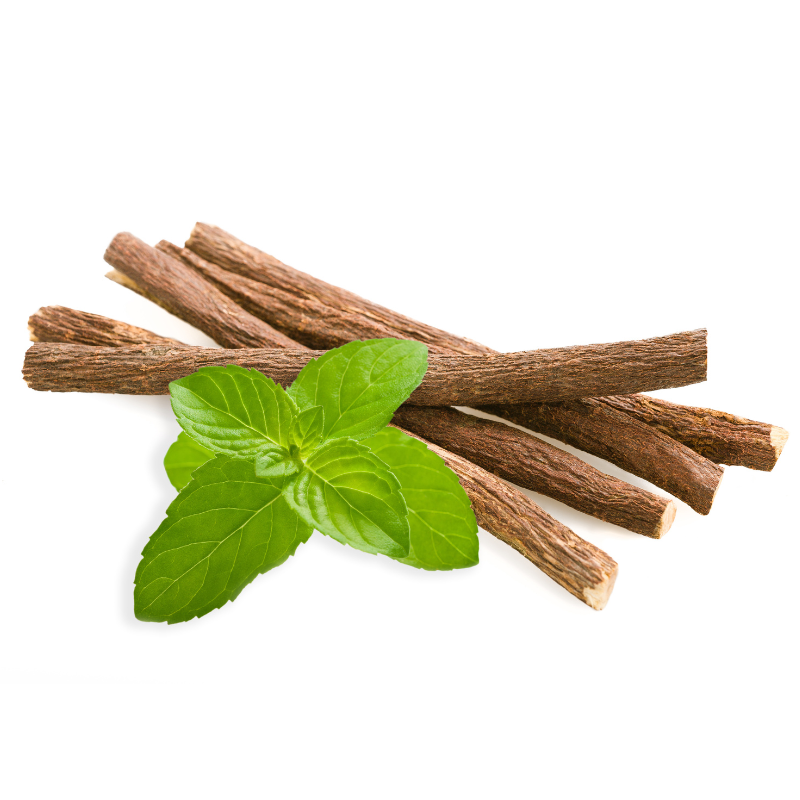
Licorice (Zoethout)
Would you like to take liquorice as a supplement? Liquorice is the root of the Glycyrrhiza glabra plant and is also known as licorice or licorice root. You may know it as an ingredient in sweets, but this plant has a much wider range of uses. Liquorice has been used in traditional medicine for thousands of years, from China to the Middle East. Today, it continues to attract considerable interest in natural health. On this page, you can read more about its effects, origins and role as a supplement.
By Stefan, last updated: 14-05-2025
Contents
- Our favourite liquorice extracts
- What is liquorice?
- The history of liquorice: from China to the Middle East
- The plant and its active constituents
- Traditional and modern uses of liquorice
- What does science say about liquorice?
- How can you take liquorice?
- Sources
Our favourite liquorice extracts
What is liquorice?
Liquorice, or licorice root, comes from the root of the Glycyrrhiza glabra plant. The Dutch name ‘zoethout’, meaning ‘sweet wood’, refers to the root’s sweet taste, which comes from a constituent called glycyrrhizin. This substance is up to 50 times sweeter than sugar. Both English spellings, licorice and liquorice, are widely used.
As well as being used in tea and sweets, liquorice has been used in herbal medicine for centuries. Its uses extend well beyond flavouring: liquorice is also the subject of extensive scientific research.
The history of liquorice: from China to the Middle East
Liquorice has a rich history. The ancient Chinese herbal text Shennong Bencao Jing already described Gan Cao (the Chinese name for liquorice) as an important herb. In this tradition, it is also known as ‘the great harmoniser’, because of its supporting role in herbal formulas.
Liquorice has also been valued in other cultures. Liquorice root was found in the tomb of Pharaoh Tutankhamun, and Syrian clay tablets from the 9th century BC already included a recipe containing liquorice. In ancient Greece, the root was used to support the stomach*. Over the centuries, liquorice remained a valued ingredient. From China to the Middle East and Europe.
The plant and its active constituents
Liquorice root contains a wide range of bioactive compounds. The most important and most widely researched are:
- Glycyrrhizin and glycyrrhetinic acid
- Liquiritin and liquiritigenin
- Polysaccharides (also known as mucilage)
- Flavonoids and saponins
These active compounds in liquorice are particularly relevant to the two recognised health claims: liquorice contributes to normal stomach function and supports normal digestive function.* (source)
Traditional and modern uses of liquorice
From liquorice sticks to liquorice tea, this root has many uses. In traditional systems such as Chinese and Ayurvedic medicine, liquorice plays a central role in harmonising herbal formulas. It was also a regular ingredient in cough syrups in European folk medicine for a long time.
Today, liquorice is also used in extracts, capsules and tinctures. At Morgen is Nu, we choose high-quality concentrated tinctures that retain the full spectrum of active compounds. Always without unnecessary additives.
What does science say about liquorice?
Scientific research into Glycyrrhiza glabra focuses on various aspects. There are indications that certain constituents, such as glycyrrhizin and flavonoids, play a positive role in the body. For example, the Literatuur explores:
- The pharmacological properties of glycyrrhizin (source)
- The role of liquorice extract in normal stomach function (source)
Although these studies offer interesting insights, further research is needed before conclusions can be drawn.
How can you take liquorice?
There are several ways to use liquorice. You can chew pieces of liquorice root. This takes quite a bit of chewing, with the liquorice flavour released very slowly. You can also make herbal tea from the powdered root. Another option is to use extracts, which are highly concentrated. Our range includes a selection of distinctive, potent and pure liquorice extracts.
Sources
- Bioactive compounds in Glycyrrhiza glabra
- Glycyrrhizin: pharmacological properties
- Glycyrrhiza glabra and gastric protection
* Health claim awaiting European authorisation.
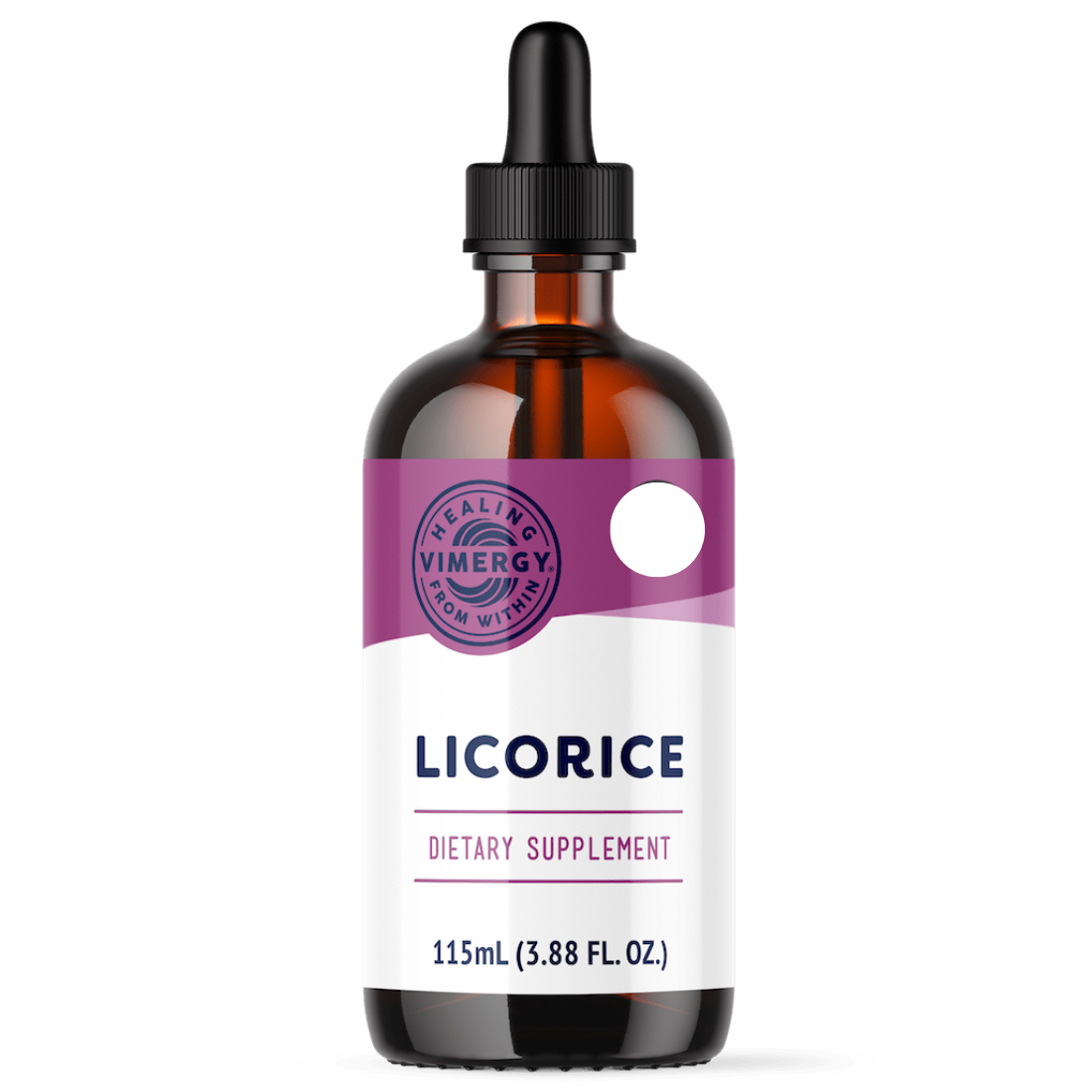

30ml | Liquid | Licorice | United States of America
"Delivery is always quick. I have ordered these products several times before, and they are of high quality."
- Catharina Claessens
Date of experience: 9 May 2025
View all reviews
About Morgen is Nu - Holistic health shop
At Morgen is Nu, we are committed to your health every day. Guided by a unique vision and years of experience, we select only the purest, highest-quality products. We believe in a holistic approach centred on physical, inner and outer balance.
Telephone: 0341 - 422 850
Our mission is that people with the correct information choose their health products
Liquorice root has been used for centuries in various cultures for its distinctive flavour and versatile uses. The root naturally contains bioactive compounds such as glycyrrhizin and flavonoids. These compounds have been studied in scientific research and are associated with the following effects:
- Supports normal stomach function*
- Supports normal digestive function*
The English name for zoethout is licorice. In British English, the spelling liquorice is also used. Both terms refer to the root of the plant Glycyrrhiza glabra, known in the Netherlands as zoethout.
The compounds in liquorice root have been studied extensively. Glycyrrhizin, polysaccharides and flavonoids are often the focus of these studies. Under European regulations, two health claims are provisionally permitted: liquorice root contributes to the normal functioning of the stomach and digestion.* Other effects are discussed in studies, but further research is needed.
When liquorice is consumed excessively, particularly in concentrated form or in large quantities, its glycyrrhizin content can be a factor. In some cases, this may lead to raised blood pressure or an imbalance in salt levels. Caution is therefore advised with long-term use or high doses, especially for people with high blood pressure or those taking certain medicines. If in doubt, consult a doctor or therapist.
Liquorice originates from Southern Europe, the Mediterranean region and Western Asia. The root of the Glycyrrhiza glabra plant was used thousands of years ago in traditional medicine in China, India, the Middle East and, later, Europe. Liquorice was even found in Tutankhamun's tomb, a sign of its historical importance.
Although its Dutch name ‘zoethout’ means ‘sweet wood’, it is not wood from a tree trunk. It is the dried root of the liquorice plant (Glycyrrhiza glabra), which has a woody structure. Its hard, fibrous texture makes it resemble a small stick of wood, but it is actually root material from a herbaceous plant.
Chewing liquorice root is a traditional way of using it, allowing its flavour and compounds to be released slowly. Although many people find this pleasant or soothing, the same advice applies: use in moderation. The only health claims permitted by law are that liquorice contributes to normal stomach function and digestion*. Anyone planning to use liquorice extensively should consider the form, dosage and their personal circumstances.
Most health claims are currently linked to vitamins, minerals and fatty acids. For herbs and botanicals, discussions have been ongoing for years. Various on-hold claims have been submitted for this. These are currently awaiting approval by the European Commission. The claims may therefore currently only be used if there is scientific substantiation for the health effect.