
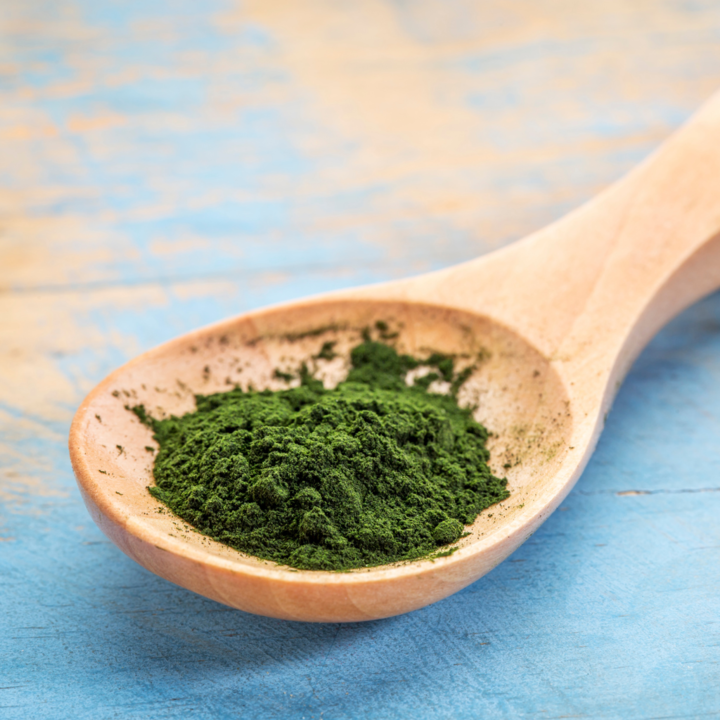
Chlorella
Looking to buy Chlorella? This single-celled green alga is known for its rich nutritional profile and is used worldwide as a natural supplement. Find out all about Chlorella, its nutrients, how it differs from Spirulina and the benefits of Chlorella.
By Stefan, last updated: 05-06-2025.
Contents
- Our favourite Chlorella supplements
- What is Chlorella
- The nutrients in Chlorella
- What is the difference between Chlorella and Spirulina?
- The benefits of Chlorella
- Sources
Our favourite Chlorella supplements
What is Chlorella
Chlorella is a single-celled green microalga that occurs naturally in fresh water. Its name comes from the Greek word chloros (green) and the Latin ella (small). There are several species, of which Chlorella vulgaris and Chlorella pyrenoidosa are the most commonly used in supplements.
What makes Chlorella so special is its rich cellular structure and exceptionally high chlorophyll content. This microalga has been studied for decades for its potential as a natural food source.
The nutrients in Chlorella
Chlorella is naturally rich in essential nutrients. These are the most notable:
- Protein: Chlorella contains up to 60% protein, including all nine essential amino acids
- Vitamins: Contains vitamin B12 (active form), B-complex vitamins, vitamin C and E, among others
- Minerals: Rich in iron, magnesium, potassium and zinc
- Omega fatty acids: Small amounts of omega-3 fatty acids such as ALA
- Chlorophyll: One of the richest natural sources of chlorophyll
These nutrients make Chlorella a versatile supplement, particularly for those following a plant-based diet.
What is the difference between Chlorella and Spirulina?
Chlorella and Spirulina are often mentioned together, but they are fundamentally different organisms, each with their own characteristics.
Chlorella is a single-celled green alga with a tough cell wall that must first be broken down so it can be absorbed properly. Spirulina is a multicellular cyanobacterium (technically not a true alga) with a softer structure, making it easier to digest.
Chlorella has a dark green colour because of its high chlorophyll content. Spirulina is blue-green and contains more phycocyanin. There are also nutritional differences: Chlorella contains active vitamin B12 (methylcobalamin), while Spirulina mainly contains a form of B12 that is less readily absorbed. (source)
For many people, Chlorella and Spirulina complement each other well. Their different compositions mean they are often used together to provide a broader range of nutrients.
The benefits of Chlorella
This distinctive alga has several health benefits, including:
- Chlorella contributes to the normal function of the immune system*
- Chlorella contributes to normal energy metabolism*
* Health claim awaiting European approval.
Sources
- Characterization and Bioavailability of vitamin B12-Compounds from Edible Algae
- Morphology, composition, production, processing and applications of Chlorella vulgaris: A review
- New insights into Chlorella vulgaris applications
- Chlorella vulgaris: A Multifunctional Dietary Supplement with Diverse Medicinal Prope_
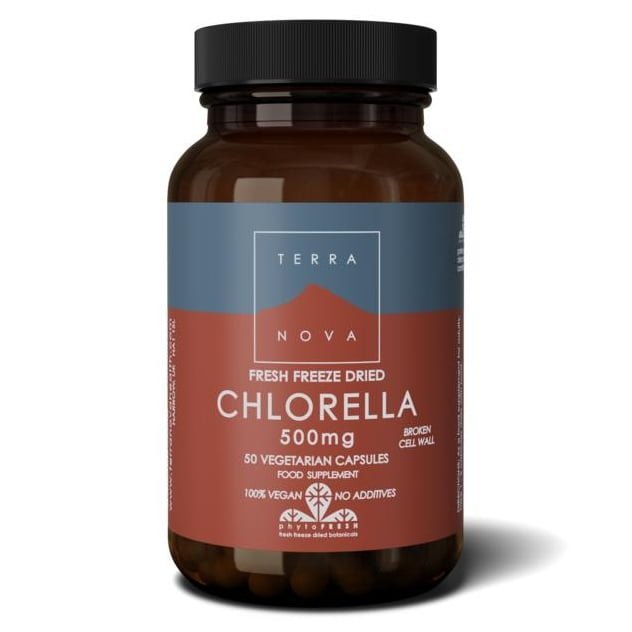
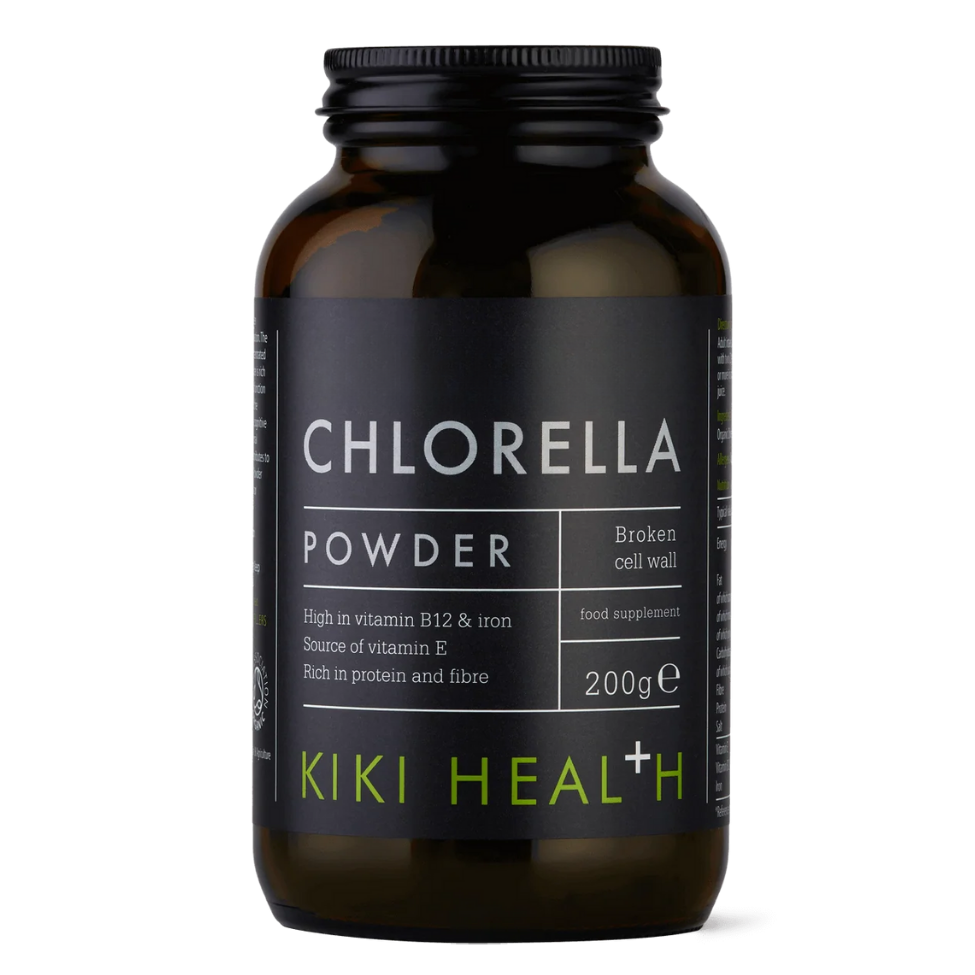
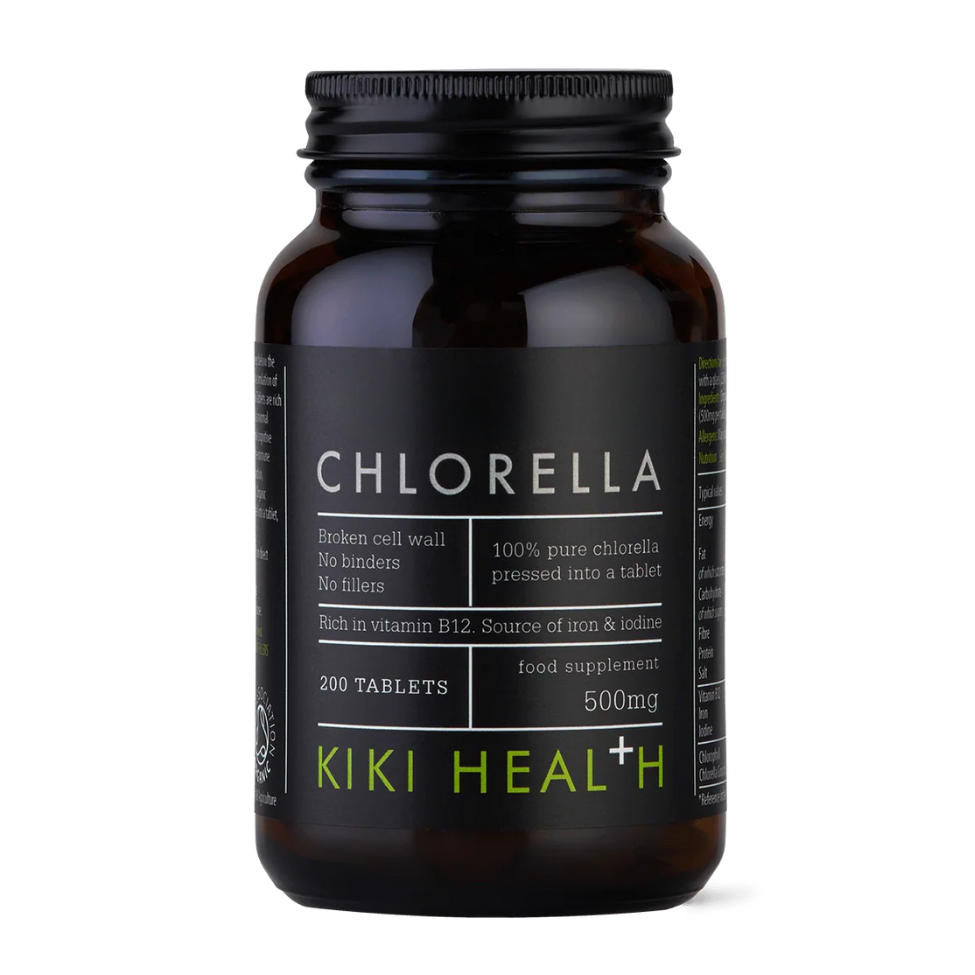

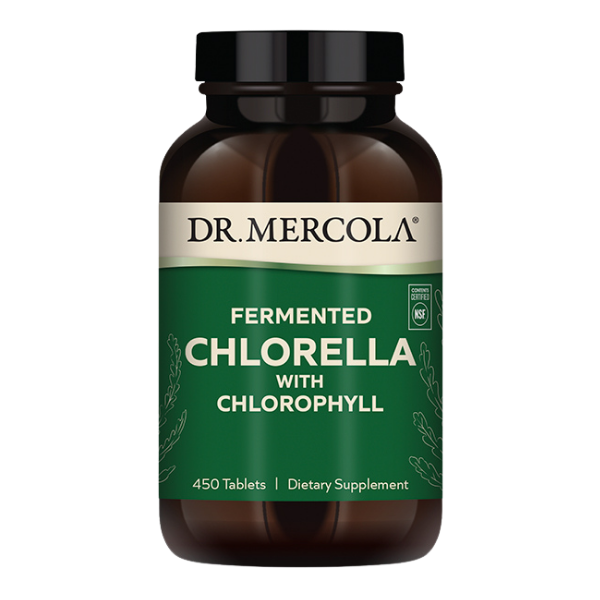
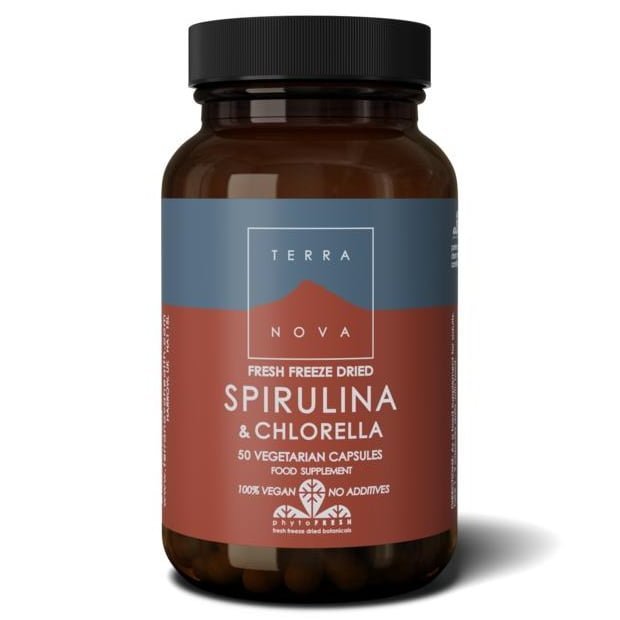
50 capsules | Capsules | Chlorella, Spirulina | United Kingdom
"I've ordered around 20 times now. Reliable, fast delivery
I've ordered products from Morgen is Nu around 20 times now. My orders have always arrived promptly and in good condition. Their products are very good."
- Pieter
Date of experience: 02 June 2025
View all reviews
About Morgen is Nu - Holistic health shop
At Morgen is Nu, we work every day to support your health. Guided by a unique vision and years of experience, we select only the purest, highest-quality products. We believe in a holistic approach that centres on physical, inner and outer balance.
Telephone: 0341 422 850