
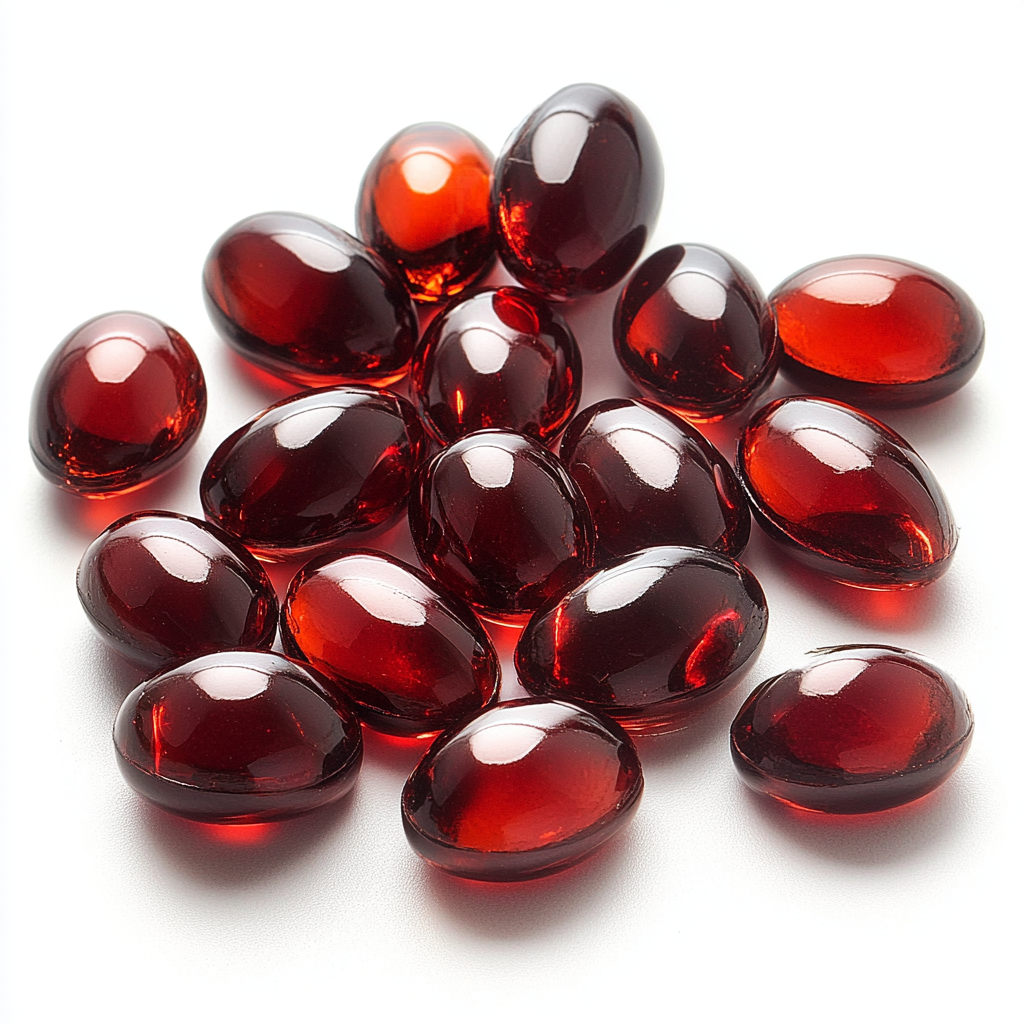
Astaxanthin
Looking to buy astaxanthin? Astaxanthin is a carotenoid pigment known for its very powerful properties. We offer a carefully selected range of 100% natural astaxanthin supplements, including high-quality products from Nutrex Hawaii. Find out more about its benefits and uses here.
By Stefan, last updated: 06-06-2025.
Contents
- Our favourite astaxanthin products
- What is astaxanthin?
- The history of astaxanthin
- What makes astaxanthin special?
- The potential benefits of astaxanthin
- Sources
Our favourite astaxanthin products
One of our favourite astaxanthin suppliers is Nutrex Hawaii. Since 1990, this brand has specialised in growing microalgae on the sunny Kona coast, one of the world's most suitable locations for sustainably producing this special substance.
Nutrex uses no harmful pesticides or genetically modified organisms, ensuring fully natural products without chemical additives. Its sustainable cultivation methods also help protect the environment. This gives you a pure, high-quality supplement produced with respect for nature.
Explore our astaxanthin products from Nutrex Hawaii below.
What is astaxanthin?
Astaxanthin is a powerful carotenoid naturally produced by plankton, algae, certain plants, fungi and bacteria. These organisms produce astaxanthin to protect themselves against the harmful effects of sunlight and oxidative stress. Haematococcus pluvialis, a green microalga, contains the highest concentration of astaxanthin.
Through the food chain, astaxanthin reaches aquatic animals such as salmon, trout, prawns and flamingos, giving them their pinkish-red colour. (source)
The history of astaxanthin
Although astaxanthin plays an essential role in nature, it took some time before scientists discovered and studied it. It was first isolated in 1938 by British chemist Basil Weedon. Astaxanthin is a carotenoid that has attracted increasing research interest since the 1990s, partly because of its antioxidant properties. This caught the attention of the food and cosmetics industries, particularly in Japan, where astaxanthin was first introduced as a food supplement.
Around the same time, astaxanthin also began to gain popularity in the United States, particularly in Hawaii. Here, its early users were mainly marathon runners and triathletes, who valued its antioxidant properties and joint support* (source).
What makes astaxanthin special?
Astaxanthin is a powerful antioxidant that works deep within our cells. Unlike many other antioxidants, it can penetrate both the water-soluble and fat-soluble parts of our cell membranes, allowing it to act throughout the body. This makes astaxanthin particularly effective at neutralising free radicals. Among all carotenoids, astaxanthin has one of the strongest natural antioxidant capacities. This makes it a popular ingredient in food supplements.
The potential benefits of astaxanthin
Astaxanthin has a long history of traditional use for the skin in some cultures, thanks to the pigment's natural antioxidant properties. Research focuses on the potential role of astaxanthin in protecting the skin against external influences, such as UV radiation and pollution.
Beyond the skin, astaxanthin is also being studied for other potential benefits. For example, scientists are investigating whether astaxanthin may help protect the heart and blood vessels against damage caused by free radicals.
Other studies focus on the anti-inflammatory properties of astaxanthin. These could potentially contribute to joint support and muscle recovery after physical exertion. (source)
Sources
- https://www.orthokennis.nl/nutrienten/astaxanthine
- https://astafactor.com/blogs/blog/history-of-astaxanthin
- https://pmc.ncbi.nlm.nih.gov/articles/PMC3917265/
* Health claim awaiting European authorisation.
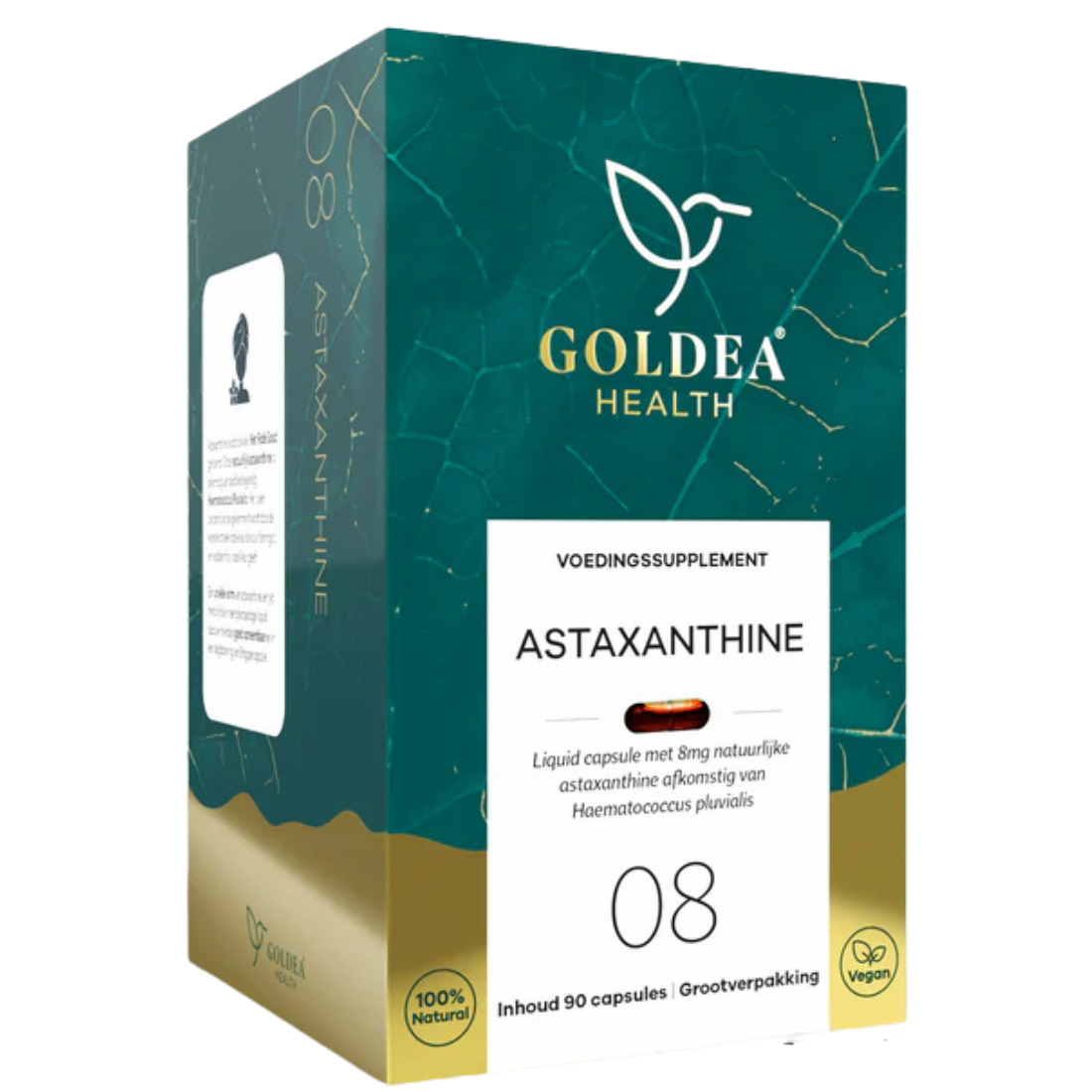
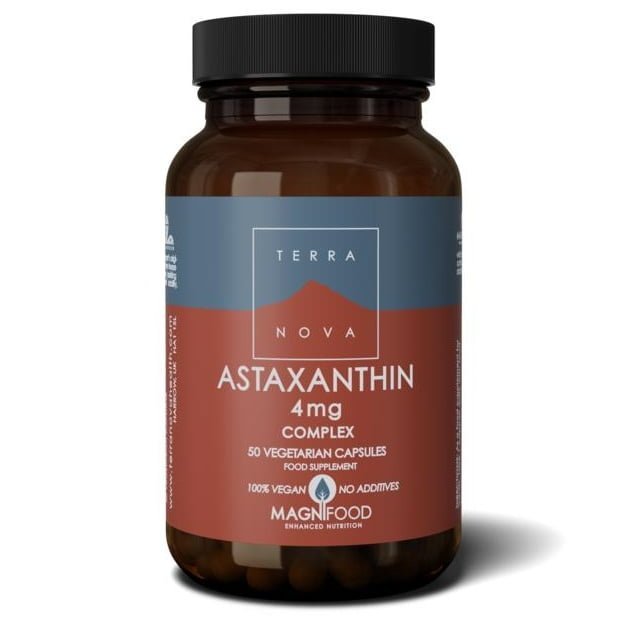
100 capsules, 50 capsules | Capsules | Astaxanthin | United Kingdom
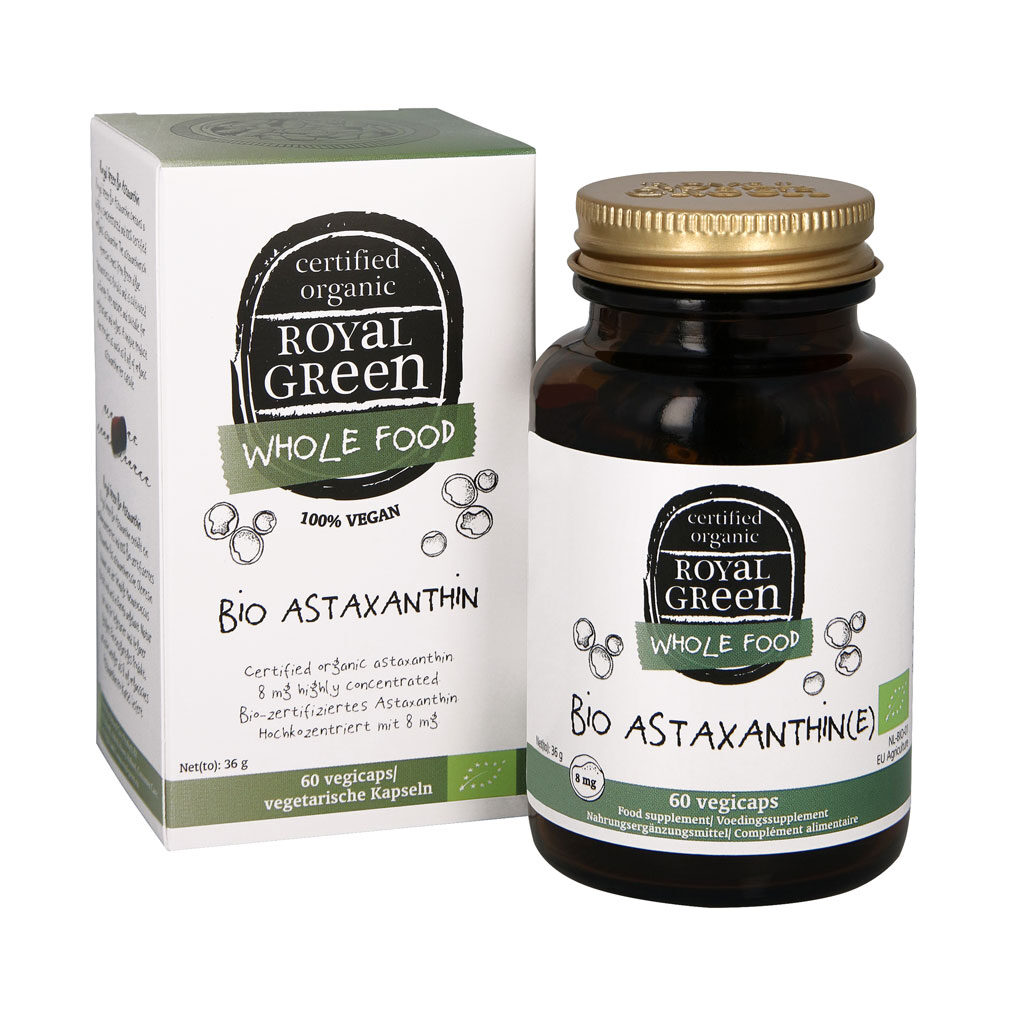
60 capsules | Capsules | Astaxanthin | The Netherlands

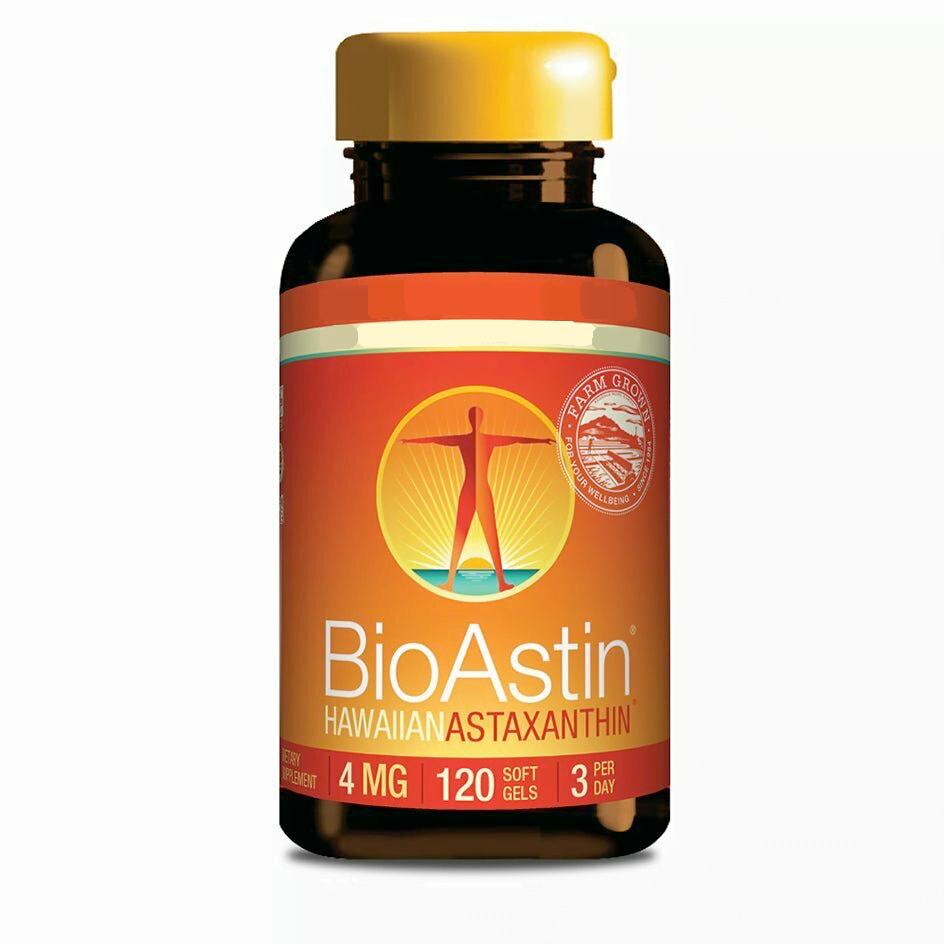
120 softgels | Capsules | Astaxanthin | United States of America
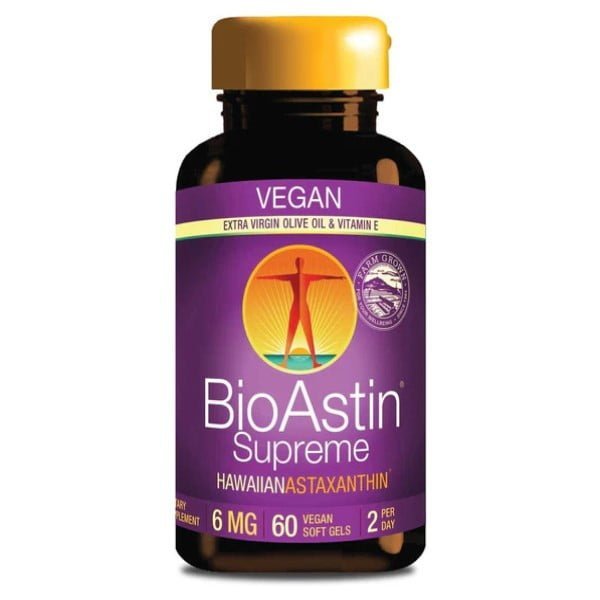
60 softgels | Capsules | Astaxanthin, Vitamin E | United States of America
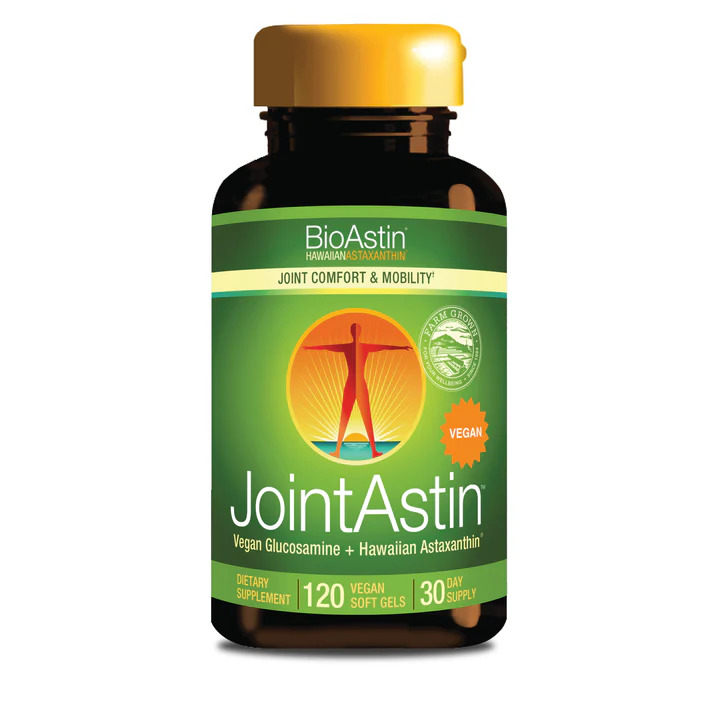
120 softgels | Capsules | Astaxanthin | United States of America
" A very good product. Astaxanthin is a really great product. Scientifically researched. Very good, I would recommend it to anyone."
- herly
Date of experience: 16 May 2023
View all reviews
About Morgen is Nu: a holistic health shop
At Morgen is Nu, we work every day to support your health. Guided by a unique vision and years of experience, we select only the purest, highest-quality products. We believe in a holistic approach that puts physical, inner and outer balance at its heart.
Telephone: 0341 - 422 850
Blog about astaxanthin
From pink flamingos to deep-sea algae, one remarkable substance lies behind their colour and strength: astaxanthin. This natural antioxidant is praised for its effects on cells, muscles and skin. First discovered in microalgae as a form of protection against UV light, astaxanthin is now hugely popular in supplements and skincare.
In this blog, you will discover exactly how this powerful carotenoid works, why it is more effective than many other antioxidants, and what it could mean for your health. From athletes to skincare enthusiasts, more and more people swear by this natural source of strength. Curious to know why? Read on to find out.
Yes, astaxanthin is considered safe and has been used in food and supplements for decades. As with any supplement, it is advisable to follow the recommended dosage and consult a doctor if in doubt.
Please note: astaxanthin is not suitable for children under 14 years of age. Also take care when using it alongside other products containing astaxanthin. Taking several food supplements containing astaxanthin at the same time may lead to the recommended daily intake being exceeded.
The recommended dosage varies, but is usually between 4 and 12 mg per day, depending on the desired effect. It is advisable to take Astaxanthine with a meal, as it is fat-soluble and is better absorbed with some healthy fats. Check the directions for use on each product.
Yes, Astaxanthine can be safely combined with other antioxidants such as vitamins C and E. It is also often combined with Omega-3 fatty acids for a synergistic effect.
Although Astaxanthine is considered safe, there is limited research on its use during pregnancy and breastfeeding. It is therefore recommended that you consult a doctor before using it during this time.
- Contributes to the maintenance of normal vision*
- Contributes to the normal functioning of the heart and blood vessels*
- Contributes to normal muscle function*
- Contributes to normal joint function*
- Has a positive effect on healthy stomach function*
- Contributes to the maintenance of normal skin*
- Contributes to the normal functioning of the immune system*
*Health claim pending European approval.