

Iodine
Looking to buy high-quality iodine? Iodine is an essential trace element that contributes to the normal functioning of your thyroid and nervous system, among other things. Our bodies cannot produce it, and it is often present in our food in limited amounts. This is why this mineral is so popular as a supplement.
Contents
- Our best-selling iodine supplements
- What is iodine?
- Natural sources of iodine
- Symptoms of iodine deficiency
- How much iodine per day
- Sources
Our favourite iodine supplements
- Bio Dulse Vlokken by Morgen is Nu
- Detoxadine Nascent Iodine (Bio) by Global Healing
- Thyroid Support by Gaia Herbs
What is iodine?
Iodine is a trace element found naturally in seawater, certain foods and iodised salt. It contributes to the normal production of thyroid hormones, supports normal thyroid function and contributes to normal energy-yielding metabolism.
According to the World Health Organization, around a third of the world's population is at risk of iodine deficiency, despite fortification programmes such as iodised salt. This is partly because the amount of iodine in the soil varies by region, which affects the iodine content of food. (source)
Natural sources of iodine
Want to get enough iodine? Include seafood, fish (such as cod or tuna) and seaweed in your meals regularly. Seaweed in particular is one of the richest natural sources of this mineral. Eggs, dairy products and iodised table salt can also be sources of iodine (source).
However, research shows that dietary iodine intake is actually declining in many European countries. This is partly because people are eating less bread and increasingly choosing salt without iodine. (source)
Symptoms of iodine deficiency
Iodine deficiency may lead to various health problems. According to research, these are the most common symptoms:
- Fatigue and lack of energy
- Weight gain due to a slow metabolism
- Cold hands and feet
- Memory and concentration problems
- Dry skin and hair loss
- An enlarged thyroid gland (goitre)
In pregnant women, a severe deficiency can lead to developmental problems in the baby. This highlights the importance of an adequate iodine intake during pregnancy. (source)
How much iodine per day
The recommended daily allowance (RDA) for iodine varies depending on age and stage of life. For adults, an intake of 150 micrograms per day is recommended. Requirements increase during pregnancy and breastfeeding, to 220-250 micrograms and 250-290 micrograms per day respectively. Children aged 1-8 are advised to consume 90 micrograms per day, while 120 micrograms per day is recommended for children aged 9-13. These recommendations were drawn up by the World Health Organization (WHO) and can be found in its guidelines on iodine intake. (source)
It is important to find a balance in iodine intake, as both too little and too much iodine can cause health problems. In people with existing thyroid conditions, for example, an excessive iodine intake can lead to complications.
Sources
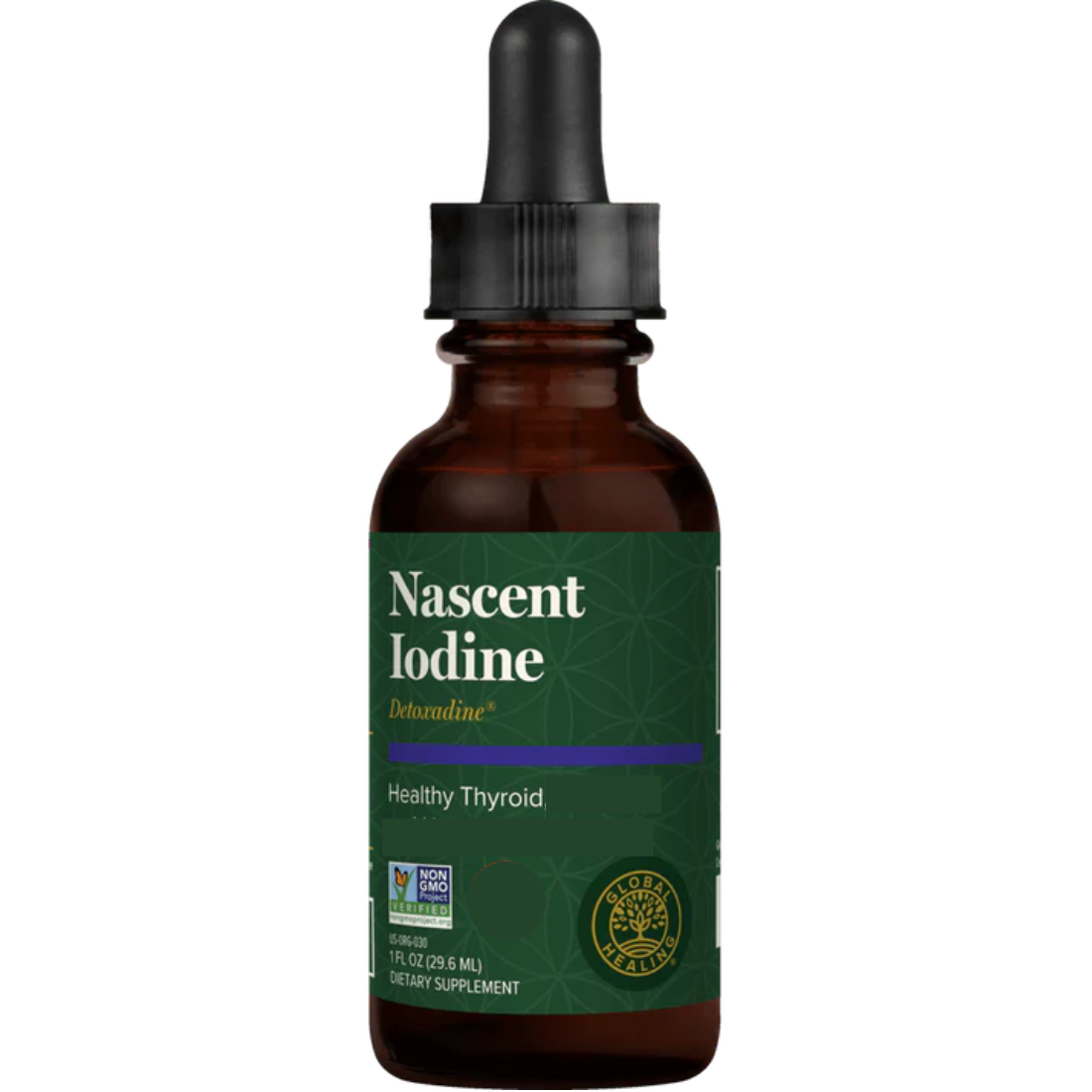
30ml | Liquid | Iodine | Nascent iodine | United States of America
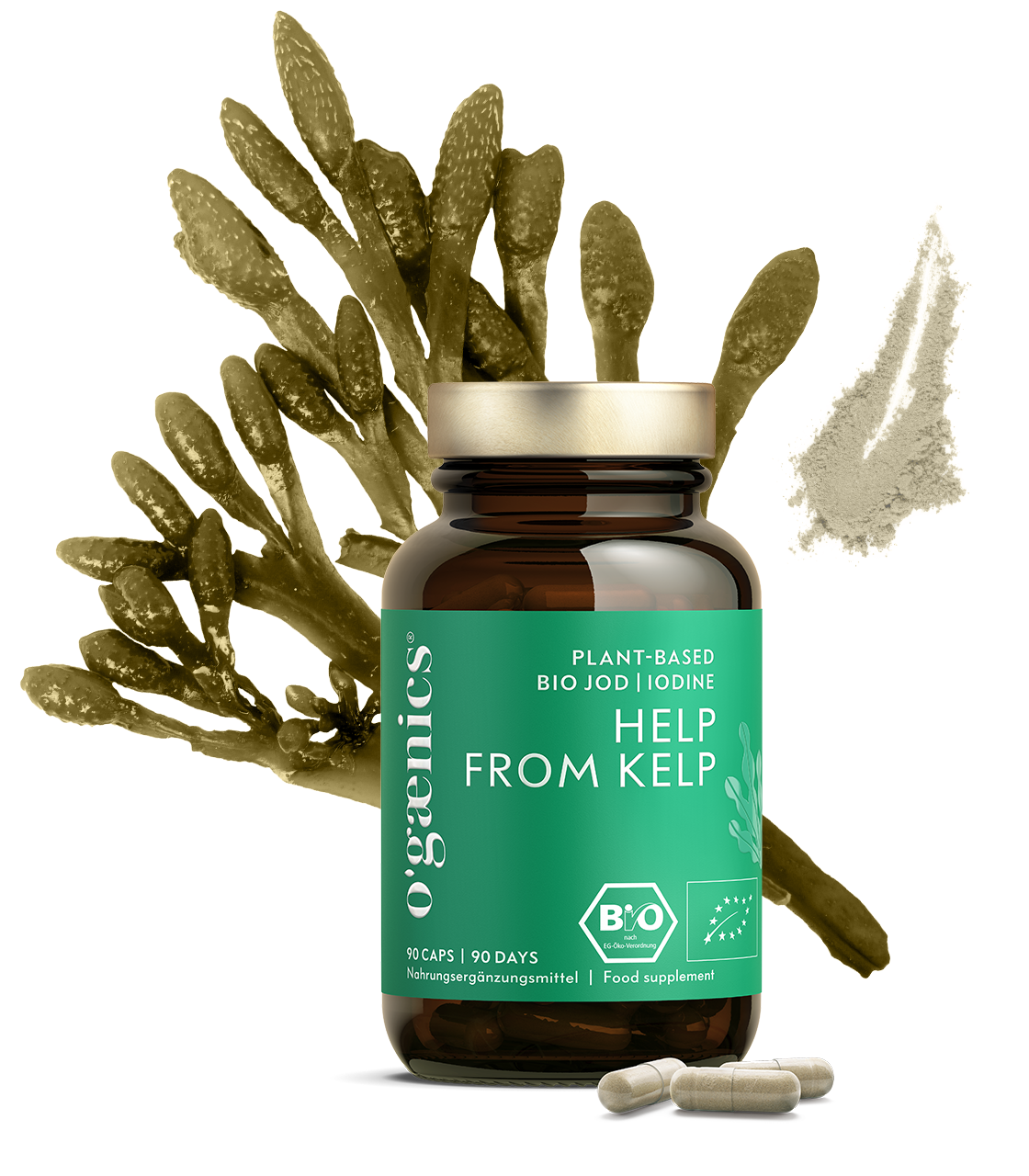
90 capsules | Capsules | Iodine | Natural source | Germany
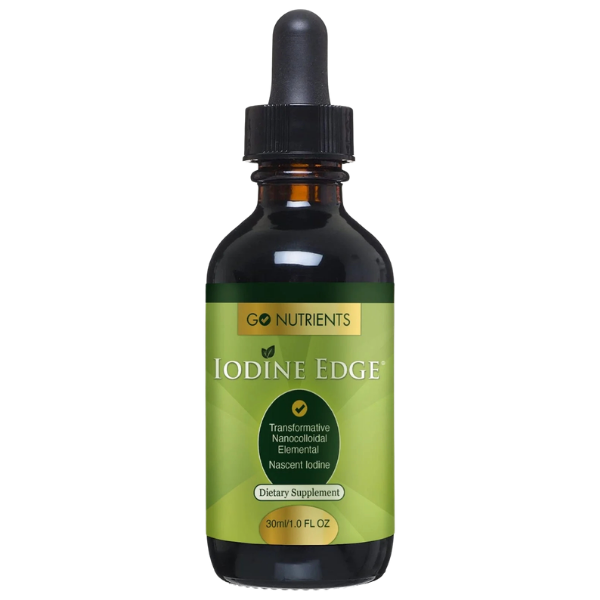
30ml | Liquid | Iodine | Nascent iodine | United States of America

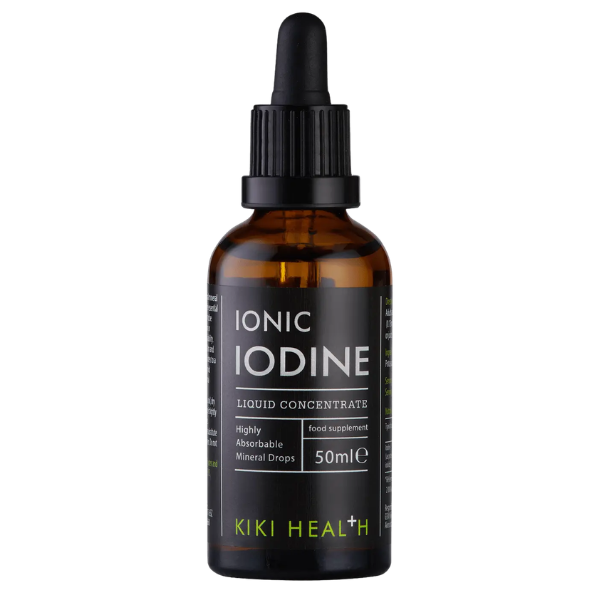
50ml | Liquid | Iodine | Ionic, Potassium iodide | United Kingdom
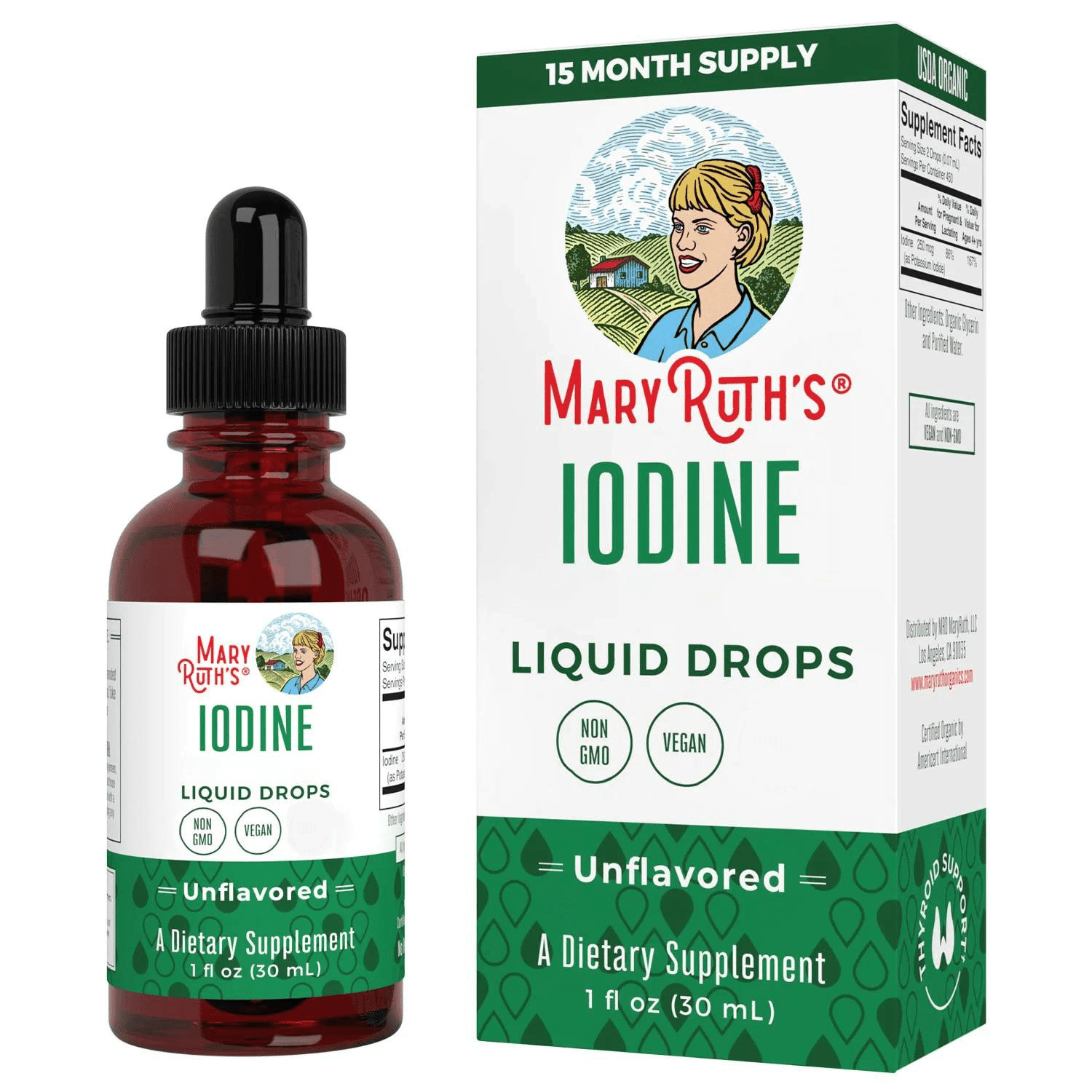
30ml | Liquid | Iodine | Potassium iodide | United States of America
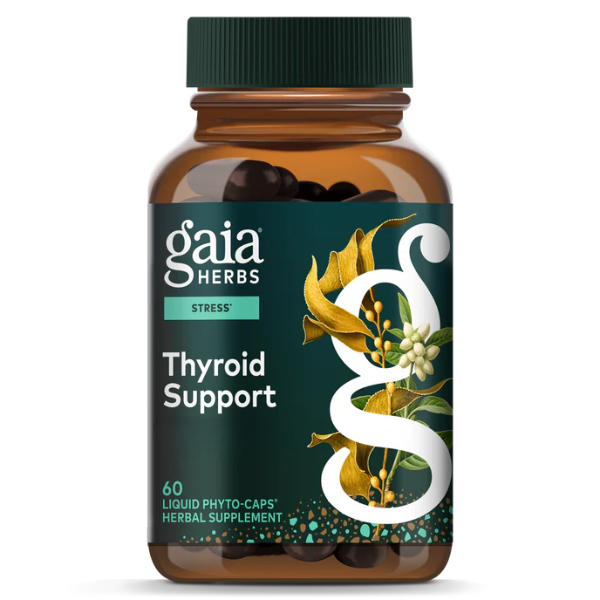
120 capsules, 60 capsules | Capsules | Iodine, Ashwagandha, Schisandra | Natural source | United States of America
"Very pleased. My products arrived in good order with a little extra included. The Detoxadine iodine is good quality."
- Matthijs
Date of experience: 26 December 2021
View all reviews
About Morgen is Nu - Holistic health shop
At Morgen is Nu, we work every day to support your health. Guided by a unique vision and years of experience, we select only the purest, highest-quality products. We believe in a holistic approach that puts physical, inner and outer balance at its heart.
Phone: 0341 - 422 850
Our mission is that people with the correct information choose their health products
- Adults: 150 micrograms
- Pregnant women: 220-250 micrograms
- Breastfeeding women: 250-290 micrograms
- Children (1-8 years): 90 micrograms
- Children (9-13 years): 120 micrograms
- Fat-soluble vitamins (A, D, E, K): Take with a meal containing fat.
- Water-soluble vitamins (C, B-complex): Can be taken at any time of the day. B12 is best absorbed on an empty stomach.
When combining supplements, it is important to follow the recommended daily dose for each product and avoid an excessive total intake of certain vitamins or minerals.
Everyone responds differently to supplements. Interactions between different food supplements are also possible. You use and combine supplements at your own responsibility. If you are unsure about combining different food supplements, we recommend consulting a professional.
Pay attention to how your body responds when taking supplements, and consult a doctor or pharmacist if you are taking medication, are pregnant or breastfeeding, or have a medical condition.