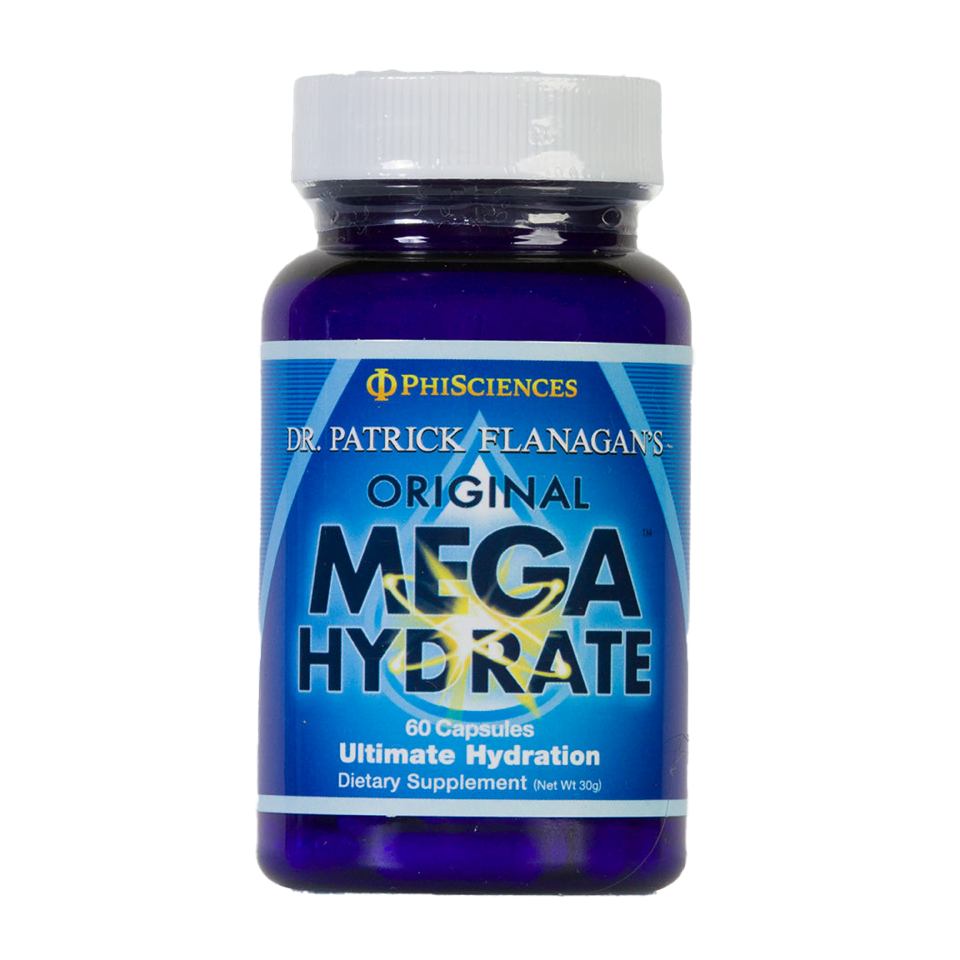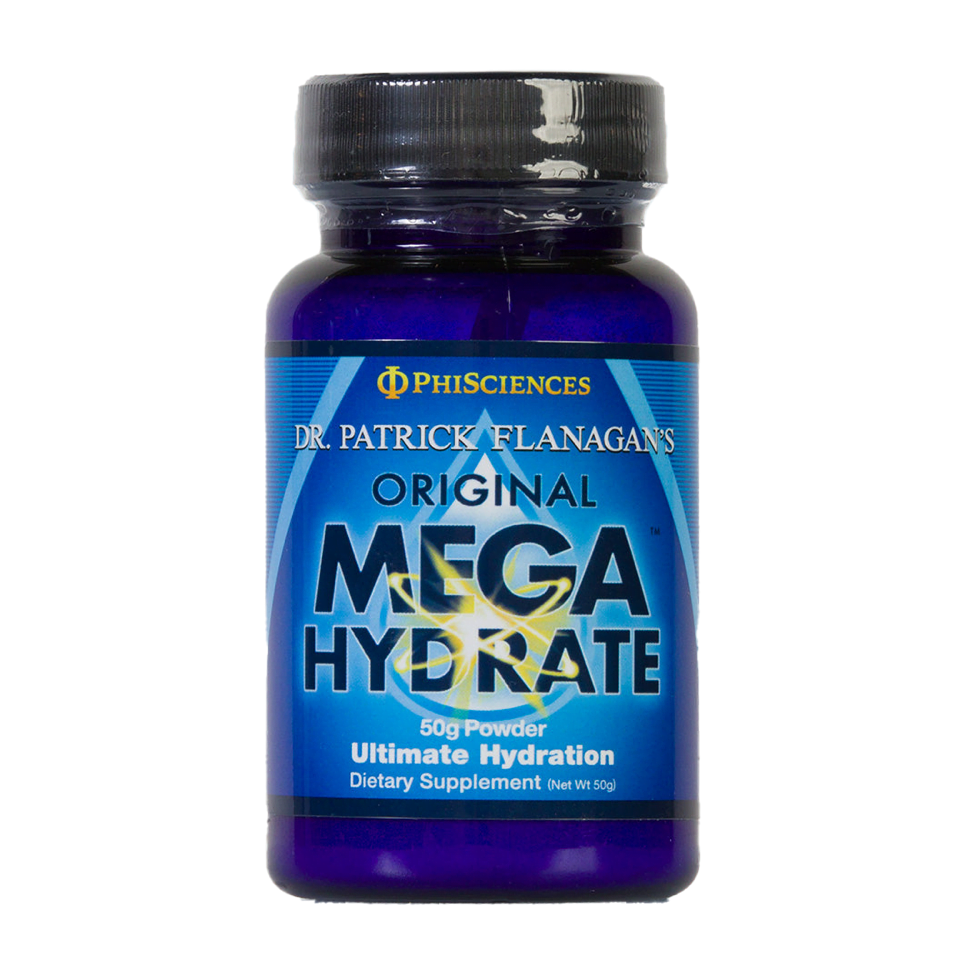
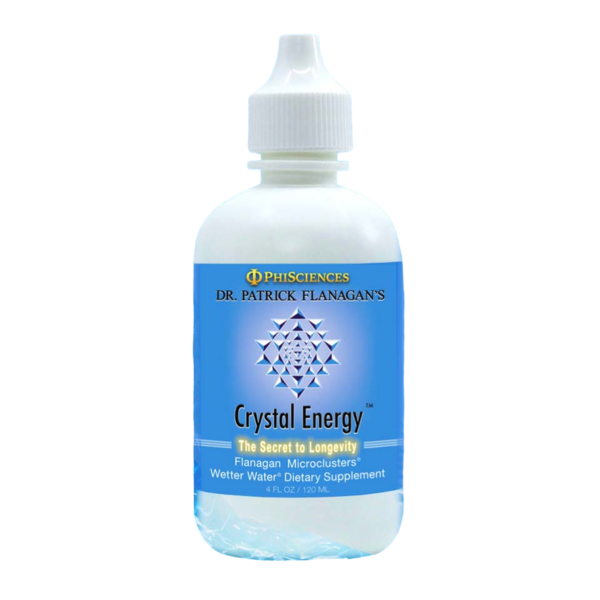
PhiSciences
PhiSciences was founded by visionary scientist Patrick Flanagan. His goal: to hydrate the body's cells. When cells are dehydrated, they are less able to absorb nutrients and remove toxins. In all his discoveries, Patrick Flanagan is driven by the desire to improve human life and share his findings with the world in the best possible way.
Why choose PhiSciences?
PhiSciences products are the result of decades of research and a deep desire to improve human life. They are designed to optimise the absorption and action of water in the body, helping to support vitality from within. For anyone who wants to approach health at its foundation: your cells.
Frequently asked questions
Our mission is to help people choose their health products with the right information
What is the difference between capsules and tinctures?
Why choose supplements from Morgen is Nu?
Can you take several supplements at the same time?
Can I give the supplements to my children too?
Is it necessary to take a supplement?
Why do you put a label over the original label?
Why does the information on the label you apply and on your website differ from the original product label?
Why do your directions for use differ from the supplier's?
Why are the vitamin amounts per daily dose on your website and on the overlabel different from those on the original product?
What is the difference between capsules and tinctures?
Capsules and tinctures differ in how you take them. You swallow capsules, while tinctures can be mixed into drinks or dropped directly into your mouth. Tinctures offer flexibility in dosing.
Why choose supplements from Morgen is Nu?
Food supplements vary in quality. The quality and origin of raw materials vary; there are different levels of purity, and the source may be synthetic or natural. Substances added to the active ingredients also vary, such as excipients used to make tablets and substances intended to improve effectiveness. At Morgen is Nu, we carefully scrutinise the origin and quality of our products, choosing products that are as pure as possible, with as few unnecessary additives as possible.
Can you take several supplements at the same time?
You can combine several supplements, provided you do not exceed the recommended daily amounts for each product. Supplements are intended to complement your diet.
Everyone responds differently to supplements. Interactions between them may also occur. You are responsible for your own use and combination of supplements. Pay close attention to any changes in how you feel and consult a qualified professional if you are unsure.
Can I give the supplements to my children too?
If you want to give supplements to a child, buy a product that is appropriate for their age. Only give a product to children if the product information states that it is suitable for children.
Is it necessary to take a supplement?
Taking a supplement is a personal choice. Supplements can complement your diet, for example when certain foods are eaten less often.
In some situations, people choose to use supplements to support their overall nutritional intake. Supplements are not medicines and do not replace a healthy diet or medical advice.
If you have specific health concerns, take medication or have particular circumstances, it is advisable to seek professional advice first.
Why do you put a label over the original label?
The information on each product label must comply with current legal requirements. Under these rules, we must also make the label information available in Dutch. That is why we put a Dutch-language label that complies with Dutch law on every product we import.
Why does the information on the label you apply and on your website differ from the original product label?
Our mission is to make the healthiest products available in the Netherlands. That is why we import many products from outside Europe. Unfortunately, the laws and regulations there differ from those here in Europe, and specifically in the Netherlands. Although the information on the supplier’s label is our starting point, it does not always comply with the laws and regulations that apply here. In some cases, this means the label needs to be adapted. As a result, the information on our website and on the label we apply to the product may differ from the information on the supplier’s label. The label information can differ in two ways: either the daily dose and directions for use have been adjusted, or the amounts of active substances in the nutritional information table are different. You can read more about both cases in the FAQ below.
Why do your directions for use differ from the supplier's?
In the Netherlands, some substances have legal maximum daily doses. This is the case, for example, for vitamin A, vitamin B6 and vitamin D. These limits are often based on the maximum safe dose established by various scientific committees. To avoid exceeding the legal maximum dose, we may adjust the recommended use.
Why are the vitamin amounts per daily dose on your website and on the overlabel different from those on the original product?
There are two possible reasons: either we have had to recalculate the amount using a conversion factor, or we have had to adjust it to comply with regulations on amounts above and below those stated on the label.
Under current laws and regulations, some vitamin compounds must be shown in the label information as the equivalent of another compound. For example, vitamin A must be expressed as mcg of retinol or mcg of retinol equivalent, while vitamin B6 must be expressed as pyridoxine or pyridoxine base. This means that, when a different compound is used, we must recalculate the amount of these vitamins per daily dose using a conversion factor. The amount on the Dutch label and our website may therefore differ from that on the original product.
Another reason why the amount per daily dose on the Dutch label may differ from the supplier’s label is that we have had to make a correction. To prevent consumers from being misled, the Netherlands has strict rules on active substances in food supplements being present in amounts above or below those stated on the label. We thoroughly check every product we receive. If laboratory testing shows that the amount of active substances differs from what is stated on the product’s original label, we correct it on the Dutch label that we place over it. We do this to comply with the regulations and so that you know the amount you are taking is accurately stated.

Under current laws and regulations, some vitamin compounds must be shown in the label information as the equivalent of another compound. For example, vitamin A must be expressed as mcg of retinol or mcg of retinol equivalent, while vitamin B6 must be expressed as pyridoxine or pyridoxine base. This means that, when a different compound is used, we must recalculate the amount of these vitamins per daily dose using a conversion factor. The amount on the Dutch label and our website may therefore differ from that on the original product.
Another reason why the amount per daily dose on the Dutch label may differ from the supplier’s label is that we have had to make a correction. To prevent consumers from being misled, the Netherlands has strict rules on active substances in food supplements being present in amounts above or below those stated on the label. We thoroughly check every product we receive. If laboratory testing shows that the amount of active substances differs from what is stated on the product’s original label, we correct it on the Dutch label that we place over it. We do this to comply with the regulations and so that you know the amount you are taking is accurately stated.