
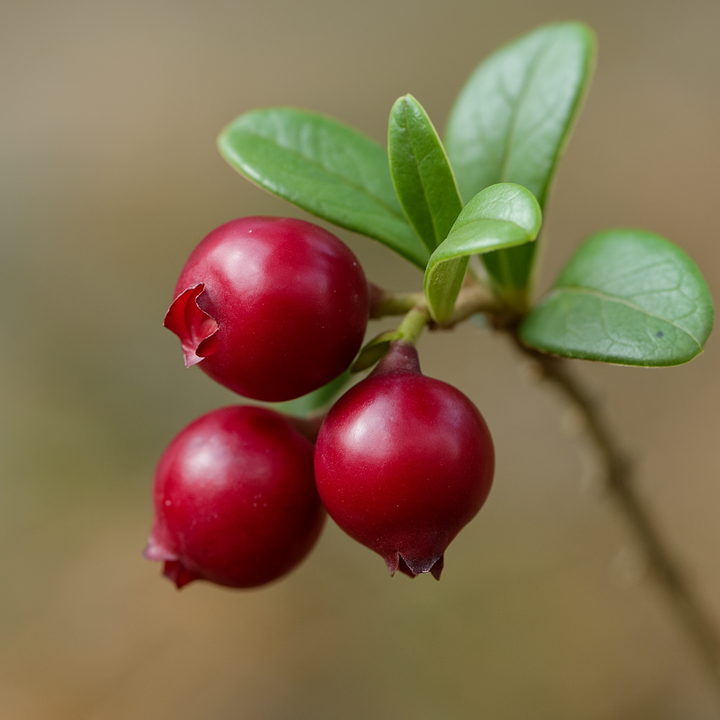
Cranberry
Looking to buy Cranberry? Cranberry (Vaccinium macrocarpon) has a long history as a natural powerhouse. Find out what makes Cranberry so special.
By Stefan, last updated: 18-06-2025.
Contents
- Our favourite Cranberry supplements
- What is Cranberry?
- Why is Cranberry so popular?
- The compounds in Cranberry
- The benefits of Cranberry
- Sources
Our favourite Cranberry supplements
- UT Answer Capsules (Cranberry & D Mannose) by Nature’s Answer
- Cranberry Concentrate by Gaia Herbs
- Cranberry 300mg by Terranova
What is Cranberry?
Cranberry is the name given to the berries of two species: the large cranberry (Vaccinium macrocarpon) from North America and the small cranberry (Vaccinium oxycoccus), which grows naturally in Europe. The fruit grows close to the ground in acidic peat soils and is sometimes known as the 'bog cranberry'. Cranberries are now a familiar sight on the Dutch island of Terschelling, but their use dates back to the Indigenous peoples of North America. They used the berries as food and as a natural way to preserve food. (source)
The cranberry is recognisable by its red colour, refreshing tartness and distinctive combination of bioactive compounds such as proanthocyanidins, anthocyanins and flavonols.
Why is Cranberry so popular?
Cranberry has become popular through a combination of tradition and health. Think of the familiar cranberry sauce served during American holidays, as well as the growing interest in natural self-care. Cranberry juice and supplements in pill or capsule form are particularly popular with people who want to support their health naturally.
Cranberry's familiarity also plays a part: its distinctive flavour, deep red colour and reputation as an 'all-natural' product make the fruit appealing to a wide audience. This combination of tradition, appeal and modern uses keeps cranberry popular.
The compounds in Cranberry
What makes cranberry so special? This berry's strength lies in its wide variety of phytonutrients:
- Proanthocyanidins (type A PACs): Cranberry is one of the few fruits rich in these unique tannins, which, among other things, prevent bacteria from adhering to the bladder wall.
- Anthocyanins: pigments responsible for the deep red colour, with powerful antioxidant properties*.
- Flavonols and phenolic acids: including quercetin and myricetin
- Organic acids: such as citric acid and quinic acid, which contribute to the fruit's acidity and preservative properties.
- Vitamin C: Cranberry naturally contains a modest amount of vitamin C.
Smaller amounts of minerals such as potassium, manganese and copper are also present. It even contains rare compounds such as ursolic acid, a triterpene.
(source, source, source, source)
The benefits of Cranberry
Cranberry has several benefits, including:
- Cranberry is good for the urinary tract*
- Cranberry acts as an antioxidant*
* Health claim awaiting European authorisation.
Sources
- Source 1: Cranberry: Chemical Composition, Antioxidant Activity and Impact on Human Health: Overview
- Source 2: Characterization of Flavonols in Cranberry (Vaccinium macrocarpon) Powder
- Source 3: Various Promising Biological Effects of Cranberry Extract: A Review
- Source 4: Comparisons of Large and Small Cranberry in British Columbia
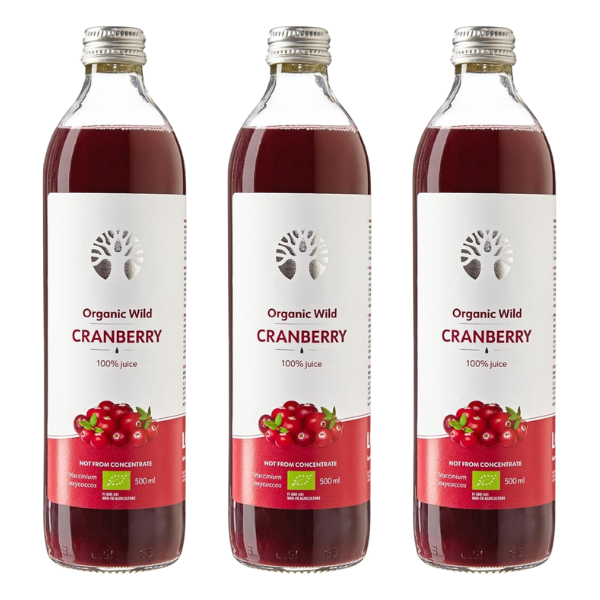
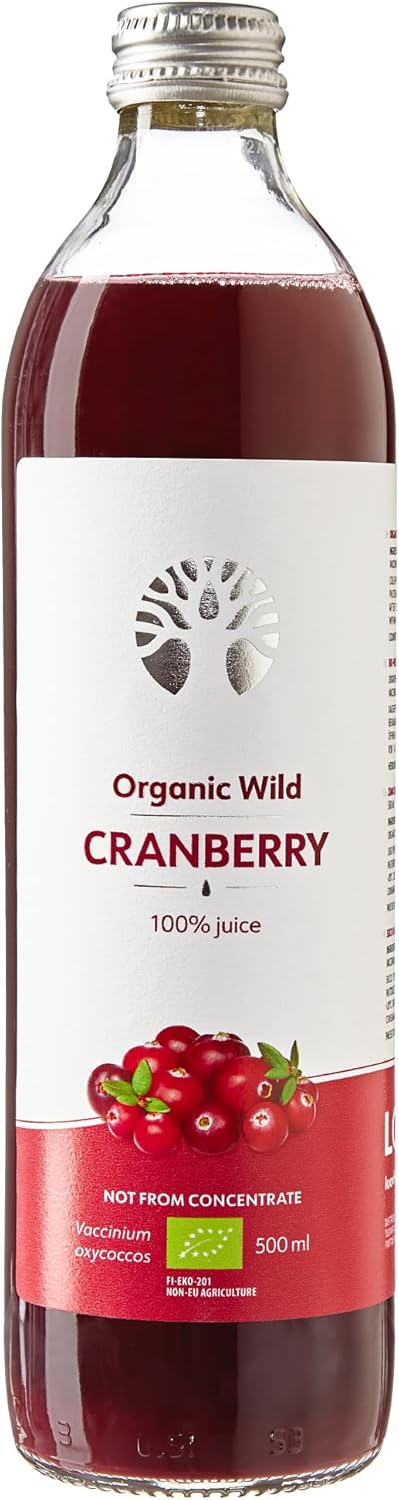
500ml | Liquid | Cranberry | Estonia

30ml | Liquid | Cranberry | United States of America
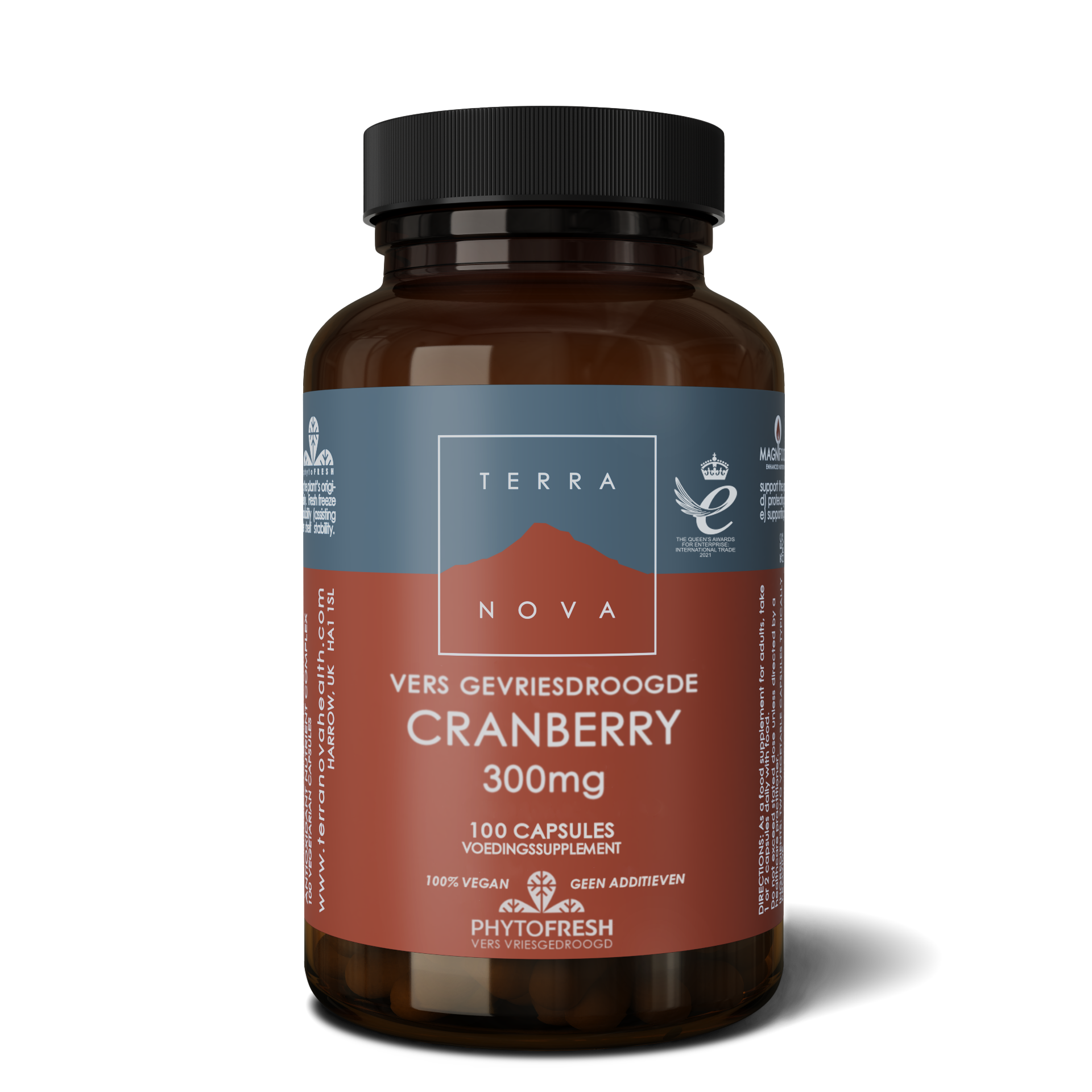

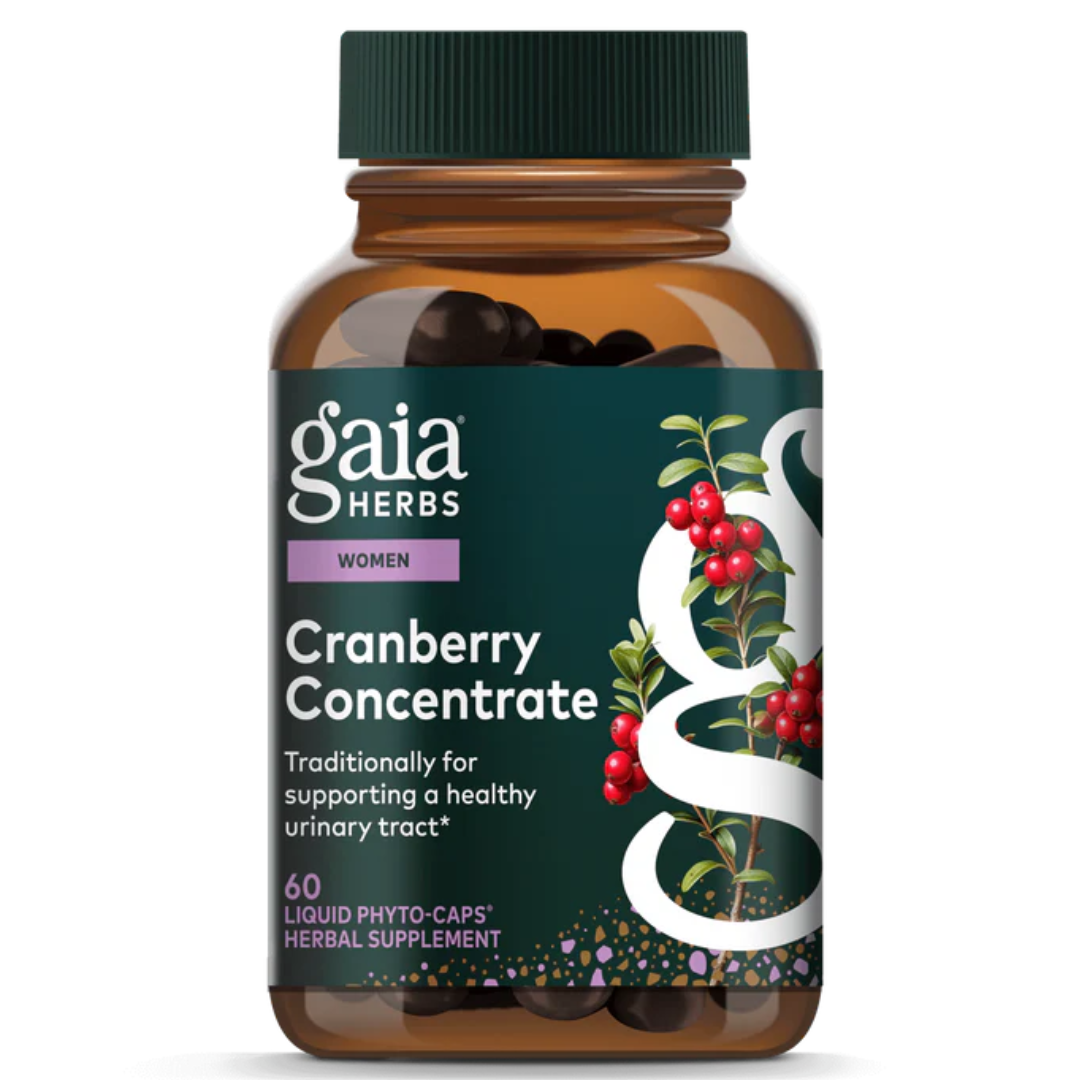
60 capsules | Capsules | Cranberry | United States of America
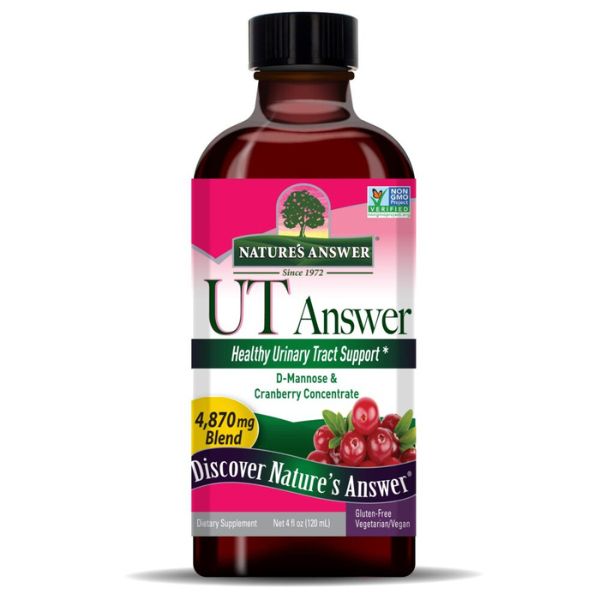
120ml | Liquid | Cranberry, Vitamin C, D-Mannose | United States of America
"Great service and quality! My order arrived really quickly, brilliant! The products are quite pricey, but you know exactly what you're putting into your body, and that's worth it. If you care about your body and only want the best, I really recommend Morgen is Nu!"
- Mrs Granville
Date of experience: 28 January 2025
View all reviews
Our vision at Morgen is Nu: holistic health and wellbeing
At Morgen is Nu, we work every day to support your health. Guided by a unique vision and years of experience, we select only the purest, highest-quality products. We believe in a holistic approach centred on physical, inner and outer balance.
Telephone: 0341 422 850
Our mission is that people with the correct information choose their health products
Cranberry is good for your urinary tract* and acts as an antioxidant*. This is due to the unique composition of this berry. It contains bioactive compounds such as proanthocyanidins, anthocyanins and flavonols. These compounds have been studied for many years for their effects on the body.
Please note: Health claims about Cranberry are still awaiting approval by the European authorities.
Cranberry is one of the few fruits that contain type A proanthocyanidins. These compounds have been studied for their ability to prevent certain bacteria from attaching to the bladder wall. This explains why cranberry products are often chosen to support the urinary tract*.
Health claims relating to this effect are still awaiting European approval and should therefore not be interpreted as medical claims.
For most people, Cranberry is safe to consume in normal amounts through food or supplements. At very high intakes, some people may experience stomach or bowel discomfort. People taking blood thinners, such as warfarin, are advised to be cautious with Cranberry because of possible interactions. If in doubt, always consult a doctor or pharmacist.
There is a popular belief that Cranberry juice has a ‘cleansing’ effect. Scientifically speaking, Cranberry juice contains acids and antioxidants* that contribute to the acidity of urine, but ‘cleansing’ is not a medical term and can be misleading.
Please note: Cranberry juice is not a detox product and cannot replace medical treatment.
'Cranberry' is the English word for 'veenbes'. In the Netherlands, 'Cranberry' usually refers to the large cranberry (Vaccinium macrocarpon), which grows on Terschelling, among other places. The English term is also often used in Dutch because it is familiar from supplements and food products.
There is no official recommended daily intake for cranberry. In supplement form, the amount used is usually equivalent to several hundred milligrams of cranberry extract, or around 36 mg of proanthocyanidins per day. For juice, moderate intake (such as one glass a day) is considered safe.
For advice on how to use it, follow the instructions on the label or consult a healthcare professional.