

Magnesium
Buy magnesium at Morgen is Nu
Are you looking for liquid magnesium, magnesium powder or magnesium capsules? Find out more about this versatile mineral here!
By Stefan, last updated: 06-10-2025.
Contents
- Our 3 bestselling magnesium products
- What is magnesium and why is it important?
- How magnesium works
- Magnesium bisglycinate / magnesium glycinate
- Magnesium citrate
- Magnesium L-threonate
- Magnesium malate
- Possible side effects
- Sources
Our 3 bestselling magnesium products
- Magnesium Glycinate Caps by Vimergy
- Liposomale D3 K2 Magnesium by Morgen is Nu
- Nano (colloïdaal) Magnesium by The Health Factory
What is magnesium and why is it important?
Magnesium is an essential mineral found naturally in many foods and often taken as a supplement. The mineral is important for more than 300 processes in the body, including muscle and nerve function, concentration and energy production. An adult's body contains around 25 grams of magnesium, mainly stored in the bones.
The importance of magnesium
Magnesium is important for energy production, is involved in cell division and helps maintain the normal balance of water and minerals in the body. If you are regularly deficient in magnesium, certain processes in the body can no longer take place. This can cause nausea, listlessness or fatigue and muscle cramps. Severe magnesium deficiency can also lead to heart rhythm disturbances and seizures.
Which foods contain magnesium?
Magnesium is widely found in plant and animal foods, as well as in drinks. Green leafy vegetables, such as spinach, pulses, nuts, seeds and wholegrains are good sources of magnesium. In general, foods containing fibre also contain magnesium. In addition to magnesium in food, various forms of magnesium supplements are available. Different types of magnesium are explained later in this article. (source)
Magnesium compounds in food supplements
22 different types of magnesium compounds may be used in food supplements. This is set out in European legislation. The best-known magnesium compounds are magnesium citrate, magnesium oxide, magnesium malate and magnesium bisglycinate. All these permitted magnesium compounds are bioavailable and can therefore be absorbed by our bodies. However, their degree of bioavailability varies. Some compounds have a higher bioavailability than others. Magnesium compounds are divided into organic and inorganic compounds. In general, organic compounds are better absorbed by the body.
How magnesium works
Benefits of magnesium
- Magnesium helps release energy from food
- Magnesium is good for our muscles and nervous system
- Magnesium contributes to the maintenance of strong bones and a healthy electrolyte balance
- Magnesium has a beneficial effect on the process of cell division in our bodies
Drawbacks of magnesium
Excessive magnesium intake can cause diarrhoea and other digestive problems, which can reduce the absorption of other nutrients. However, these symptoms only occur at very high intakes. Taking extra magnesium is unlikely to cause harm, but it is important to be careful about the amount. According to the European Food Safety Authority (EFSA), the safe intake of magnesium from food supplements is 250 mg per day. This amount can therefore be safely taken in addition to the magnesium in your diet. (source)
Magnesium bisglycinate / magnesium glycinate
Magnesium bisglycinate or magnesium glycinate is a special type of magnesium supplement consisting of magnesium bound to two glycine molecules. This compound makes magnesium easier to absorb and better tolerated than other forms of magnesium, such as magnesium oxide. Magnesium bisglycinate is a distinctive magnesium compound. The bond between the magnesium and glycine is so strong that it is not broken down in the digestive tract. This sets it apart from other magnesium compounds. As a result, magnesium bisglycinate is absorbed as an amino acid. The advantage is that amino acids are very well absorbed by the body. This is particularly true of glycine, which is also the smallest amino acid. At Morgen is Nu, we offer various magnesium glycinate products, such as Magnesium Glycinate Caps by Vimergy.
Magnesium citrate
Magnesium citrate is a form of magnesium that is readily absorbed by the body. In this form, magnesium is bound to citric acid. Its beneficial properties mean that magnesium citrate is often used as a supplement for magnesium deficiency. It is the most widely used magnesium compound in food supplements. Looking to buy magnesium citrate? Take a look at our own Liposomale Magnesium. (source)
Magnesium L-threonate
Magnesium L-threonate is a relatively new magnesium compound. It was first identified in 2010. Scientific research shows that it is a promising substance. Research is still at an early stage. As magnesium L-threonate is a relatively new substance, its safety is also being extensively studied. Based on this research, the European Food Safety Authority (EFSA) has now concluded that the compound is safe. Take a look at Liposomal Magnesium L-threonate by Cymbiotika. (source)
Magnesium malate
Magnesium malate is a supplement that combines magnesium with malic acid, an organic acid found naturally in various foods, particularly fruit such as apples. Magnesium malate is an organic magnesium compound. It is readily absorbed by the body. Magnesium malate is also well tolerated. Looking to buy magnesium malate? Take a look at Magnesium CitraMate by Thorne.
Possible side effects
A number of possible side effects can occur, mainly with (very) high intakes of magnesium from supplements:
- Digestive problems: diarrhoea, nausea, cramps and abdominal pain.
- Lowered blood pressure: dizziness or fainting at high doses.
- Heart problems: slow heart rate or heart rhythm disturbances at extremely high intakes.
- Kidney problems: risk of high magnesium levels in people with kidney disease.
- Interactions with medicines: may affect the effectiveness of certain medicines, such as antibiotics, thyroid medication, muscle relaxants and oral diabetes medication.
Sources
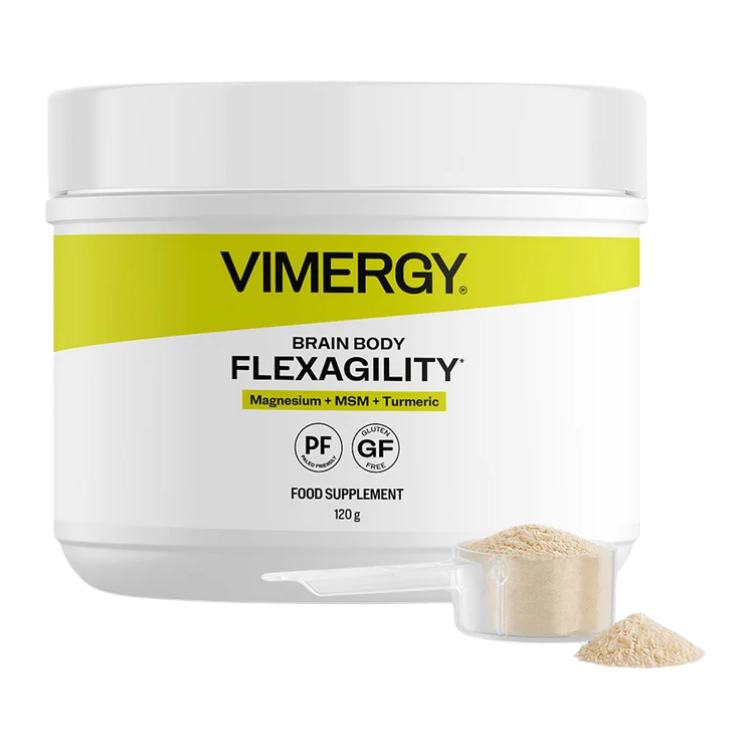
120 grams | Powder | Magnesium | United States of America
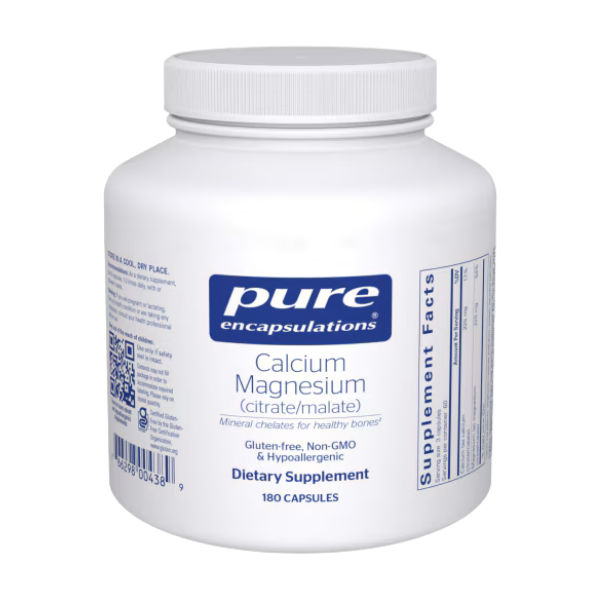
180 capsules | Capsules | Magnesium, Calcium | Malate, Citrate | United States of America

150 grams | Powder | Magnesium, Vitamin C, Calcium | Citrate, Oxide, L-ascorbic acid, Carbonate | United Kingdom


100 grams | Powder | Magnesium, Vitamin C, Calcium | Citrate, Oxide, L-ascorbic acid, Carbonate | The Netherlands


60 capsules | Capsules | Magnesium | (Bis)glycinate | United States of America

120 capsules | Capsules | Magnesium | (Bis)glycinate, Citrate, Oxide | United Kingdom

50ml | Liquid | Magnesium | Ionic | United States of America

30 capsules | Capsules | Magnesium, Vitamin D, Vitamin K, D3+K2 | Citrate, Cholecalciferol, K2 | The Netherlands

450ml | Liquid | Magnesium | (Bis)glycinate | United States of America

60 capsules | Capsules | Magnesium | Citrate | The Netherlands

28 sachets of 10ml | Liquid | Magnesium | (Bis)glycinate, Taurate | United States of America

30 sachets of 10ml | Liquid | Magnesium | L-threonate | United States of America

480ml | Liquid | Magnesium | (Bis)glycinate, Malate | United States of America

60 capsules | Capsules | Magnesium | Natural source | The Netherlands
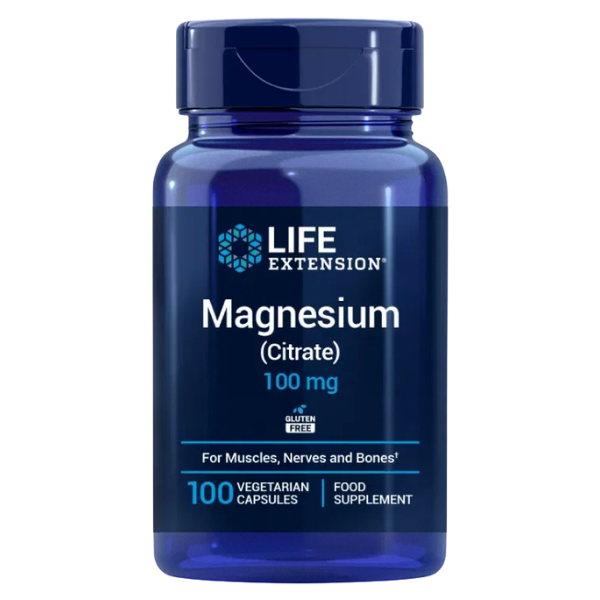
100 capsules | Capsules | Magnesium | Citrate | United States of America

180 capsules | Capsules | Magnesium | Malate, Citrate | United States of America
"I feel really good taking Magnesium D3K2. Fast delivery and a good product."
- Trix Hofstede
Date of experience: 26 March 2025
View all reviews
About Morgen is Nu - Holistic health shop
At Morgen is Nu, we work every day to support your health. Guided by a unique vision and years of experience, we select only the purest products of the highest quality. We believe in a holistic approach that puts physical, inner and outer balance at its heart.
Telephone: 0341 - 422 850
Blog about magnesium
Magnesium is one of the most talked-about minerals in supplements. Yet it is also a mineral that often causes confusion. Why are there so many different forms? What is the difference between citrate, bisglycinate, natural magnesium from algae and innovative forms such as nano and ionic magnesium?
In this blog, we take you through the full story, step by step. You will learn why your body cannot make its own magnesium, how the mineral is absorbed in your body and how the compounds, natural sources and innovative production methods differ. This helps you see things clearly rather than feel overwhelmed by choice, and understand where the real differences lie.
