
Inositol
Looking to buy inositol? Inositol is a substance naturally produced by the body that is often classed as a vitamin B-like compound, although it is not officially a vitamin. It comes in various forms, including myo-inositol, d chiro inositol and combinations of the two. Inositol powder and supplements containing myo inositol are particularly popular. On this page, you can read about what inositol is, where it occurs naturally and the different forms available.
By Stefan, last updated: 23-03-2026.
Contents
- Inositol powder in our range
- What is inositol?
- Where does inositol occur naturally?
- Different forms of inositol
Inositol powder in our range
What is inositol?
What is inositol? Inositol is a natural substance that occurs in small amounts in the human body and is also obtained through food. Chemically, it belongs to the sugar alcohol group. In the scientific Literatuur, inositol is described as a substance that can form part of certain structures within cells.
Scientists have described nine different forms of inositol, of which myo-inositol and d-chiro-inositol have been studied the most. Myo-inositol is the most common form in the human body.
Where does inositol occur naturally?
The body produces some of its inositol from glucose, but a significant proportion comes from food. The Literatuur lists citrus fruits, beans, grains and vegetables among the natural sources of inositol.
Nuts, seeds and other plant-based foods also naturally contain inositol. In animal products, it is often present as phosphatidylinositol, while plant sources more commonly contain inositol phosphates.
Different forms of inositol
Inositol exists in several forms. The main ones are:
- Myo-inositol (MI)
This is the most common form in the body and the variant most frequently used in research and supplements.
- D-chiro-inositol (DCI)
This form occurs in smaller amounts in the human body. D-chiro-inositol is often used alongside myo-inositol in supplements and is one of the recognised variants of inositol.
- Combinations of MI and DCI
Some supplements combine both forms, for example myo-inositol and d-chiro-inositol. Products sometimes use a specific ratio, such as the well-known inositol 40:1 ratio of myo-inositol to DCI.
There are also derivatives such as pinitol, a natural variant of D-chiro-inositol found in some plants.
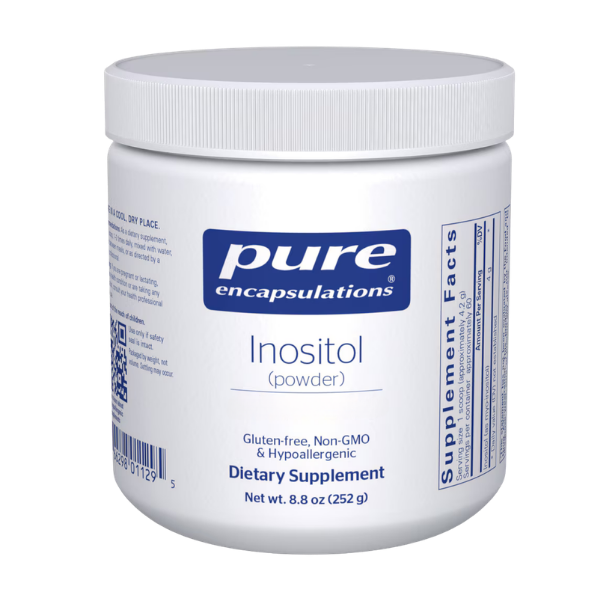
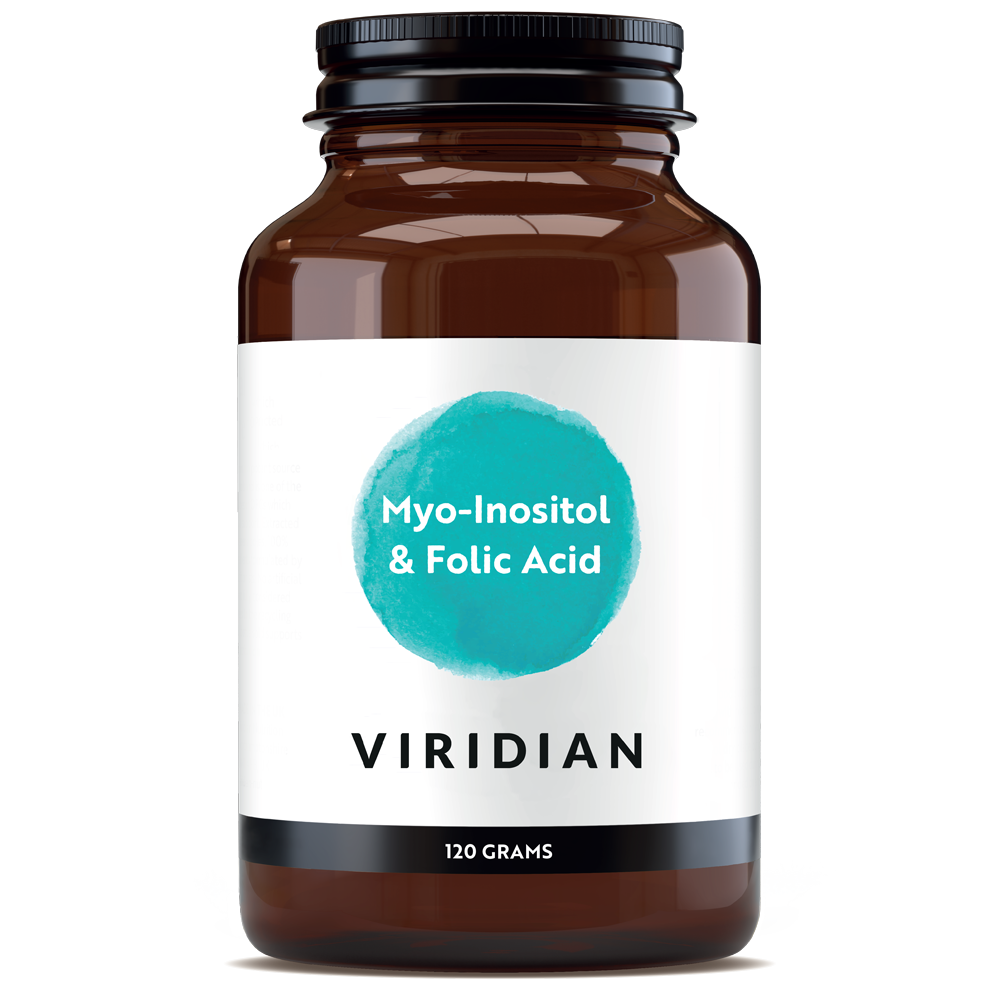
120 grams | Powder | Folic acid | United Kingdom
Our mission is that people with the correct information choose their health products
Inositol is a natural substance found in small amounts in the human body and also obtained through food. Chemically, it belongs to a group of compounds called sugar alcohols.
There are several forms of inositol. The best known are myo-inositol and d-chiro-inositol. Myo-inositol is the most common form in the human body. In supplements, these forms are sometimes used separately or combined, for example in formulas with a specific ratio of myo-inositol to d-chiro-inositol.
Inositol occurs naturally in various foods. Examples include citrus fruits, beans, grains, nuts and some vegetables. The body can also produce small amounts of inositol from glucose.
Myo-inositol and d-chiro-inositol are two different forms of the same substance. They have a similar chemical structure, but are found in different proportions in the body. Myo-inositol is the most common form, while d-chiro-inositol is often used alongside myo-inositol in supplements.
Some supplements combine myo-inositol and d-chiro-inositol in a ratio of 40:1. This ratio is often used because it is similar to the ratio in which both forms of inositol occur in certain tissues in the body. This is why the ratio is commonly used in supplements.
Inositol is sometimes described as a B vitamin-like substance, but it is not officially a vitamin. This is because the body can also produce small amounts itself.
Inositol is available in various forms, such as inositol powder, capsules or tablets. Powder is often chosen because it is easy to mix with water, smoothies or other drinks.