

Chasteberry (Vitex Berry)
Looking to buy chasteberry? Chasteberry, also known as Vitex Berry or Vitex Agnus Castus, is traditionally used for menopausal symptoms*. On this page, you can learn more about the uses, constituents and benefits of ‘Vitex Agnus Castus’.
By Stefan, last updated: 22-07-2025.
Contents
- Our favourite Vitex Berry supplement
- What is chasteberry?
- Traditional uses of chasteberry
- The constituents of chasteberry
- The benefit of chasteberry
- Sources
Our favourite Vitex Berry supplement
- Concentrated and standardised for agnuside, the main active constituent.
- Liquid and readily absorbed.
- Free from unnecessary additives, with only vegetable glycerine, water and a plant-based capsule.
- Thoroughly tested for purity, quality and safety.
What is chasteberry?
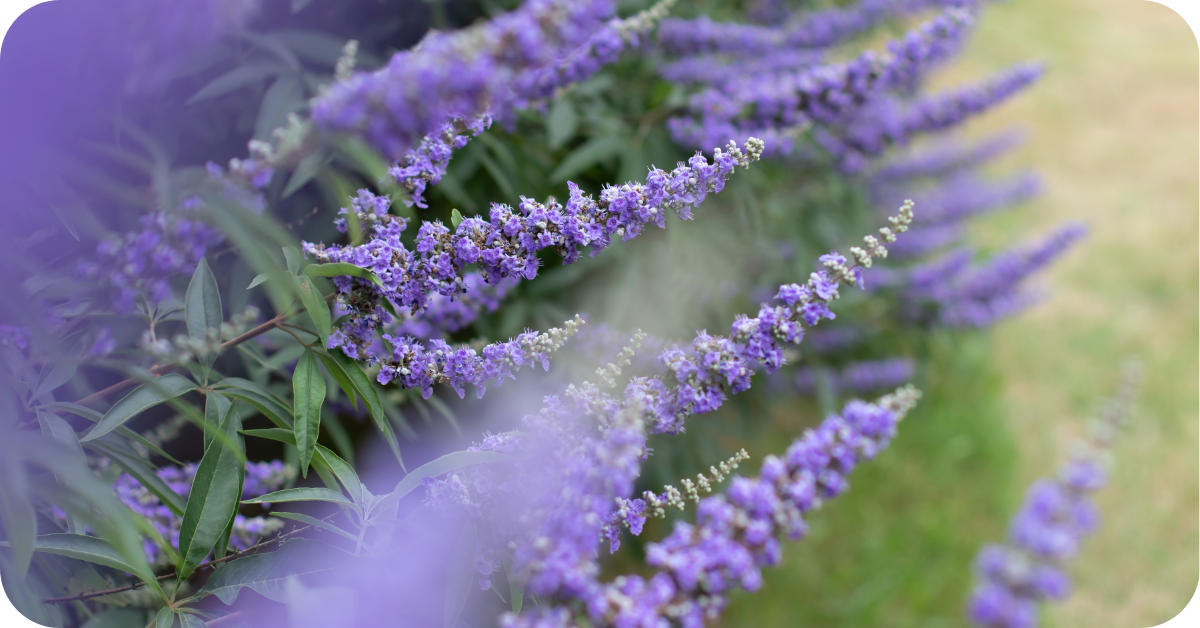
Chasteberry (Vitex Agnus Castus) is an aromatic shrub in the Verbenaceae family, native to the Mediterranean region and Western Asia. The plant grows up to 7 metres tall and produces purple flowers and pepper-like berries. These berries have been valued in traditional systems for thousands of years.
The Dutch name refers to its historical use by monks, who are said to have used the plant for its distinctive properties. (source) The Latin name ‘agnus castus’ literally means ‘chaste lamb’.
Traditional uses of chasteberry
Chasteberry has a long history in various traditional healing systems. In cultures such as ancient Egypt, Greece and Persia, this herb was used in rituals and practices associated with womanhood.
Both the berries and leaves found their way into kitchens and medicinal practices, where their uses included serving as a spice or flavouring.
Today, Vitex Berry is known worldwide as a widely used herb in complementary medicine, particularly for menopausal symptoms. (source)
The constituents of chasteberry
The strength of chasteberry lies in its berries. They contain a broad range of active constituents:
- Iridoid glycosides such as agnuside and aucubin
- Flavonoids such as casticin, vitexin and apigenin
- Linoleic acid
These natural constituents are the subject of growing scientific research and partly explain the popularity of chasteberry.
The benefit of chasteberry
The following health benefit is attributed to this powerful berry:
- Chasteberry helps reduce menopausal symptoms*
- Chasteberry supports normal menstruation*
- Chasteberry helps with mood swings during the menstrual cycle*
* Health claim awaiting European approval.
Please note: Chasteberry has a physiological effect on oestrogen metabolism. Do not use this product during pregnancy or breastfeeding.
Want to know more about how chasteberry works and its benefits? Read this blog post.
Sources
- Pharmacological and Therapeutic Effects of Vitex agnus-castus L.: A Review
- Isolation of linoleic acid as an estrogenic compound from the fruits of Vitex agnus-castus L.
- Vitex agnus-castus (Chaste-Tree/Berry) in the Treatment of Menopause-Related Complaints
- The effects of Vitex agnus-castus on menstrual bleeding: A systematic review and meta-analysis
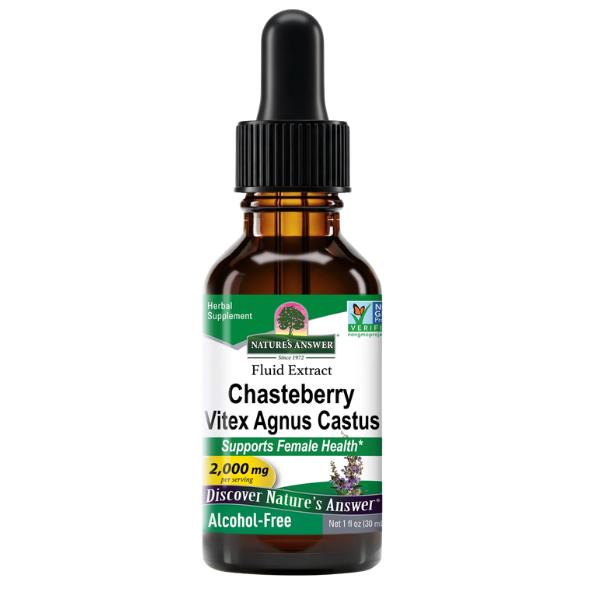
30ml | Liquid | Monk's pepper | United States of America
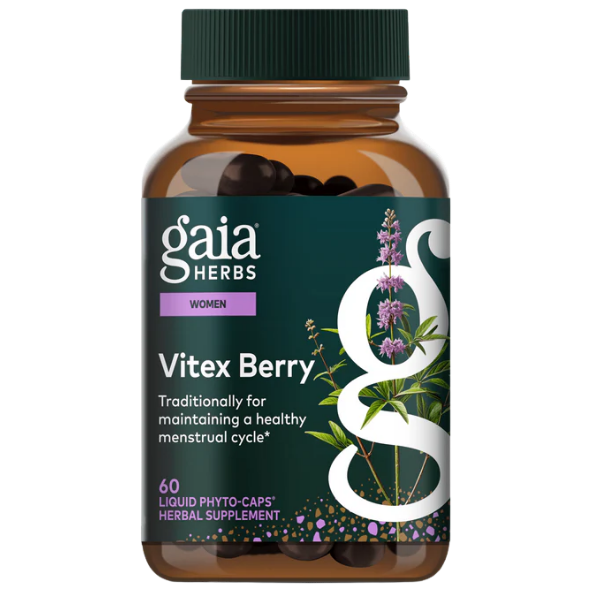
120 capsules, 60 capsules | Capsules | Monk's pepper | United States of America
Blog post about chasteberry
Chasteberry (Vitex agnus-castus) is a herb that has been discussed in relation to the female cycle for centuries. Yet it also raises plenty of questions. How does this herb actually work? What does it have to do with hormones, and why is it often used during different phases of the cycle and the menopause?
In this blog post, we take you through the story behind chasteberry step by step. You can read about where the plant comes from, how hormones regulate the female cycle and why researchers are looking at the role of the brain's hormonal control centre. We also explain what to look for when choosing a quality chasteberry extract.
*Health claims awaiting approval by the European Commission.