

Selenium
Looking for a good selenium supplement? Selenium is an essential trace element that occurs naturally in food. The body cannot produce selenium itself, so we depend on food or supplements.
At Morgen is Nu, you will find only high-quality selenium supplements. Carefully selected for their quality, purity and origin. On this page, you can read about which foods contain selenium, its approved health claims and what to look for when choosing a supplement.
Written by Danielle, last updated on 29-06-2026.
Contents
- Our favourite selenium supplements
- What is selenium?
- What is selenium good for?
- Which foods contain selenium?
- How much selenium do you need per day?
- Selenium deficiency
- Selenium and zinc
- Safety and possible side effects of selenium
Our favourite selenium supplements
At Morgen is Nu, we believe quality always comes first. That is why we only select supplements that meet high standards of purity, origin and composition.
Our favourite selenium supplements:
Everything you find in our shop is carefully selected, clearly formulated and free from unnecessary additives.
What is selenium?
Selenium is a trace element. This means the body only needs small amounts of it. Even so, an adequate intake is important because selenium is involved in various normal bodily functions.
Selenium occurs naturally in soil, water and various foods. The amount of selenium in plant-based foods can vary by region, as it depends on the selenium content of the soil.
What is selenium good for?
Several health claims for selenium have been approved by the European Food Safety Authority (EFSA).
- Selenium contributes to the normal function of the immune system.
- Selenium contributes to the maintenance of normal hair.
- Selenium contributes to the maintenance of normal nails.
- Selenium contributes to normal thyroid function.
- Selenium contributes to the protection of healthy cells and tissues.
- Selenium contributes to sperm production.
These functions make selenium an important trace element within a varied diet.
Which foods contain selenium?
Selenium occurs naturally in both plant-based and animal-based foods. The amount can vary considerably, especially in plant-based foods. This is because the selenium content depends on the soil in which crops grow.
Foods that may contain selenium include:
- Brazil nuts
- Fish
- Shellfish
- Eggs
- Meat
- Whole grains
- Mushrooms
- Pulses
Brazil nuts are known for their high selenium content. As the amount can vary considerably from nut to nut, it is sensible not to eat them in unlimited quantities.
How much selenium do you need per day?
The recommended daily intake of selenium for adults in the Netherlands is 70 micrograms per day. There is also a safe upper limit for selenium. The European Food Safety Authority (EFSA) has set this upper limit at 300 micrograms per day for adults. It is therefore important to get enough selenium without exceeding the recommended dose of supplements.
Selenium deficiency
Selenium deficiency is uncommon in the Netherlands, but in some situations it can develop due to low intake or reduced absorption. Because selenium contributes to the normal function of the immune system, normal thyroid function and the maintenance of normal hair and nails, these topics may be relevant to anyone looking for information on selenium deficiency symptoms. However, symptoms can have many different causes. If you are unsure or symptoms persist, it is sensible to consult a doctor or qualified professional.
Selenium and zinc
Selenium and zinc are two trace elements that work well together and are therefore often combined in food supplements. Both minerals complement each other within a varied diet. When taking a supplement containing selenium and zinc, always check the dose of each ingredient carefully. This helps you avoid unintentionally getting too much of a trace element, especially if you combine several supplements.
Safety and possible side effects of selenium
Selenium is generally well tolerated when taken within the recommended amounts. Excessive intake over a prolonged period may cause unwanted effects. It is therefore important to follow the recommended dose of a supplement and take selenium from food into account. Are you taking medication, pregnant, breastfeeding or living with a medical condition? Always consult a doctor or qualified professional before taking a selenium supplement.
At Morgen is Nu, we consider safety just as important as quality. That is why we only choose products that meet high standards of food safety, purity and composition.

60 capsules | Capsules | Selenium, Vitamin C | Natural source | Germany

50ml | Liquid | Selenium | Ionic, Sodium selenite | United Kingdom

60ml | Liquid | Selenium | Natural source | United States of America

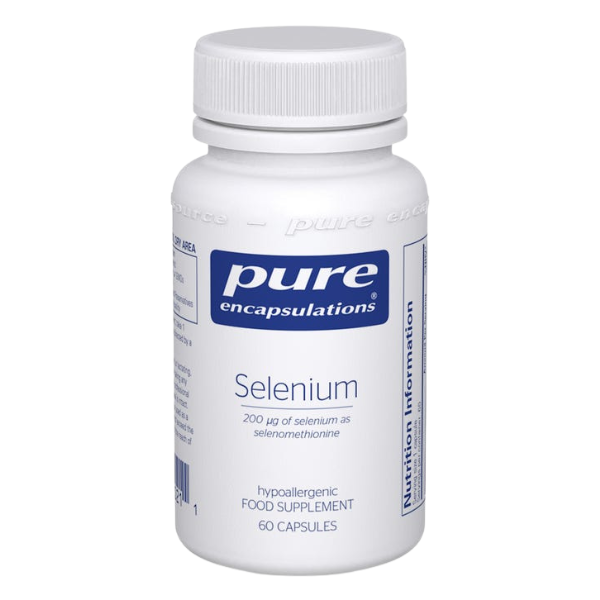
60 capsules | Capsules | Selenium | L-selenomethionine | United States of America

30ml | Liquid | Selenium | L-selenomethionine | United States of America

50 capsules | Capsules | Selenium | L-selenomethionine

50 capsules, 100 capsules | Capsules | Selenium | L-selenomethionine | United Kingdom

60 capsules | Capsules | Selenium | The Netherlands

90 capsules | Capsules | Selenium, Copper, Zinc | (Bis)glycinate, Natural source | United States of America
Blog about selenium
Selenium is an essential trace element that the body only needs in small amounts. Among other things, it contributes to the normal function of the immune system and normal thyroid function, and helps protect healthy cells and tissues from oxidative damage. Yet many people are unsure which foods contain selenium and how much they need each day.
In this blog, you can read all about selenium: which foods contain it, its approved health claims, how much you need per day and what to look for in a selenium supplement. We also discuss selenium deficiency, excessive intake and the role of food.

- Fat-soluble vitamins (A, D, E, K): Take with a meal containing fat.
- Water-soluble vitamins (C, B-complex): Can be taken at any time of the day. B12 is best absorbed on an empty stomach.