

Vitamin B12
Vitamin B12 plays an important role in our body. It is involved in the formation of red blood cells, supports energy metabolism and contributes to the normal functioning of the nervous system and normal psychological function. Our range includes only pure, natural forms of B12, carefully selected for their quality and effectiveness.
By Lisanne, last updated: 08-10-2025.
Contents
- Our favourite Vitamin B12 supplements
- What is Vitamin B12?
- Which foods contain Vitamin B12?
- Different forms of Vitamin B12
- What are the possible causes of a vitamin B12 deficiency?
- Can you have too much vitamin B12?
- Vitamin B12 levels in the body
- When should you take vitamin B12?
- Combining vitamin B12 with folic acid and iron
- Literatuur
Our favourite Vitamin B12 supplements
What is Vitamin B12?
Vitamin B12 is a water-soluble vitamin that contributes to normal red blood cell formation, energy-yielding metabolism and nervous system function, among other things. (source) It also plays a role in the process of cell division and homocysteine metabolism. (source) As our bodies cannot produce vitamin B12, we rely on food or supplements to get enough. An essential vitamin with a key role in our health.
Which foods contain Vitamin B12?
Vitamin B12 occurs naturally in animal products. You can find it in:
- Meat (especially liver)
- Fish and shellfish
- Eggs
- Dairy products
As B12 is mainly found in animal products, vegetarians and vegans in particular may find it difficult to get enough (source). This is why supplements or fortified foods are often recommended for this group.
Different forms of Vitamin B12
There are several forms of vitamin B12, each with its own properties. The most commonly used are:
- Cyanocobalamin: a stable synthetic form, often found in standard supplements.
- Methylcobalamin: an active, bioavailable form (source).
- Adenosylcobalamin: another biologically active form.
- Hydroxocobalamin: occurs naturally in food and is used in B12 injections because of its longer duration of action.
The choice of form depends on your individual needs and preferences. At Morgen is Nu, you will only find vitamin B12 in readily absorbable forms, without unnecessary additives.
What are the possible causes of a vitamin B12 deficiency?
Unfortunately, vitamin B12 deficiency is still quite common. It usually develops gradually and can be caused by:
- A limited or vegan diet
- Reduced absorption in the gut (e.g. in older people)
- The use of certain medicines
- Inherited absorption problems
Vitamin B12 contributes to the reduction of tiredness and supports memory and concentration. Research often looks at the role of B12 in these processes in people with increased requirements. Vitamin B12 also contributes to normal psychological function. Scientific literature explores this role further, particularly in people with increased requirements.
Can you have too much vitamin B12?
As vitamin B12 is water-soluble, any excess is usually excreted in the urine. There is no evidence that a high intake causes harmful effects in healthy people. (source)
Even so, it is worth taking care when using high doses over a long period. If in doubt, always have your blood levels checked.
Vitamin B12 levels in the body
Vitamin B12 levels are often measured through a blood test. This measures the amount of cobalamin in the blood serum.
A ‘normal’ level varies between laboratories, but usually falls between 140 and 700 pmol/L. These levels may be lower in people with a vitamin B12 deficiency, although this does not always reflect how well the body actually absorbs it.
When should you take vitamin B12?
It is best to take vitamin B12 supplements when absorption is at its highest, often in the morning on an empty stomach.
Some people choose to combine them with other B vitamins or take them with food. Good to know: an active form such as methylcobalamin can be absorbed directly. (source)
Combining vitamin B12 with folic acid and iron
Vitamin B12 often works alongside other nutrients in the body. Well-known combinations include:
- Folic acid and vitamin B12: this combination is regularly studied in relation to homocysteine metabolism and cell division* (source).
- Iron and vitamin B12: both play a role in red blood cell formation* (source).
Bear in mind that not every supplement uses the same ratio or form. Always choose a product that suits your circumstances.
Literatuur
- Vitamin B12 Deficiency: Recognition and Management
- Vitamin B12 Supplementation: Preventing Onset and Improving Prognosis of Depression
- Vitamin B12 among Vegetarians: Status, Assessment and Supplementation
- Effects of Vitamin B12 Supplementation on Cognitive Function, Depressive Symptoms, and Fatigue
- Vitamin B12 Deficiency
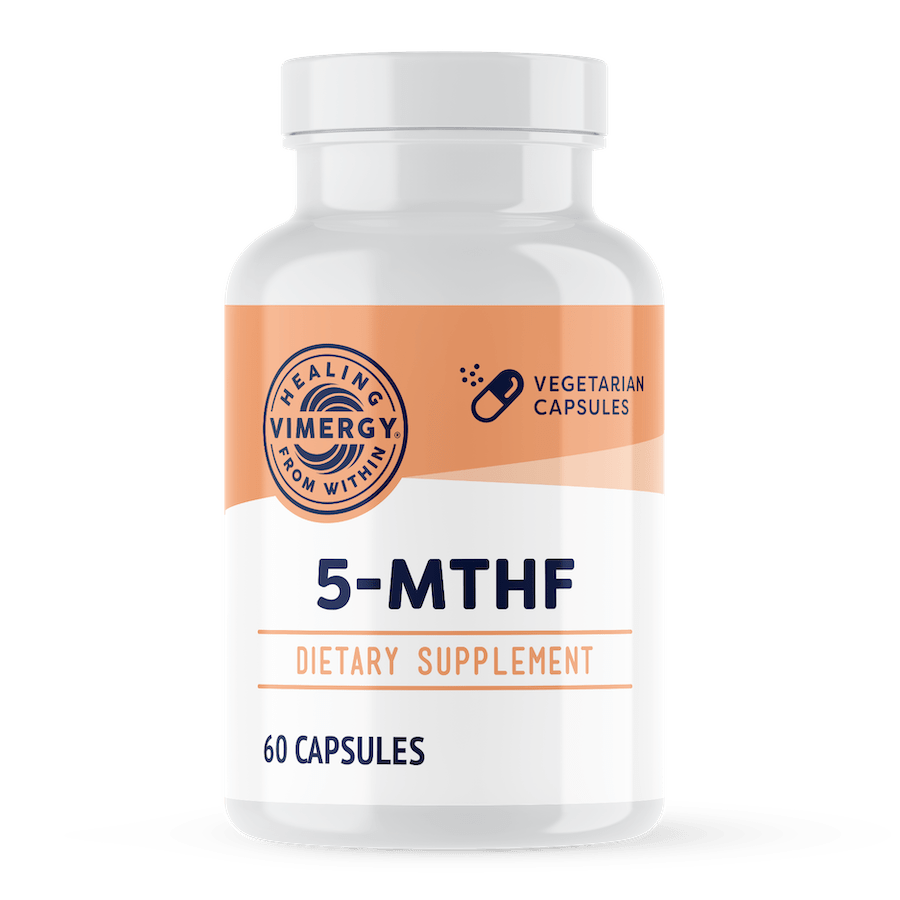
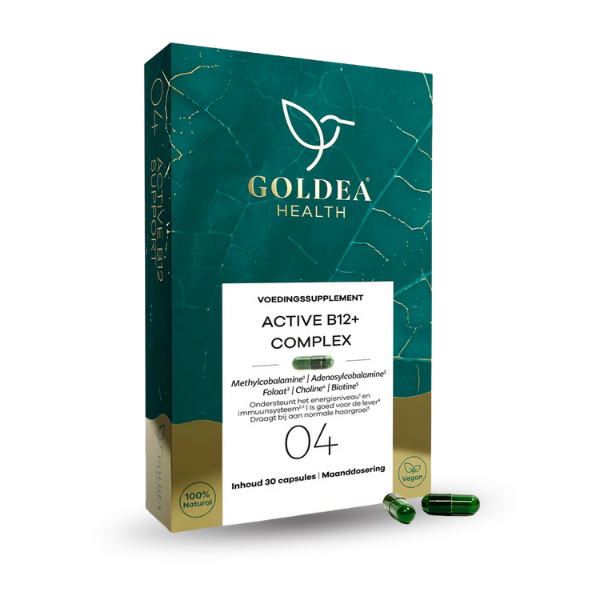
30 capsules | Capsules | Vitamin B12, Folic acid | Methylcobalamin, Adenosylcobalamin | The Netherlands
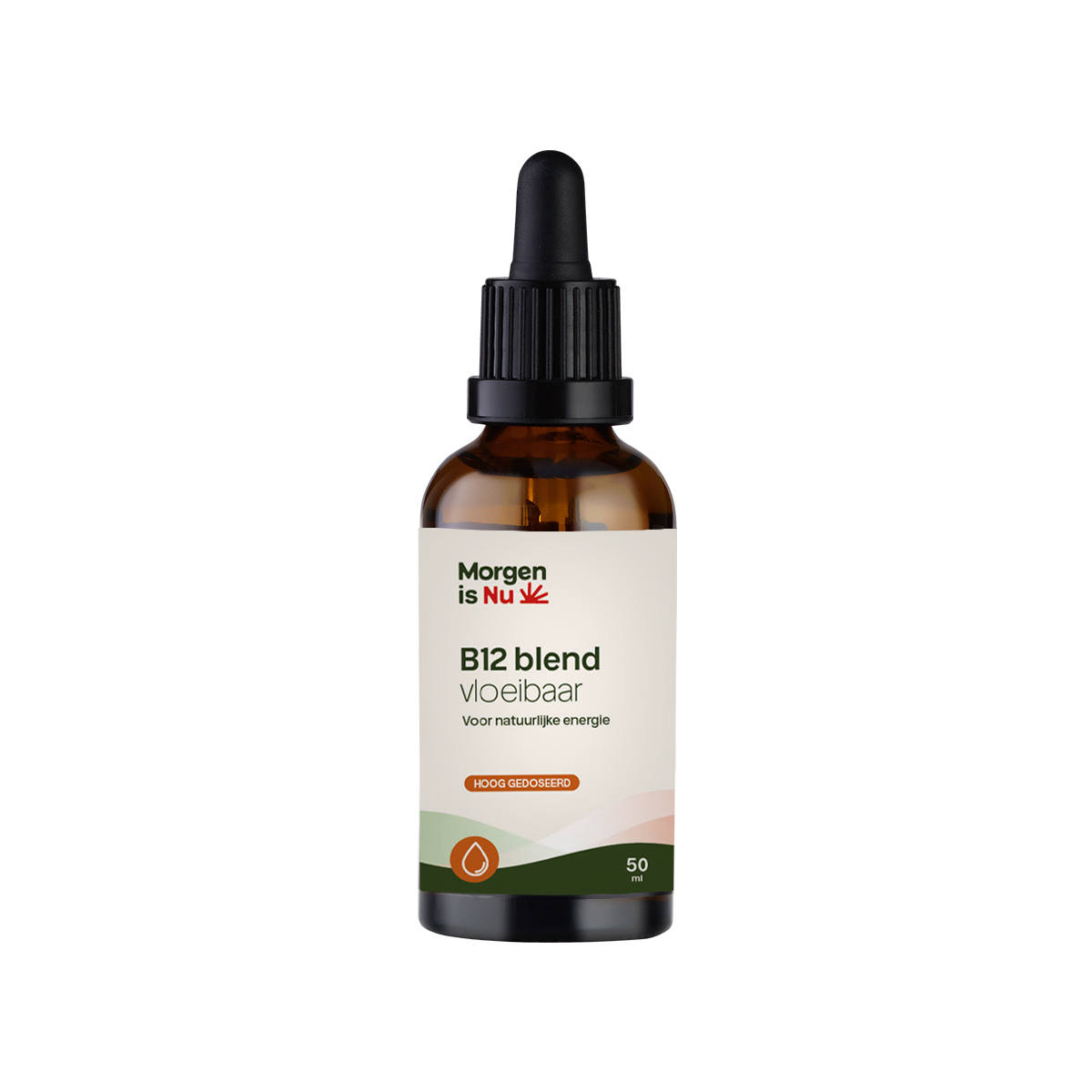
50ml, 100ml | Liquid | Vitamin B12 | Methylcobalamin, Adenosylcobalamin | The Netherlands

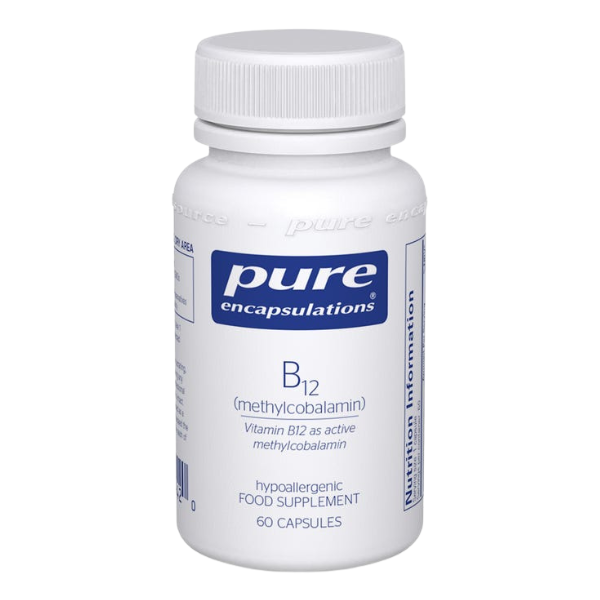
60 capsules | Capsules | Vitamin B12 | Methylcobalamin | United States of America
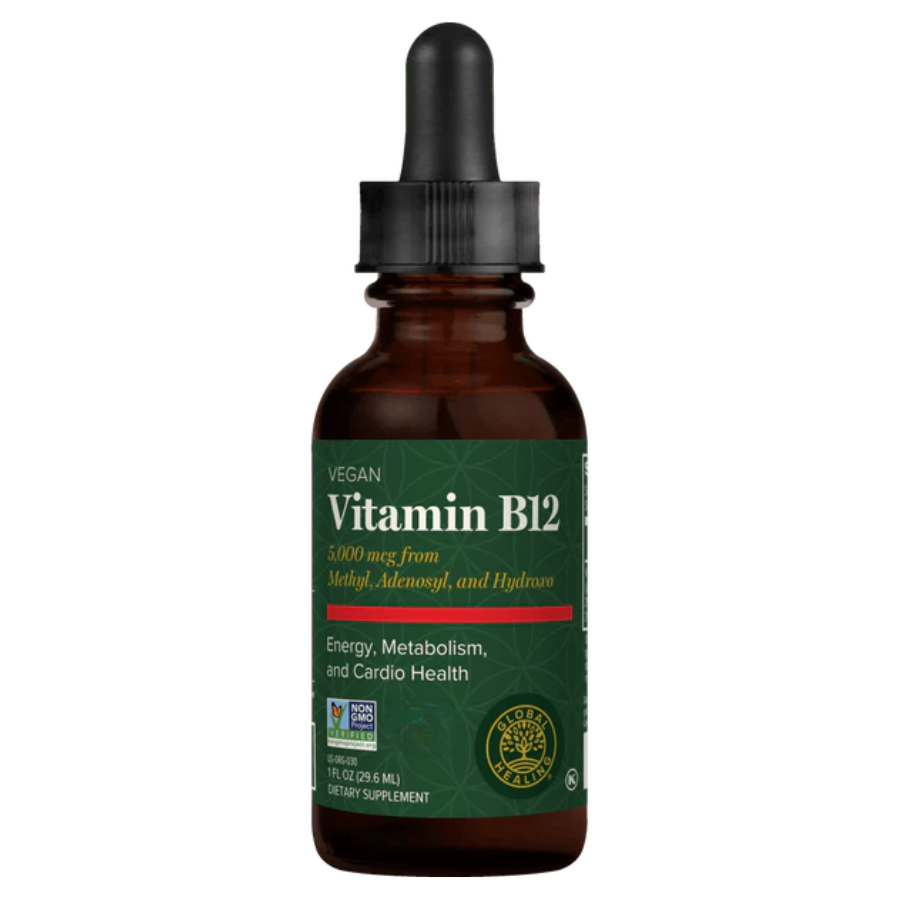
30ml, 60ml | Liquid | Vitamin B12 | United States of America
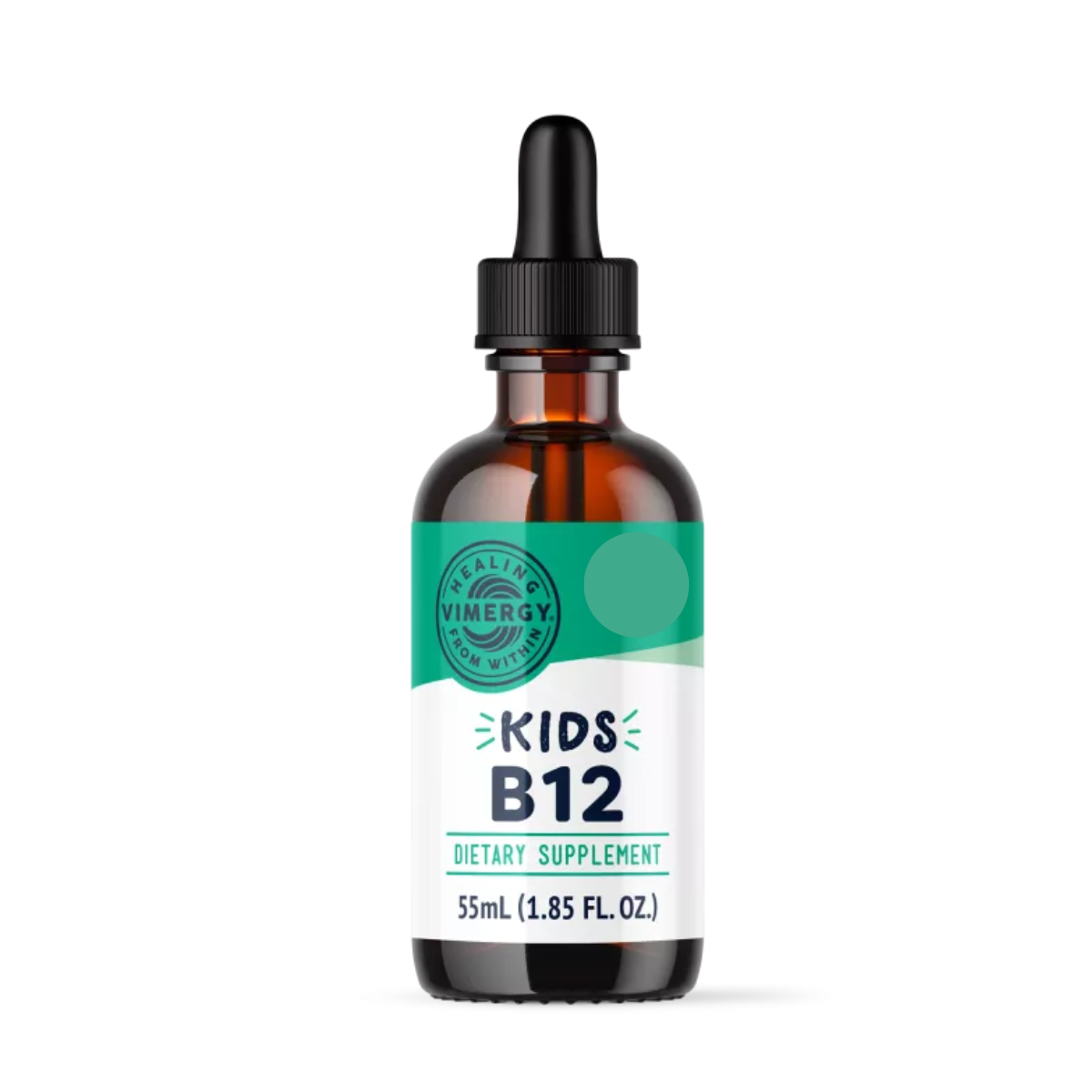
55ml | Liquid | Vitamin B12 | Methylcobalamin, Adenosylcobalamin | Canada
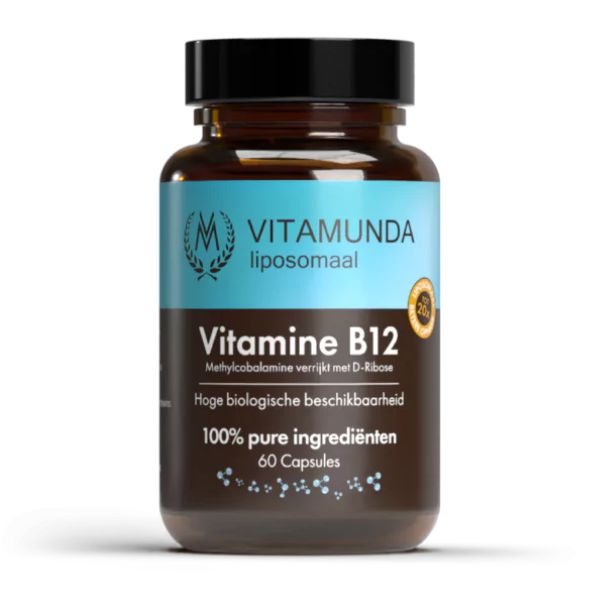
60 capsules | Capsules | Vitamin B12 | Methylcobalamin, Adenosylcobalamin | The Netherlands
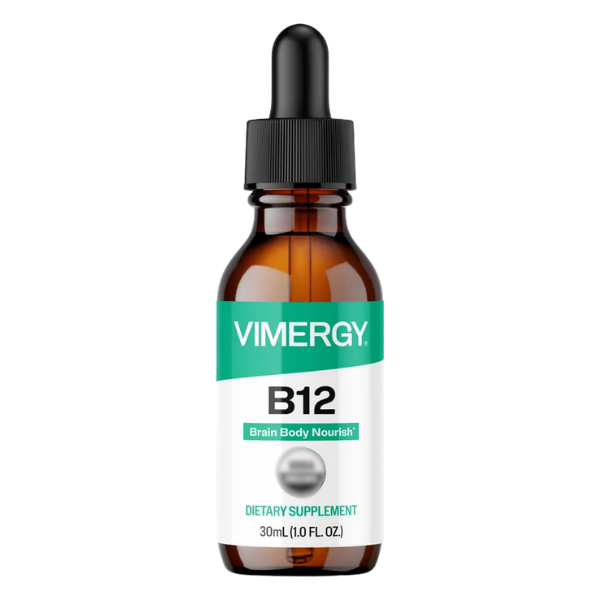
30ml, 115ml | Liquid | Vitamin B12 | Canada
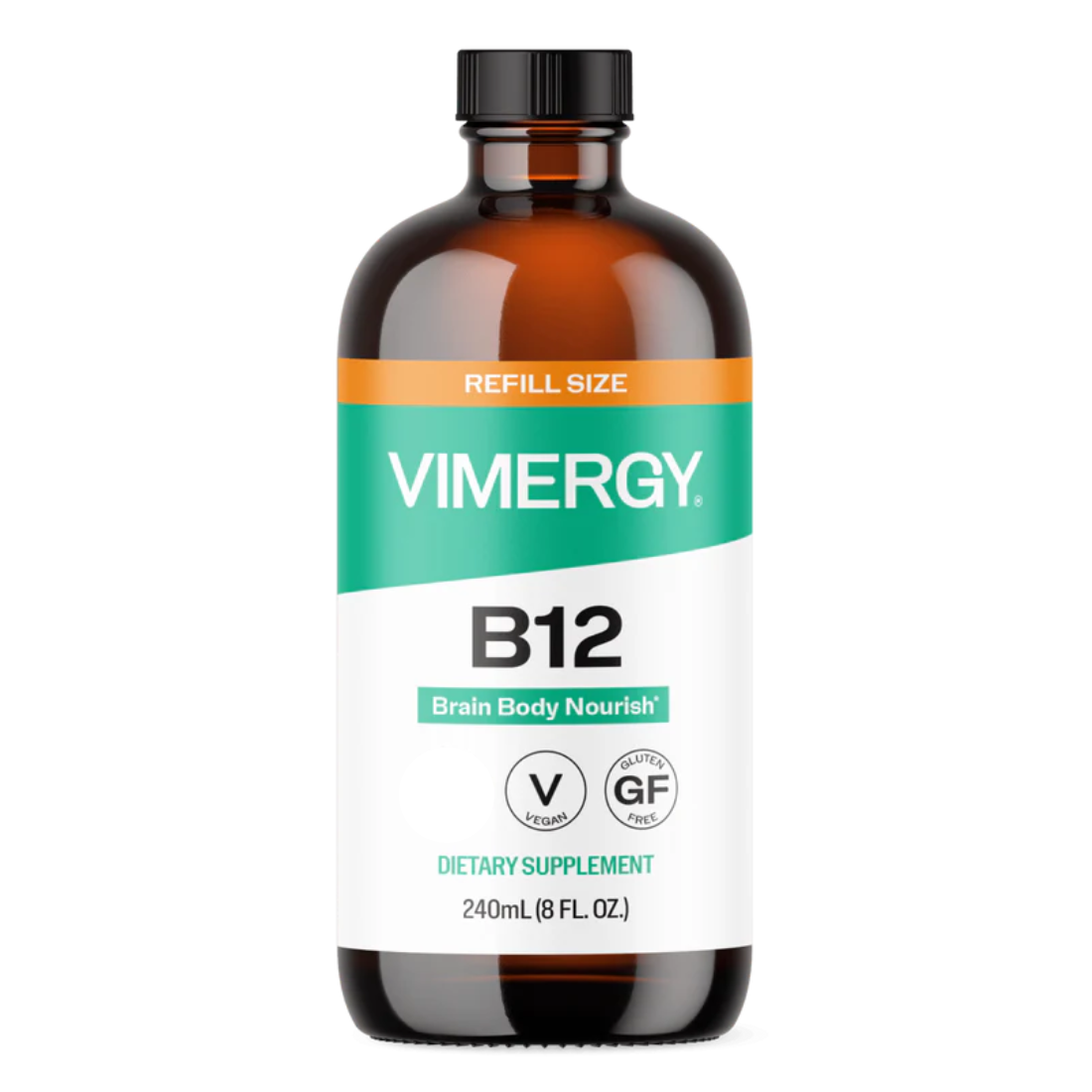
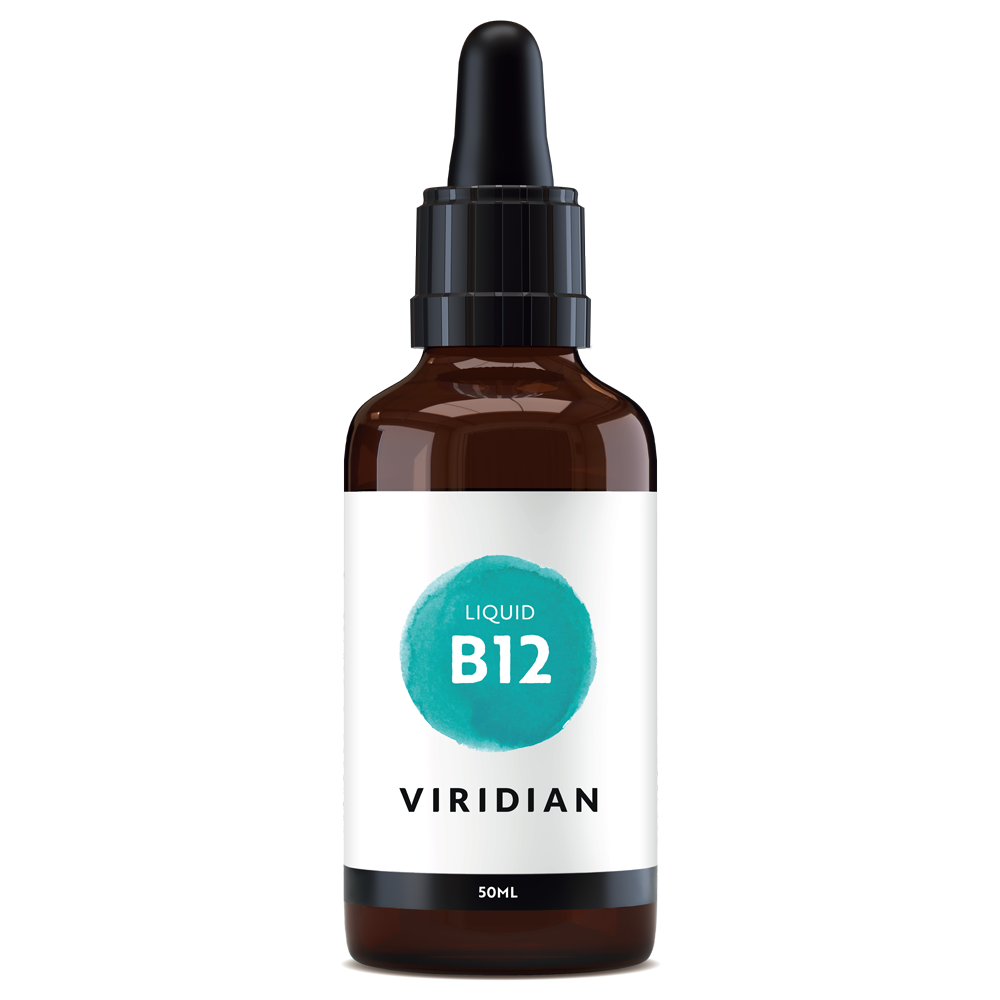
50ml | Liquid | Vitamin B12 | Methylcobalamin, Adenosylcobalamin | United Kingdom
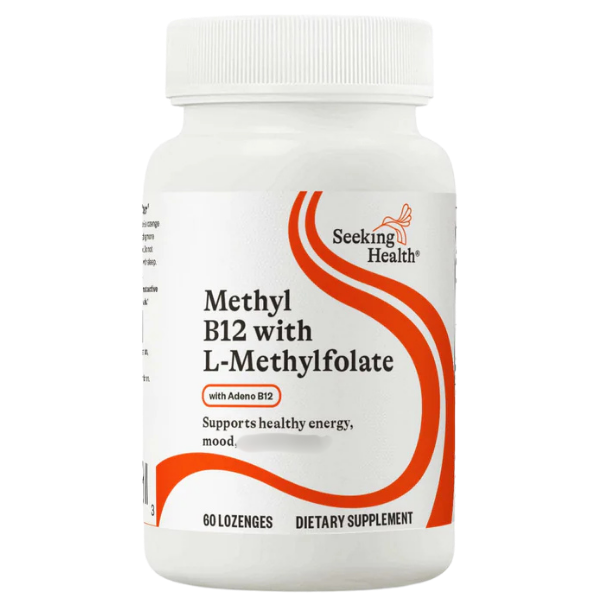
60 lozenges | Tablets | Vitamin B12, Folic acid | Methylcobalamin, Adenosylcobalamin | United States of America
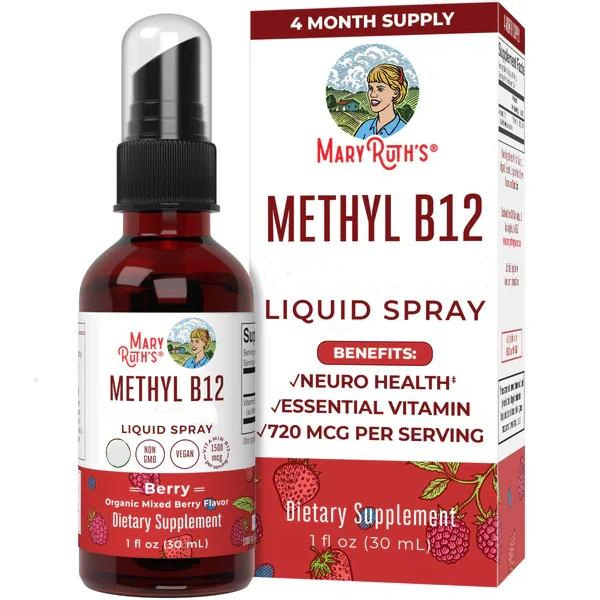
30ml | Liquid | Vitamin B12 | Methylcobalamin | United States of America
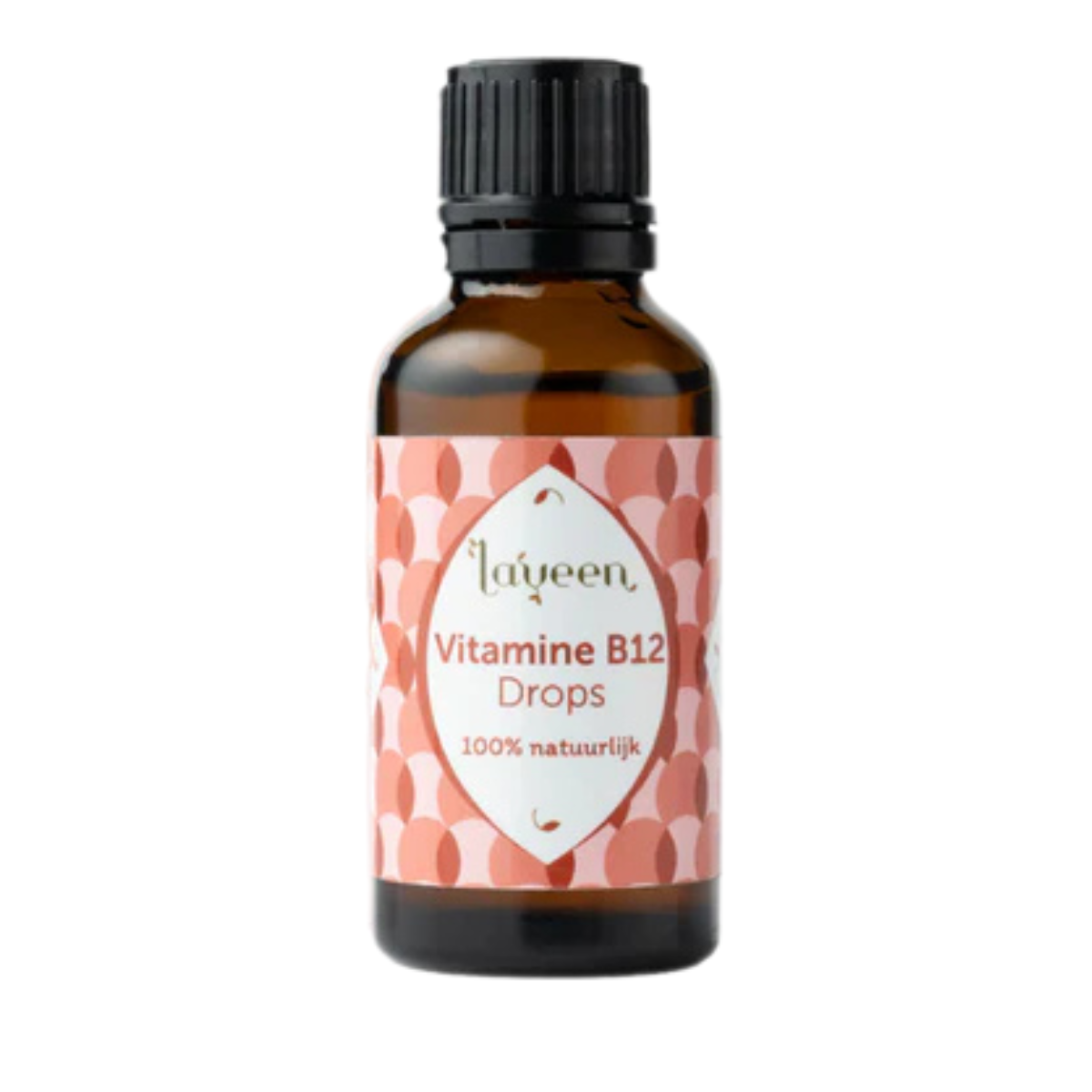
30ml | Liquid | Vitamin B12 | Methylcobalamin | Germany
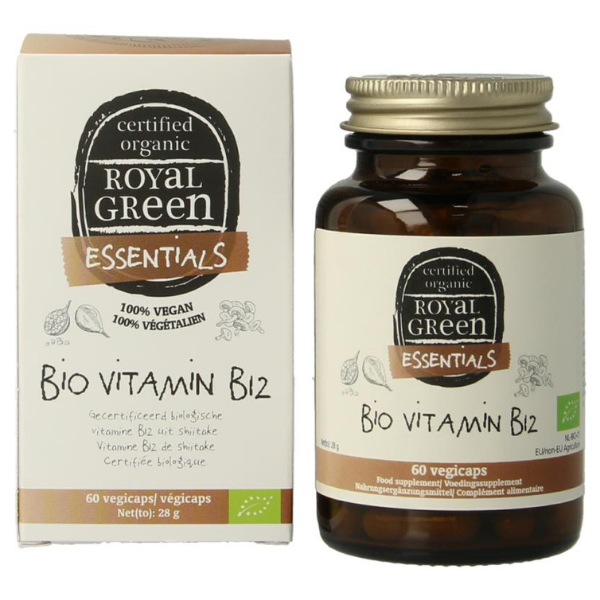
60 capsules | Capsules | Vitamin B12 | Natural source | The Netherlands
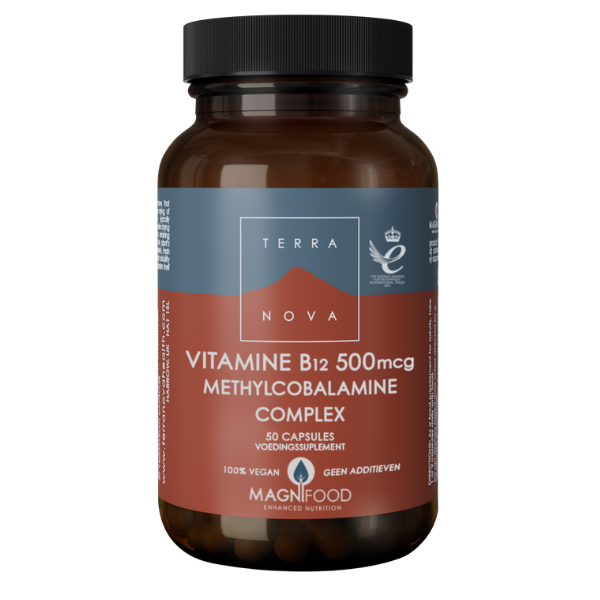
100 capsules, 50 capsules | Capsules | Vitamin B12 | Methylcobalamin | United Kingdom
"B12 vloeibaar besteld, zoals altijd snel geleverd. B12 van eigen merk is prima product, smaak is goed te doen en het wordt goed opgenomen."
- anoniem
Datum van ervaring: 3 januari 2025
Bekijk alle reviews
Over Morgen is Nu - Holistische gezondheidsshop
Bij Morgen is Nu zetten we ons elke dag in voor jouw gezondheid. Gedreven door een unieke visie en jarenlange ervaring selecteren we uitsluitend de meest pure en hoogwaardige producten. Wij staan voor een holistische aanpak waarin fysieke, innerlijke en uiterlijke balans centraal staan.
Telefoon: 0341 – 422 850
Blog about vitamin B12
Vitamin B12 is crucial for your energy, brain function and cell division, yet it is often overlooked. Even by people who do not follow a vegetarian or vegan diet. A deficiency can therefore go unnoticed, with a major impact on your health.
In this blog, we take a closer look at vitamin B12. You will find out why this vitamin is so important, what the symptoms of a deficiency are, which forms are most effective, and how best to supplement B12. Curious about how you can support your energy levels, memory and immune system with this special vitamin? Read on to find out.

- Beef or lamb liver
- Fish (such as herring, mackerel, salmon)
- Eggs
- Dairy products (milk, yoghurt, cheese)
- Fat-soluble vitamins (A, D, E, K): Take with a meal containing fat.
- Water-soluble vitamins (C, B-complex): Can be taken at any time of the day. B12 is best absorbed on an empty stomach.
When combining supplements, it is important to follow the recommended daily dose for each product and avoid an excessive total intake of certain vitamins or minerals.
Everyone responds differently to supplements. Interactions between different food supplements are also possible. You use and combine supplements at your own responsibility. If you are unsure about combining different food supplements, we recommend consulting a professional.
Pay attention to how your body responds when taking supplements, and consult a doctor or pharmacist if you are taking medication, are pregnant or breastfeeding, or have a medical condition.