

Herbs
Looking to buy herbs? Explore the world of plants and leaves that have been used for centuries for their flavour, fragrance and distinctive properties. From aromatic Mediterranean herbs to powerful Chinese and Ayurvedic traditions, herbs bring culture, nature and vitality together.
By Stefan, last updated: 24/10/2025.
Contents
- Our favourite herbal supplements
- What are herbs?
- The difference between herbs and spices
- The history of herbal use around the world
- Herbs in teas and extracts
- Sources
Our favourite herbal supplements
- Mullein Leaf (Koningskaars) by Nature’s Answer
- He Shou Wu Caps by Dragon Herbs
- Curcumin C3 Complex by Morgen is Nu
What are herbs?
Herbs are plants or parts of plants used for their fragrance, flavour or composition. They are used in food, health practices and rituals, and as a basis for extracts. Unlike spices, which often come from seeds or bark, herbs usually come from leaves, flowers or stems. Millions of people worldwide rely on herbs every day, both as flavourings and in supplement form. (source)
The difference between herbs and spices
A common question is: what is the difference between herbs and spices?
- Herbs generally come from the green, above-ground parts of a plant, such as leaves or flowers (for example, mint or basil).
- Spices are usually obtained from other parts of a plant, such as roots, seeds, bark or fruits (for example, cinnamon or ginger).
Both add aroma and flavour, but the distinction lies in which part of the plant is used.
The history of herbal use around the world
Herbs have a rich history and have been part of various health traditions for thousands of years:
- Ayurvedic herbs (India): Plants and herbs play a central role here in the pursuit of balance between body and mind. (source)
- Chinese herbs: In this centuries-old tradition, herbs are often combined into carefully composed formulas intended to support balance and harmony in the body (source).
- European herbs: Think of medieval monastery gardens, where medicinal herbs such as sage, chamomile and valerian were grown.
- South American herbs: Indigenous peoples have used plants for generations in rituals, as teas or as extracts.
According to the WHO, around 80% of the world's population still relies on herbs as part of their everyday healthcare. (source)
Herbs in teas and extracts
Herbs can be used in many ways. Two popular forms are:
Herbal tea: From chamomile and mint to hibiscus and yerba maté, herbal tea is enjoyed as a hot drink around the world. Studies show that herbal teas often contain bioactive compounds that are being investigated for their potential effects on health. (source)
Herbal extracts: Herbs are increasingly processed into extracts to obtain concentrated bioactive compounds. (source)
Sources

60ml | Liquid | Ashwagandha | United States of America

60 capsules | Capsules | Astragalus, Schisandra | United States of America


120ml, 60ml | Liquid | Nightcap | United States of America

30ml, 120ml | Liquid | Mullein | United States of America


60 capsules | Capsules | Turmeric, Curcumin | United States of America
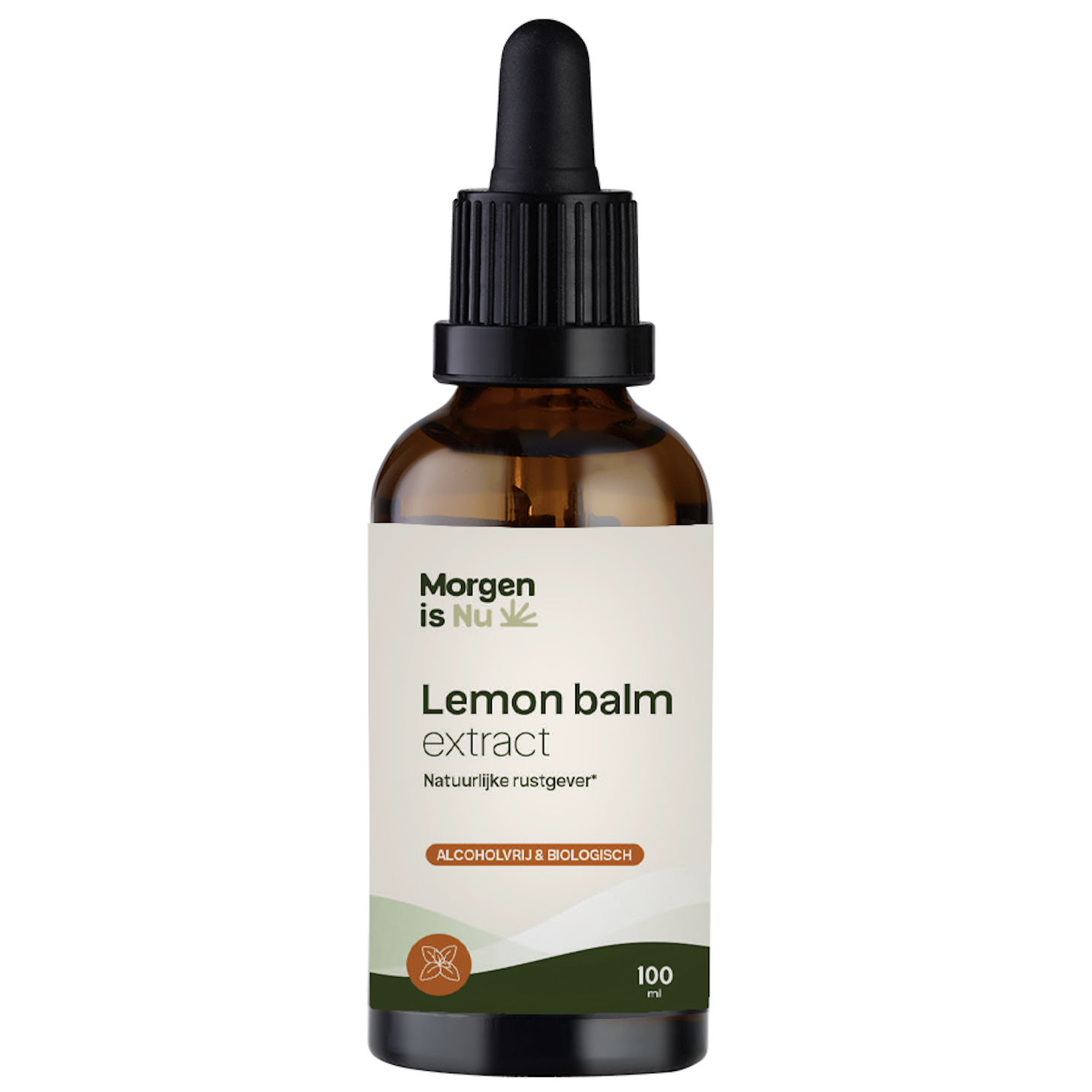
100ml | Liquid | Lemon balm | The Netherlands
Blogs about herbs
We've put together three blog posts that take a closer look at different aspects of herbs and their benefits.
Blog 1: Mullein: an everyday plant with powerful benefits
In this blog post, we explore the versatile mullein plant. From its native habitat to its unique properties, we look at why this herb is so valuable for our health. Discover the benefits of mullein for the respiratory tract, kidney function, immune system and more.
Blog 2: Dragon Drops: herbal tinctures of the highest quality
Learn more about Dragon Drops, the high-quality herbal tinctures from Dragon Herbs. We explore the production process and why Dragon Drops are so effective. Discover why these tinctures can offer powerful support for your wellbeing and health.
Blog 3: Curcumin and absorption: how does it work?
Discover the many health benefits of curcumin, the active compound in turmeric. We explore why curcumin is such a powerful phytonutrient and how it supports different aspects of our health. Learn more about the challenges of curcumin absorption and discover innovative solutions for better bioavailability.
Most health claims are currently linked to vitamins, minerals and fatty acids. For herbs and botanicals, discussions have been ongoing for years. Various on-hold claims have been submitted for this. These are currently awaiting approval by the European Commission. The claims may therefore currently only be used if there is scientific substantiation for the health effect.