
Reishi
Looking to buy Reishi? Reishi (Ganoderma lucidum), also known as Ling Zhi or varnished conk, is one of the world's most remarkable mushrooms. Reishi has played an important role in traditional Eastern medicine for thousands of years. On this page, you can learn more about the powerful Reishi mushroom and its unique composition.
By Stefan, last updated: 19-06-2025.
Contents
- Our favourite Reishi supplements
- What is Reishi?
- Traditional uses of Reishi
- The powerful compounds in Reishi
- The benefits of Reishi
- Sources
Our favourite Reishi supplements
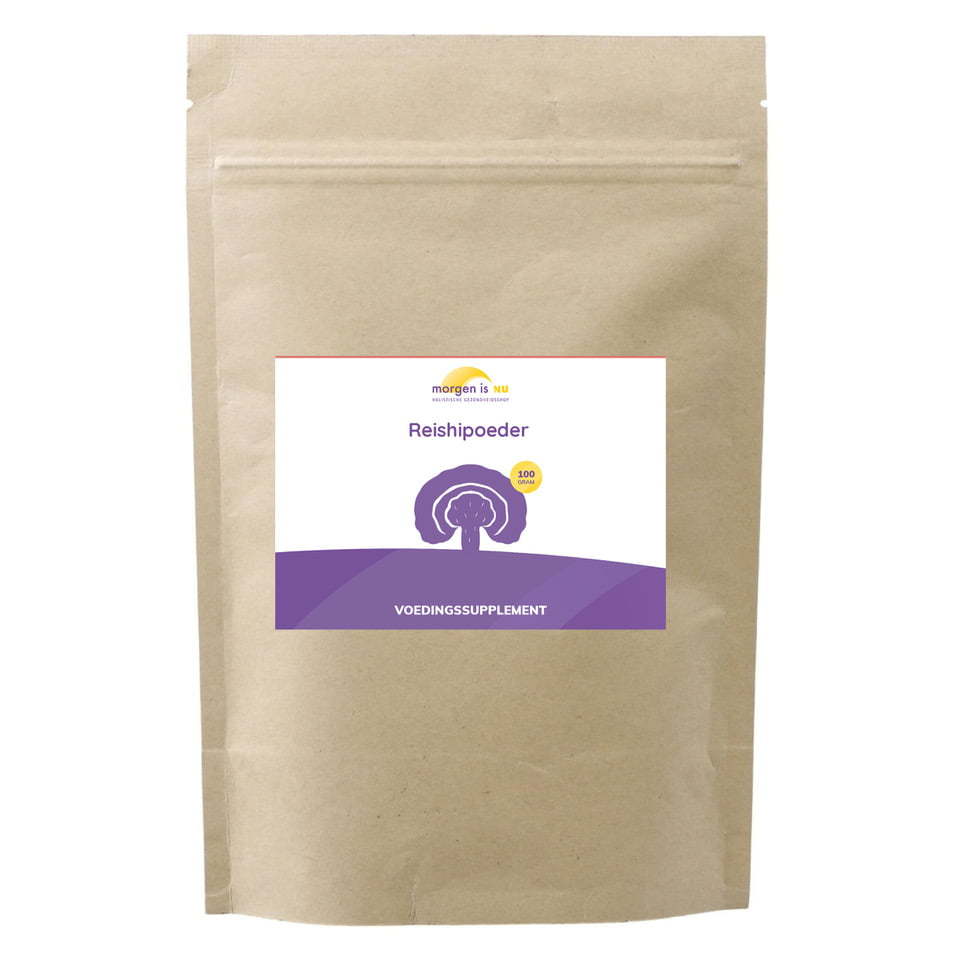
- Bio Reishi Poeder by Morgen is Nu
- Reishi Extract Mushroom Caps (Bio) by KIKI Health
- Reishi Fruiting Body by Nature’s Answer
What is Reishi?
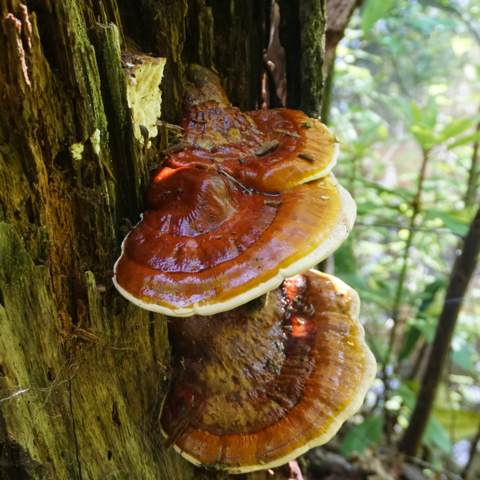
Reishi, scientifically known as Ganoderma lucidum, is a woody mushroom with a glossy, varnish-like cap. In China, it is called Ling Zhi (灵芝), which translates as “mushroom of spiritual power and immortality”. In Japan, Reishi is the commonly used name. Its Dutch name is gesteelde lakzwam. Reishi grows naturally on deciduous trees in warm, humid forests, but is now cultivated worldwide because of its rarity in the wild and its growing popularity.
Reishi holds a special place among tonic mushrooms . While other mushrooms are mainly known for their nutritional value, Reishi is valued for the presence of bioactive compounds such as polysaccharides and triterpenes. (source)
Traditional uses of Reishi
Reishi has an impressive history of use in Asian traditions spanning more than 2000 years. In traditional Chinese medicine (TCM), Reishi is considered one of the most important tonic herbs for supporting Qi (vital energy). In ancient texts such as the Shen Nong Ben Cao Jing, Reishi is praised as a 'superior herb' that nourishes the body and supports the mind.
In the past, Reishi was rare and reserved for emperors and the elite. As well as being used medicinally, the mushroom was hung on houses as a talisman to protect against illness and negative influences. (source)
Interesting fact: soldiers in the Himalayas have traditionally used Reishi as a preventive measure to support them when climbing to high altitudes (source).
The powerful compounds in Reishi
Reishi is known for its rich and complex composition. More than 400 bioactive compounds have been identified in the mushroom, including three main groups:
- Polysaccharides (such as beta-glucans)
- Triterpenoids (including ganoderic acids)
- Various nucleosides and flavonoids.
The exact composition varies depending on the origin, cultivation method, part of the mushroom used (such as the fruiting body or spores) and preparation method (such as Reishi powder or Reishi extract). (source)
The benefits of Reishi
The Reishi mushroom has several benefits, including:
- Reishi contributes to the normal function of blood vessels*
- Reishi contributes to the normal function of the immune system*
* Health claim awaiting European authorisation.
Sources
- Ganoderma lucidum (Lingzhi or Reishi): A Medicinal Mushroom
- Polysaccharide of Ganoderma and Its Bioactivities
- Management of acute mountain sickness: an exploratory review on herbal drugs
- Anti-tumor and immunoregulatory activities of Ganoderma lucidum and its possible mechanisms
- Quality difference study of six varieties of Ganoderma lucidum with different origins
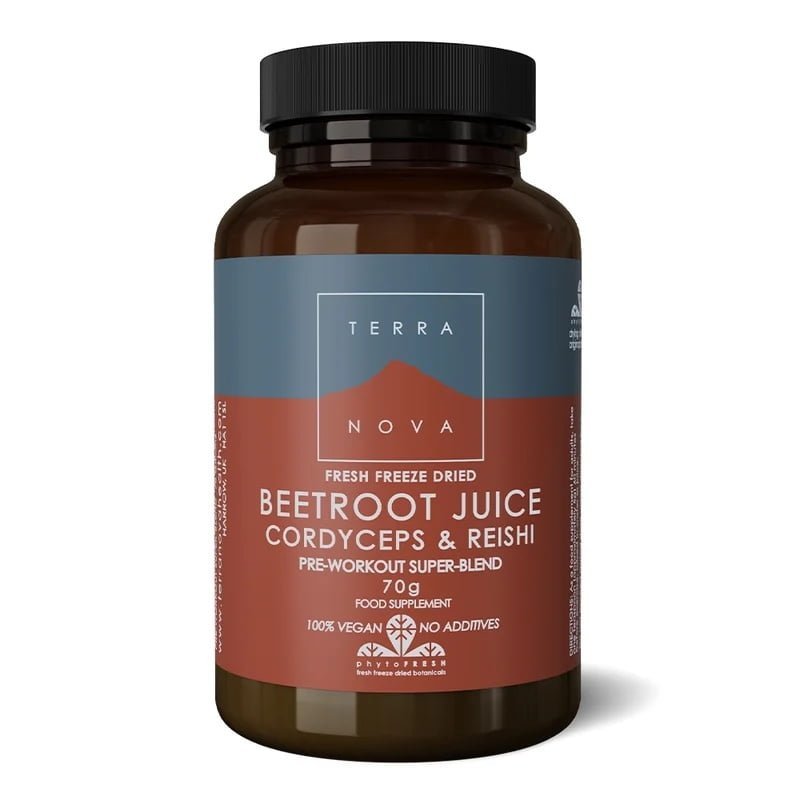
70 grams | Powder | Beetroot Juice | United Kingdom
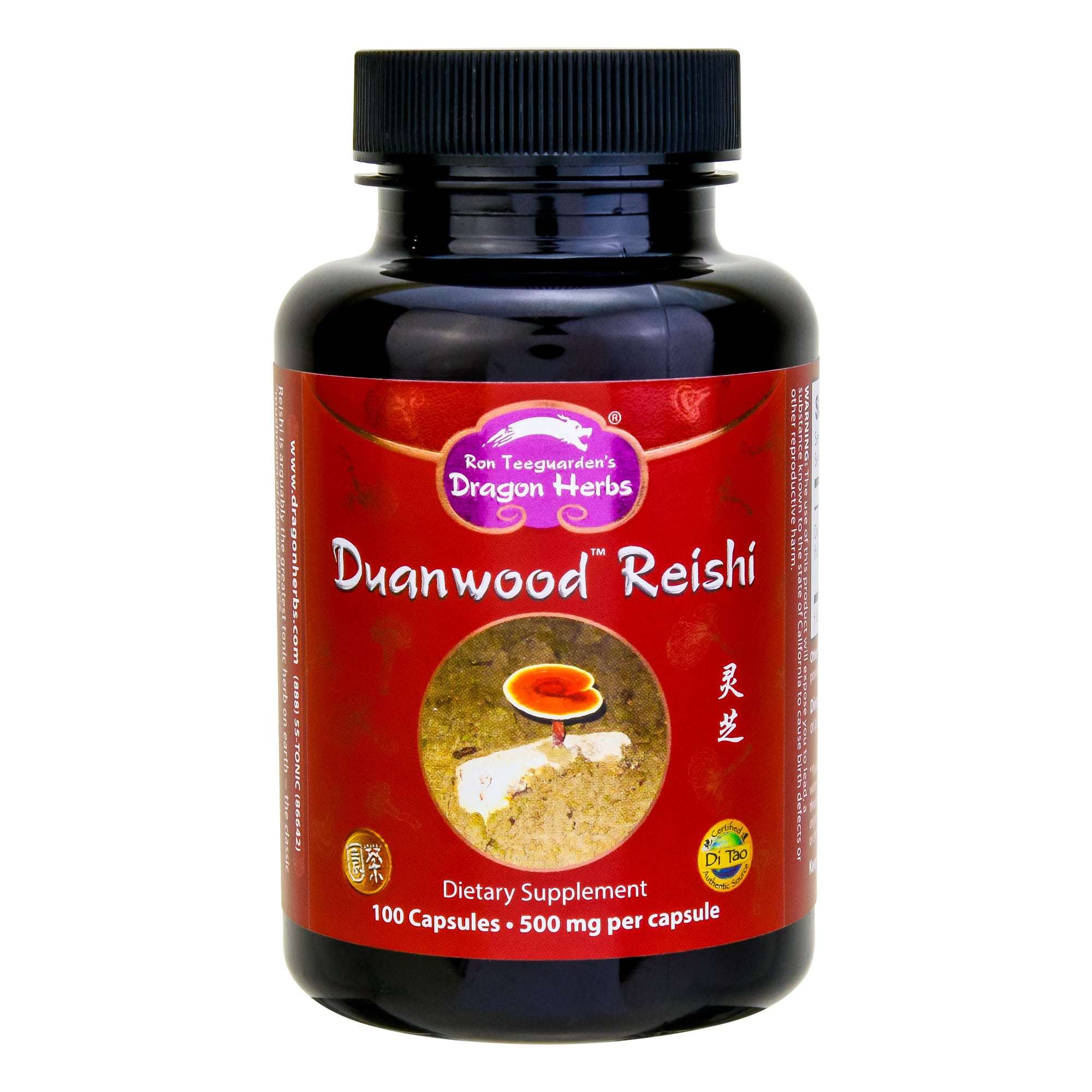
100 capsules | Capsules | Reishi | United States of America


59ml | Liquid | Reishi | United States of America
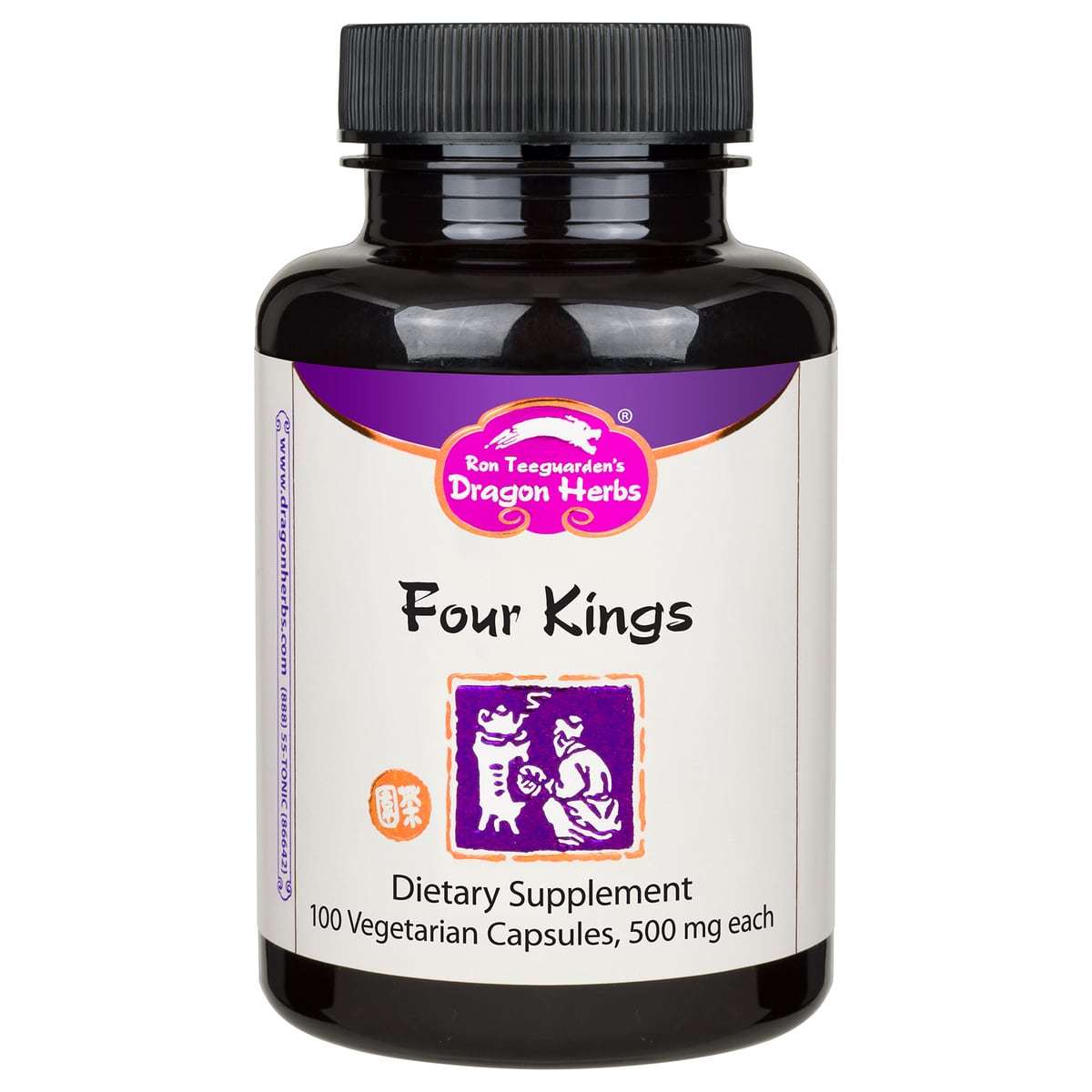
100 capsules | Capsules | Reishi, Agaricus | United States of America
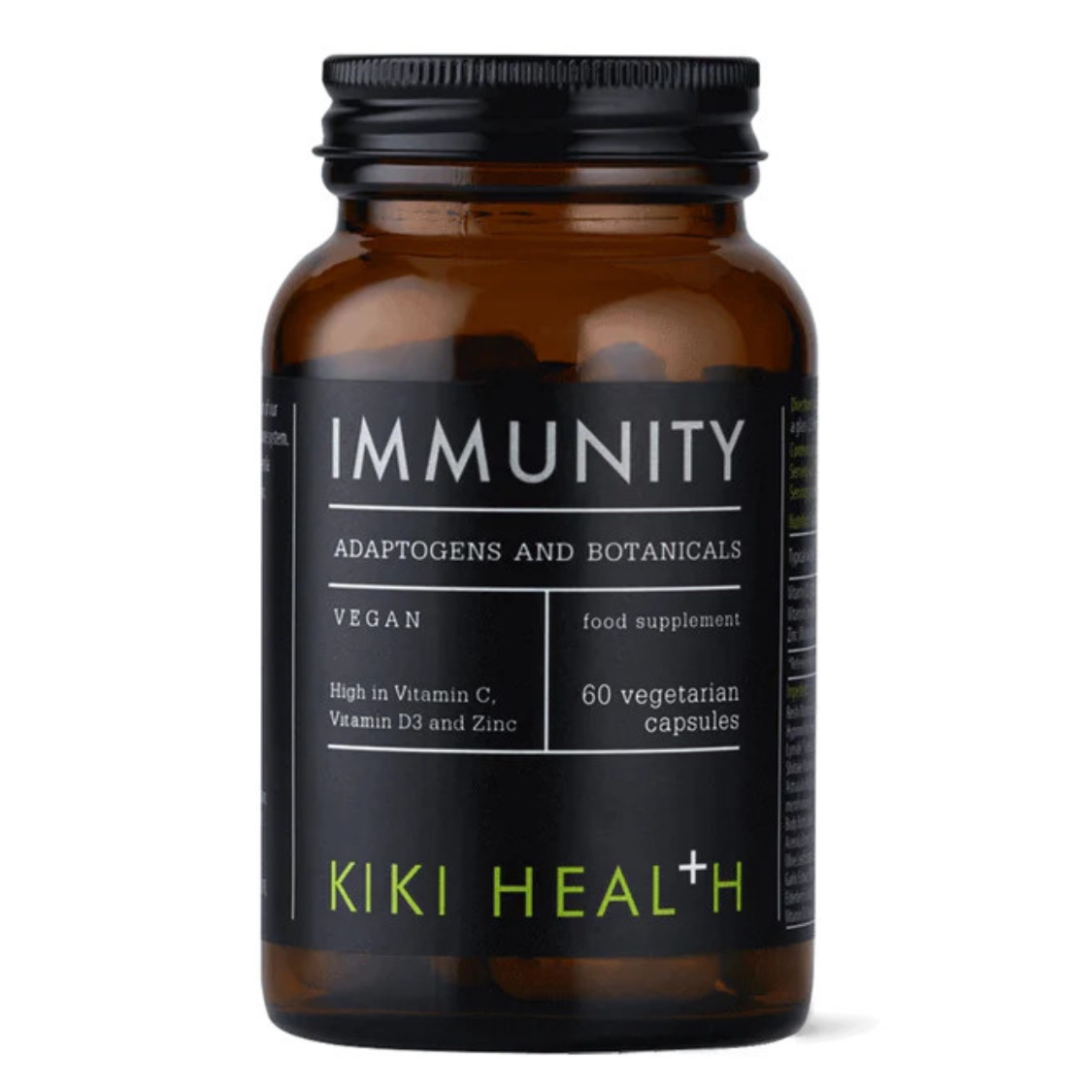
60 capsules | Capsules | Zinc, Vitamin D | Natural source | United Kingdom
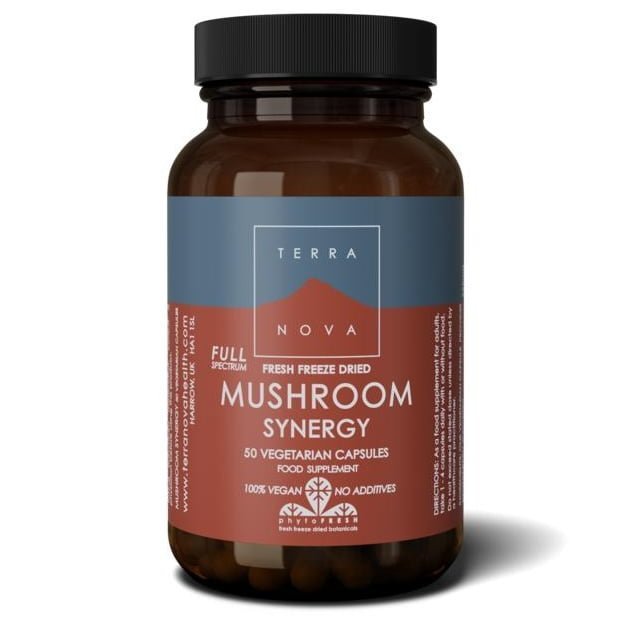
50 capsules | Capsules | Reishi, Agaricus | United Kingdom
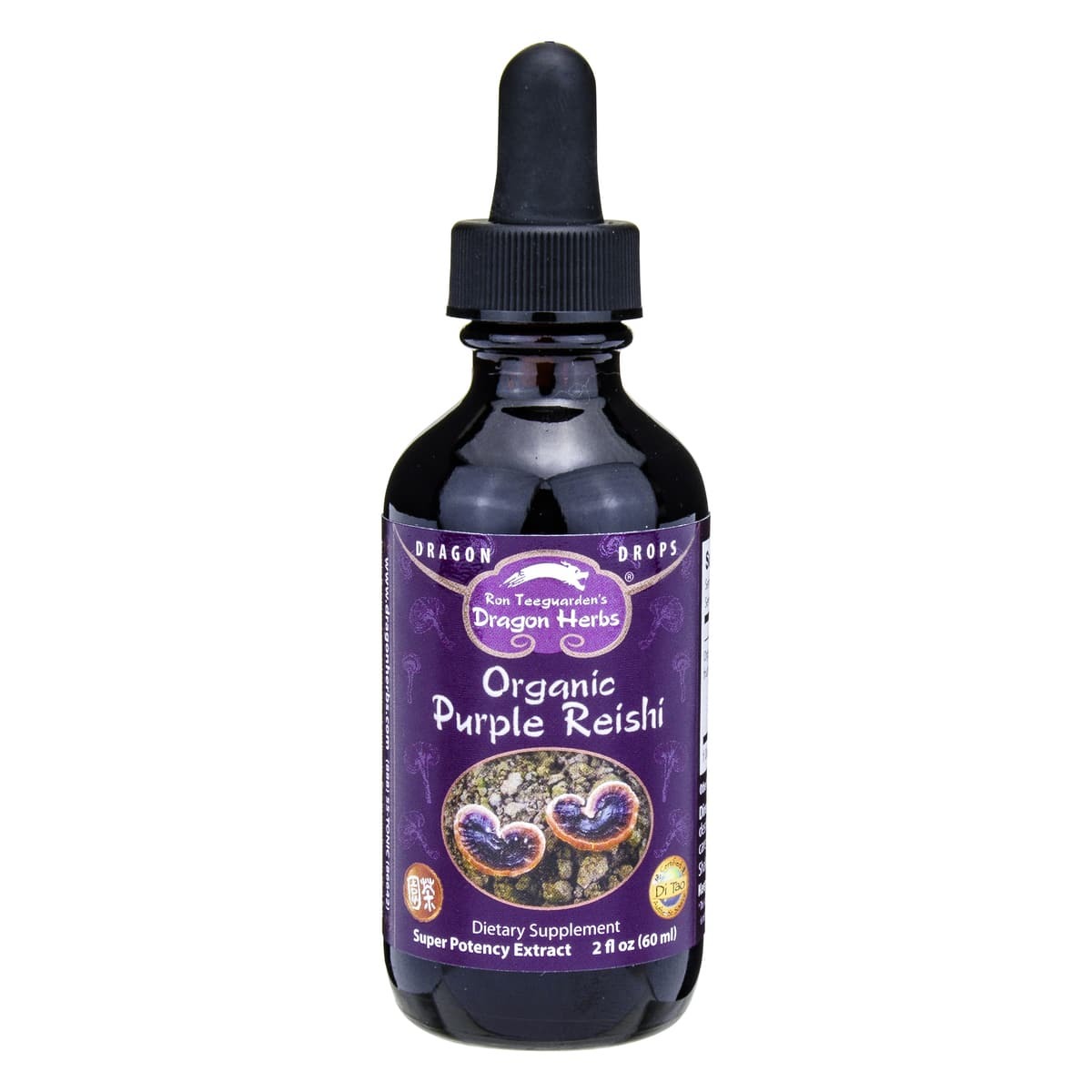
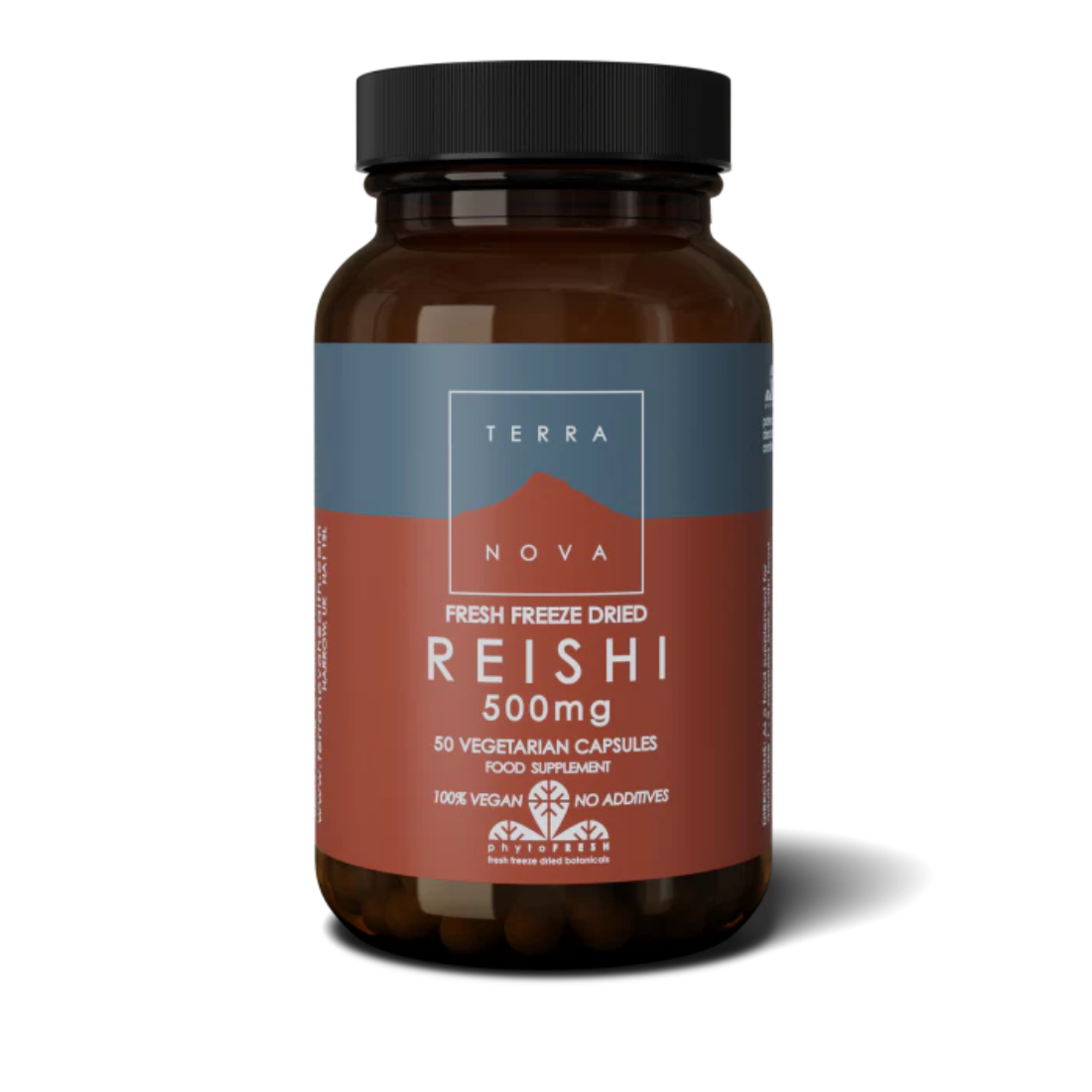
50 capsules | Capsules | Reishi | United Kingdom
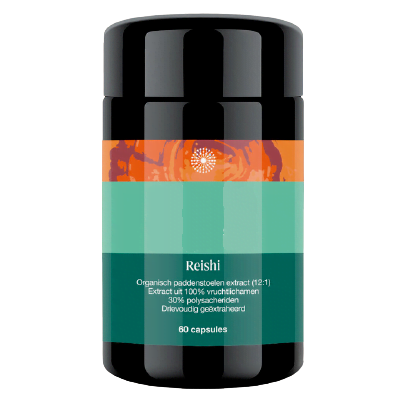
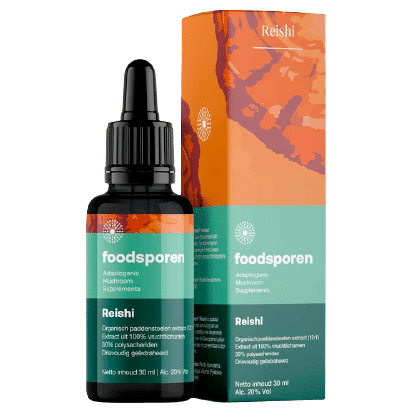
30ml, 50ml, 100ml | Liquid | Reishi, Vitamin B6 | Netherlands
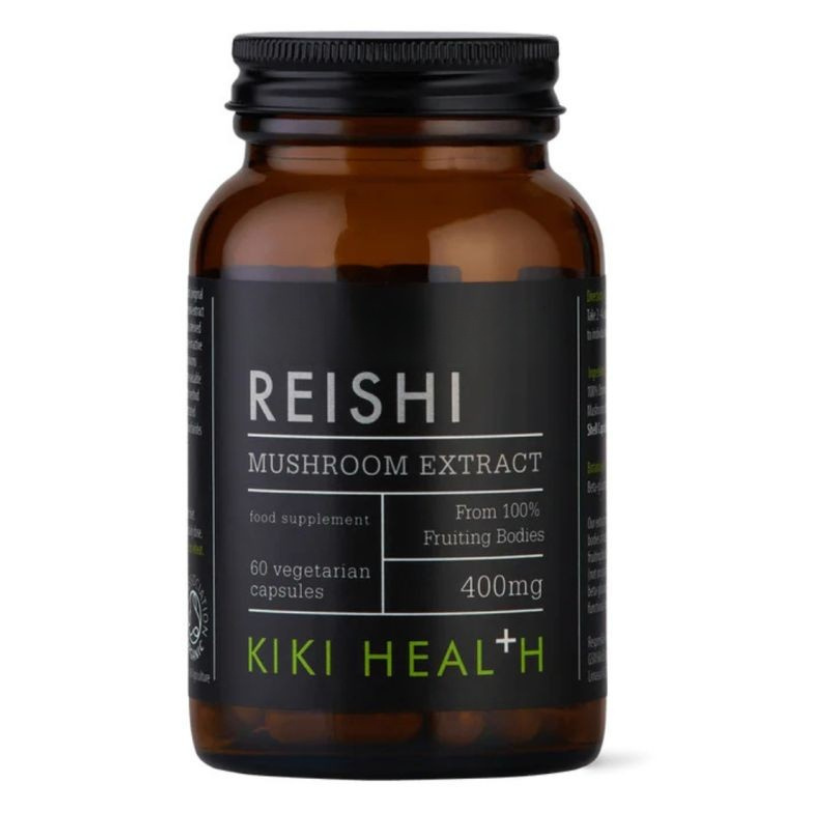
60 capsules | Capsules | Reishi | United Kingdom
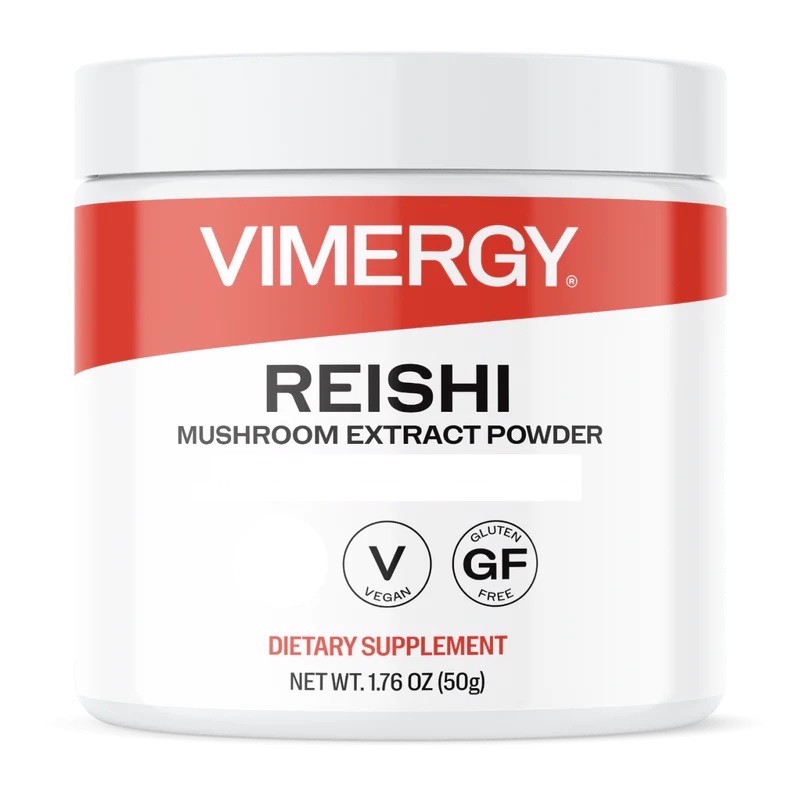
50 grams | Powder | Reishi | United States of America
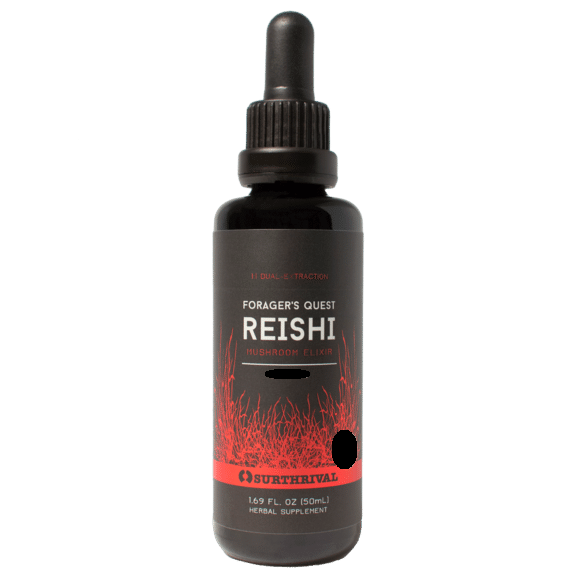
50ml | Liquid | Reishi | United States of America
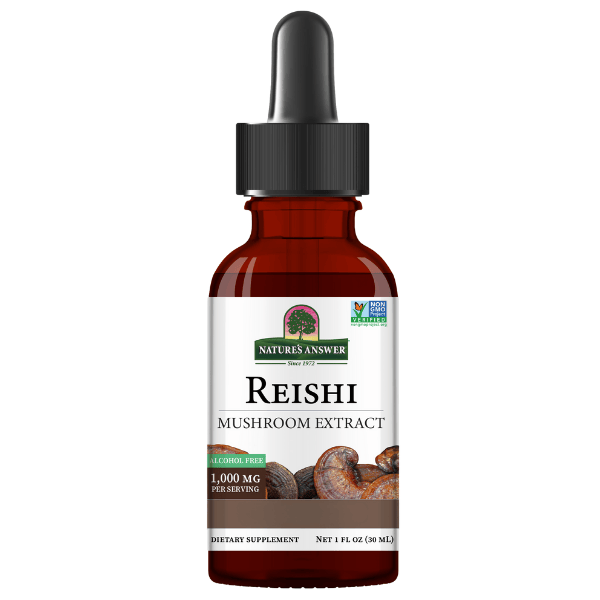
30ml | Liquid | Reishi | United States of America

40 capsules | Capsules | Reishi | United States of America
"Great service and quality! My order arrived really quickly, brilliant! The products are pricey, but you know exactly what you're putting into your body, and that's worth it. If you care about your body and only want the best, I really recommend Morgen is Nu!"
- Mrs Granville
Date of experience: 28 January 2025
Read all reviews
Our vision at Morgen is Nu: holistic health and wellbeing
At Morgen is Nu, we are committed to your health every day. Guided by a unique vision and years of experience, we select only the purest, highest-quality products. We believe in a holistic approach centred on physical, inner and outer balance.
Telephone: 0341 422 850
Our mission is to help people choose their health products with the right information
Reishi is known as a functional mushroom with a long history of use in traditional Asian herbal medicine. In Europe, there are currently two health claims attributed to Reishi:
- Reishi contributes to the normal function of blood vessels*
- Reishi contributes to the normal function of the immune system*
Reishi is also being studied worldwide for its composition, including polysaccharides, triterpenes and other bioactive compounds.
* Health claims pending European approval.
Ganoderma lucidum, also known as Reishi or Ling Zhi, is a mushroom that has been used in traditional systems of medicine in Asia for thousands of years. In Chinese and Japanese traditions, among others, Reishi is regarded as a tonic herb that may help bring the body into balance. Classical texts often associate the mushroom with vitality and inner calm.
Today, Reishi is mainly used in food supplements, where its extract or powder is valued for its rich composition, including compounds such as beta-glucans and triterpenes.
The recommended dosage depends on the form in which Reishi is taken: powder, extract, capsule or tincture. For Reishi extracts, the usual dosage is often between 500 and 1500 mg per day, depending on the concentration and polysaccharide content. For pure mushroom powder, dosages of 2 to 5 grams per day are common. Always check the label of the specific product you are using and consult a qualified professional if in doubt.
Reishi is generally well tolerated when taken in the recommended amounts. In rare cases, mild side effects have been reported, such as dry mouth, stomach discomfort or dizziness. Caution is advised with higher doses or long-term use. Are you taking medication or do you have a medical condition? Always consult a doctor or therapist before adding Reishi to your routine.
Yes, reishi (Ganoderma lucidum) is technically edible, but its woody texture and bitter taste mean it is rarely prepared as a regular culinary mushroom. Instead, it is processed into powder, extract, tea or capsules, making its constituents more available and easier to consume.
Mushrooms are rich in nutrients such as fibre, protein, vitamins and minerals. They are valued in cooking and also used as a basis for supplements because of their unique composition.
Most mushroom supplements are well tolerated when used as directed. Possible drawbacks include differences in quality between suppliers and the fact that some supplements may not be suitable for use alongside certain medicines. Always choose products from a verified source and consult a qualified professional if you are unsure.
Everyone responds differently to supplements. Using and combining mushroom supplements is your own responsibility. Pay attention to how your body responds and consult a doctor or pharmacist if you are unsure or have existing health concerns. Would you like to take several mushroom products at the same time or combine them with other food supplements? Consult a healthcare professional first.