
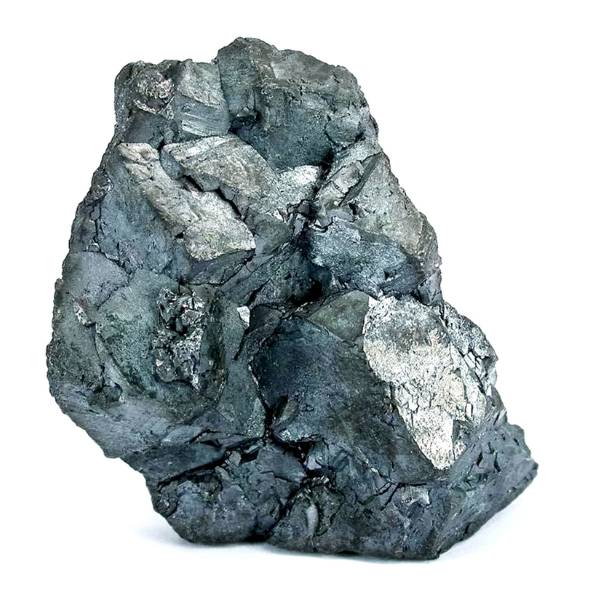
Boron
Looking to buy boron? Boron is a natural trace element found in soil, plants and various foods. Although it is not officially recognised as an essential mineral for humans, boron has attracted scientific interest for many years because of its role in biological systems.
At Morgen is Nu, you will find only high-quality boron supplements. Carefully selected for their purity, quality and origin. Find out what boron is, where it occurs and why this particular trace element attracts so much scientific attention.
Written by Danielle, last updated on 12-06-2026
Contents
- Our favourite boron supplement
- What is boron?
- The history of boron
- Which foods contain boron?
- Boron in scientific research
- Boron supplements
- Boron deficiency symptoms
- Safety and possible side effects of boron
Our favourite boron supplement
At Morgen is Nu, we believe quality should always come first. That is why we only select supplements that meet high standards for purity, origin and formulation.
Our favourite boron supplement:
Everything you find here is carefully selected, clearly labelled with its ingredients and free from unnecessary additives.
What is boron?
Boron is a naturally occurring trace element. It was discovered independently by several European scientists in 1808 and occurs naturally in rocks, soil, water and plants.
Unlike minerals such as magnesium, iron and zinc, boron is not officially recognised as an essential mineral for humans. Nevertheless, it has been studied for decades because of its presence in the human diet and biological systems. We consume small amounts of boron through our food every day.
The history of boron
Boron was discovered in the early nineteenth century by the chemists Joseph Louis Gay-Lussac, Louis Jacques Thénard and Humphry Davy. Researchers later discovered that boron occurs naturally in many foods. This sparked scientific interest in the possible role of this trace element in living organisms.
Boron continues to be studied around the world today. Although many scientific papers have been published on the subject, its precise significance in human nutrition is still not fully understood.
Which foods contain boron?
Boron occurs naturally in a wide range of plant-based foods. The amount can vary considerably depending on the soil in which crops are grown.
Foods containing relatively high amounts of boron include:
- Raisins
- Plums
- Dates
- Avocado
- Apples
- Pears
- Nuts
- Almonds
- Peanuts
- Pulses
Coffee, wine and some vegetables can also contribute to daily boron intake. A varied diet is generally the main source of boron.
Boron in scientific research
Boron has been the subject of scientific research for decades. Among other things, researchers study how this trace element behaves in plants, animals and humans.
What was barely understood generations ago is now being studied in increasing detail. PubMed alone contains thousands of scientific publications on boron.
Boron supplements
A boron supplement usually contains small amounts of this natural trace element in a readily absorbable form. Thinking of taking a boron supplement? Pay attention to:
- The compound used
- The dosage
- The quality of the raw materials
- The absence of unnecessary additives
Not all supplements are the same. Transparency about ingredients and origin therefore remains important.
Boron deficiency symptoms
There is currently no officially established boron deficiency disease in humans. As boron is not considered an essential nutrient for humans, no official reference values for deficiency have been established either. This does not mean that boron is unimportant, but rather that there is currently insufficient scientific evidence to define a specific deficiency status.
Safety and possible side effects of boron
Boron is generally well tolerated when used within the recommended amounts. As with all supplements, it is important not to exceed the recommended dose.
Are you taking medication, pregnant or living with a medical condition? Always consult a doctor or qualified professional before taking a supplement.
At Morgen is Nu, we consider safety at least as important as quality. That is why we only choose products that meet the highest standards for food safety and regulatory compliance.
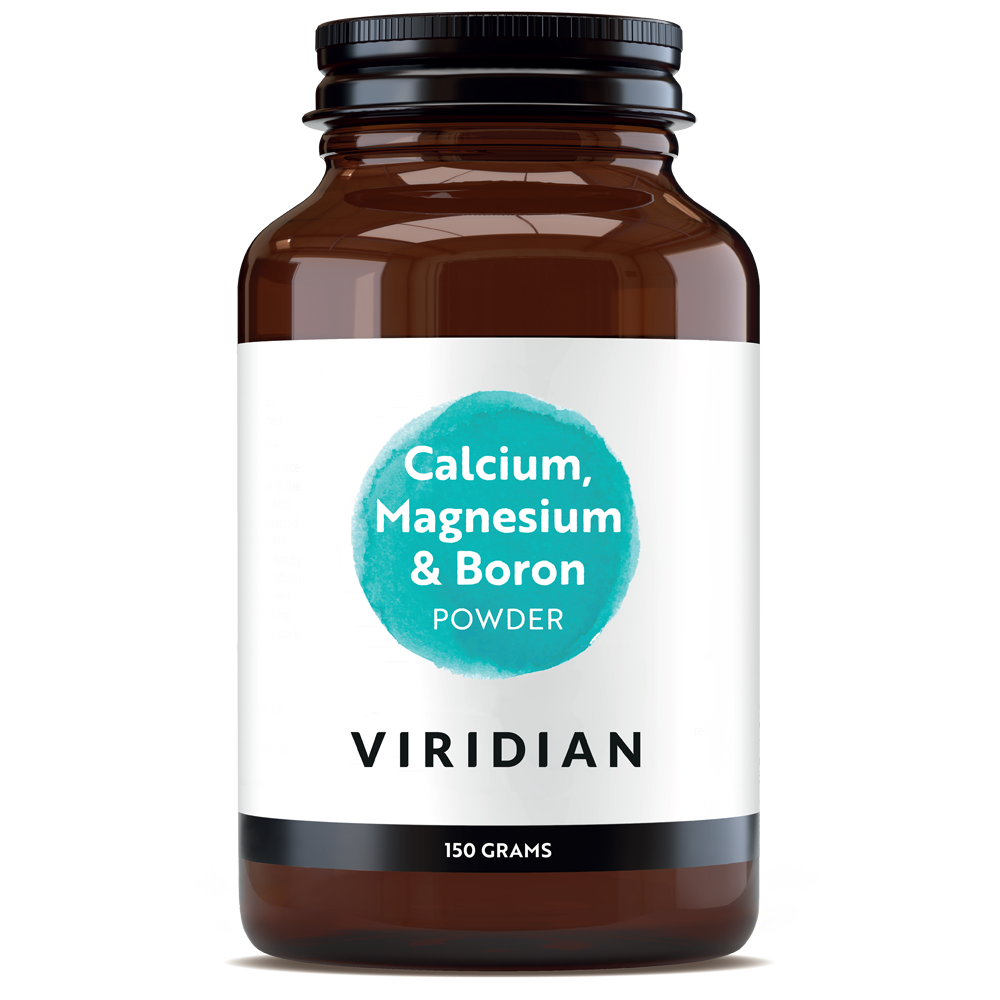
150 grams | Powder | Vitamin C, Calcium, Magnesium | Citrate, Oxide, L-ascorbic acid, Carbonate | United Kingdom