
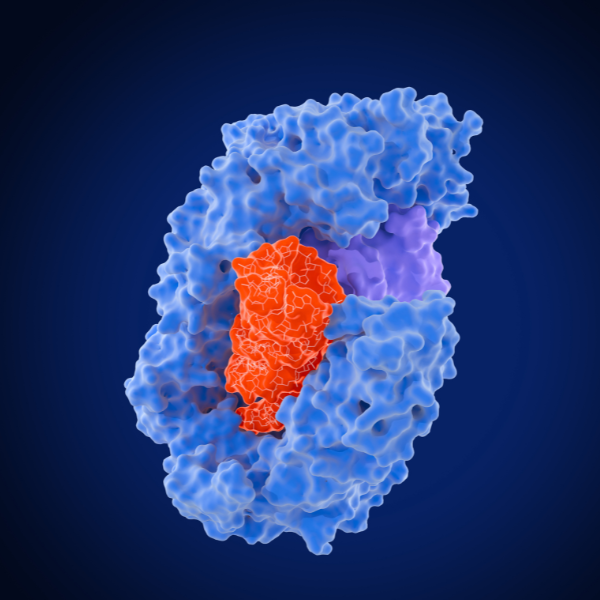
PQQ (Pyrroloquinoline Quinone)
Are you looking for a PQQ supplement? PQQ, short for pyrroloquinoline quinone, is a naturally occurring compound that has been the subject of scientific research for decades. It was originally discovered as a cofactor for certain bacterial enzymes and has been studied extensively ever since. On this page, you can read about what PQQ is, where it occurs naturally and what science currently knows about this unusual compound.
Written by Danielle, last updated 29-06-2026
Contents
- Our favourite PQQ supplement
- What is PQQ (Pyrroloquinoline Quinone)?
- Is PQQ a coenzyme?
- The history of PQQ
- Where does PQQ occur naturally?
- PQQ in scientific research
- PQQ in combination with CoQ10
- PQQ safety
Our favourite PQQ supplement
What is PQQ (Pyrroloquinoline Quinone)?
PQQ stands for pyrroloquinoline quinone. It is a small, water-soluble compound discovered in 1979 during research into bacterial enzymes. Scientists found that PQQ functions in certain bacteria as a redox cofactor: a molecule involved in oxidation and reduction reactions.
Although PQQ plays an important role in bacteria, it has not been shown to have the same role in humans. PQQ is therefore not considered a vitamin or an essential nutrient for humans. It has, however, been the subject of basic scientific research for many years.
The history of PQQ
PQQ was discovered in the late seventies by researchers studying bacterial enzymes. The discovery attracted considerable scientific interest because PQQ turned out to represent a new class of biological cofactors.
In the years that followed, researchers investigated whether PQQ also occurs in plants, animals and humans. Researchers now know that PQQ is present in small amounts in various foods and a range of biological systems. At the same time, much remains unknown about its precise significance for human nutrition.
Where does PQQ occur naturally?
PQQ occurs naturally in small amounts in various foods. Concentrations can vary considerably depending on the product's origin, growing methods and processing.
Foods that contain PQQ include:
- Natto (fermented soya beans)
- Kiwi
- Papaya
- Parsley
- Green tea
- Green pepper
- Spinach
- Soya beans
- Milk
- Eggs
People generally consume small amounts of PQQ through a varied diet.
PQQ in scientific research
PQQ is studied worldwide in various fields of research, including biochemistry, microbiology and cell biology.
Scientific publications examine topics including the chemical properties of PQQ, its role as a bacterial cofactor and its presence in food and biological systems. New publications investigating PQQ in laboratory and animal models also appear regularly.
Although these studies provide valuable insights, it is important to distinguish between scientific research and legally authorised health claims. No health claims for PQQ have currently been approved by the European Food Safety Authority (EFSA).
PQQ in combination with CoQ10
PQQ is often combined with coenzyme Q10 in food supplements. The two substances also regularly appear together in scientific publications. Researchers sometimes study these substances within the same field of research, but this does not automatically mean that health claims exist or may be made for them. When choosing a PQQ supplement, always consider the quality of the raw materials, the form used and the manufacturer's transparency.
PQQ safety
PQQ is generally used in food supplements at relatively low doses. As with all supplements, it is important not to exceed the recommended dose. Are you taking medication, pregnant, breastfeeding or living with a medical condition? Always consult a doctor or qualified professional before taking a supplement.
At Morgen is Nu, we consider safety just as important as quality. That is why we only select products that meet high standards for purity, food safety and formulation.
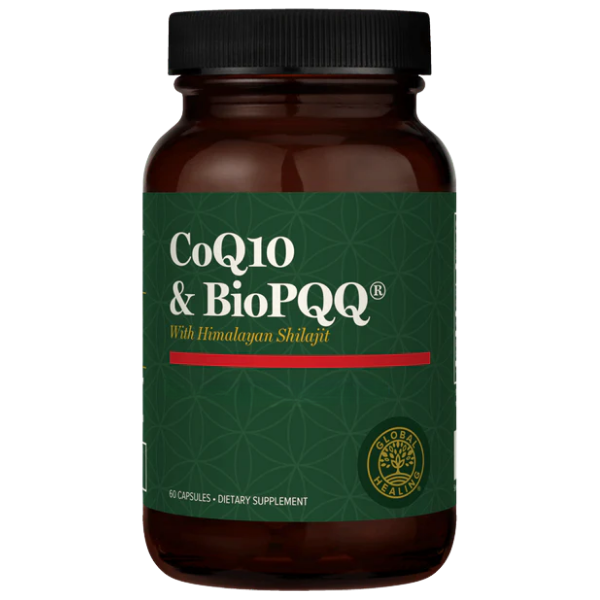
60 capsules | Capsules | Ubiquinone | United States of America