

Vitamin D3
Are you looking for the best vitamin D3 supplements, such as vitamin D3 drops or tablets, or would you like to know how much vitamin D3 you need each day? Read more about this essential vitamin here.
Written by Lisanne, last updated 07-11-2024
Contents
- Our best-selling vitamin D3 products
- The importance of vitamin D3
- Vitamin D deficiency
- How much vitamin D3 do you need?
- Topping up your vitamin D
- Sources
Our best-selling vitamin D3 products
- Liposomale D3 K2 Magnesium by Morgen is Nu
- D3 + K2 by SurThrival
- Plant-Based Vitamin D3 by Global Healing
The importance of vitamin D3
The role of vitamin D3 in the body
Vitamin D3 plays a crucial role in several bodily functions. It supports the absorption of calcium and phosphate, making it important for the structure of our bones and for our teeth. Vitamin D3 also has a positive effect on our immune system and supports the process of cell division and muscle function.
Vitamin D deficiency
Symptoms of vitamin D deficiency
A vitamin D deficiency can show itself in several ways. You may feel tired more often, develop weaker bones or experience muscle and joint pain. Bleeding gums and muscle cramps can also be signs of a deficiency. You may also feel listless and low, or even experience anxiety attacks.
Causes and risks of vitamin D3 deficiency
A vitamin D3 deficiency can be caused by several factors. These include a lack of sunlight, a diet low in vitamin D-rich foods or an increased need, such as during pregnancy or in older people.
How much vitamin D3 do you need?
Recommended daily intake of vitamin D3
The recommended daily intake of vitamin D3 varies by age and stage of life. For adults up to 70 years old, this is usually 10 micrograms, while adults over 70 need 20 micrograms per day. Children aged 1-10 need between 15 and 20 micrograms, and the recommended intake for babies is 10 micrograms. Pregnant women and older people often need more vitamin D, between 15 and 30 micrograms per day.
Topping up your vitamin D3
Foods containing vitamin D3
Although vitamin D mainly comes from sunlight, certain foods can also help, such as oily fish, eggs and fortified products. Getting enough vitamin D can be difficult, especially during the winter months. A vitamin D3 supplement can therefore be a useful addition.
Sunlight as a source of natural vitamin D
Sunlight remains the main source of natural vitamin D. Spending time outdoors regularly, especially in summer, stimulates vitamin D production in the skin. In winter, or when exposure to sunlight is limited, taking additional vitamin D3 in tablet or drop form is recommended.
Which vitamin D is best?
Vitamin D3 is usually recommended because it is better absorbed than D2. Choose between vitamin D 1000 IU, vitamin D drops or supplements combining ingredients such as magnesium and vitamin D for more comprehensive support for your wellbeing.
Vitamin K also plays an important role here. Vitamin D3 helps the body absorb calcium from food, while vitamin K2 ensures that this calcium is transported to the right places in the body. Together, they support the proper balance and function of calcium in the body.
Sources

30 capsules | Capsules | Vitamin D, Vitamin C, Zinc | Cholecalciferol, Natural source | Germany

50 capsules | Capsules | Vitamin D | Cholecalciferol | United Kingdom

90 capsules | Capsules | Vitamin D, Calcium | Cholecalciferol, Natural source | The Netherlands


15ml | Liquid | Vitamin D | Cholecalciferol

50ml | Liquid | Vitamin D | Cholecalciferol | United Kingdom
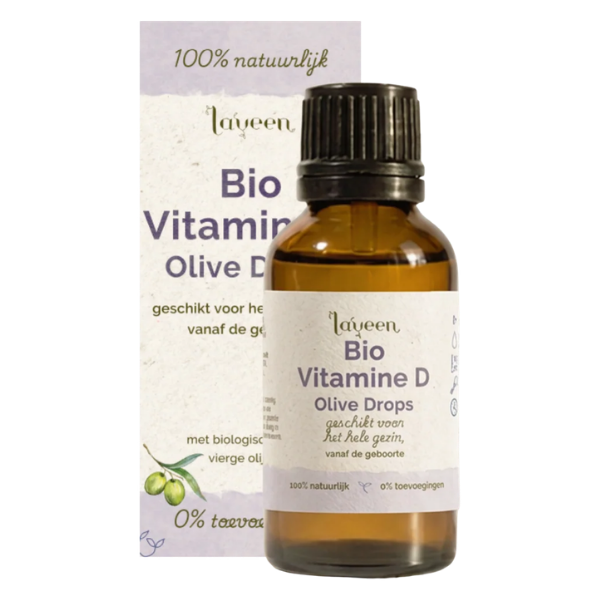
30ml | Liquid | Vitamin D | Cholecalciferol | Germany

60ml | Liquid | Vitamin D | Cholecalciferol | United States of America


30ml | Liquid | Vitamin D | Cholecalciferol | United Kingdom


60 capsules | Capsules | Vitamin D | Cholecalciferol | The Netherlands

60 capsules | Capsules | Vitamin D | Cholecalciferol | United Kingdom

50 capsules | Capsules | Vitamin D | Cholecalciferol | United Kingdom

15ml | Liquid | Vitamin D | Cholecalciferol | United States of America

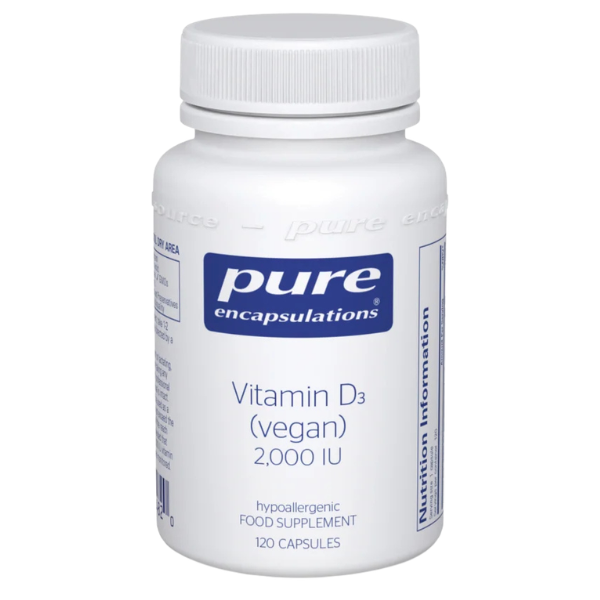
120 capsules | Capsules | Vitamin D | Cholecalciferol | United States of America

50 capsules, 100 capsules | Capsules | Vitamin D | Cholecalciferol | United Kingdom
"Always good follow-up on orders. Very clear information about each product before you buy."
- Francine
Rated 5 out of 5 stars
Date of experience: 11 November 2024
View all reviews
About Morgen is Nu - Holistic health shop
Morgen is Nu has a rich history and a unique approach to health, which is why we only sell the healthiest, natural products. We believe that a balance between physical, internal and external factors is essential for a long and healthy life. Discover our full philosophy and history.
Our mission is that people with the correct information choose their health products
Below is an overview of the guidelines: General recommendations (Health Council of the Netherlands & EFSA):
Babies (0-1 year): 10 mcg (400 IU) Children (1-18 years): 10 mcg (400 IU) Adults (18-70 years): 10 mcg (400 IU) Older adults (70+ years): 20 mcg (800 IU) Pregnant & breastfeeding women: 10 mcg (400 IU)
The most effective and readily absorbed form of vitamin D is vitamin D3 (cholecalciferol). This is the natural form that the body produces when the skin is exposed to sunlight. Compared with vitamin D2 (ergocalciferol), D3 stays active in the body for longer and is better absorbed.
Here is what vitamin D3 is good for:
- Vitamin D helps maintain normal blood calcium levels
- Vitamin D contributes to the maintenance of strong bones
- Vitamin D contributes to the normal absorption of calcium and phosphorus
- Vitamin D supports the process of cell division
- Vitamin D has a positive influence on the immune system
- Vitamin D contributes to strong teeth
- Vitamin D supports muscle function
No, vitamin D3 is a specific form of vitamin D. It is not the same as the general term "vitamin D", which refers to several forms:
- Vitamin D2 (ergocalciferol): Plant-based, but less effective and less well absorbed.
- Vitamin D3 (cholecalciferol): The most active form, obtained from animal products or sunlight.
Sources of vitamin D3
Vitamin D3 is obtained in two ways:
From sheep's wool (lanolin): vegetarian, but not vegan
- Sheep produce vitamin D through exposure to sunlight, which is stored in the fatty layer of their wool.
- When shorn wool is washed, it releases lanolin, from which vitamin D3 is extracted.
From lichen: fully vegan
- Lichens (a partnership between a fungus and an alga) produce vitamin D3 naturally.
- Its action and absorption in the body are identical to those of vitamin D3 from lanolin.
Looking for a vegetarian option? Choose D3 from lanolin.
For a vegan alternative, D3 from lichen is the best choice.
A vitamin D3 deficiency can show up in different ways.
Common symptoms include:
- Tiredness
- Muscle weakness and joint pain
- Reduced immunity
- Low mood
Too much vitamin D3 can lead to vitamin D toxicity (hypervitaminosis D). This mainly occurs with high doses taken over a long period. Possible side effects include:
- Raised calcium levels (hypercalcaemia): Vitamin D3 stimulates the production of calcium-binding proteins in the intestinal wall, causing the body to absorb more calcium. When vitamin D3 intake is too high, too much calcium is also absorbed, which can lead to raised calcium levels in the blood (hypercalcaemia).
- Kidney stones: Too much calcium in the blood can form deposits and cause kidney stones.
- Irregular heartbeat: In rare cases, raised calcium levels can affect the heart.
- Stomach complaints: Abdominal pain, constipation or diarrhoea can occur with an overdose.