

Rhodiola
Looking to buy Rhodiola? This distinctive herb is also known as roseroot or golden root. We offer a carefully selected range of 100% natural Rhodiola supplements. Find out more about its benefits and uses here.
By Lisanne, last updated: 08-10-2025.
Contents
- Our favourite rhodiola products
- What is Rhodiola
- Where does Rhodiola come from?
- How does Rhodiola work?
- The benefits of Rhodiola
- Sources
Our favourite rhodiola products
- Rhodiola Root (Rozenwortel) by Nature’s Answer
- Rhodiola Rosea Caps by Gaia Herbs
- Rhodiola 300mg by Terranova
What is Rhodiola?
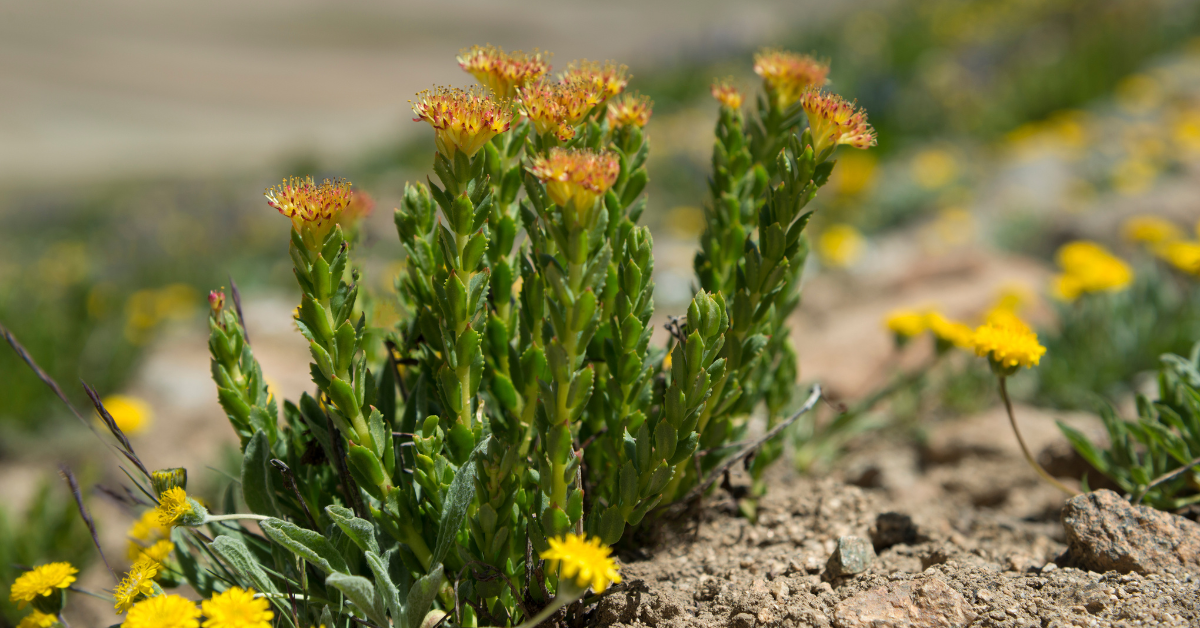
Rhodiola Rosea is a plant belonging to the stonecrop family (Crassulaceae). Its root contains a unique combination of 140 bioactive substances, of which rosavins and salidrosides are the main active compounds. These substances play a major role in how this herb works. The main benefits of Rhodiola are that it contributes to the ability to adapt to stressful situations and to normal psychological function*.
Rhodiola is best known as an herb that helps the body cope better with physical, chemical and mental stress. This makes it a popular supplement among people looking for more energy, better mental performance and greater resilience in stressful situations. (source)
Where does Rhodiola come from?
Rhodiola Rosea originates from the icy climates of northern Asia, eastern Europe and the Arctic, where it has been used for centuries. The first written record dates back to 77 AD, when the Greek physician Dioscorides included the herb in his book Materia Medica. Rhodiola is thought to have reached Greece via trade routes from eastern Europe. It was first described scientifically in 1725 by the Swedish botanist Carl Linnaeus, who mentioned it in his book Örtabok in relation to various uses. In Siberia, Rhodiola was traditionally given to newlyweds as a symbol of fertility and vitality.
How does Rhodiola work?
Since Linnaeus's first publications, Rhodiola has been extensively studied, and research continues to this day. Particularly since the 1960s, much research has been carried out into the effects and properties of this northern herb, with almost 1,200 publications in total. (source)
In this context, Rhodiola is often mentioned for its unique combination of active substances, such as salidroside and rosavin. (source) Its main benefits include contributing to the ability to adapt to stressful situations. It also contributes to normal psychological function. Salidroside -> contributes to normal psychological function.
Rhodiola extracts are often standardised to 3% rosavin and 1% salidroside, as this is the natural ratio in which these substances occur in the plant.
These substances play a role in regulating stress hormones and help neutralise reactive oxygen species, which can affect cells and tissues. This is why Rhodiola is widely used in situations where the body needs extra support.
Rhodiola is also an herb that has been used for centuries to help with mental challenges. Research suggests that salidroside may play a role in supporting concentration and mental performance. This is why Rhodiola is often mentioned as an herb suited to an active lifestyle.
The benefits of Rhodiola
- Support for mental performance: The herb is often mentioned in connection with focus and concentration.
- Energy and stamina: May help reduce fatigue and increase energy levels.
- Protection against oxidative stress: Contains antioxidants that help protect cells.
Sources
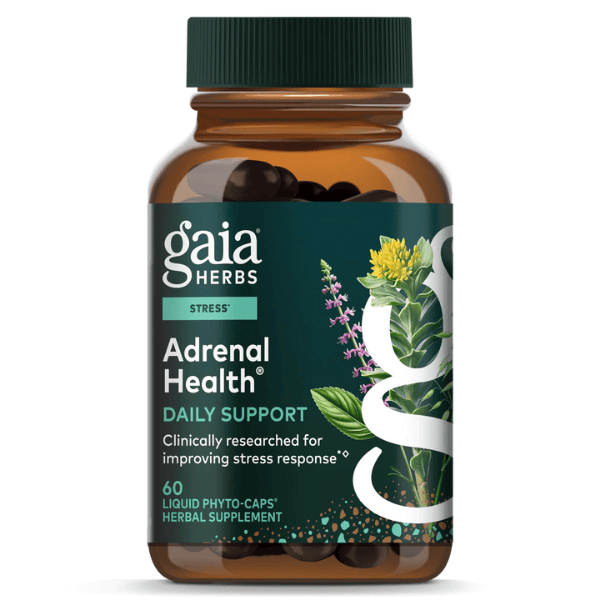
60 capsules, 120 capsules | Capsules | Rhodiola, Ashwagandha, Schisandra | United States of America
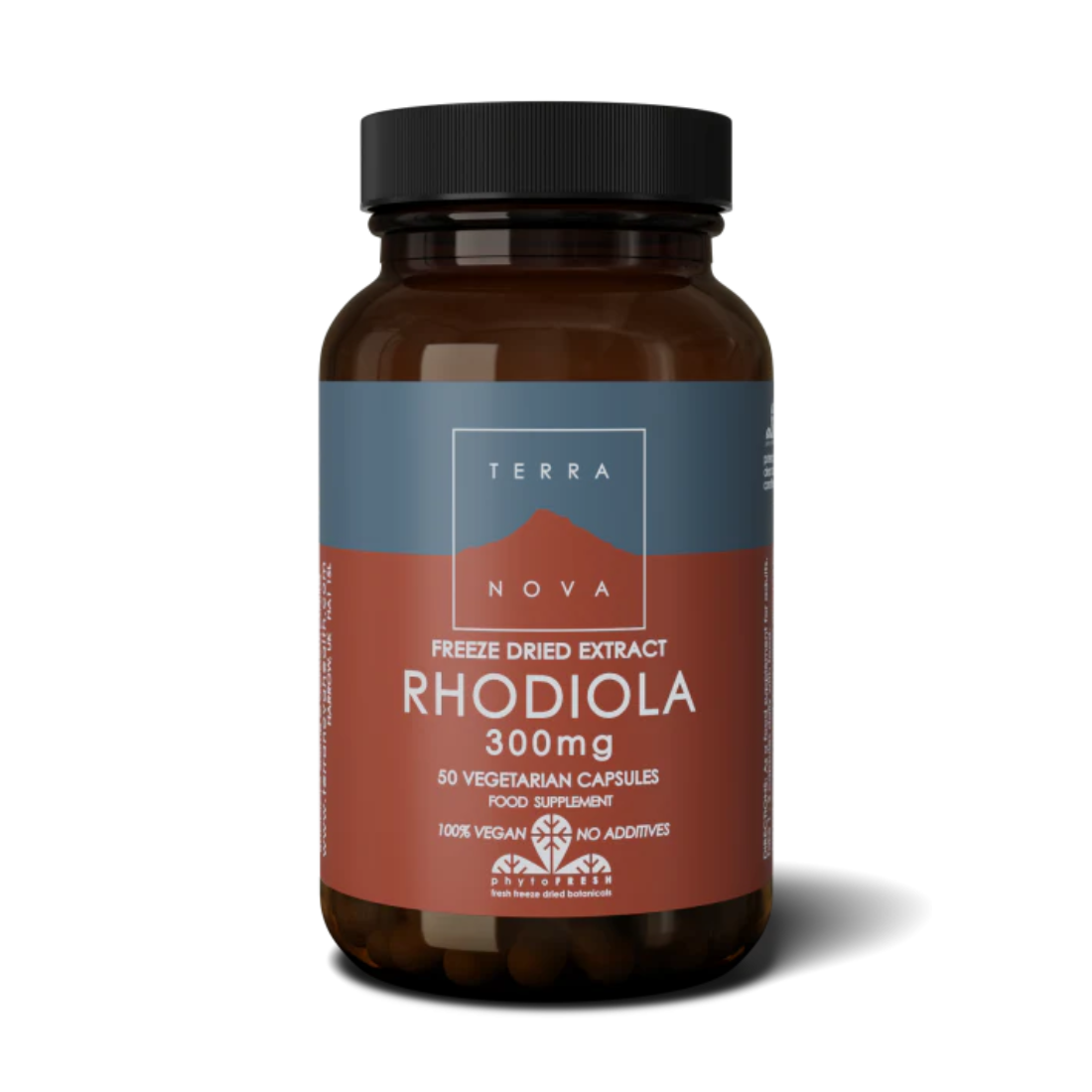
50 capsules | Capsules | Rhodiola | United Kingdom
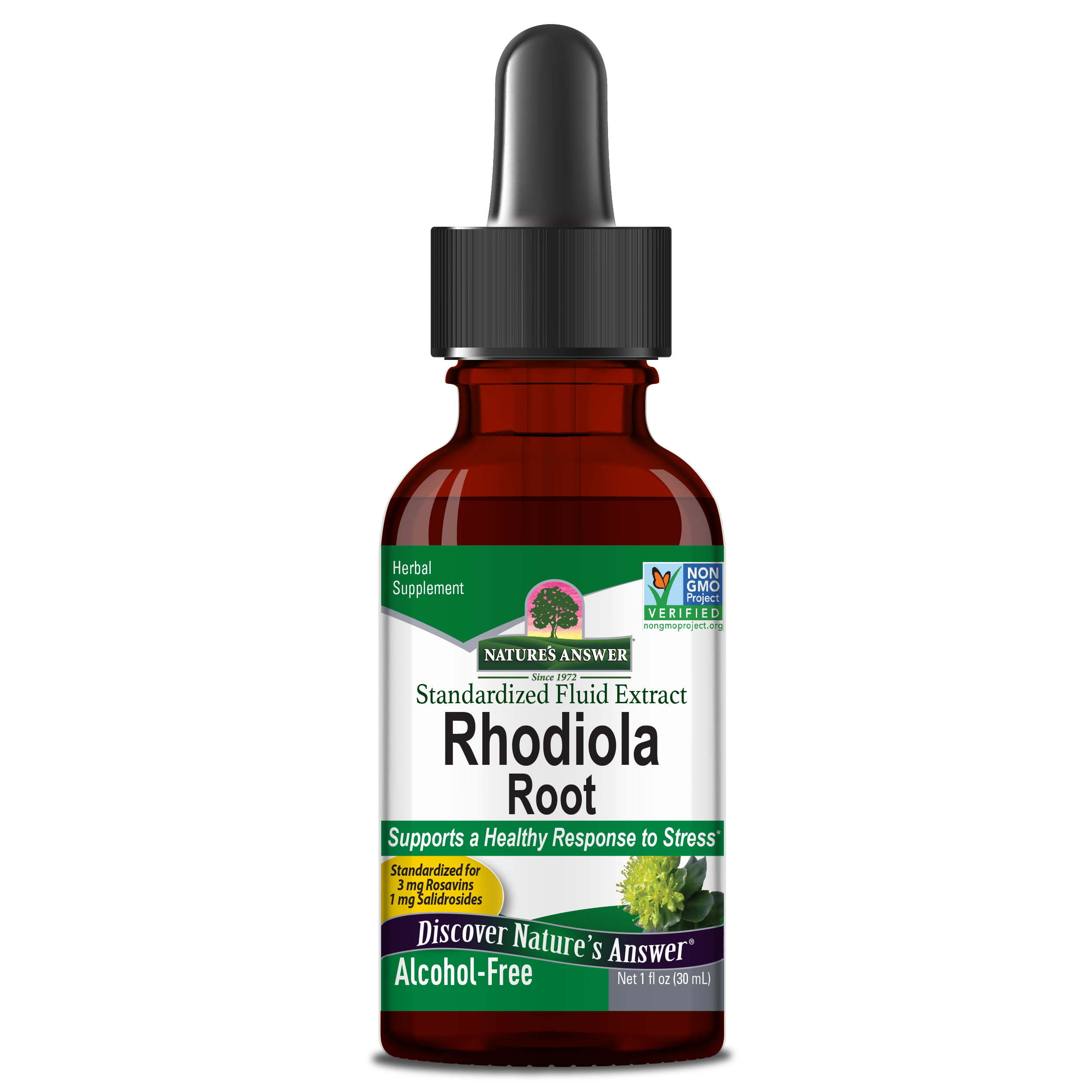
30ml | Liquid | Rhodiola | United States of America

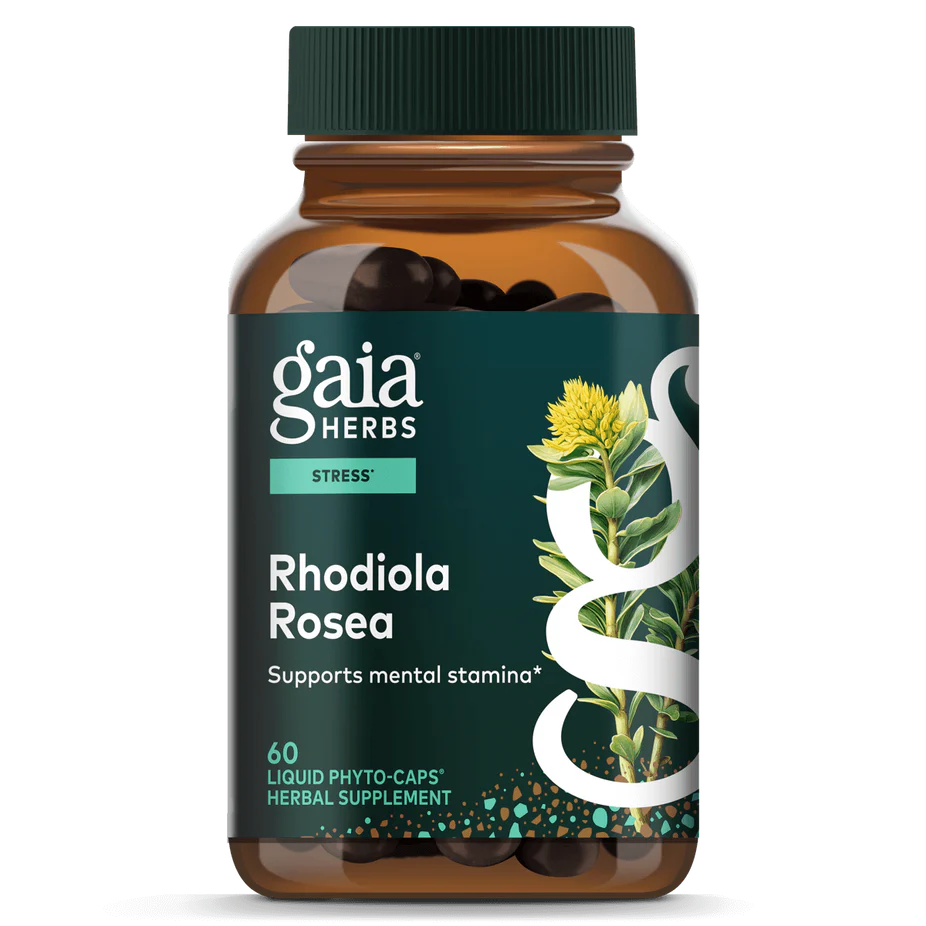
60 capsules | Capsules | Rhodiola | United States of America
"Delivery is always quick. I've ordered these products several times before, and they are high quality."
- Catharina Claessens
Date of experience: 9 May 2025
View all reviews
About Morgen is Nu - Holistic health shop
At Morgen is Nu, we are committed to your health every day. Guided by a unique vision and years of experience, we select only the purest, highest-quality products. We believe in a holistic approach centred on physical, inner and outer balance.
Telephone: 0341 - 422 850
Blog about Rhodiola Rosea
From the Siberian tundra to the Scandinavian mountains, Rhodiola Rosea grows where life is toughest. This ‘golden root’ has been a secret weapon for centuries, used by Vikings, Siberians and traditional healers. Modern science is also taking an increasing interest in this age-old adaptogen.
In this blog, we explore the fascinating world of Rhodiola: from its historical uses to the latest insights into how it works. You’ll discover the potent compounds found in the root, what they do for your body and mind, and how best to use Rhodiola. Curious about this natural powerhouse? Read on to find out more.
The following benefits are known for this herb:
Rhodiola contributes to the ability to adapt to stressful situations*
Rhodiola contributes to normal psychological function*
Antidepressants
Taking Rhodiola in combination with a particular group of antidepressants, namely MAO inhibitors, may increase the medication's effects. This can lead to unwanted effects. It is therefore important to be cautious if you are taking MAO inhibitors.
Pregnancy and breastfeeding
The use of Rhodiola during pregnancy and breastfeeding is not recommended due to insufficient research into its safety during these periods.
Most health claims are currently linked to vitamins, minerals and fatty acids. For herbs and botanicals, discussions have been ongoing for years. Various on-hold claims have been submitted for this. These are currently awaiting approval by the European Commission. The claims may therefore currently only be used if there is scientific substantiation for the health effect.