
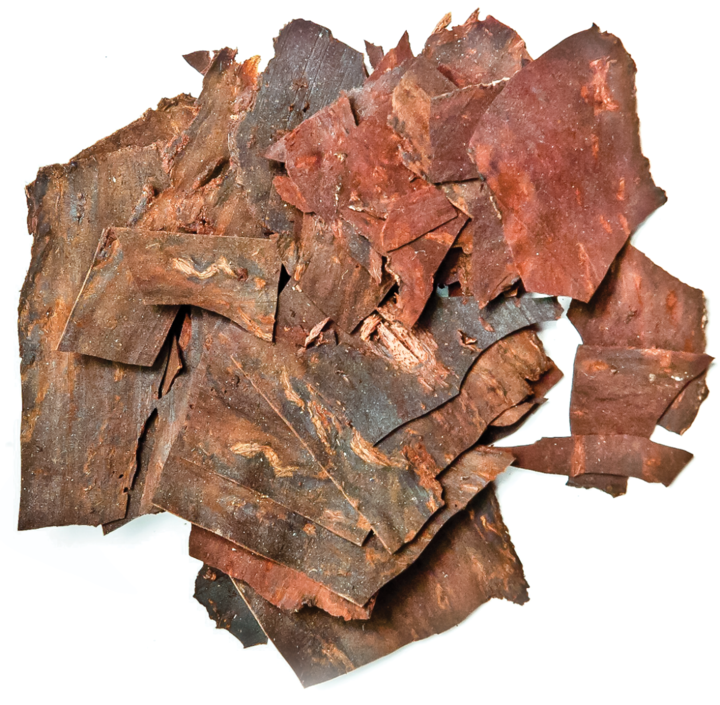
He Shou Wu (Fo-Ti)
Looking for a herb with a long history in Chinese herbal medicine? He Shou Wu, also known as Fo-Ti, is a root that has been valued in herbal medicine for centuries. Rooted in ancient knowledge, it is now also the subject of modern studies. Discover what makes He Shou Wu so special on this page.
By Stefan, last updated: 03-06-2025.
Contents
- Our favourite He Shou Wu supplements
- What is He Shou Wu (Fo-Ti)?
- The origins of He Shou Wu: a herb with a story
- What compounds does He Shou Wu contain?
- What makes He Shou Wu so special?
- Why the way He Shou Wu (Fo-Ti) is prepared matters so much
- Sources
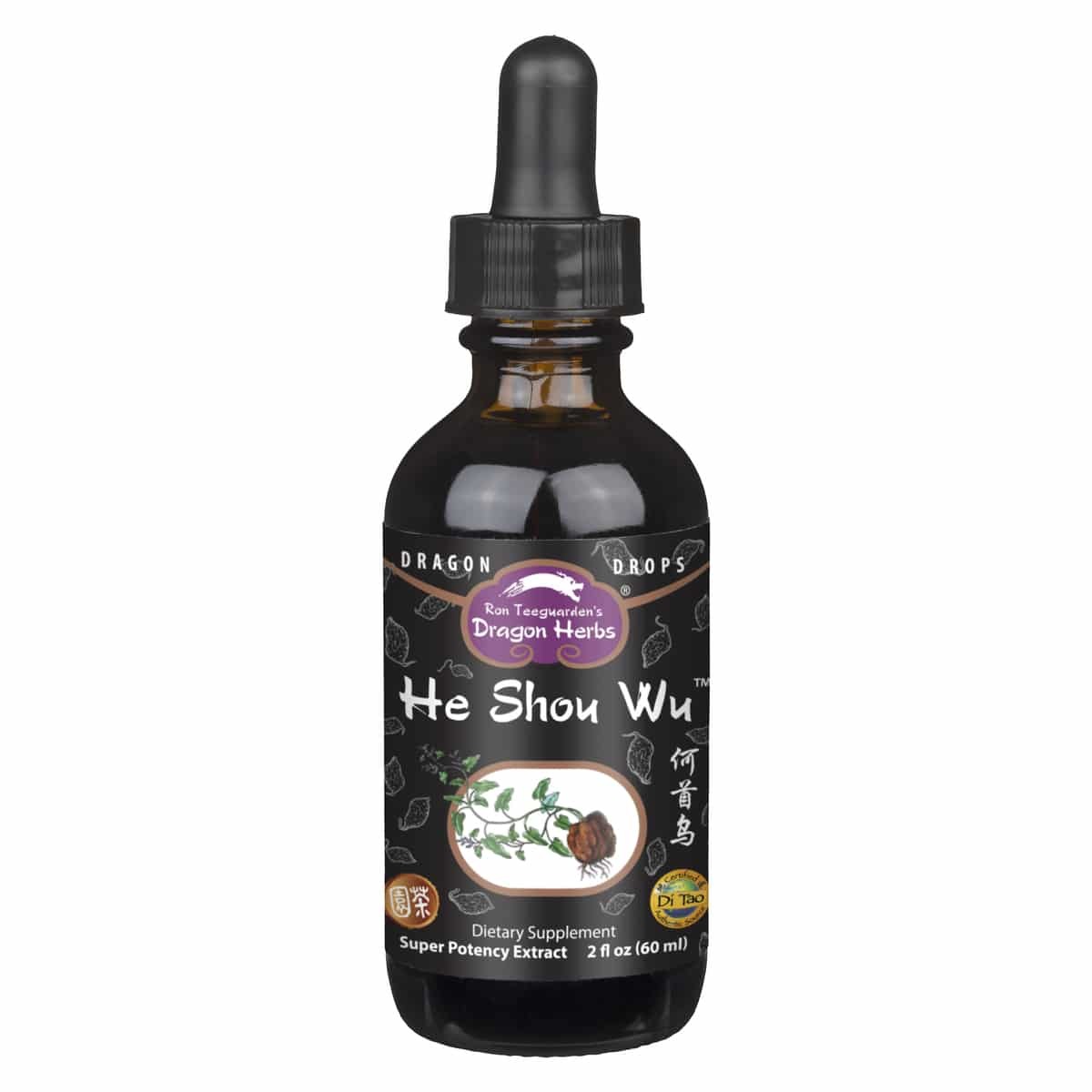
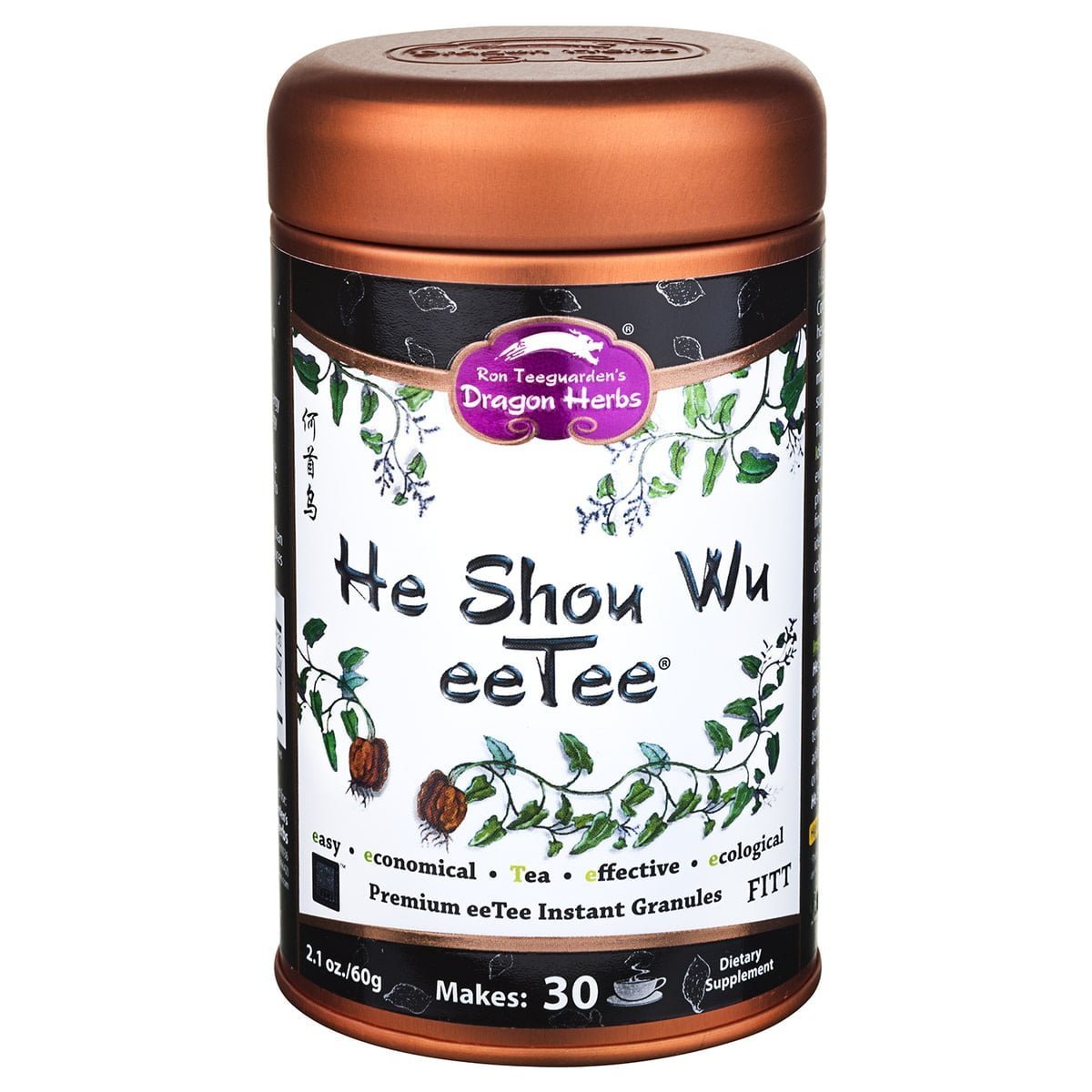
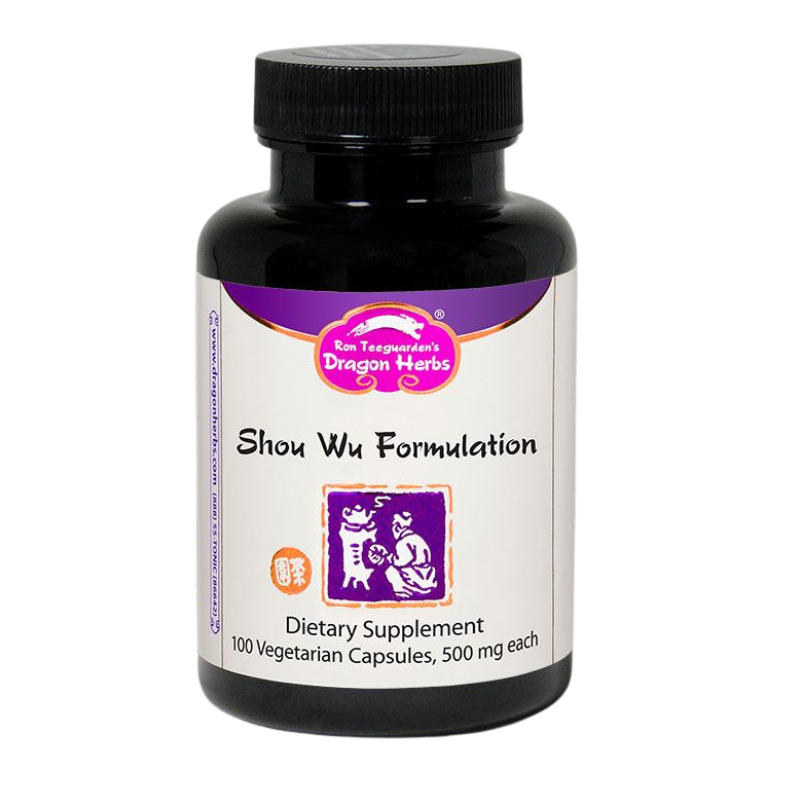
Our favourite He Shou Wu supplements
These 3 supplements are from Dragon Herbs.
What is He Shou Wu (Fo-Ti)?
He Shou Wu is the root of the plant Polygonum multiflorum Thunb. (also known as Fallopia multiflora). In traditional Chinese herbal medicine, it belongs to a group known as tonic herbs. Following a specific preparation process, the root is used as an extract or powder in various products, including capsules and tinctures.
“Fo-Ti” is the common English name, while “He Shou Wu” comes from Mandarin. The herb has a long history of use in East Asian cultures and is increasingly being studied in modern contexts.
The origins of He Shou Wu: a herb with a story
The reputation of He Shou Wu has been reinforced over the centuries by numerous stories and legends. Ancient writings, such as The Legend of He Shou Wu from the Tang dynasty, describe the root as a special and symbolic herb. One well-known figure associated with it is Li Ching-Yuen, who, according to legend, lived to an exceptionally old age.
We see He Shou Wu as a powerful example of how knowledge of nature from the past can still be relevant today.
What compounds does He Shou Wu contain?
He Shou Wu root contains a broad range of bioactive compounds. The most widely studied compound is 2,3,5,4'-Tetrahydroxystilbene-2-O-β-d-glucoside (THSG) (source).
Phenols, flavonoids and anthraquinones have also been identified and are considered relevant constituents. The exact composition can vary depending on the growing conditions and how the root is prepared.
What makes He Shou Wu so special?
He Shou Wu has been used in traditional Chinese medicine for centuries, but scientific research into this root is still in its infancy. What makes the plant so interesting is its rich composition. More than a hundred different compounds have now been found in the root of Polygonum multiflorum.
One of the best-known is THSG: a compound with a structure similar to resveratrol. He Shou Wu also contains various plant compounds such as flavonoids and quinones. The root also has a high zinc content, at around 42 milligrams per 100 grams.
Why the way He Shou Wu (Fo-Ti) is prepared matters so much
One notable aspect of He Shou Wu is that the herb is not used raw. In traditional preparation, the root is simmered in black bean soup, often in a ratio of 10:1, and then dried. This preparation is thought to change the properties of the root and help make it better tolerated.
A review explains that the raw form of Polygonum multiflorum has, in some cases, been linked to strain on the liver, particularly with long-term use or high doses. (source) This is precisely why it is important to choose correctly prepared products that have been carefully formulated.
At Morgen is Nu, we always take a critical look at the origin, preparation method and dosage guidance for every herbal and other product.
Sources
- Protective effect of tetrahydroxystilbene glucoside against d-galactose induced aging process in mice
- Heshouwu (Polygonum multiflorum Thunb.) Extract Attenuates Bone Loss in Diabetic Mice
- 2,3,5,4'-Tetrahydroxystilbene-2-O-β-d-glucoside exerted protective effects on diabetic nephropathy in mice
- Topical application of Polygonum multiflorum extract induces hair growth of resting hair follicles
- Hepatoprotection and hepatotoxicity of Heshouwu, a Chinese medicinal herb: Context of the paradoxical effect


100 capsules | Capsules | Siberian ginseng, Dong Quai | United States of America
"Your order arrives within one day if placed before 4 pm. Supplements are well and hygienically packaged. Very happy with this company."
- Rene Frohlings
Date of experience: 13 May 2025
View all reviews
About Morgen is Nu - Holistic health shop
At Morgen is Nu, we work every day to support your health. Guided by a distinctive vision and years of experience, we select only the purest, highest-quality products. We believe in a holistic approach that centres on physical, inner and outer balance.
Phone: 0341 - 422 850
Our mission is that people with the correct information choose their health products
He Shou Wu (Fo-Ti), also known as Polygonum multiflorum, is a root that has played a role in traditional Chinese medicine for centuries. What makes this root so interesting is its rich composition. More than a hundred different compounds have now been identified in the root of Polygonum multiflorum. One of the best known is THSG: a compound with a structure similar to resveratrol.
He Shou Wu naturally contains small amounts of minerals, including iron. The exact composition depends on where the root comes from and how it is processed. However, He Shou Wu is not primarily an iron supplement and is not generally used as a source of this mineral.
Polygonum multiflorum, also known as Fallopia multiflora, is the botanical name for He Shou Wu. This plant is native to China and has a long history of use in herbal medicine. The root contains, among other substances, the active compound tetrahydroxystilbene glucoside, which is the subject of scientific research. (source)
For use in supplements, the root is traditionally prepared first (stewed with black beans) to improve its safety and digestibility.
He Shou Wu is not recommended for people with existing liver problems, pregnant women, women who are breastfeeding or anyone taking medication without consulting a doctor. Scientific research has reported liver problems in a few cases following the use of raw or inadequately prepared He Shou Wu. (source)
Always choose a properly prepared product and consult a qualified professional if in doubt.