
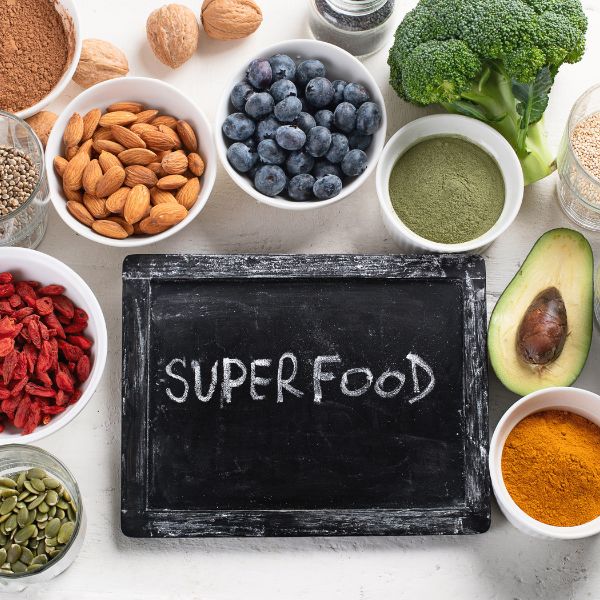
Superfoods
Looking to buy superfoods? Superfoods are foods known for their exceptionally high concentration of nutrients. From algae and berries to Pine Pollen and greens: they have been used in different cultures for centuries and still have a place in a varied diet today. Curious? Read more about superfoods here.
Contents
- Our best superfoods
- What are superfoods?
- The history and popularity of superfoods
- Superfoods in your everyday diet
- Common types of superfoods and their uses
- Sources
Our best superfoods
These superfoods are from our own brand, which you can browse here: Morgen is Nu.
What are superfoods?
The term "superfood" has no official scientific or legal definition. It is a collective term for foods with a high concentration of nutrients and bioactive compounds, such as vitamins, minerals, fibre and essential fatty acids. Scientific research shows that these foods often contain more nutrients than comparable everyday foods, which can make them an interesting addition to a balanced diet. (source) & (source)
The history and popularity of superfoods
Although the word superfood is relatively new, many of these foods have been used traditionally for thousands of years. Examples include algae in Japanese and Chinese cuisine, or chia and quinoa, which already played an important role in ancient Central and South American cultures. In modern times, the popularity of superfoods has grown rapidly, partly driven by the search for natural food sources that contribute to vitality and wellbeing. (source) & (source)
Superfoods in your everyday diet
Superfoods are no substitute for a varied diet, but they can help fill any nutritional gaps in what we eat. They are often rich in fibre and vitamins, and relatively low in calories. Try adding spirulina powder to a smoothie, a handful of berries to your breakfast or a spoonful of chia seeds to yoghurt. The aim is to use them mindfully and in moderation, as part of a healthy diet. (source) & (source)
Common types of superfoods and their uses
Superfoods can be divided into different groups, such as algae, berries, greens, bee products and seeds. Here we take a brief look at two notable examples:
Algae
Algae are among the oldest life forms on Earth and have been eaten in different cultures for centuries. Types such as spirulina and Chlorella are rich in protein, vitamins and minerals. Certain algae are also the original source of omega-3 fatty acids (EPA and DHA), making them a sustainable plant-based alternative to fish oil. (source)
Pine Pollen
Pine Pollen, the pollen of pine trees, contains more than 200 natural bioactive compounds, including vitamins, minerals and amino acids. Pine Pollen has been valued in traditional Chinese medicine for centuries and is now regarded as a particularly versatile superfood. (source)
Sources
- Superfoods: Recent Data on their Role in the Prevention of Diseases
- Functional Food with Some Health Benefits, So Called Superfood: A Review
- A critical review of superfoods from a holistic nutritional and environmental approach
- Functional Foods and Ingredients, Supplements, Nutraceuticals, and Superfoods Uses and Regulation
- Superfoods - myth or reality?
- Nutritional and bioactive compounds of commercialized algae powders used as food supplements
- Potential biomedical properties of Pinus massoniana bark extract
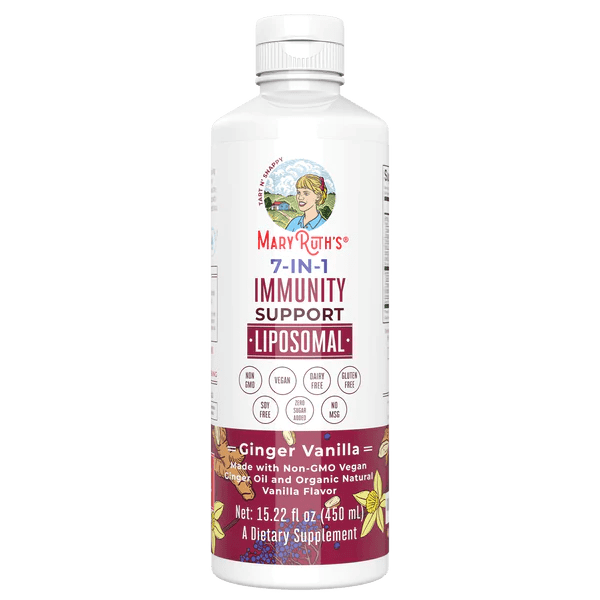
450ml | Liquid | Vitamin C, Zinc, Vitamin D | United States of America
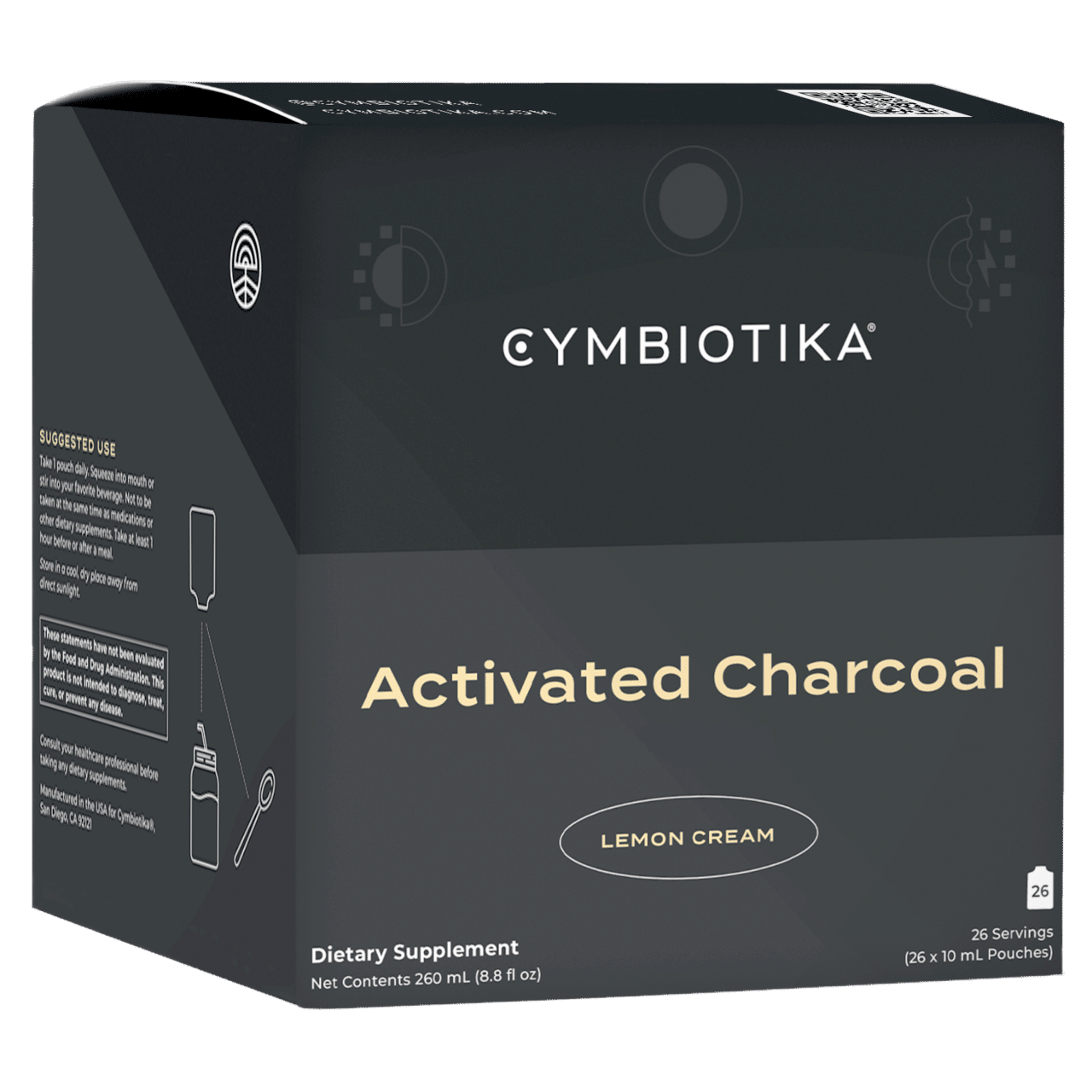
26 sachets of 10ml | Liquid | United States of America
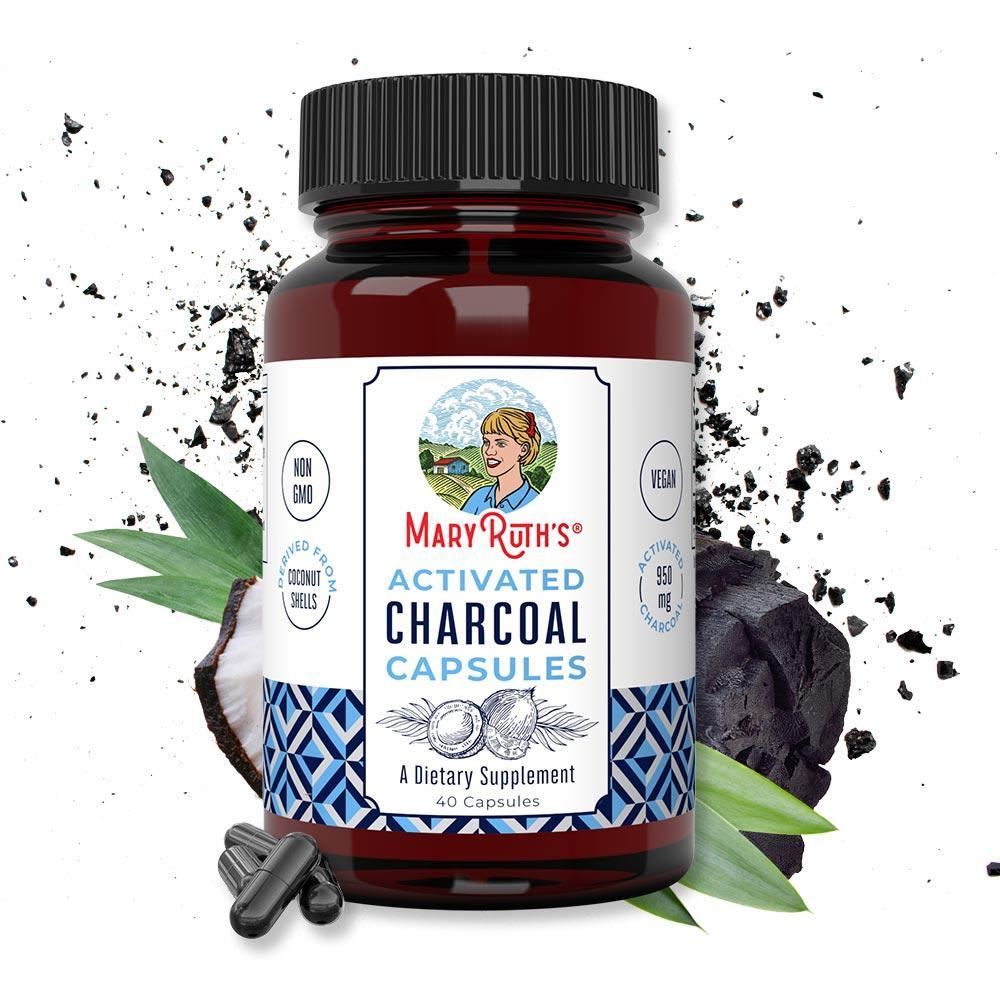
40 capsules | Capsules | Activated charcoal | United States of America
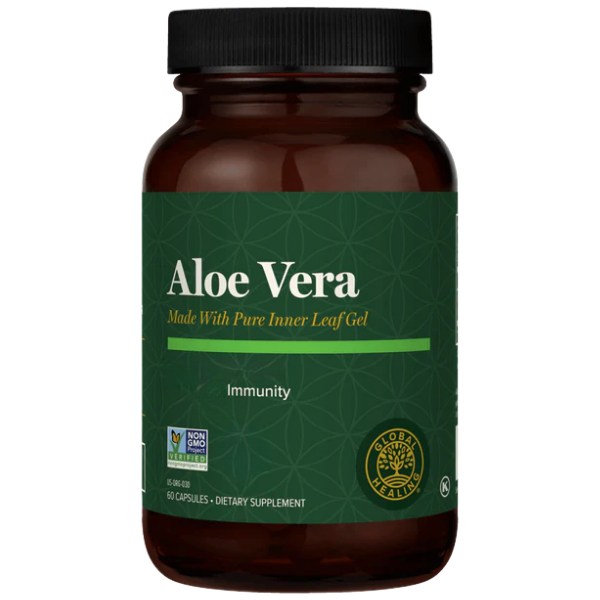
60 capsules | Capsules | Aloe Vera | United States of America
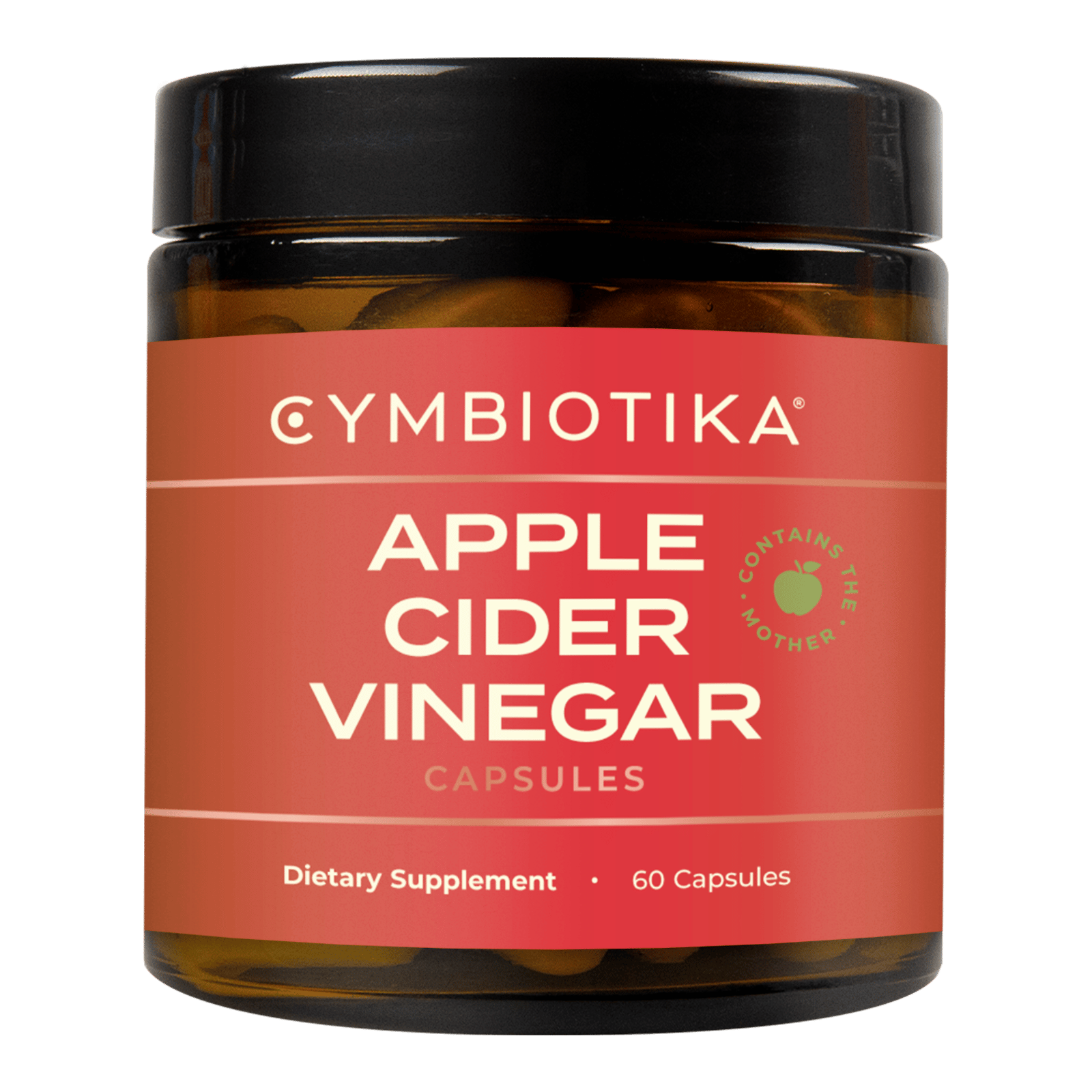
60 capsules | Capsules | Vitamin B1, Chrome | United States of America
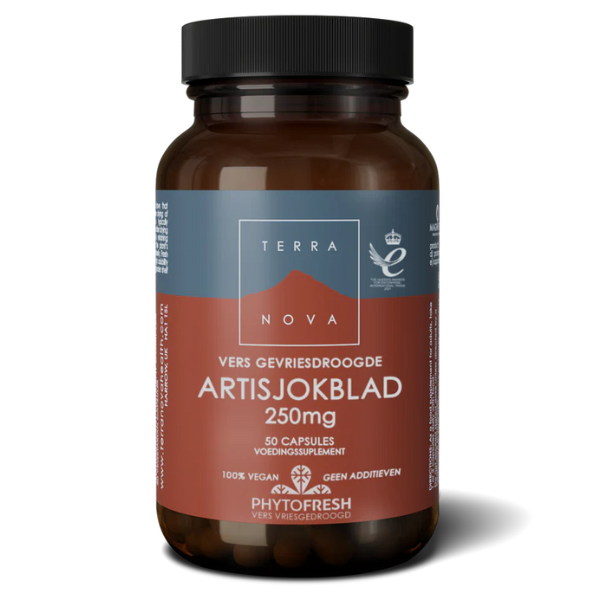
50 capsules | Capsules | Artichoke | United Kingdom
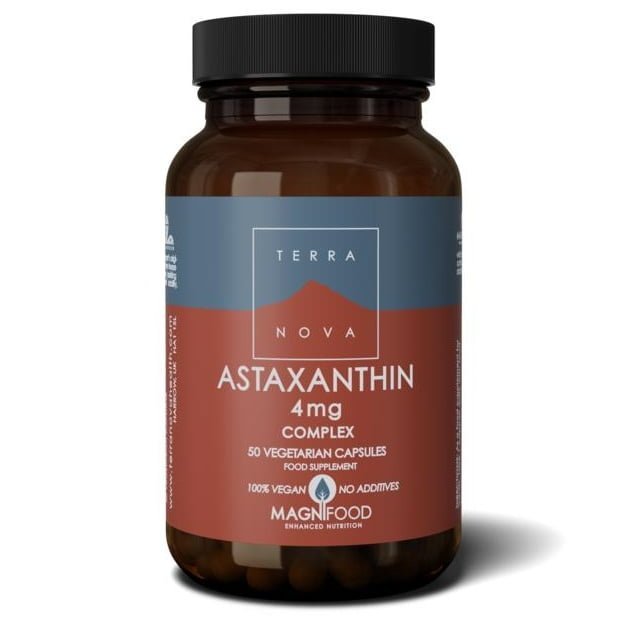
100 capsules, 50 capsules | Capsules | Astaxanthin | United Kingdom
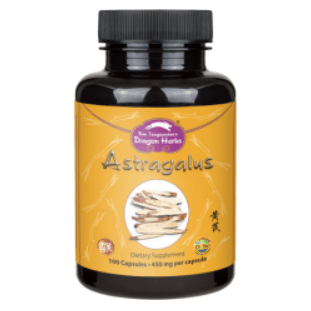
100 capsules | Capsules | Astragalus | United States of America