

Valerian
Looking for a natural calming herb*? Valerian (Valeriana officinalis), also known as common valerian, is a traditional herb that has been used for centuries. Many people use valerian to support normal sleep* or for support during times of stress*. At Morgen is Nu, you will find only pure valerian drops or tablets, carefully selected and free from unnecessary additives. Discover what makes this plant so distinctive.
By Stefan, last updated: 24-06-2025.
Contents
- Our favourite valerian supplements
- What is valerian?
- The history and origins of valerian
- The constituents of valerian
- The benefits of valerian
- Valerian safety and possible side effects
- Sources
Our favourite valerian supplements
- Valerian (Bio) by Global Healing
- Valerian Root (Valeriaan) by Nature’s Answer
- Valerian Root Caps by Gaia Herbs
What is valerian?
Valerian is a perennial plant native to Europe and parts of Asia. The plant's root is used medicinally and is known for its distinctive smell. The Latin word "valere" means health or strength, a name that reflects this herb's traditional uses.
The plant belongs to the Caprifoliaceae family and grows best in damp grasslands. Valerian root is often dried and made into tablets, drops or tea.
The history and origins of valerian
The use of valerian as a herb dates back to the time of Hippocrates and Galen, who used it to support normal sleep* and during times of stress* (source).
Valerian was also used for these reasons in the Middle Ages. During the First World War, British soldiers used it for support in the stressful conditions* at the front (source).
In folk medicine, valerian has long been praised as a natural calming herb*, a reputation that has since spread across Europe, Asia and North America.
The constituents of valerian
Valerian (Valeriana officinalis) is a plant with a complex composition: its root contains more than 150 different substances belonging to various groups. The most extensively studied groups are:
- Valepotriates: such as valtrate and didrovaltrate. These substances are mainly found in fresh extracts, but are chemically unstable and break down relatively quickly during processing.
- Sesquiterpenes: including valerenic acid and valeranone. These compounds are characteristic of valerian root and are often used as quality markers in standardised extracts.
- Lignans and flavonoids: these occur naturally in many plants and have also been found in valerian.
The exact role of these constituents is the subject of ongoing research. It is thought that no single substance accounts for valerian's traditional uses, but rather a combination of different compounds in the whole plant.
(source), (source), (source), (source)
The benefits of valerian
Valerian has several benefits, including:
- Valerian contributes to normal sleep*
- Valerian is a natural calming herb*
- Valerian provides support during times of stress*
* Health claim pending European approval.
Valerian safety and possible side effects
Valerian is generally considered safe when used for short periods at the correct dosage. However, there are a few points to bear in mind:
- Side effects: Some people may experience side effects such as mild stomach discomfort, dizziness or daytime drowsiness.
- Long-term use and high doses: As valepotriates may have mutagenic properties, long-term use or use at high doses is not recommended without consulting a qualified professional.
- Interactions with medication: Valerian may enhance the effects of sedatives (such as benzodiazepines), antidepressants or alcohol. Always consult a doctor or therapist before using them together.
- Do not use during pregnancy or in children without medical advice: There is insufficient research into the use of valerian in pregnant women and young children.
Always choose products from verified sources and avoid synthetic additives. At Morgen is Nu, we select only extracts with traceable contents and quality that meet safety standards.
Sources
- Biomedically relevant chemical constituents of Valeriana officinalis
- VALERIANA OFFICINALIS: A REVIEW OF ITS TRADITIONAL USES, PHYTOCHEMISTRY AND PHARMACOLOGY
- PHARMACOLOGICAL PROPERTIES OF VALERIANA OFFICINALIS- A REVIEW
- Standardized Extract of Valeriana officinalis Improves Overall Sleep Quality in Human Subjects with Sleep Complaints
- A Review on History, Chemical Constituents, Phytochemistry, Pharmacological Activities, and Recent Patents of Valerian

30 capsules | Capsules | Vitamin B12, Magnesium, Valerian and Passionflower | Germany

60 capsules | Capsules | Magnesium, Passion flower | Natural source | The Netherlands
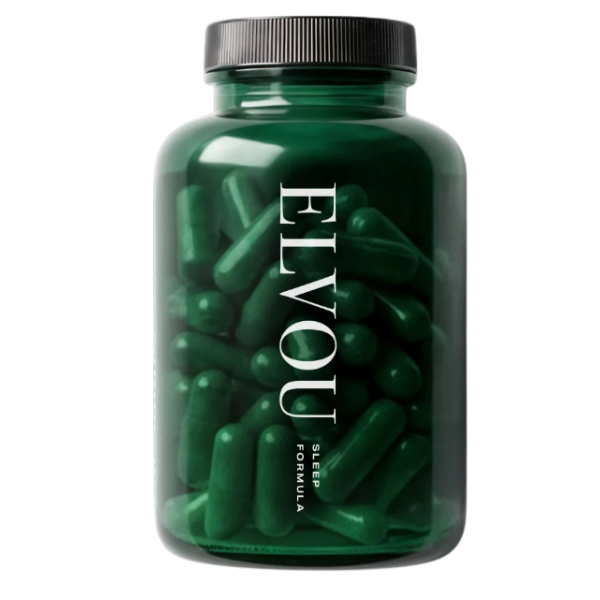
60 capsules | Capsules | Vitamin B12, Folic acid, Vitamin B6 | The Netherlands


30ml, 60ml | Liquid | Valerian | United States of America

60 capsules | Capsules | Valerian | United States of America
"Delivery is always quick. I've ordered these products several times before and they are of high quality."
- Catharina Claessens
Date of experience: 9 May 2025
View all reviews
About Morgen is Nu - Holistic health shop
At Morgen is Nu, we work every day to support your health. Guided by a unique vision and years of experience, we select only the purest, highest-quality products. We believe in a holistic approach centred on physical, inner and outer balance.
Phone: 0341 - 422 850
Our mission is that people with the correct information choose their health products
Most health claims are currently linked to vitamins, minerals and fatty acids. For herbs and botanicals, discussions have been ongoing for years. Various on-hold claims have been submitted for this. These are currently awaiting approval by the European Commission. The claims may therefore currently only be used if there is scientific substantiation for the health effect.