Chlorophyll
Chlorophyll, also known as the green pigment in plants, plays an essential role in photosynthesis. It is the substance that helps plants turn sunlight into energy. More and more people are discovering the benefits of chlorophyll as a food supplement. But what exactly is chlorophyll, where does it come from and how can you get it naturally?
By Stefan, last updated: 03-10-2025.
Contents
- Our favourite chlorophyll supplements
- What is chlorophyll?
- Benefits of chlorophyll
- How is chlorophyll extracted and processed?
- Where can you find chlorophyll in your everyday diet?
- Does chlorophyll have any side effects?
- Sources
Our favourite chlorophyll supplements
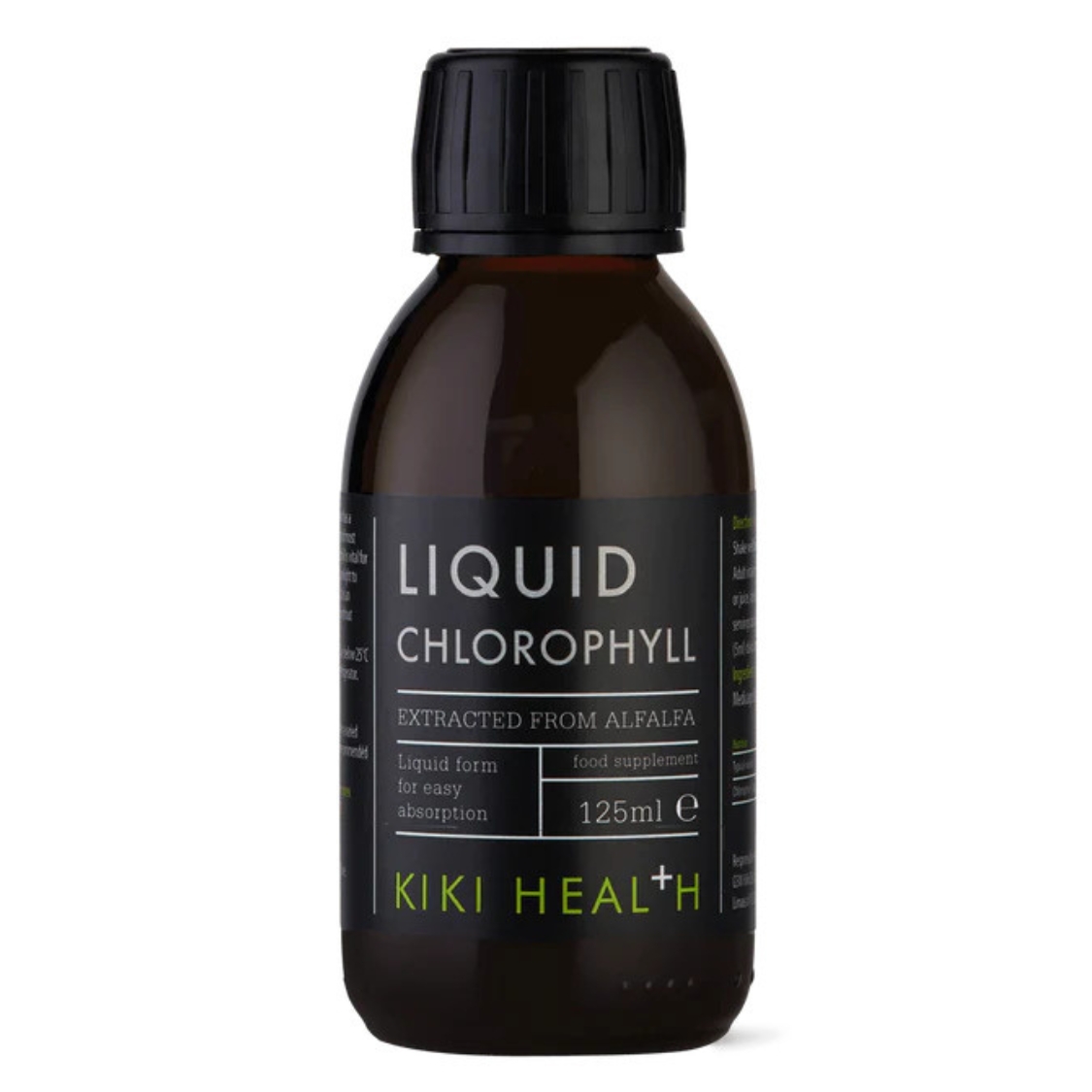
- Liquid Chlorophyll by KIKI Health - A pure chlorophyll supplement made from 100% alfalfa grass. Entirely plant-based and free from preservatives or colourings.
- Chlorophyll Drops by MaryRuth’s - A pure, completely alcohol-free chlorophyll product. It is easy to take and flavoured with peppermint for a pleasant taste.
What is chlorophyll?
Chlorophyll is a natural pigment found in green plants, algae and some bacteria. Its chemical structure closely resembles that of haemoglobin in our blood, with one difference: the central atom in chlorophyll is magnesium, while in haemoglobin it is iron. This is why chlorophyll is sometimes called the "lifeblood of plants".
Benefits of chlorophyll
Plants use chlorophyll to produce energy. But it is also a nutritious substance for us humans. Green plant pigment turns out to be packed with vitamins and minerals. It is rich in vitamins A, C, E and K, as well as minerals such as magnesium, calcium, potassium and iron. A green source full of valuable nutrients!
How is chlorophyll extracted and processed?
Chlorophyll is extracted and processed into supplements in several ways. The most common method is extraction from alfalfa, wheatgrass or mulberry. The pigment is carefully isolated to preserve its natural properties.
Chlorophyll is available in various forms, such as:
- Liquid chlorophyll or chlorophyll drops: a popular choice because of their rapid absorption.
- Chlorophyll capsules or tablets: convenient for everyday use.
- Chlorophyll water: a ready-to-drink option for hydration and vitality.
Research suggests that liquid chlorophyll is absorbed by the body more quickly than chlorophyll in solid form, such as capsules. (source) This may be one reason why some people prefer liquid chlorophyll.
Where can you find chlorophyll in your everyday diet?
Want to get chlorophyll naturally? Choose green leafy vegetables and algae, such as:
- Spinach
- Kale
- Parsley
- Wheatgrass
- Spirulina and Chlorella
According to a scientific analysis, algae such as spirulina and Chlorella contain significantly higher concentrations of chlorophyll than leafy vegetables, making them an efficient source for those looking to increase their chlorophyll intake. (source) Some people prefer supplements, such as chlorophyll drops or liquid chlorophyll, because they contain a higher concentration and are more easily absorbed.
Does chlorophyll have any side effects?
Chlorophyll is generally considered safe when used normally. However, there are a few things to bear in mind:
- In some cases, chlorophyll may have a mild laxative effect.
- At high doses, urine or stools may take on a greenish colour.
- Some people experience mild stomach discomfort or nausea when taking supplements.
An animal study found that chlorophyll at higher doses may cause changes in digestion. (source) If in doubt, it is therefore advisable to consult a doctor or specialist, especially if you want to take chlorophyll alongside other supplements or medicines.
Sources

"Delivery is always quick. I've ordered these products several times before, and they are high quality."
- Catharina Claessens
Date of experience: 9 May 2025
View all reviews
About Morgen is Nu - Holistic health shop
At Morgen is Nu, we are committed to your health every day. Guided by a unique vision and years of experience, we select only the purest, highest-quality products. We believe in a holistic approach that puts physical, inner and outer balance at its heart.
Phone: 0341 - 422 850
Chlorophyll blog: a green powerhouse from nature
Did you know that leafy greens, algae and grasses get their green colour from chlorophyll, a substance that helps plants grow and may also support our health? This natural pigment is rich in bioactive compounds and contains vitamins A, C, E and K, as well as magnesium and potassium.
In this blog, you'll find out exactly what chlorophyll is, why it is considered a superfood, which foods contain it and how to take it as a supplement. You'll also learn about possible side effects and what research says about absorption. Curious about what this green powerhouse could offer you? Read on to find out.