

Probiotics
Looking to buy probiotics? It is worth taking some time to explore the options first. There are many different forms of probiotic supplements, from probiotic capsules to probiotic powder, each with its own blend of bacterial strains. The best probiotic is one that suits your personal needs and circumstances. Read more here about the different forms and uses of probiotics, so you can make an informed choice that suits your body and lifestyle.
Written by Lisanne, last updated 22-04-2025
Contents
- Our bestselling probiotic supplements
- What are probiotics?
- The relationship between probiotics and the gut
- Probiotics in food
- Probiotics during pregnancy and probiotics for babies
- What is the difference between prebiotics and probiotics?
- Are there any drawbacks or side effects of probiotics?
- Sources
Our bestselling probiotic supplements
- Probiotic Complex met Prebiotica by Terranova
- Ultimate Probiotic by Global Healing
- Digest Gold + Probiotics by Enzymedica
What are probiotics?
Probiotics is a collective term for products containing live bacteria. If these bacteria reach the gut in sufficient numbers, In the scientific Literatuur, this term is often used for bacterial strains that can reach the gut alive. (source) Although the name “probiotics” may not carry an authorised health claim in the Netherlands, it is widely used to refer to these specific bacterial strains.
Commonly used strains include Lactobacillus and Bifidobacterium, both naturally present in the human digestive tract. At Morgen is Nu, we deliberately choose supplements with carefully selected bacterial cultures, in forms that the body can readily absorb.
The relationship between probiotics and the gut
Our gut is a complex ecosystem. Bacterial cultures play a key role in it. When this balance is disrupted (for example, after antibiotics), the gut flora can become unbalanced. More and more people then choose to add probiotics to their diet.
Probiotics in food
Live bacterial cultures also occur naturally in certain foods. These include probiotic yoghurt, kefir, sauerkraut, kimchi and other fermented foods. These foods containing probiotics have been part of healthy diets around the world for centuries. Probiotic yoghurt is one of the best-known examples: specific bacterial strains are added to the yoghurt. People who want a consistent intake of bacterial cultures therefore sometimes choose a probiotic supplement alongside probiotics in food.
Probiotics during pregnancy and probiotics for babies
More and more people are looking into the use of bacterial cultures during pregnancy or for young children. Although the term probiotics is not officially permitted for these types of products in the Netherlands, it is frequently searched for in relation to pregnancy, babies and young children.
In the scientific Literatuur, these bacterial strains are regularly studied in the context of pregnancy and a child's early years. (source) Researchers look at aspects such as safety of use, product composition and the influence on the gut microbiome.
Please note: always consult a doctor or healthcare professional before using supplements during pregnancy or giving them to babies. Every body is different, and the needs of mother and child can vary greatly.
What is the difference between prebiotics and probiotics?
Probiotics are live bacterial cultures. Prebiotics, on the other hand, are fibre-like substances that serve as food for these bacteria. Examples include inulin and fructo-oligosaccharides, which occur naturally in foods such as chicory, bananas and onions.
Combining prebiotics and probiotics, also known as synbiotics, is becoming increasingly popular. There is a great deal of ongoing research into the effects of combining prebiotics and probiotics. (source)
Are there any drawbacks or side effects of probiotics?
Although bacterial cultures are generally considered safe, there are a few things to bear in mind. Some people initially experience mild abdominal discomfort, such as bloating or wind. These symptoms usually disappear within a few days.
People with a weakened immune system or serious illnesses should exercise caution. Always consult a doctor in these cases. According to a systematic literature review, serious side effects are extremely rare. (source)
The same principle applies here: more is not always better. Prolonged and excessive use can disrupt the balance of the gut flora. Choose carefully and make sure you are well informed.
Sources

120 capsules, 60 capsules, 30 capsules | Capsules | United States of America

30 capsules | Capsules | United States of America

60 capsules | Capsules | The Netherlands


180 grams | Powder | Blueberry | United Kingdom


60 capsules | Capsules | United States of America

454 grams, 227 grams | Powder | United Kingdom


60 capsules | Capsules | United States of America


60 capsules | Capsules | United States of America
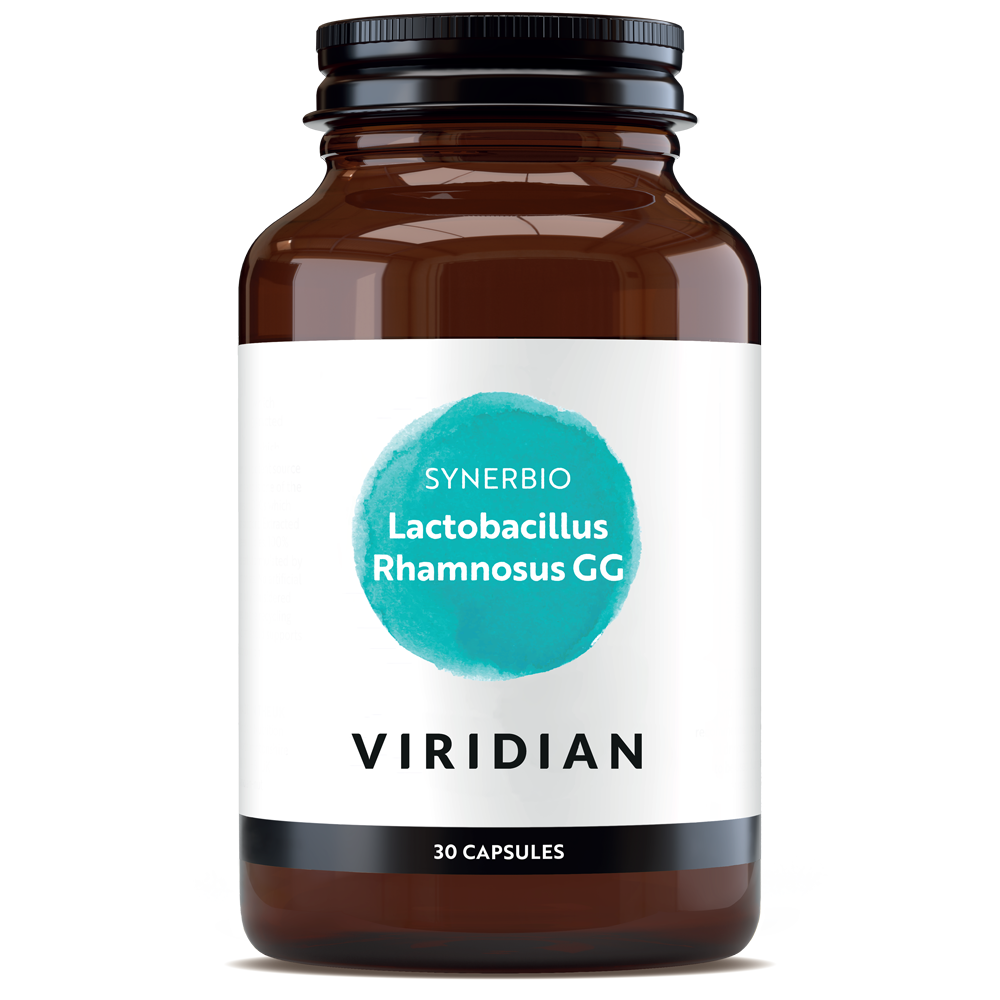
30 capsules | Capsules | United Kingdom
Our mission is that people with the correct information choose their health products
In science, the term probiotics is used to describe products or bacterial strains that can reach the intestines alive. What people mean by “probiotics” depends on the context: some use the term in relation to food, while others use it when discussing gut flora or the microbiome. There are many different types of bacterial strains, and their use varies from person to person.
If you are considering taking a supplement containing bacterial cultures, it is worth looking carefully at its ingredients and intended use, and asking a doctor or nutritionist for advice if you are unsure.
Whether you choose to use bacterial cultures depends on your personal circumstances and preferences. Some people take a supplement containing bacterial strains after a course of antibiotics, while others choose to make it part of their daily routine. Scientific studies look at, among other things, how certain strains behave in the gastrointestinal tract, for example whether they can reach the intestines alive.
What feels right for one person may not be right for another. If you are unsure, it is sensible to seek advice from a doctor or nutritionist.
Bacterial cultures occur naturally in fermented foods such as yoghurt, kefir, sauerkraut, kimchi and tempeh. Yoghurt with probiotics is a well-known source, as are other foods containing fermented dairy products. Bear in mind that the levels of live bacteria in food can vary considerably. For those looking for a consistent, specific dose, a probiotic supplement may be an option.
Many users say they notice changes in their digestion, such as feeling less bloated or having more regular bowel movements. People often share these experiences, but they are subjective and can vary considerably from person to person. Some people experience mild side effects when they start taking probiotics, such as wind or bloating, which are usually temporary.
The best time to take probiotics varies by product. Some bacterial strains are better absorbed on an empty stomach, while others benefit from being taken during or after a meal. Always check the directions on your supplement’s label carefully. If you’re unsure, you can consult a healthcare professional.
In general, bacterial cultures are considered safe for healthy people. However, mild side effects can occur in some cases, such as wind, bloating or loose stools, especially when first taking them. People with a weakened immune system should take care. If in doubt, always consult a doctor.
Prebiotics are dietary fibres that act as ‘food’ for the bacteria in your gut. They are found in vegetables, fruit and whole grains, among other foods. Probiotics are the live bacterial strains themselves. The combination of the two, also known as synbiotics, is often used to support the activity of the bacterial cultures.