

Vitamin D3 and K2
Looking for the best vitamin D3 and K2? This powerful combination supports the absorption and use of calcium in your body. As we often get too little sunlight in the Netherlands and K2 is difficult to get from food, a supplement can be a sensible choice. Find out why D3 and K2 work so well together!
By Lisanne, last updated: 06-10-2025.
Contents
- Our favourite D3 K2 products
- Why do vitamin D3 and K2 work so well together?
- The role of vitamin D3 and K2 in the body
- Vitamin D3 and K2 from food vs. supplements
- The ultimate combination: D3, K2 and magnesium
- Sources
Our favourite D3 K2 products
In our view, these are the best vitamin D3 and K2 products:
- Liposomale D3+K2 Magnesium by Morgen is Nu
- Vegan Vitamine D3 + K2 by Morgen is Nu
- Liposomal Vitamin D3 + K2 + CoQ10 by Cymbiotika
Why do vitamin D3 and K2 work so well together?
Vitamin D3 and K2 are a powerful duo gaining increasing recognition in the world of food supplements. Vitamin D contributes to the absorption of calcium and phosphorus from food, while vitamin K2 contributes to the uptake of calcium into the bones. Vitamin K2 therefore ensures that calcium actually reaches the right place in our bodies: the bones. Without enough K2, a high intake of vitamin D3 can upset the body's calcium balance. (source)
The role of vitamin D3 and K2 in the body
Vitamin D3:
- Contributes to the normal function of the immune system.
- Contributes to the normal absorption and utilisation of calcium and phosphorus.
- Has a role in the process of cell division.
- Contributes to the maintenance of normal bones and teeth. (source)
Vitamin K2:
- Contributes to normal blood clotting.
- Contributes to the maintenance of normal bones.
- Contributes to the uptake of calcium into the bones. (source)
When you take vitamin D3 without K2, calcium is absorbed, but may not be transported efficiently to the bones. As a result, it can build up in unwanted places, such as the blood vessels, which may pose a long-term health risk. (source)
Vitamin D3 and K2 from food vs. supplements
You can get vitamin D3 and K2 from food and your surroundings, but in practice this can be quite difficult. Vitamin D3 is mainly produced in the skin through exposure to sunlight. Unfortunately, sunlight in the Netherlands is often too weak in autumn and winter for the body to produce enough. We also spend much more time indoors these days, which further limits how much we get.
Vitamin K2 is found in fermented foods such as natto (fermented soya beans), certain cheeses and products from grass-fed animals. Yet many people do not get enough, as K2 is scarce in Western diets. Supplementation can therefore be a useful addition. Especially in combination with vitamin D3, to optimise absorption and effectiveness.
The ultimate combination: D3, K2 and magnesium
Alongside K2, magnesium is essential for vitamin D3 to work properly. Magnesium helps activate vitamin D3 in the body and contributes to the absorption and transport of calcium. Without enough magnesium, vitamin D3 absorption can be less effective, which affects bone and muscle health. (source)
That is why more and more people are choosing a supplement that combines vitamin D3, K2 and magnesium. This ensures that all three substances work together optimally and support one another for maximum effect.
Sources
- Effects of vitamin K on calcium and bone metabolism
- Association of hip fracture incidence and intake of calcium, magnesium, vitamin D, and vitamin K
- The importance of adequate vitamin K status
- The health effects of vitamin D supplementation: evidence from human studies
- Vitamin D supplementation guidelines

55ml | Liquid | Vitamin D, Vitamin K | Cholecalciferol, K2, Ubiquinone | United States of America

30 capsules | Capsules | Vitamin D, Vitamin K, D3+K2, Magnesium | Cholecalciferol, K2, Citrate | The Netherlands

60ml | Liquid | Vitamin D, Vitamin K | Cholecalciferol, K2, Ubiquinol | United States of America


50ml | Liquid | Vitamin D, Vitamin K | Cholecalciferol, K2 | United Kingdom
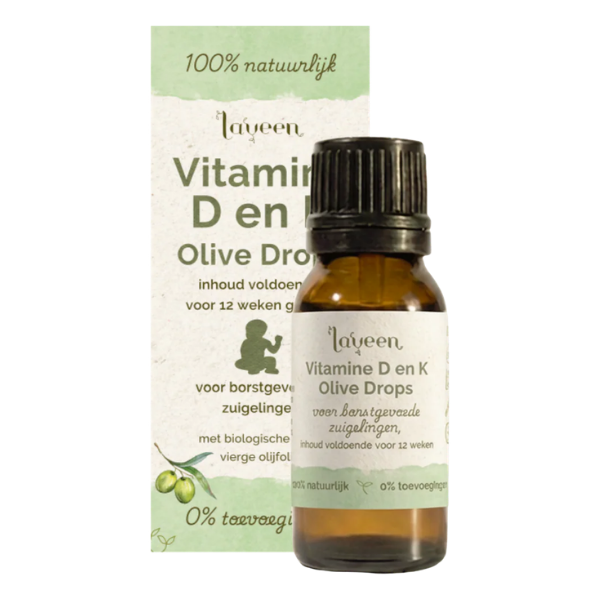
10ml | Liquid | Vitamin D, Vitamin K | Cholecalciferol, K1 | Germany

30ml | Liquid | Vitamin D, Vitamin K | United States of America
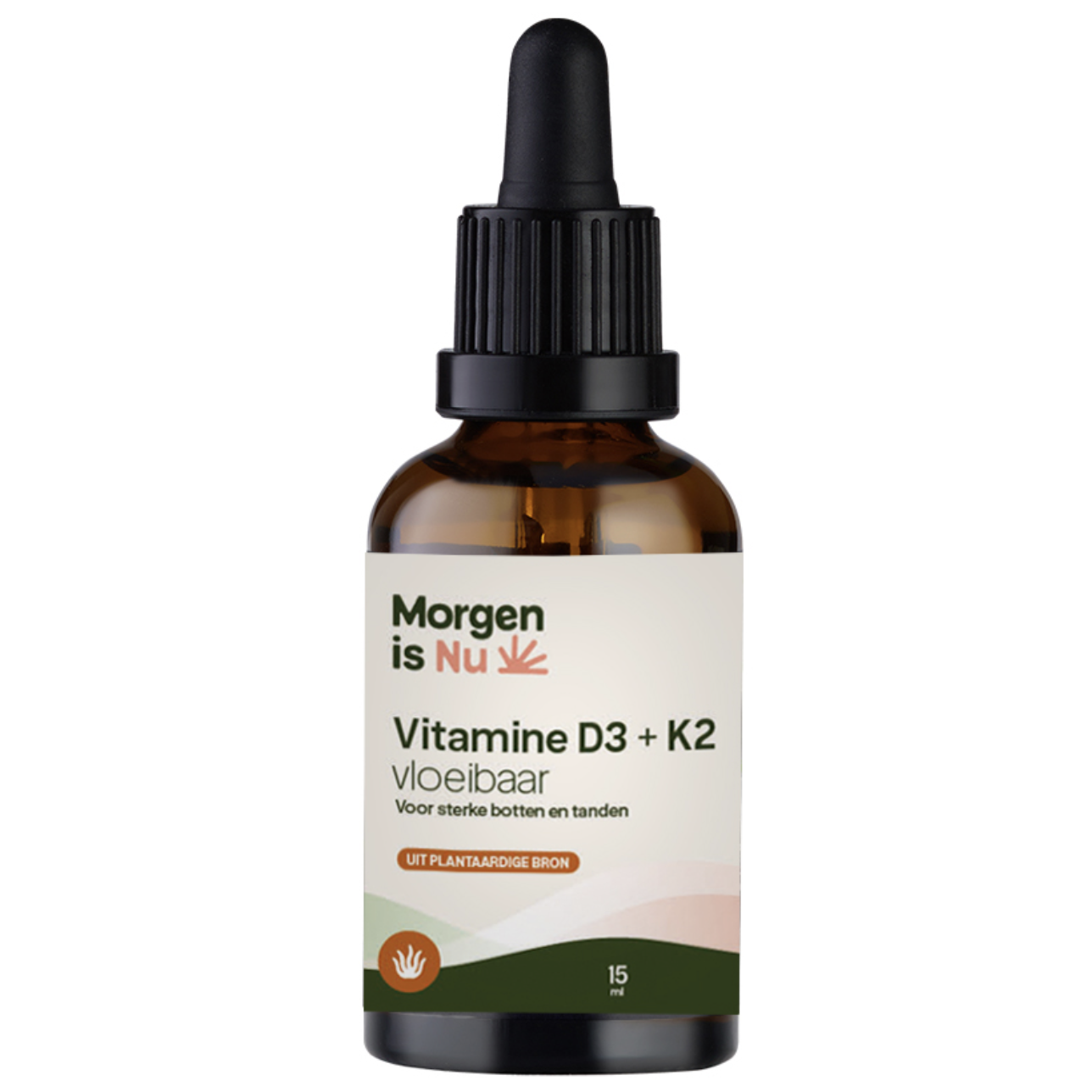
15ml | Liquid | Vitamin D, Vitamin K | Cholecalciferol, K2 | The Netherlands

90 capsules | Capsules | Vitamin D, Vitamin K | Cholecalciferol, K2 | United Kingdom

30ml | Liquid | Vitamin D, Vitamin K | Cholecalciferol, K2 | United States of America

100 capsules, 50 capsules | Capsules | Vitamin D, Vitamin K | Cholecalciferol, K2 | United Kingdom

90 capsules, 30 capsules | Capsules | Vitamin D, Vitamin K | Cholecalciferol, K2 | The Netherlands

30ml | Liquid | Vitamin D, Vitamin K | Cholecalciferol, K2 | United States of America
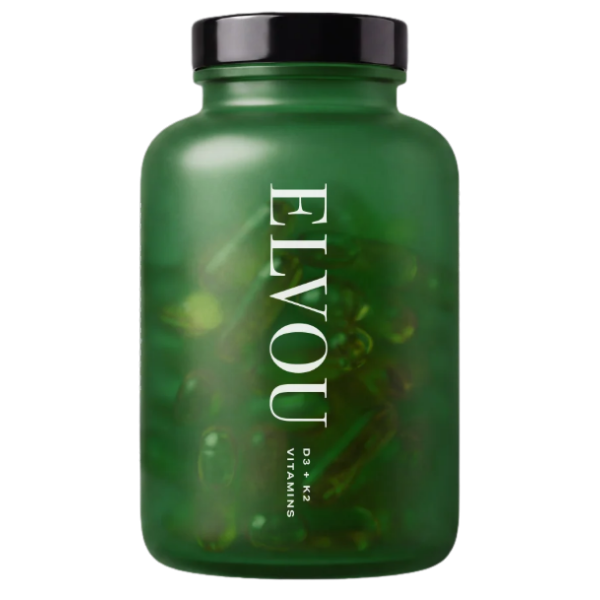
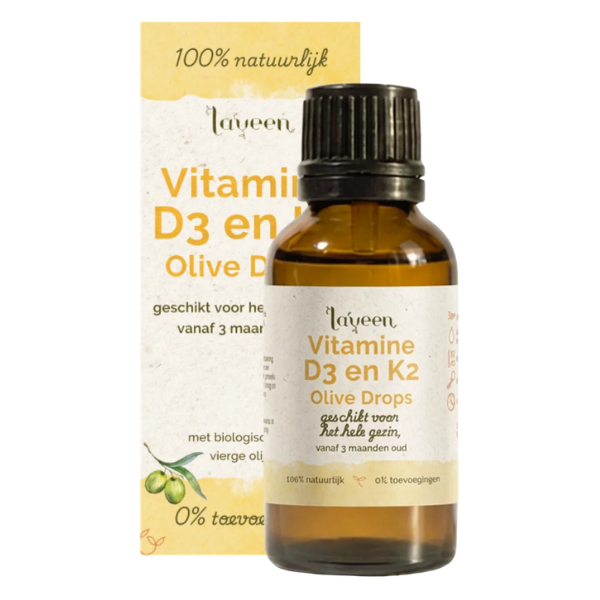
30ml | Liquid | Vitamin D, Vitamin K | Cholecalciferol, K2 | Germany

100 capsules, 50 capsules | Capsules | Vitamin D, Vitamin K | Cholecalciferol, K2 | United Kingdom

30 capsules | Capsules | Vitamin D, Vitamin K | Cholecalciferol, K2 | United States of America
"Very satisfied. My products arrived in good order with a little extra included. The Detoxadine iodine is good quality."
- Matthijs
Date of experience: 26 December 2021
View all reviews
About Morgen is Nu - Holistic health shop
At Morgen is Nu, we work every day to support your health. Guided by a unique vision and years of experience, we select only the purest, highest-quality products. We believe in a holistic approach centred on physical, inner and outer balance.
Phone: 0341 - 422 850
Blog about vitamin D3 and K2
Vitamin D3 is often promoted as the answer to a lack of sunlight. But what if this popular vitamin actually harms your body without the right support? In this blog, you'll discover why vitamin K2 is essential for vitamin D3 to work safely and effectively.
You'll read why calcium can end up in the wrong places without K2, and what that means for your heart, blood vessels and kidneys. You'll also find out why it's so difficult to get enough K2 from food, and what you can do about it. Want to know how to get the most out of your D3 supplement without the risks? Read on.

- Fat-soluble vitamins (A, D, E, K): Take with a meal containing fat.
- Water-soluble vitamins (C, B-complex): Can be taken at any time of the day. B12 is best absorbed on an empty stomach.
When combining supplements, it is important to follow the recommended daily dose for each product and avoid an excessive total intake of certain vitamins or minerals.
Everyone responds differently to supplements. Interactions between different food supplements are also possible. You use and combine supplements at your own responsibility. If you are unsure about combining different food supplements, we recommend consulting a professional.
Pay attention to how your body responds when taking supplements, and consult a doctor or pharmacist if you are taking medication, are pregnant or breastfeeding, or have a medical condition.