

Algae
Are you looking for an algae supplement? Algae, sometimes referred to as seaweed or microalgae, are among the oldest life forms on Earth. For millions of years, they have played a crucial role in the ecosystem, and today they also provide us with a valuable source of nutrition and inspiration. At Morgen is Nu, you will find only pure, high-quality algae supplements. Find out what makes algae so special and which varieties we offer.
By Stefan, last updated: 09-09-2025.
Contents
- Our favourite algae supplements
- What are algae?
- Omega 3 from algae
- Different types of algae and seaweed
- Traditional uses of algae around the world
- Are algae safe for everyone?
- Sources
Our favourite algae supplements
- BioAstin Hawaiian Vegan Astaxanthine (4mg) capsules from Nutrex Hawaii
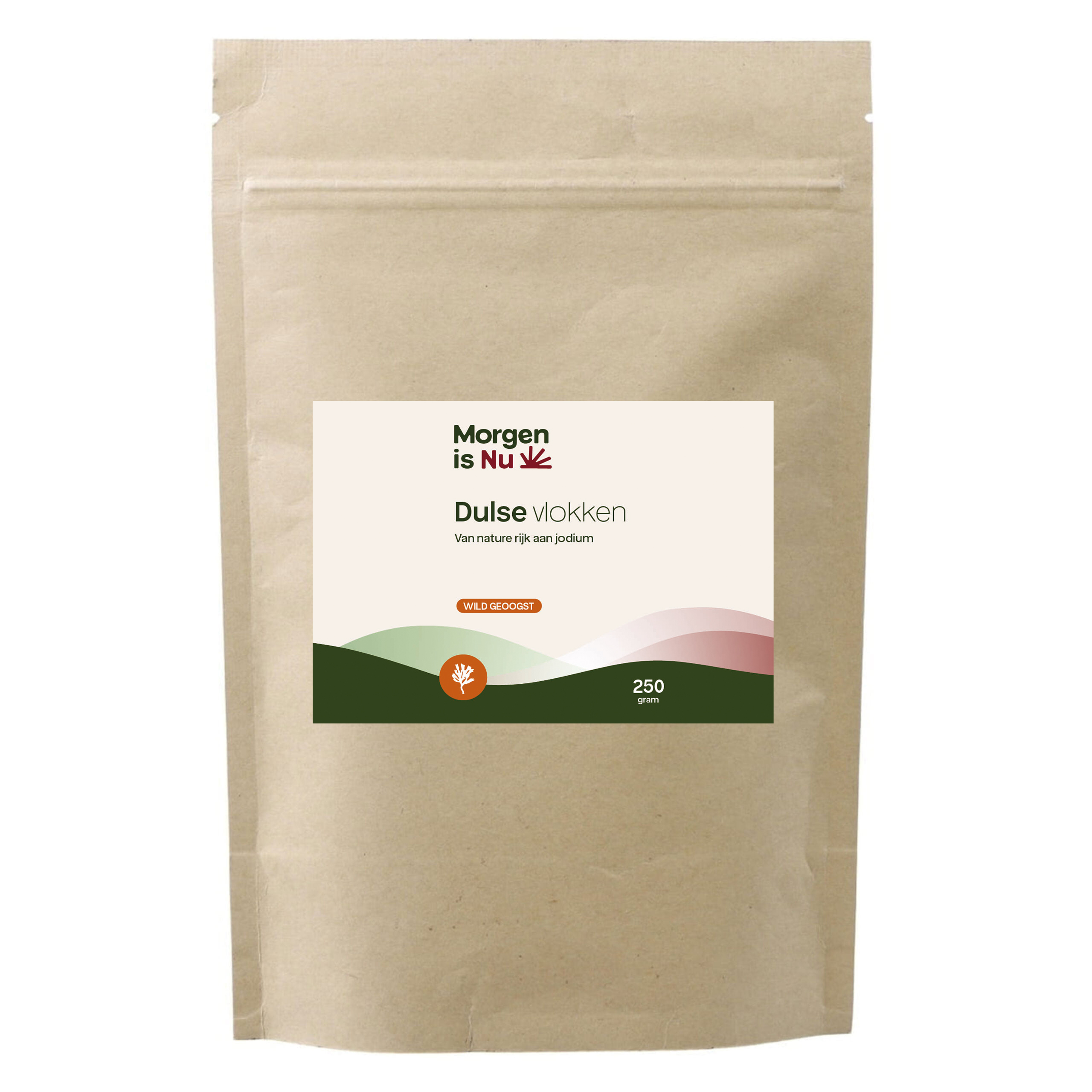
- Bio Dulse Vlokken from Morgen is Nu
- Spirulina Poeder from Morgen is Nu
What are algae?
Algae are a diverse group of organisms that grow in both fresh and salt water. They range from microscopic organisms (microalgae) to large seaweeds (macroalgae). Algae are an essential link in ecosystems. (source)
Besides their role in nature, algae have been used as food for centuries. Modern scientific findings show that some algae, such as spirulina and chlorella, are rich in nutrients such as iodine, vitamin B12 and iron, and also contain various bioactive plant compounds. (source)
Omega 3 from algae
One of the best-known uses is algae oil as a source of omega 3 fatty acids. Unlike fish oil, the omega 3 here comes directly from algae, the original producer in the food chain. This makes algae omega 3 capsules a sustainable, plant-based choice for anyone who avoids fish.
Research shows that algae oil can be rich in EPA and DHA, the long-chain omega 3 fatty acids that are important for various bodily functions. (source) This makes algae supplements an interesting alternative for vegetarians and vegans.
Different types of algae and seaweed
There are thousands of species of algae, but only a limited number are suitable as food or supplements. Some well-known types:
- Spirulina and Chlorella: popular for their high protein content and nutrient density. Spirulina contains up to 65% protein and all the essential amino acids. (source)
- Red algae (such as Dulse and Irish Sea Moss): traditionally used in coastal regions, rich in minerals and fibre. (source)
- Brown algae (such as kelp varieties): known for their high iodine content.
- Marine Phytoplankton: microscopic planktonic algae containing a broad spectrum of bioactive compounds.
Traditional uses of algae around the world
The use of algae as food goes back centuries. Records of algae consumption in China date back to 300 AD, and in Japan, seaweeds such as nori, kombu and wakame remain an important part of the daily diet. (source)
Are algae safe for everyone?
Algae supplements are generally considered safe when used at the recommended doses. However, there are a few things to bear in mind:
- Iodine content: some seaweeds, particularly brown algae, contain high concentrations of iodine. This can pose a risk for people with thyroid problems.
- Purity: algae absorb substances from their surroundings. It is therefore important to choose products that have been tested for heavy metals and other contaminants.
- Individual sensitivity: some people may experience mild digestive discomfort at higher doses.
At Morgen is Nu, we only select products that meet the strictest European regulations and food safety standards.
Sources
- Recent Developments on Algae as a Nutritional Supplement
- Nutritional and bioactive compounds of commercialized algae powders used as food supplements
- Algae as food and food supplements in Europe
- Algae Supplementation for Exercise Performance: Current Perspectives and Future Directions for Spirulina and Chlorella

120 softgels | Capsules | Astaxanthin | United States of America

90 capsules | Capsules | Irish moss | Ireland


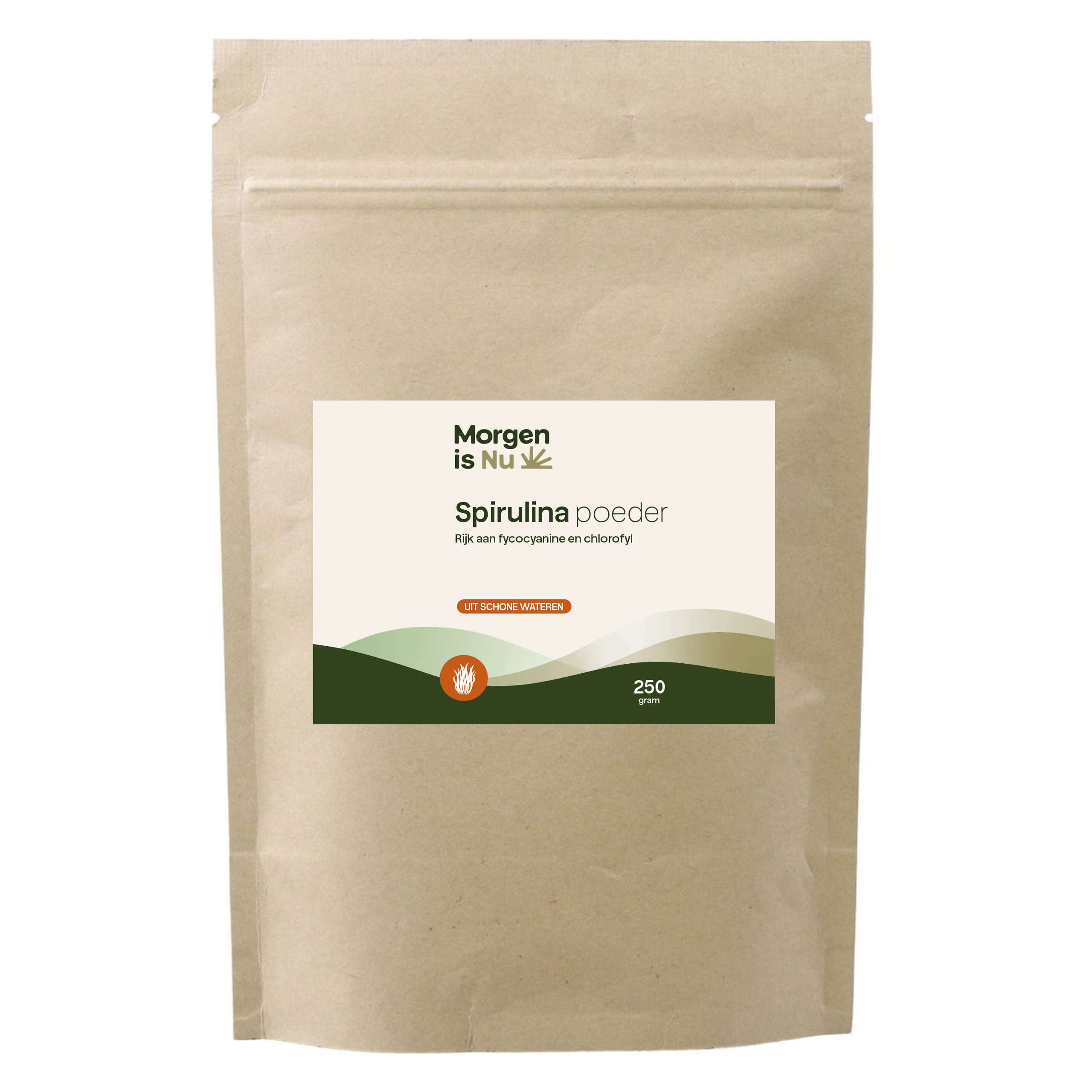
250 grams | Powder | Spirulina | United States of America

125ml | Liquid | Chlorophyll | Malaysia