
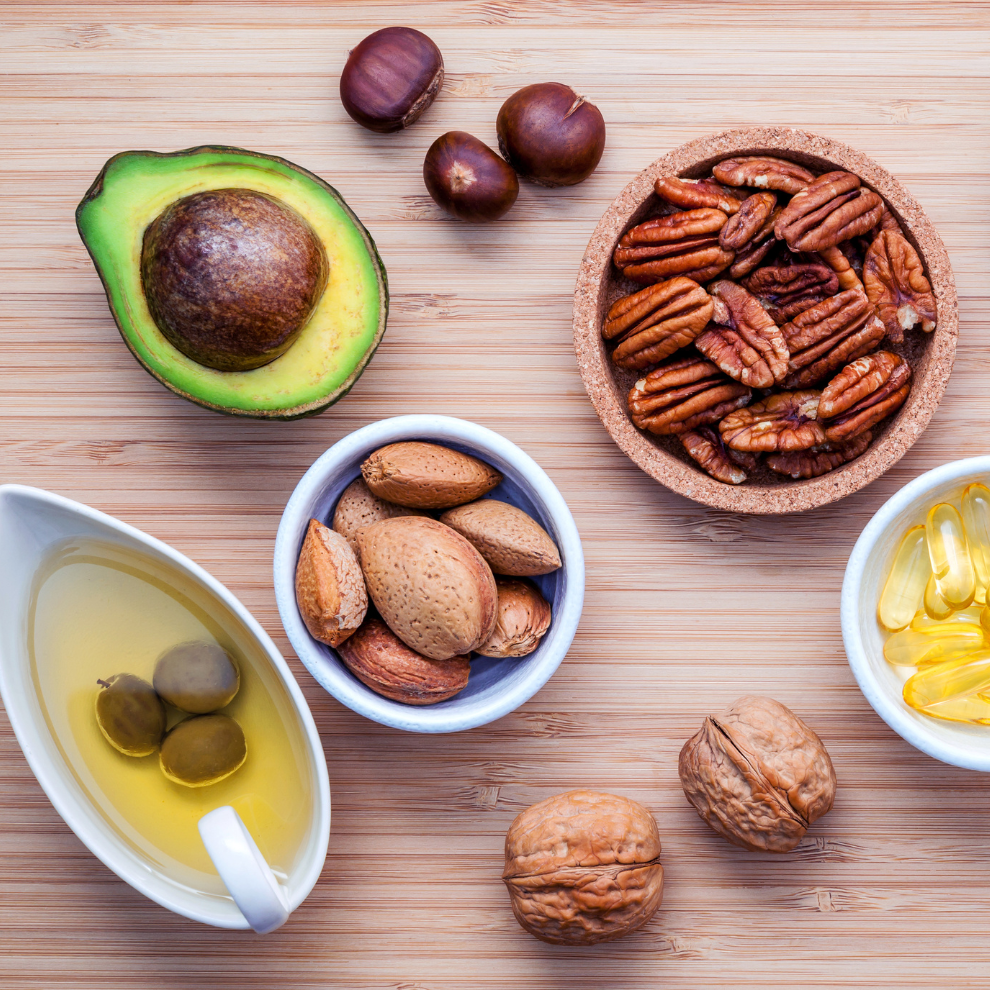
EPA and DHA
EPA (eicosapentaenoic acid) and DHA (docosahexaenoic acid) are essential omega-3 fatty acids that our bodies need but produce only in very small amounts. They support various processes in the body and are attracting growing attention for their benefits. But what makes these fatty acids so valuable, and how can they contribute to a healthy lifestyle?
By Stefan, last updated: 04-04-2025
Contents
- What are EPA and DHA?
- Differences between EPA and DHA
- Natural sources of EPA and DHA
- How much EPA and DHA per day?
- Benefits of EPA and DHA
- Sources
What are EPA and DHA?
EPA and DHA are omega-3 fatty acids, a group of polyunsaturated fatty acids that are essential for our bodies. As we cannot produce these fatty acids ourselves, it is important to get them through our diet or supplements. They play a role in various processes in the body.
Differences between EPA and DHA
Both fatty acids are essential, but they support our bodies in different ways. DHA acts as a building block for the brain and supports vision. When taken together in sufficient amounts, EPA and DHA have a beneficial effect on the heart. This effect is achieved with a daily intake of at least 250 mg of EPA and DHA (source).
Because of the unique properties of each fatty acid, a combination of EPA and DHA is often recommended.
Natural sources of EPA and DHA
EPA and DHA occur naturally in oily fish such as salmon, mackerel, herring and sardines. However, these fish do not produce the omega-3 fatty acids themselves, but obtain them from microalgae. Algae are therefore the original, plant-based source of EPA and DHA.
For those looking for a plant-based source of omega-3 fatty acids, algae offer a direct alternative to fish oil. They are naturally rich in EPA and DHA, making them ideal for vegetarians and vegans. More and more people are choosing algae oil as a sustainable, plant-based alternative to support their intake of these essential fatty acids (source).
How much EPA and DHA per day?
The recommended daily intake of EPA and DHA can vary depending on age, lifestyle and health goals. In general, an intake of 250 mg of EPA and DHA per day is recommended (source). A higher dose may be appropriate for certain groups, such as pregnant women, athletes or people with increased requirements.
Benefits of EPA and DHA
There is evidence to suggest that an adequate intake of EPA and DHA may have beneficial effects on various aspects of health:
- EPA and DHA contribute to the normal function of the heart with a daily intake of 250 mg (source).
- DHA and EPA contribute to the maintenance of normal blood triglyceride levels.
- DHA is an important building block for the brain and contributes to normal brain function (source).
- DHA contributes to the maintenance of normal vision (source).
Sources
- Omega 3 fatty acids EPA/DHA - Orthokennis
- Omega-3 Fatty Acids EPA and DHA: Health Benefits Throughout Life - ScienceDirect
- The differential effects of EPA and DHA on cardiovascular risk factors - Cambridge
- 6 Uses and Benefits of Algae Oil - Verywell Health
- Scientific Opinion on the Tolerable Upper Intake Level of EPA, DHA and DPA - EFSA
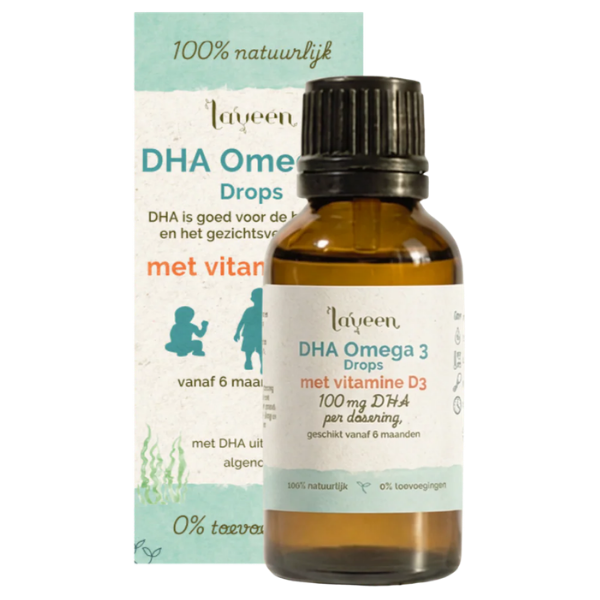

30ml | Liquid | United States of America



60ml | Liquid | EPA and DHA, Astaxanthin | United States of America
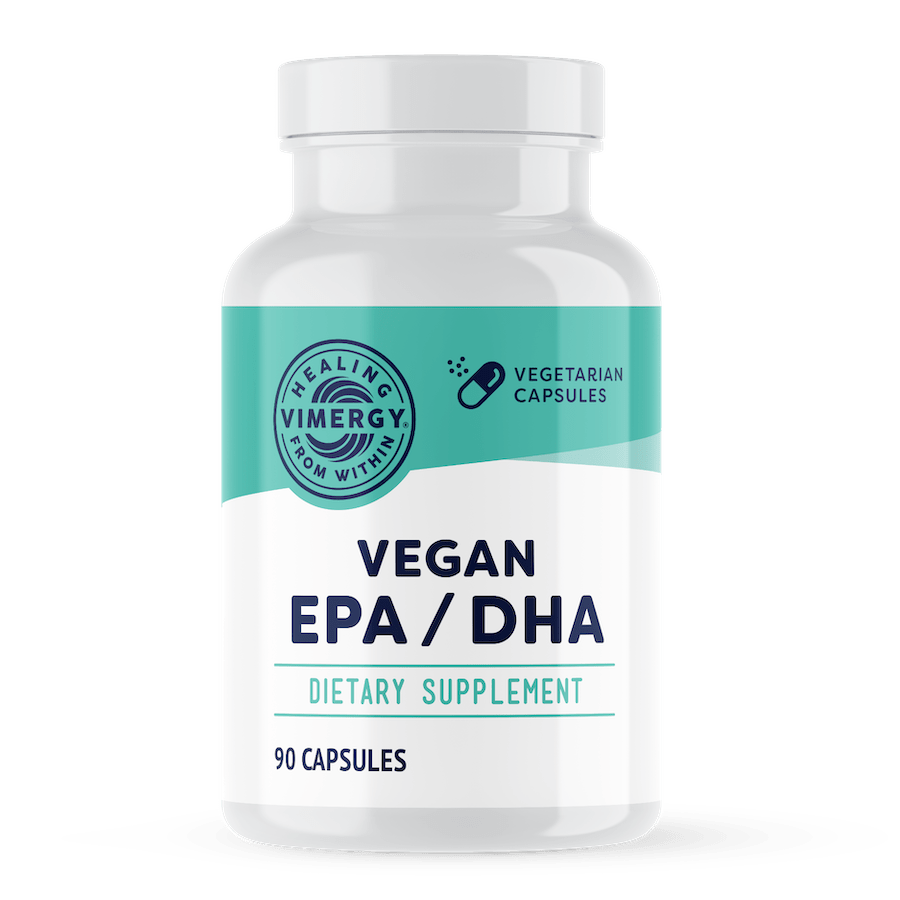
90 capsules | Capsules | EPA and DHA, Vitamin E | United States of America
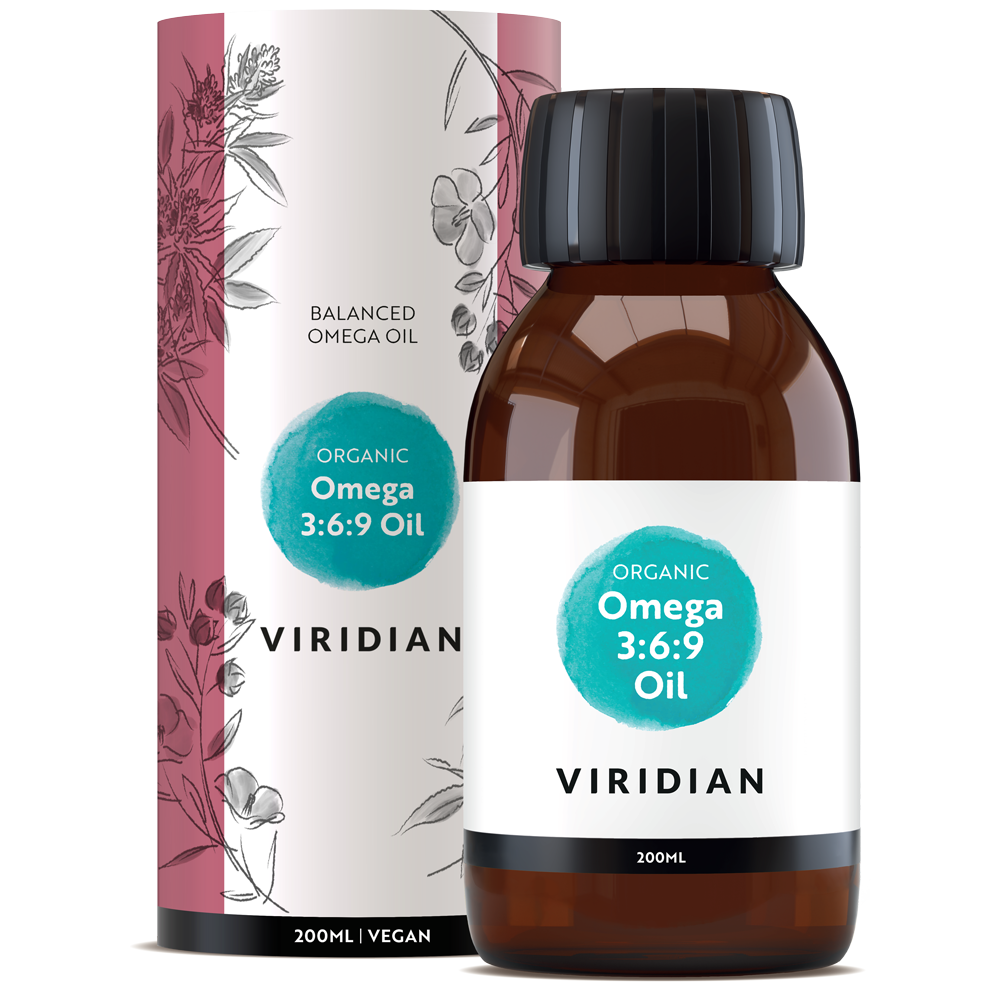
200ml | Liquid | EPA and DHA | DHA, EPA | United Kingdom

30ml | Liquid | EPA and DHA | United States of America

30 softgels, 90 softgels | EPA and DHA | The Netherlands
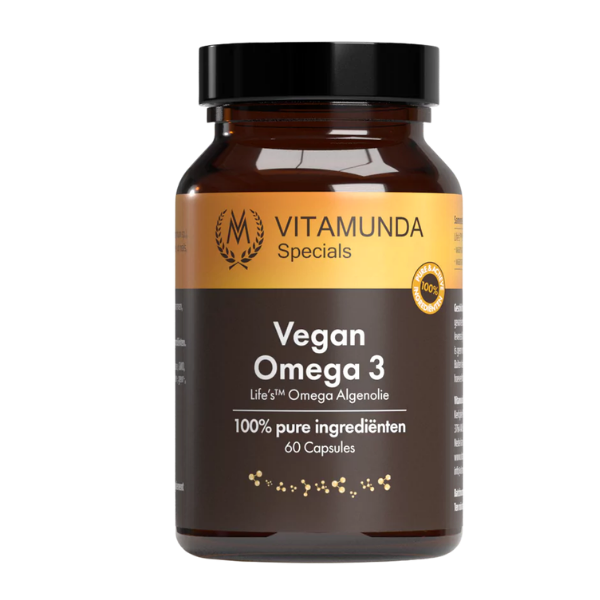

90 capsules | Capsules | EPA and DHA | The Netherlands
"Very customer-friendly! I've received really helpful and friendly service several times, with product information and answers to my questions. And I'm pleased that orders are delivered quickly and with care."
- Angelique Banis
Date of experience: 16 May 2025
View all reviews
About Morgen is Nu - Holistic health shop
At Morgen is Nu, we are committed to your health every day. Guided by a unique vision and years of experience, we select only the purest, highest-quality products. We believe in a holistic approach that centres on physical, inner and outer balance.
Phone: 0341 – 422 850