

Iron
Looking for the best iron supplement? At Morgen is Nu, you will find a wide range of iron supplements. Iron contributes to the normal formation of red blood cells, supports energy metabolism and helps with normal oxygen transport in our bodies. Iron deficiency is more common among vegetarians, pregnant women, children, athletes and people with stomach or intestinal problems. If your daily intake is below the Recommended Daily Allowance (RDA), a supplement can help replenish your iron levels.
By Lisanne, last updated: 06-10-2025.
Contents
- Our best-selling iron supplements
- What is iron and why is it important?
- What are the symptoms of iron deficiency?
- Which foods contain iron?
- How much iron do you need each day?
- Iron and vitamin C: an important combination
- What is nano iron?
- Sources
Our best-selling iron supplements
- Nano (Colloïdaal) IJzer by The Health Factory
- Plant-Based Iron by Global Healing
- Plant Force Liquid Iron by Gaia Herbs
What is iron and why is it important?
Iron plays an important role in our bodies. It supports the normal formation of red blood cells and haemoglobin, and contributes to normal oxygen transport in the body. Iron also has a beneficial effect on energy-yielding metabolism, contributes to the reduction of tiredness and fatigue, and supports cognitive function. (source)
What are the symptoms of iron deficiency?
Iron deficiency (also known as a lack of iron) is more common than you might think. It develops when you consistently get less iron than your body needs over a prolonged period. Research shows that this is particularly common among women of childbearing age and young children. (source)
Many people with iron deficiency experience symptoms such as tiredness or difficulty concentrating. We often hear that energy levels improve noticeably once iron intake is adequate. Signs regularly associated with low iron levels include:
- Lack of energy
- Pale skin
- Cold hands and feet
- Poor concentration
Please note: these are general observations. Always consult a doctor if symptoms persist.
Which foods contain iron?
Iron occurs in different forms in food. The distinction between haem iron (from animal products) and non-haem iron (from plant sources) is important. Haem iron is generally absorbed more efficiently, but you can also get plenty of iron from a plant-based diet, especially if you know what to look out for.
Foods rich in iron include:
- Beef liver, chicken, eggs
- Spinach, kale, pulses
- Wholegrain foods, nuts, seeds
Drinks can also contain iron, although often in small amounts. Examples include vegetable juices and fruit juices fortified with iron.
How much iron do you need each day?
The recommended daily allowance (RDA) of iron depends on age, sex and circumstances such as pregnancy. As a general guide:
- Women aged 16-50: 15 mg per day
- Men aged 18 and over: 11 mg per day
- Pregnant women: 16-18 mg per day
Please note: too much iron over a prolonged period can also have adverse effects. It is therefore best to take supplements in consultation with a healthcare professional, especially if you already eat fortified foods or have a medical condition. (source)
Iron and vitamin C: an important combination
Did you know that iron and vitamin C work perfectly together? This is because vitamin C significantly improves iron absorption in your small intestine. So if you have an iron deficiency and want to replenish your levels with iron supplements, make sure you also get enough vitamin C. Vitamins D and B12 are also essential for good iron absorption. In practice, vitamin D deficiency and iron deficiency are often seen together. Iron and vitamin B12 are both very important for red blood cell production. Combining iron with these vitamins, through food or supplements, may help improve iron absorption. (source)
What is nano iron?
Nano iron is a liquid form of iron with ultra-small particles that are quickly absorbed through the mucous membranes. Because these particles are so small (one nanometre = one millionth of a millimetre), nano iron is readily absorbed and gentle on the stomach. It contains no additives, is odourless and tasteless, and is often well tolerated, including by children. Many people choose this form as an alternative to iron tablets, particularly for its purity and ease of use. View Nano IJzer by The Health Factory here.
Sources
- Iron Supplementation, Response in Iron-Deficiency Anemia: Analysis of Five Trials
- Daily iron supplementation for improving anaemia, iron status and health in menstruating women (Cochrane Review)
- Recommendations for minerals and trace elements: Netherlands Nutrition Centre
- The active role of vitamin C in mammalian iron metabolism: Much more than just enhanced iron absorption!

90 capsules | Capsules | Iron, Folic acid, Vitamin B12 | (Bis)glycinate, Methylcobalamin, Adenosylcobalamin | United Kingdom
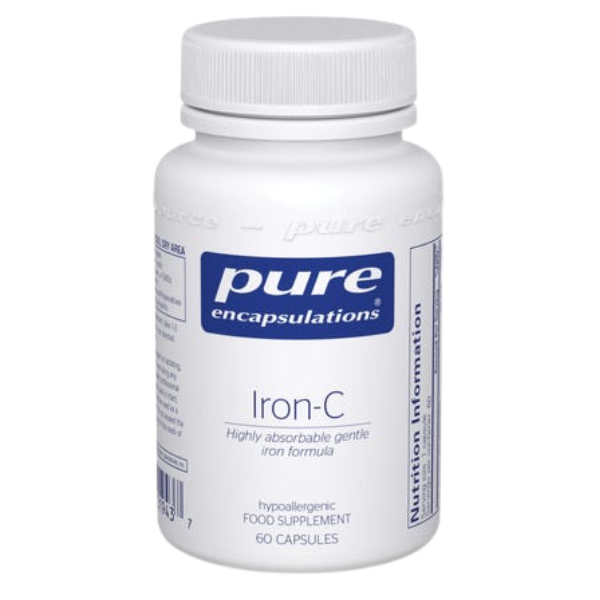
60 capsules | Capsules | Iron, Vitamin C | (Bis)glycinate, Calcium ascorbate | United States of America
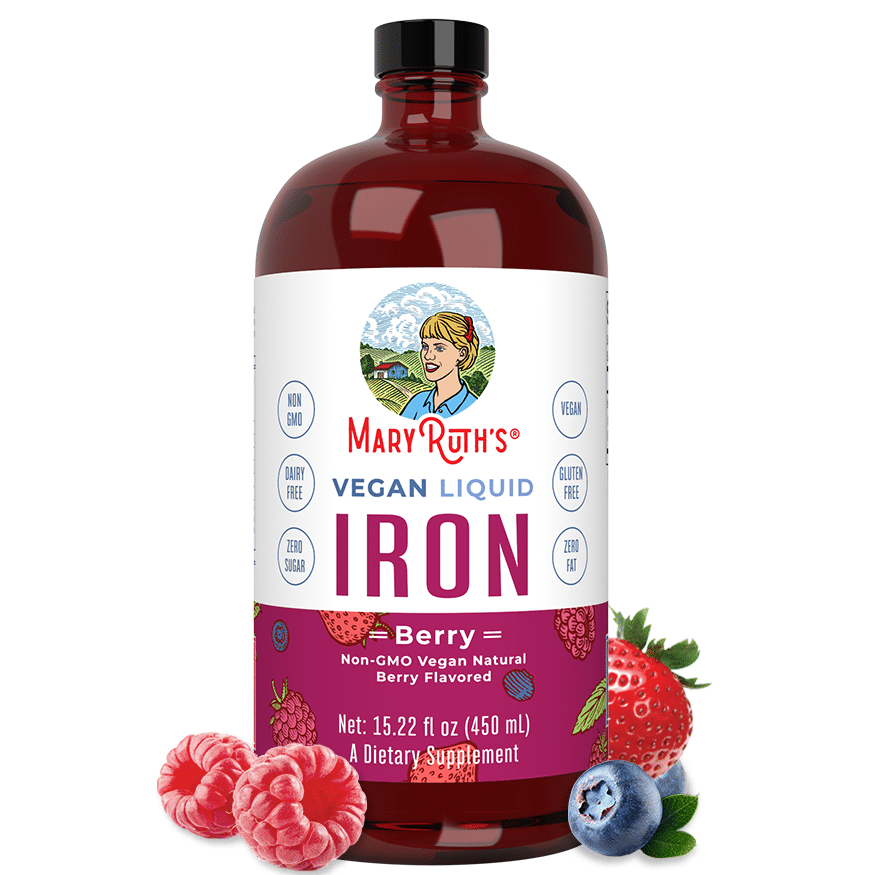
450ml | Liquid | Iron | (Bis)glycinate | United States of America


60 ml | Liquid | Iron | (Bis)glycinate | United Kingdom
"The product information is clear. The product arrived on time. The quality is good."
- F. De Haan
Date of experience: 12 March 2024
View all reviews
About Morgen is Nu: a holistic health shop
At Morgen is Nu, we work every day to support your health. Guided by a unique vision and years of experience, we select only the purest, highest-quality products. We believe in a holistic approach centred on physical, inner and outer balance.
Telephone: 0341 – 422 850
Blog about iron
Iron has an impressive history and an essential role in our bodies. This mineral is crucial for our energy, blood formation and cell growth, yet it often only gets attention when a deficiency develops. That is a shame, because iron is quite literally the driving force behind our day-to-day functioning.
In this blog, you can read all about how iron works, its different forms, the factors that affect absorption, and the recommended daily intake. You will also learn how to recognise a deficiency and how to replenish your iron levels. This applies if you eat meat, follow a plant-based diet or have increased iron needs. Curious about why iron is so important for your health? Read on to find out.

- Fat-soluble vitamins (A, D, E, K): Take with a meal containing fat.
- Water-soluble vitamins (C, B-complex): Can be taken at any time of the day. B12 is best absorbed on an empty stomach.
When combining supplements, it is important to follow the recommended daily dose for each product and avoid an excessive total intake of certain vitamins or minerals.
Everyone responds differently to supplements. Interactions between different food supplements are also possible. You use and combine supplements at your own responsibility. If you are unsure about combining different food supplements, we recommend consulting a professional.
Pay attention to how your body responds when taking supplements, and consult a doctor or pharmacist if you are taking medication, are pregnant or breastfeeding, or have a medical condition.