

Iron is an essential mineral for our body and plays an important role in blood production, cell growth and energy management. This mineral has a fascinating history; as early as 4000 BC, people in ancient Egypt used iron to make spearheads and jewelry. A well-known example is Tutankhamun's iron dagger, made of meteoric iron [source].
The step towards iron as a dietary supplement came much later. In 1832, the French physician P. Blaud Beaucaire introduced the first iron pills, known as 'Blaud's pills', for the treatment of anemia [source]. This marked the beginning of iron supplements, which are now available in various forms. But what exactly is iron and why is iron so important to our bodies? Given its rich history and essential functions in our bodies, this mineral definitely deserves our attention. In this blog, we will delve deeper into the importance of iron to our health.
What does iron do in your body?
Why do you need iron? This mineral is nowadays mainly known as an essential part of hemoglobin in our red blood cells. And these have an important task: transporting oxygen from our lungs to the rest of our body. With an iron deficiency, not enough oxygen is released, and this is essential for the combustion of nutrients. This is an important process; it releases energy that we need to be able to carry out our daily activities. Iron therefore not only plays an essential role in the construction of our blood, but also activates the natural energy in the body through the transport of oxygen. It is therefore not surprising that an iron deficiency often leads to a feeling of extreme fatigue.
In addition to this important process, iron is also needed for normal cell division and growth of our body. Our cells need iron to make DNA [source]. For example, children need more than enough iron to develop their thinking skills and muscle coordination. In young children, iron deficiency can lead to impaired memory and disrupted learning behavior. Iron is also an important coenzyme in the production of neurotransmitters [source].
In addition, iron also supports the functioning of our immune system. Iron is even necessary to start a healing process. Because iron is an important part of hemoglobin, it contributes to the delivery of oxygen to our damaged cells and tissues, so that they can recover. Without iron, the immune system cannot function properly [source].
Types of iron: heme iron and non-heme iron
There are two forms of iron: heme iron and non-heme iron. Heme iron is found in animal products such as meat, fish and poultry, while non-heme iron is found in plant sources such as beans, whole grains and green leafy vegetables. And good to know: when we eat food with heme iron, about 25% of it is absorbed. When we eat non-heme iron, only 1-10% is absorbed. The absorption of iron in your body is therefore partly determined by the form of iron. This poses a challenge for vegetarians and vegans in particular, because their diet does not contain heme iron, which leads to a higher risk of iron deficiency due to the lower absorption efficiency of non-heme iron.
Factors affecting iron absorption
The absorption of iron in our body takes place in the first part of the small intestine and is influenced by various factors. On the one hand, the form of the iron – heme iron or non-heme iron – plays an important role. On the other hand, our body adjusts the absorption of iron based on the existing iron supply. When this supply decreases, the body increases the absorption from the small intestine, which can increase the absorption of heme iron in some cases by up to 42% [source].
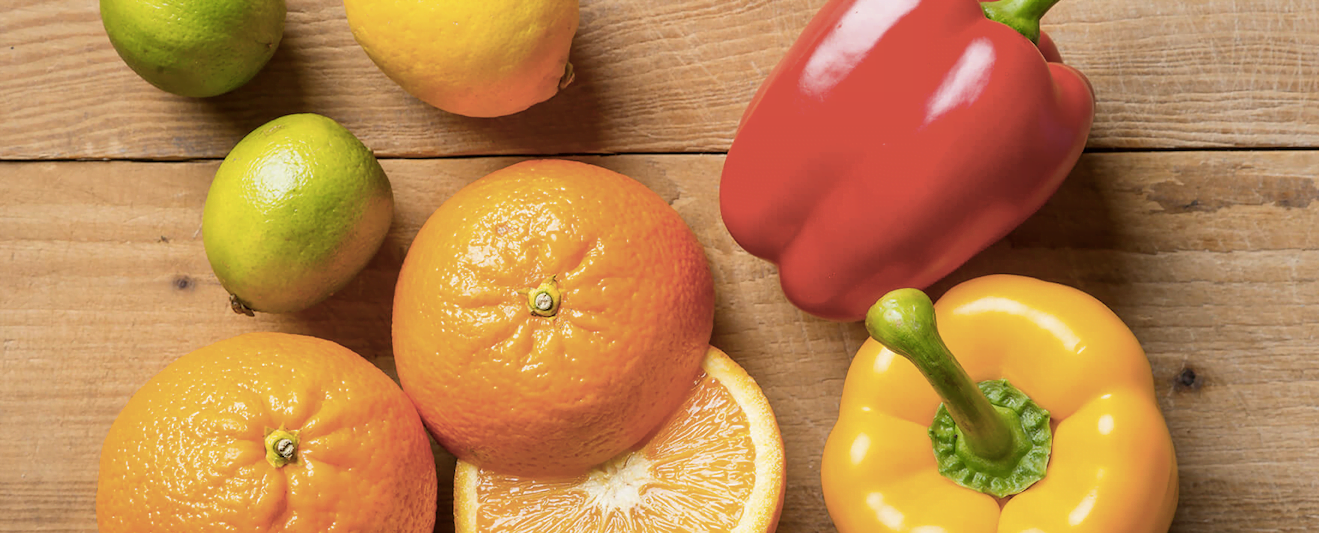
And good to know: vitamin C ensures better absorption of non-heme iron [source]. This vitamin increases the solubility of non-heme iron, making it easier for the small intestine to absorb it. Adding fruit and vegetables with vitamin C to your meals can increase your iron absorption. A practical example of this is adding a red bell pepper to your dish; this contains no less than 150 mg of vitamin C per 100 grams. A tasty and simple way to ensure that your body can use iron even better.
There are also factors that negatively affect the absorption of iron. For example, it is known that polyphenols, which are mainly found in coffee and tea, actually reduce the absorption [source]. Calcium can also hinder the absorption of iron. In fact, research shows that drinking iron-fortified dairy products does not increase iron levels, and this is likely due to the inhibitory effect of calcium [source]. So if you are taking both calcium and iron supplements, it is advisable to do so at different times of the day. And remember to take all of the above factors into account to ensure efficient iron absorption.
How much iron do you need per day?
The Dutch Health Council advises on the amount of iron you need daily. A distinction is made between different groups and needs. For example, pregnant women have a different iron requirement than children. Below you will find an overview of the recommended daily amount (RDA) of iron per age group [source].
| Category/Age | RDA Iron (mg per day) |
| Children | |
| 6-11 months | 8 |
| 1-5 years | 8 |
| 6-8 years | 9 |
| 10-13 years | 11 |
| Men | |
| 14-17 years | 11 |
| from 18 years | 11 |
| Women | |
| 14-17 years | 15 |
| 18-24 years | 16 |
| 25-50 years | 16 |
| 51-69 years | 11 |
| From 70 years | 11 |
| Pregnant women | 16 |
| Women who are breastfeeding | 15 |
Iron requirements are therefore very dependent on age and gender. Women usually need more iron than men because of menstruation, which leads to iron loss. After menopause, this requirement decreases again. Pregnancy and breastfeeding increase the requirement because of the development of the placenta and the growth of the child, which is why deficiencies often occur.
How do you know if you have an iron deficiency?
As you have read, iron is incredibly important for your body. It plays a role in a number of essential processes in the body. But when exactly are you at risk of an iron deficiency? This mainly occurs in young children and pregnant women [source]. Growing young people, fanatic athletes, vegans, blood donors and people who suffer from inflammation of the stomach and/or intestines also have an increased risk of iron deficiency [source]. If you fall into one of the above groups, it is extra important to pay attention to your iron intake. Symptoms of iron deficiency can vary, but some common signs include [source]:
· Fatigue
· A pale skin
· Quickly out of breath
· Concentration problems
· Restless legs
· Low resistance
Do you not meet the recommended daily amount (RDA) of iron and do you recognize these symptoms? Then it is advisable to supplement your diet with iron-rich food or, if necessary, iron supplements. This way you optimally support your health and keep your energy level up.
Replenish iron deficiency with supplements
At Morgen is Nu we offer various iron supplements, ranging from capsules to liquid formulas. Each of these products has unique properties, which we would like to tell you more about.
These are the forms of iron we support
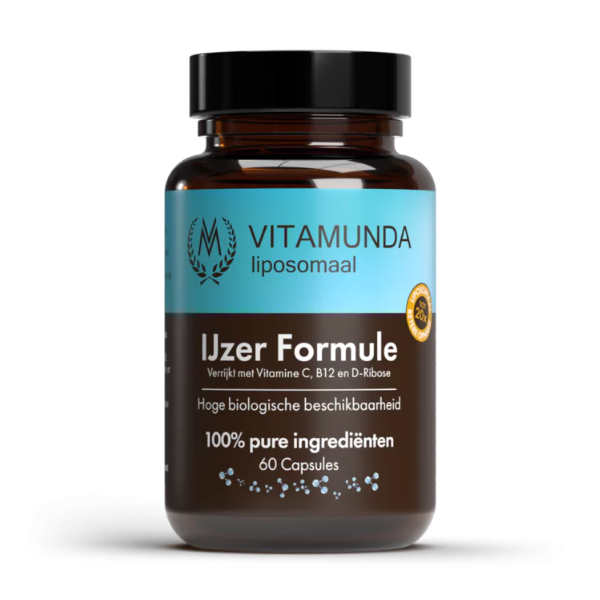
60 capsules | Capsules | Iron | Pyrofosfaat | The Netherlands
Liposomal iron
Liposomal iron is an effective supplement because it is remarkably well absorbed by cells, with absorption up to 20 times better than regular iron supplements. This type of iron is encapsulated in fat globules (liposomes), which means it has no negative effects on the gastrointestinal tract, preventing common side effects such as nausea and constipation.
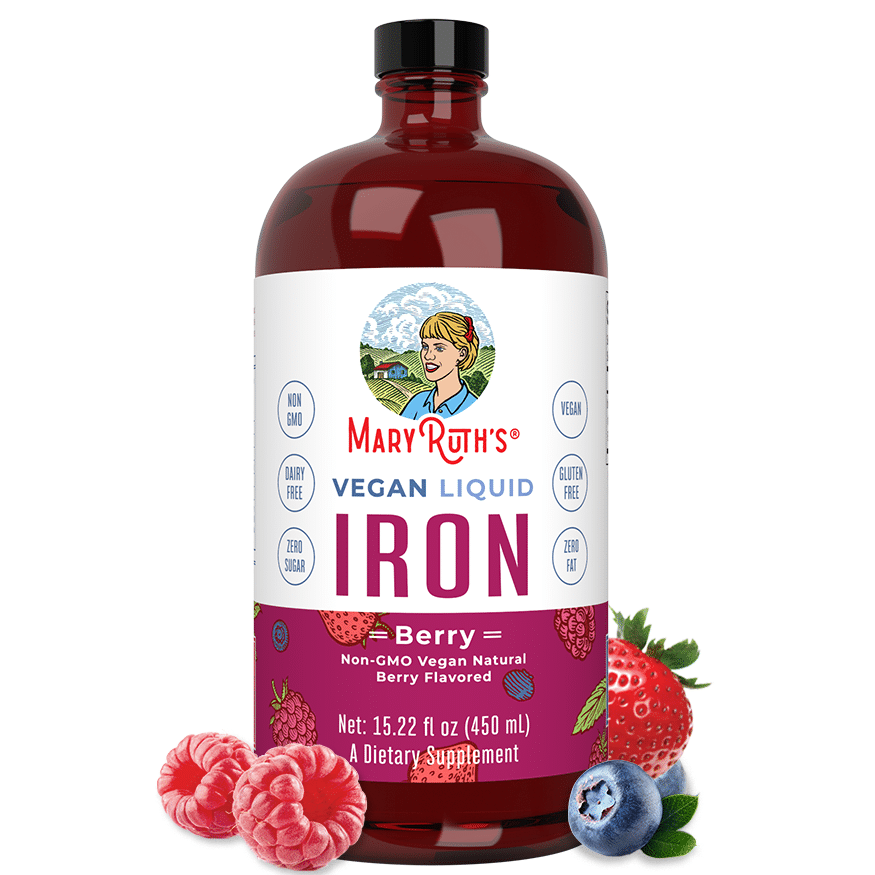
450ml | Liquid | Iron | (Bis)glycinaat | United States of America
Liquid Iron (Berry)
Vegan Liquid Iron from Mary Ruth's is a natural iron supplement. It is the perfect product to easily supplement your iron intake. The product contains iron in the form of iron bisglycinate chelate. This essential mineral is delivered in a delicious berry-flavored liquid, which you can take straight from the bottle. Your daily iron supplement has never been easier!
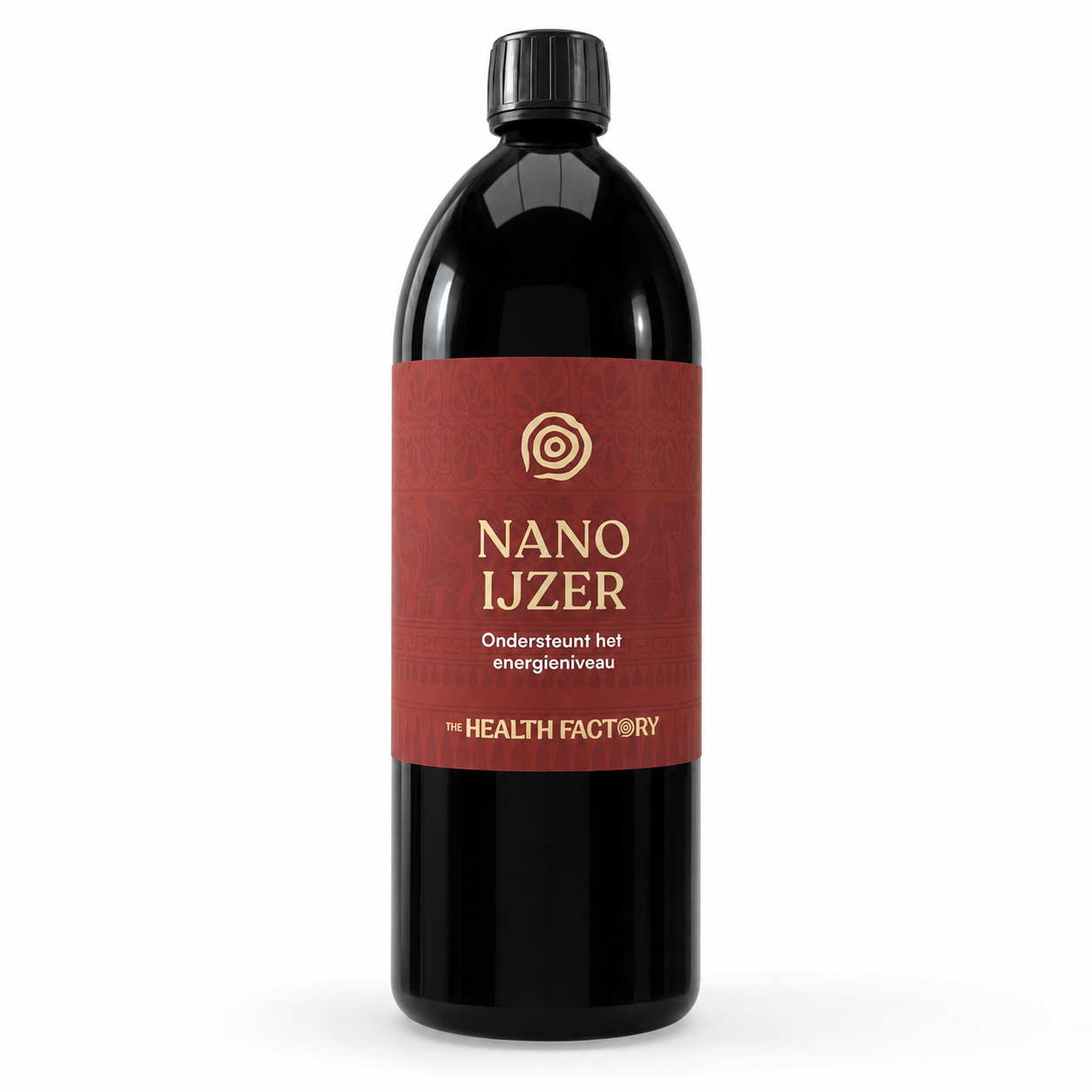
1000ml, 500ml | Liquid | Iron | Nano | The Netherlands
Nano (Colloidal) Iron
Nano Iron from The Health Factory is a revolutionary new form of iron. One nanometer is no less than one millionth of a millimeter. These ultra-small particles make the action and effect of the iron particularly powerful. The smaller the iron particles, the brighter the color and therefore the better it works. The iron particles are also absorbed more quickly and completely by the skin and mucous membranes.
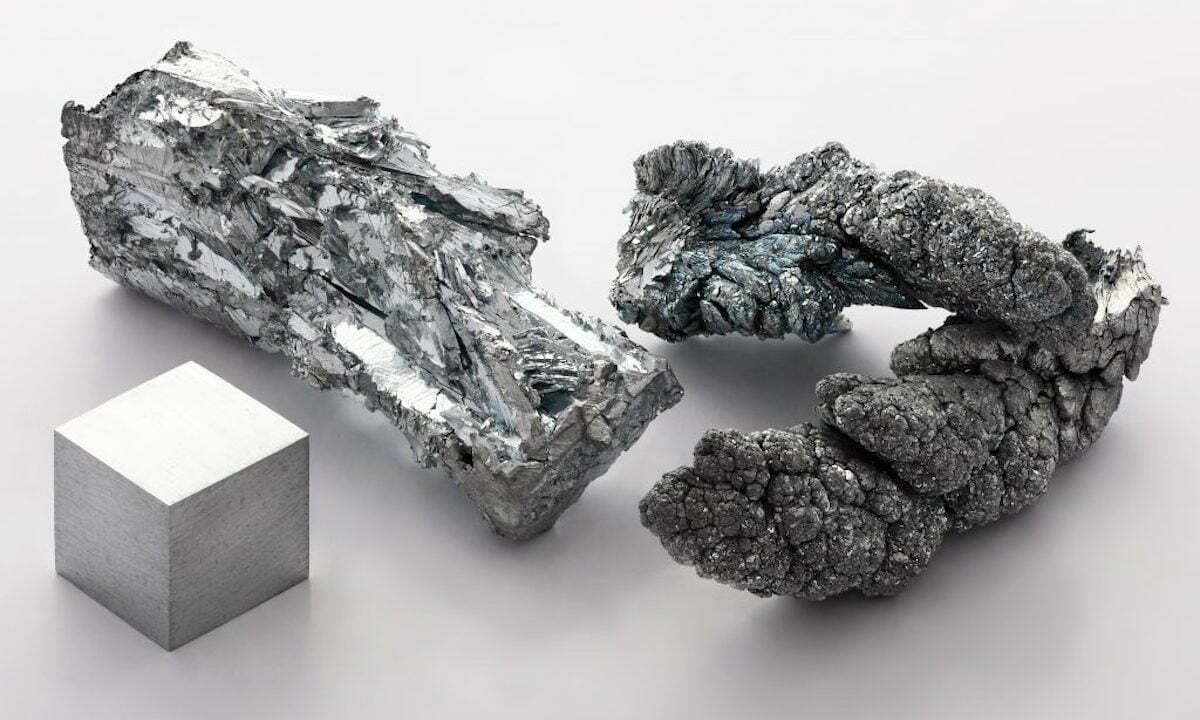

Iron is an essential mineral for our body and plays an important role in blood production, cell growth and energy management. This mineral has a fascinating history; as early as 4000 BC, people in ancient Egypt used iron to make spearheads and jewelry. A well-known example is Tutankhamun's iron dagger, made of meteoric iron [source].
The step towards iron as a dietary supplement came much later. In 1832, the French physician P. Blaud Beaucaire introduced the first iron pills, known as 'Blaud's pills', for the treatment of anemia [source]. This marked the beginning of iron supplements, which are now available in various forms. But what exactly is iron and why is iron so important to our bodies? Given its rich history and essential functions in our bodies, this mineral definitely deserves our attention. In this blog, we will delve deeper into the importance of iron to our health.
What does iron do in your body?
Why do you need iron? This mineral is nowadays mainly known as an essential part of hemoglobin in our red blood cells. And these have an important task: transporting oxygen from our lungs to the rest of our body. With an iron deficiency, not enough oxygen is released, and this is essential for the combustion of nutrients. This is an important process; it releases energy that we need to be able to carry out our daily activities. Iron therefore not only plays an essential role in the construction of our blood, but also activates the natural energy in the body through the transport of oxygen. It is therefore not surprising that an iron deficiency often leads to a feeling of extreme fatigue.
In addition to this important process, iron is also needed for normal cell division and growth of our body. Our cells need iron to make DNA [source]. For example, children need more than enough iron to develop their thinking skills and muscle coordination. In young children, iron deficiency can lead to impaired memory and disrupted learning behavior. Iron is also an important coenzyme in the production of neurotransmitters [source].
In addition, iron also supports the functioning of our immune system. Iron is even necessary to start a healing process. Because iron is an important part of hemoglobin, it contributes to the delivery of oxygen to our damaged cells and tissues, so that they can recover. Without iron, the immune system cannot function properly [source].
Types of iron: heme iron and non-heme iron
There are two forms of iron: heme iron and non-heme iron. Heme iron is found in animal products such as meat, fish and poultry, while non-heme iron is found in plant sources such as beans, whole grains and green leafy vegetables. And good to know: when we eat food with heme iron, about 25% of it is absorbed. When we eat non-heme iron, only 1-10% is absorbed. The absorption of iron in your body is therefore partly determined by the form of iron. This poses a challenge for vegetarians and vegans in particular, because their diet does not contain heme iron, which leads to a higher risk of iron deficiency due to the lower absorption efficiency of non-heme iron.
Factors affecting iron absorption
The absorption of iron in our body takes place in the first part of the small intestine and is influenced by various factors. On the one hand, the form of the iron – heme iron or non-heme iron – plays an important role. On the other hand, our body adjusts the absorption of iron based on the existing iron supply. When this supply decreases, the body increases the absorption from the small intestine, which can increase the absorption of heme iron in some cases by up to 42% [source].
And good to know: vitamin C ensures better absorption of non-heme iron [source]. This vitamin increases the solubility of non-heme iron, making it easier for the small intestine to absorb it. Adding fruit and vegetables with vitamin C to your meals can increase your iron absorption. A practical example of this is adding a red bell pepper to your dish; this contains no less than 150 mg of vitamin C per 100 grams. A tasty and simple way to ensure that your body can use iron even better.
There are also factors that negatively affect the absorption of iron. For example, it is known that polyphenols, which are mainly found in coffee and tea, actually reduce the absorption [source]. Calcium can also hinder the absorption of iron. In fact, research shows that drinking iron-fortified dairy products does not increase iron levels, and this is likely due to the inhibitory effect of calcium [source]. So if you are taking both calcium and iron supplements, it is advisable to do so at different times of the day. And remember to take all of the above factors into account to ensure efficient iron absorption.
How much iron do you need per day?
The Dutch Health Council advises on the amount of iron you need daily. A distinction is made between different groups and needs. For example, pregnant women have a different iron requirement than children. Below you will find an overview of the recommended daily amount (RDA) of iron per age group [source].
| Category/Age | RDA Iron (mg per day) |
| Children | |
| 6-11 months | 8 |
| 1-5 years | 8 |
| 6-8 years | 9 |
| 10-13 years | 11 |
| Men | |
| 14-17 years | 11 |
| from 18 years | 11 |
| Women | |
| 14-17 years | 15 |
| 18-24 years | 16 |
| 25-50 years | 16 |
| 51-69 years | 11 |
| From 70 years | 11 |
| Pregnant women | 16 |
| Women who are breastfeeding | 15 |
Iron requirements are therefore very dependent on age and gender. Women usually need more iron than men because of menstruation, which leads to iron loss. After menopause, this requirement decreases again. Pregnancy and breastfeeding increase the requirement because of the development of the placenta and the growth of the child, which is why deficiencies often occur.
How do you know if you have an iron deficiency?
As you have read, iron is incredibly important for your body. It plays a role in a number of essential processes in the body. But when exactly are you at risk of an iron deficiency? This mainly occurs in young children and pregnant women [source]. Growing young people, fanatic athletes, vegans, blood donors and people who suffer from inflammation of the stomach and/or intestines also have an increased risk of iron deficiency [source]. If you fall into one of the above groups, it is extra important to pay attention to your iron intake. Symptoms of iron deficiency can vary, but some common signs include [source]:
· Fatigue
· A pale skin
· Quickly out of breath
· Concentration problems
· Restless legs
· Low resistance
Do you not meet the recommended daily amount (RDA) of iron and do you recognize these symptoms? Then it is advisable to supplement your diet with iron-rich food or, if necessary, iron supplements. This way you optimally support your health and keep your energy level up.
Replenish iron deficiency with supplements
At Morgen is Nu we offer various iron supplements, ranging from capsules to liquid formulas. Each of these products has unique properties, which we would like to tell you more about.
These are the forms of iron we support
60 capsules | Capsules | Iron | Pyrofosfaat | The Netherlands
Liposomal iron
Liposomal iron is an effective supplement because it is remarkably well absorbed by cells, with absorption up to 20 times better than regular iron supplements. This type of iron is encapsulated in fat globules (liposomes), which means it has no negative effects on the gastrointestinal tract, preventing common side effects such as nausea and constipation.
450ml | Liquid | Iron | (Bis)glycinaat | United States of America
Liquid Iron (Berry)
Vegan Liquid Iron from Mary Ruth's is a natural iron supplement. It is the perfect product to easily supplement your iron intake. The product contains iron in the form of iron bisglycinate chelate. This essential mineral is delivered in a delicious berry-flavored liquid, which you can take straight from the bottle. Your daily iron supplement has never been easier!
1000ml, 500ml | Liquid | Iron | Nano | The Netherlands
Nano (Colloidal) Iron
Nano Iron from The Health Factory is a revolutionary new form of iron. One nanometer is no less than one millionth of a millimeter. These ultra-small particles make the action and effect of the iron particularly powerful. The smaller the iron particles, the brighter the color and therefore the better it works. The iron particles are also absorbed more quickly and completely by the skin and mucous membranes.