
Before we begin
Strict rules govern what can and cannot be said about food supplements. We are bound by this European legislation, so we choose our words carefully. Medical claims, for example, are not permitted and health claims about botanical ingredients must include a disclaimer. We also do not always list all scientific sources, as we are responsible for the exact wording we refer readers to.
Read more about how we approach health claims and regulations here.
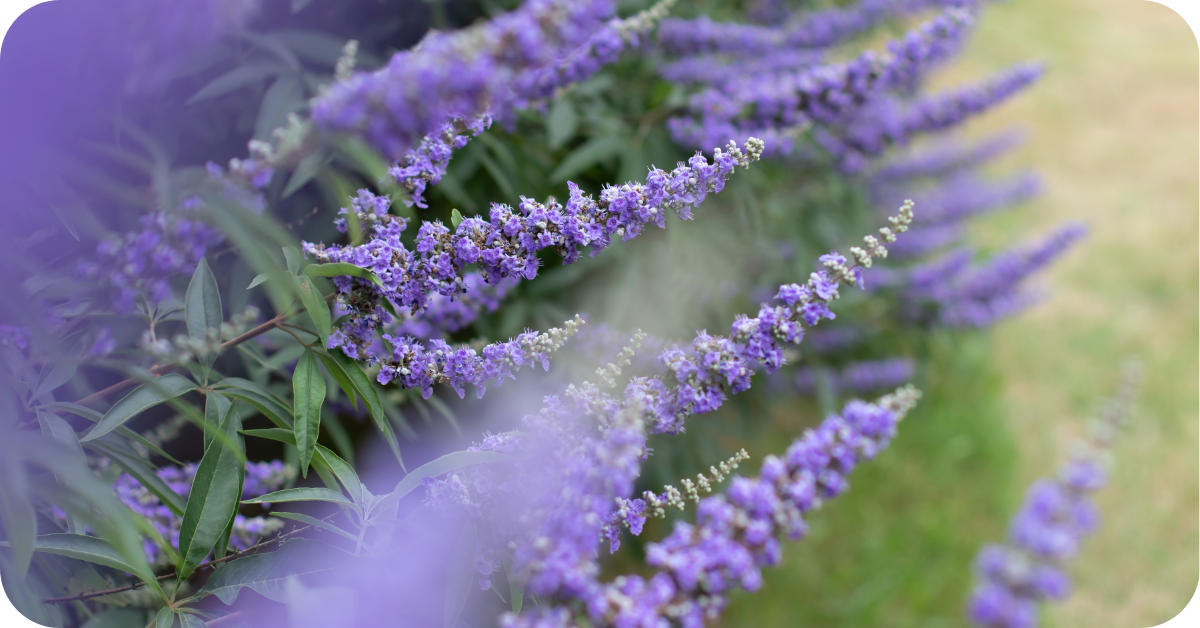
Agnus castus (Vitex agnus-castus) is a plant with a long history in European herbal tradition. The aromatic berries of this shrub have been used in various herbal preparations for centuries and are often discussed in relation to the menstrual cycle.
Today, we look at this herb through a combination of traditional knowledge and modern science. This means considering its historical uses alongside the ways in which certain compounds from the plant may interact with the body's hormonal regulatory systems.
In this blog, you can read more about the origins of agnus castus, how the plant grows, the compounds it contains, how agnus castus interacts with the body's hormonal control centre and the role the herb may play in the menstrual cycle.
Contents
- Origins and botanical characteristics
- Where does the name monk's pepper come from?
- The menstrual cycle in four phases
- The cycle begins in the brain
- How agnus castus interacts with the hormonal control centre
- Agnus castus and menopause
- Use and precautions
- Constituents and standardisation
- What we look for in agnus castus extracts
Origins and botanical characteristics
Agnus castus is a deciduous shrub native to the Mediterranean region, parts of Western Asia and North Africa. The plant grows mainly in warm, sunny areas, often along riverbanks or in places with well-drained soil.
In favourable conditions, the shrub can grow to between three and seven metres tall. Its leaves are palmate and grey-green in colour. In summer, long flower spikes appear, ranging from lilac to purple and sometimes white. These flowers attract many pollinating insects.
After flowering, small dark brown to black berries develop. These berries have an aromatic scent and a slightly peppery taste. It is this taste that gives the plant its Dutch name, monnikspeper, meaning monk's pepper.
Where does the name monk's pepper come from?
The botanical name Vitex agnus-castus has an interesting history. The words agnus and castus both refer to concepts associated with chastity. This is why the plant became known as the ‘chaste tree’ in the Middle Ages.
In monasteries, the berries were sometimes used as a spice. Their peppery taste even allowed them to be used as a substitute for pepper in cooking. This shows just how long this plant has been part of European herbal medicine.
The menstrual cycle in four phases
To understand where agnus castus comes into the picture, it helps to first look at how the menstrual cycle works.
The menstrual cycle is governed by an interplay of hormones that repeats roughly every month. Hormones such as oestrogen, progesterone, FSH (follicle-stimulating hormone) and LH (luteinising hormone) rise and fall throughout the cycle.
The graph below shows how these hormones change throughout the cycle.
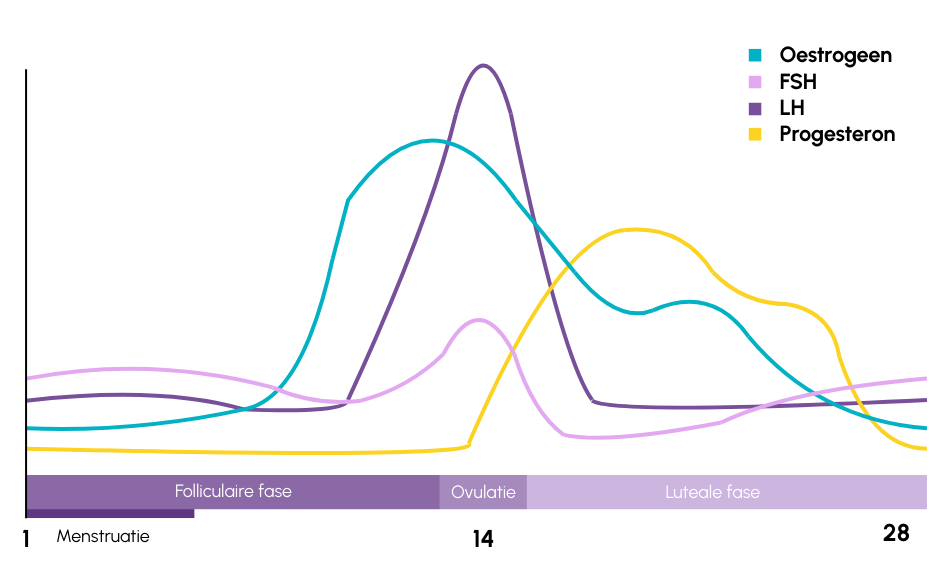
Broadly speaking, the cycle consists of four phases:
- Menstrual phase. The cycle begins with menstruation. Hormone levels are relatively low and the body sheds the uterine lining that has built up. At the same time, the pituitary gland releases FSH (follicle-stimulating hormone), which prompts new follicles in the ovaries to begin maturing.
- Follicular phase. Under the influence of FSH, several follicles in the ovaries begin to mature. Oestrogen levels also rise during this phase.
- Ovulation. Around the middle of the cycle, a surge in LH (luteinising hormone) causes the mature egg to be released from the ovary: ovulation.
- Luteal phase. After ovulation, progesterone rises. The body prepares for a possible pregnancy.
It is during this final phase, the time after ovulation and before menstruation, that some women experience changes in mood or other discomforts (PMS). In herbal medicine, agnus castus has long been discussed in relation to this phase of the cycle.
Agnus castus supports normal menstruation* and may offer support with discomfort before menstruation*. The herb may also help with mood swings during the menstrual cycle* and irritability before menstruation*.
The cycle begins in the brain
Many people think that the menstrual cycle mainly takes place in the ovaries. In fact, control of the cycle begins in the brain.
The menstrual cycle is regulated by a communication system between the brain and the endocrine glands. This system is known as the hypothalamic-pituitary-ovarian axis.
In simple terms, it works as follows:
- The hypothalamus in the brain sends signals.
- The pituitary gland responds by producing hormones such as FSH and LH.
- These hormones signal the ovaries to produce oestrogen and progesterone.
This is how the rhythm of the menstrual cycle is established.
How agnus castus interacts with the hormonal control centre
What makes agnus castus distinctive is that it contains no hormones and does not add hormones to the body. Instead, researchers are looking at how compounds from the plant may interact with the control centre that regulates hormones: the pituitary gland in the brain.
The hormone prolactin also plays a role within this system. This hormone is best known for its role in breastfeeding, but it is also part of the wider hormonal network. Prolactin production is regulated by the neurotransmitter dopamine. Dopamine acts as a kind of brake on the release of prolactin.
Research into Vitex agnus-castus focuses, among other things, on this so-called dopamine-prolactin axis. Experimental studies have investigated how compounds from agnus castus may interact with dopamine D2 receptors in the pituitary gland, potentially influencing prolactin regulation.
In other words, agnus castus appears to act on the system that controls these hormones rather than directly on the hormones themselves.
Agnus castus and menopause*
Hormonal balance changes throughout life. While agnus castus is often discussed in relation to the menstrual cycle in women of reproductive age, the herb receives renewed attention later on as the body approaches menopause.
Hormone levels gradually change during this stage of life. Agnus castus helps to reduce menopausal symptoms*.
Use and precautions
Agnus castus is usually taken as capsules, tablets or liquid extracts. In many traditional uses, the herb is taken in the morning because it interacts with hormonal signals controlled by the brain.
Because herbs often interact subtly with the body, it usually takes several menstrual cycles before an effect becomes noticeable. Patience and consistent use are therefore important.
As with many herbs, there are situations where caution is needed. Agnus castus is generally not used during pregnancy or breastfeeding. If you are taking hormonal medication, such as contraception or hormone therapy, it is also sensible to consult a doctor or practitioner first.
If you take medication that affects the dopamine system in the brain, it may also be sensible to consult a healthcare professional.
Constituents and standardisation
The berries of Vitex agnus-castus contain a complex mixture of natural compounds, including:
- iridoid glycosides (such as agnuside and aucubin)
- diterpenes
- flavonoids
- essential oils
The composition of herbal extracts can vary considerably. Factors such as soil quality, climate, harvest time and extraction method can all affect the amounts of plant compounds present. This is why modern herbal products often use standardised extracts. These extracts are checked for a specific quantity of marker compounds.
Agnuside is one such marker compound for agnus castus. Standardising extracts to this compound helps keep a product's composition more consistent.
What we look for in agnus castus extracts
When selecting herbal products, we take a careful look at quality and origin. Supplements containing the same herb do not automatically offer the same quality or concentration.
Among other things, we look for transparency about origin, sustainable cultivation or wild harvesting, standardisation of key constituents and independent quality testing.
One example is Vitex Berry by Gaia Herbs. This supplement contains a standardised extract of FairWild® vitex, providing 3 mg of agnuside per daily dose. The products are also tested for pesticides, heavy metals and microbial contamination, among other things.
This combination of standardisation, sustainable sourcing and quality control helps ensure that the extract's composition remains reliable and consistent.
Products we believe in
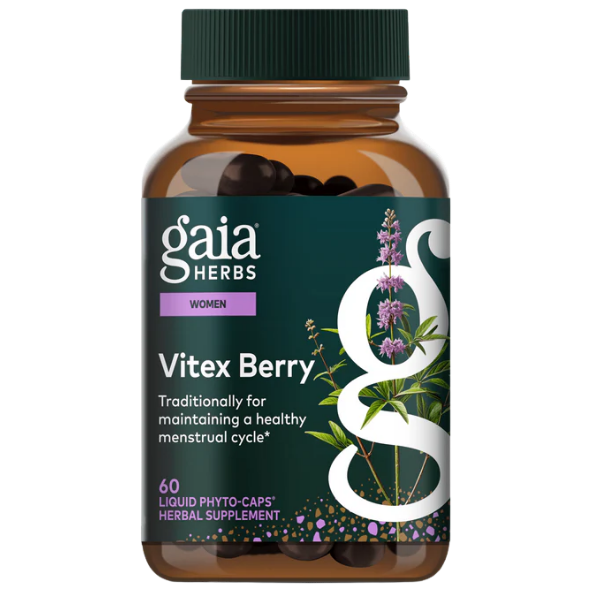
120 capsules, 60 capsules | Capsules | Monk's pepper | United States of America
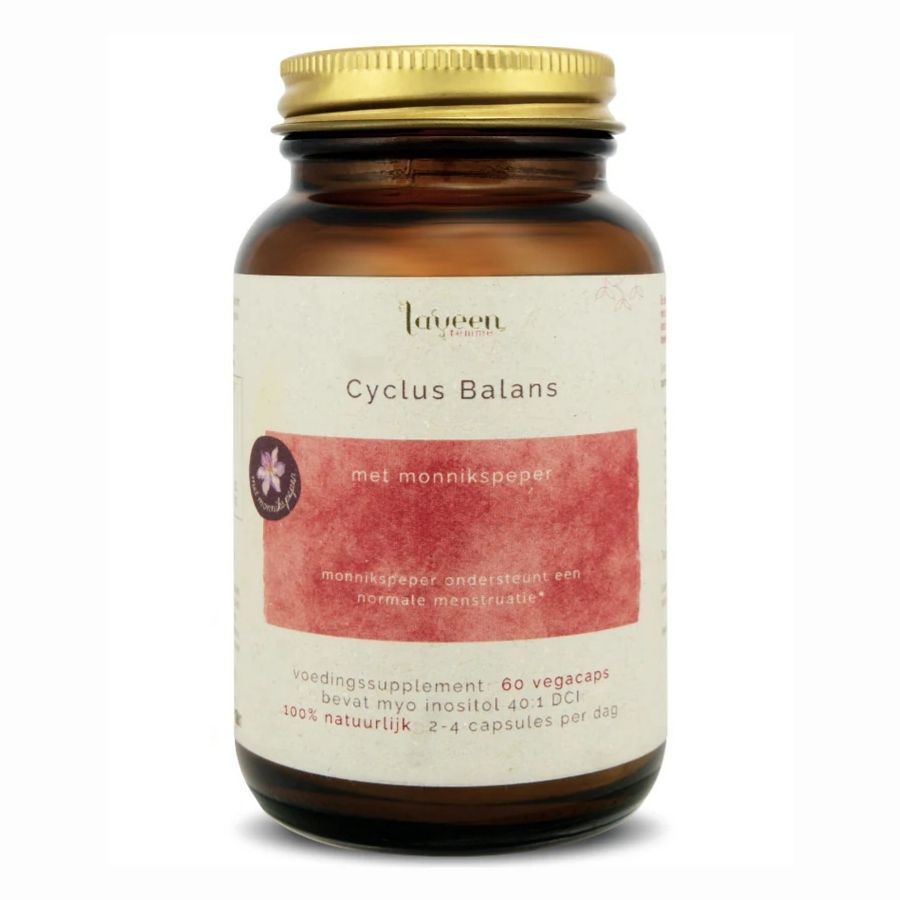
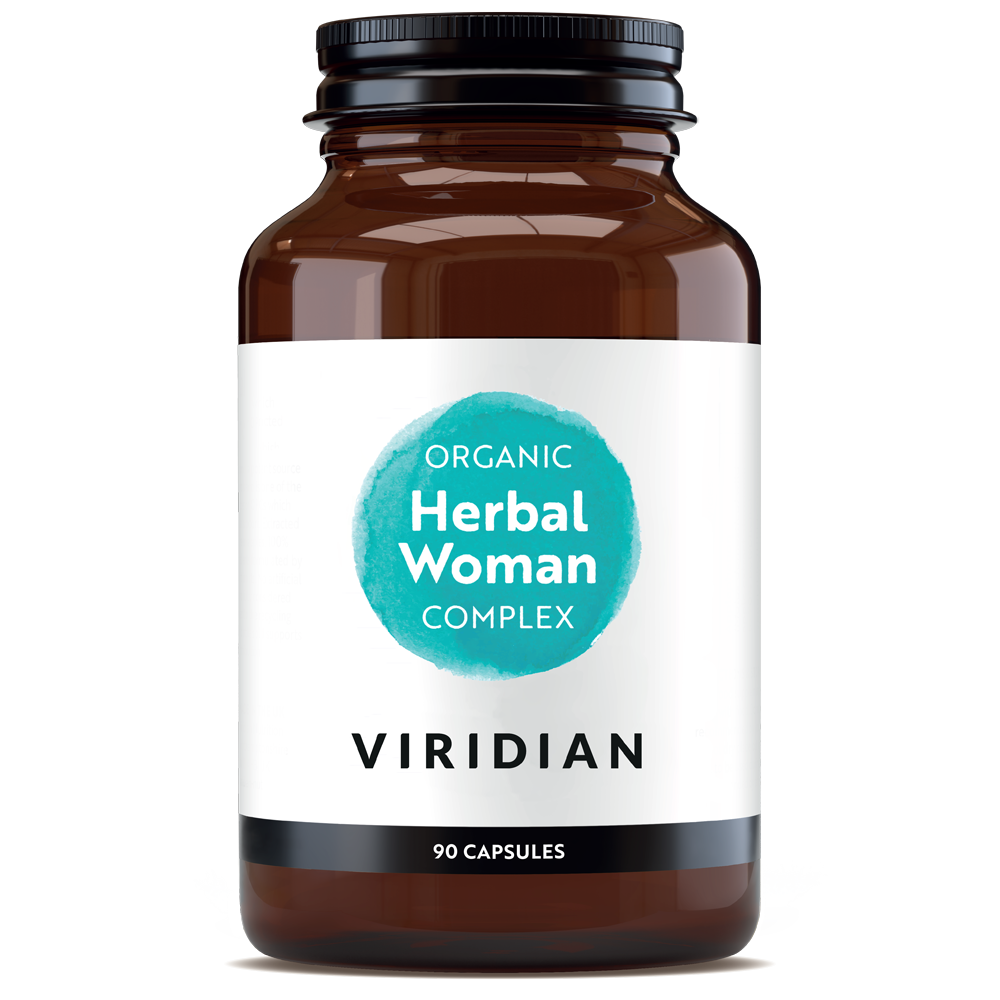
90 capsules | Capsules | Monk's pepper | United Kingdom
